Planning a family vacation to Komodo National Park creates extraordinary opportunities for bonding, adventure, and shared discovery. This destination uniquely combines wildlife education, water activities, and cultural immersion suitable for families with children of varying ages. Understanding family-specific considerations, age-appropriate activities, and safety protocols ensures your Komodo adventure becomes a cherished family experience.
Young Children (Ages 4-7): This age group enjoys snorkeling in shallow, protected areas, beach exploration, and wildlife viewing during daylight hours. Long boat journeys challenge attention spans, so select shorter itineraries (3-4 days) and charter vessels with excellent family facilities. Motion sickness medication proves essential—consult pediatricians before departure regarding age-appropriate options. Younger children thrive with simplified schedules minimizing early starts and maximizing play time.
School-Age Children (Ages 8-12): This ideal age group typically embraces snorkeling enthusiastically, manages longer boat days, and possesses sufficient physical capability for family-appropriate hikes. Many children this age begin diving (Padi Junior Open Water starting age 10) though snorkeling provides excellent experiences without certification. Educational value increases dramatically—children appreciate learning about marine ecosystems, Indonesian culture, and wildlife conservation. Structure days with morning snorkeling/diving, midday activities with educational components, and relaxation built into afternoons.
Teenagers (Ages 13-17): Teenagers access full Komodo experiences including dive certification, extended hikes, and more adventurous water activities. Flexible schedules accommodating varying interests work better than rigid itineraries—some may want intensive diving while others prefer photography or exploring. Adventure-seeking teenagers particularly enjoy challenging dive sites, island explorations, and close-quarters Komodo dragon encounters.
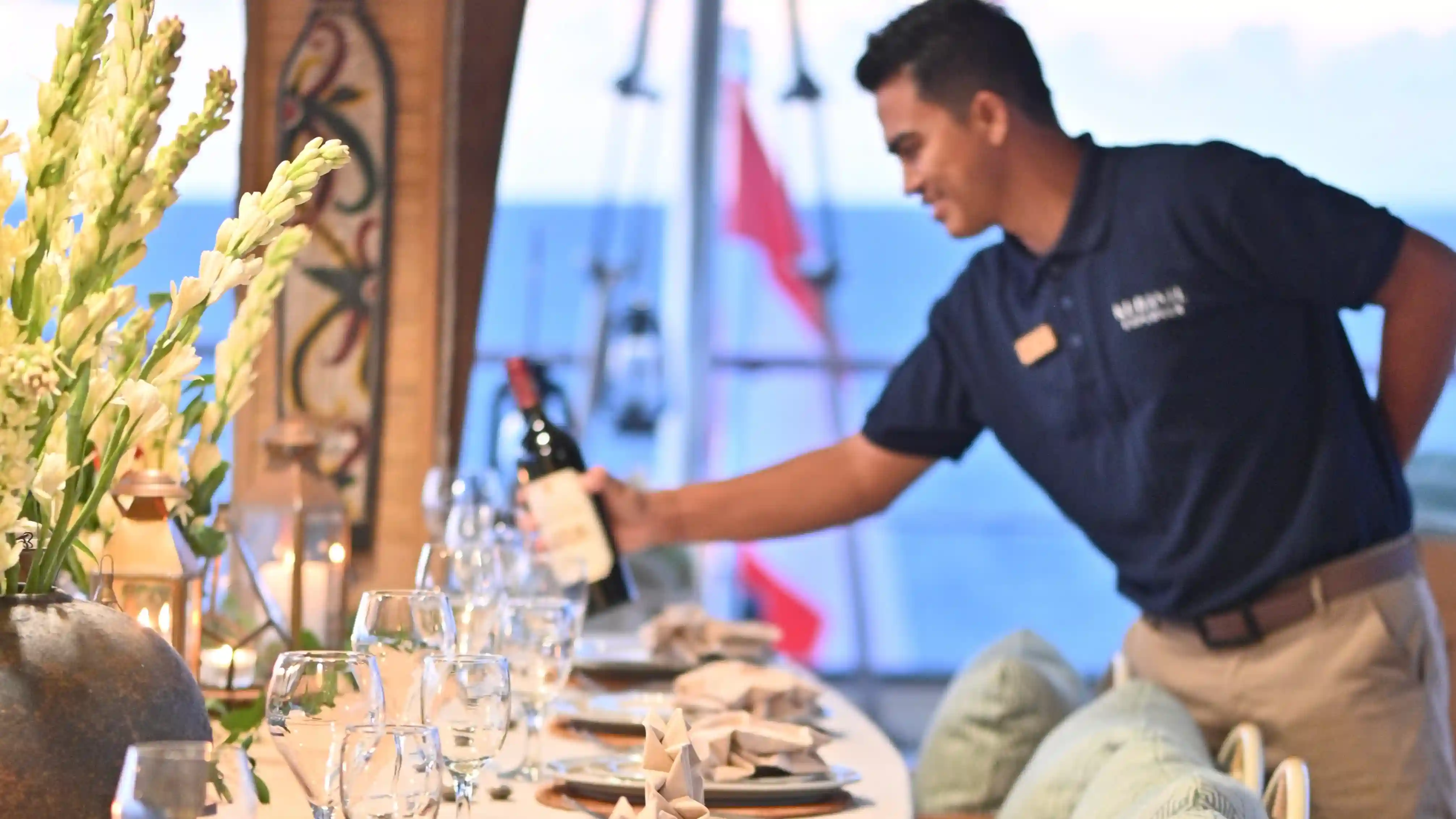
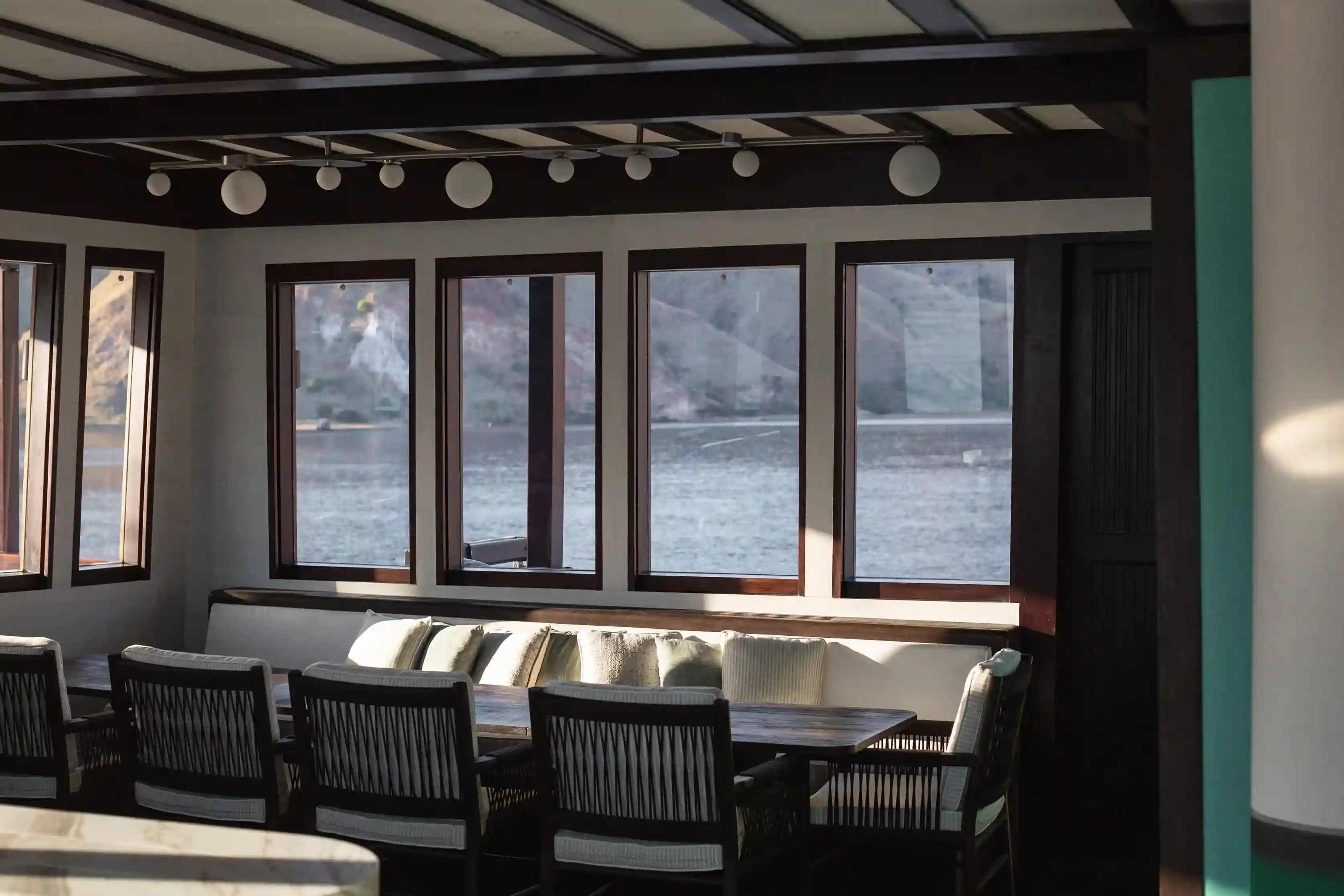
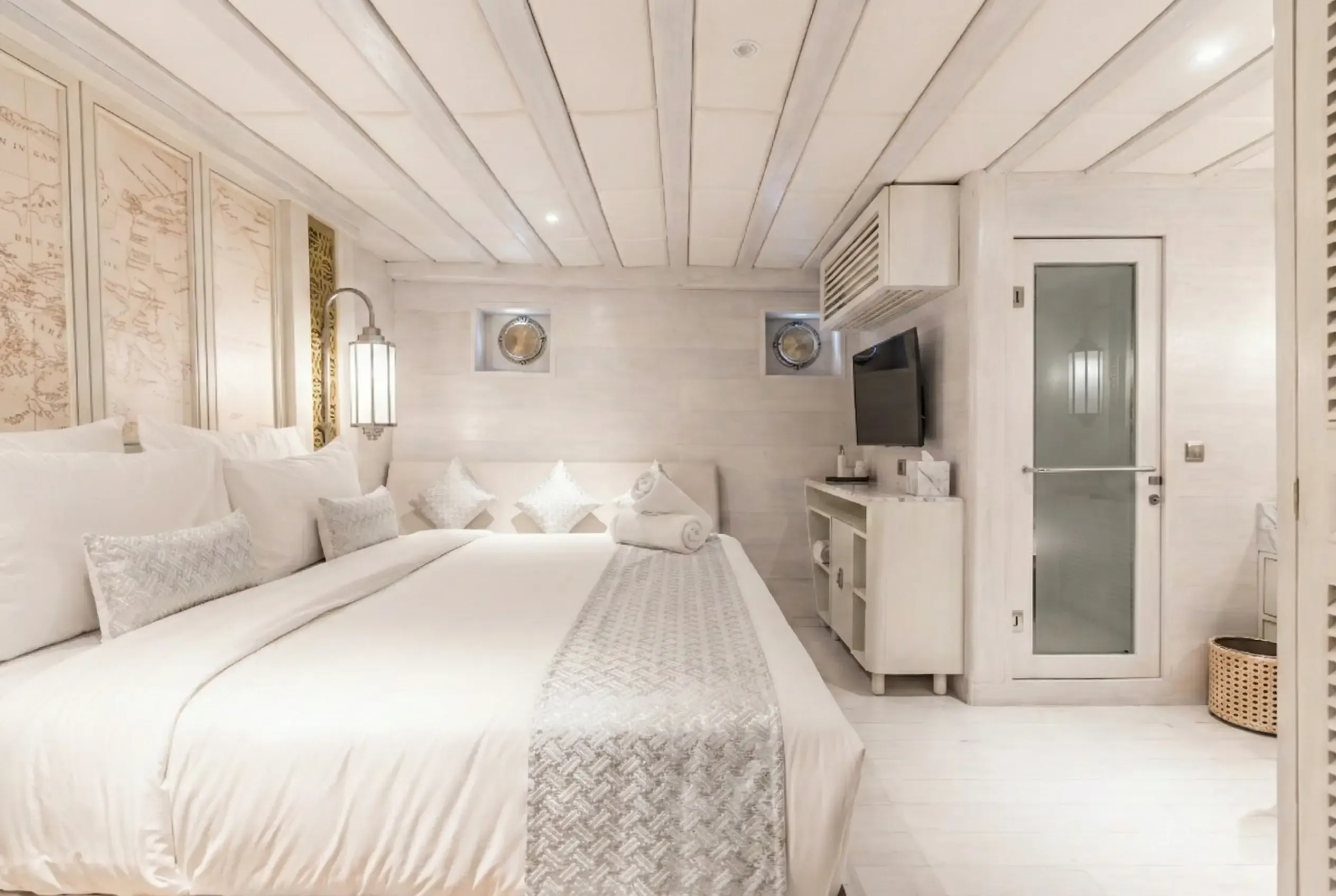
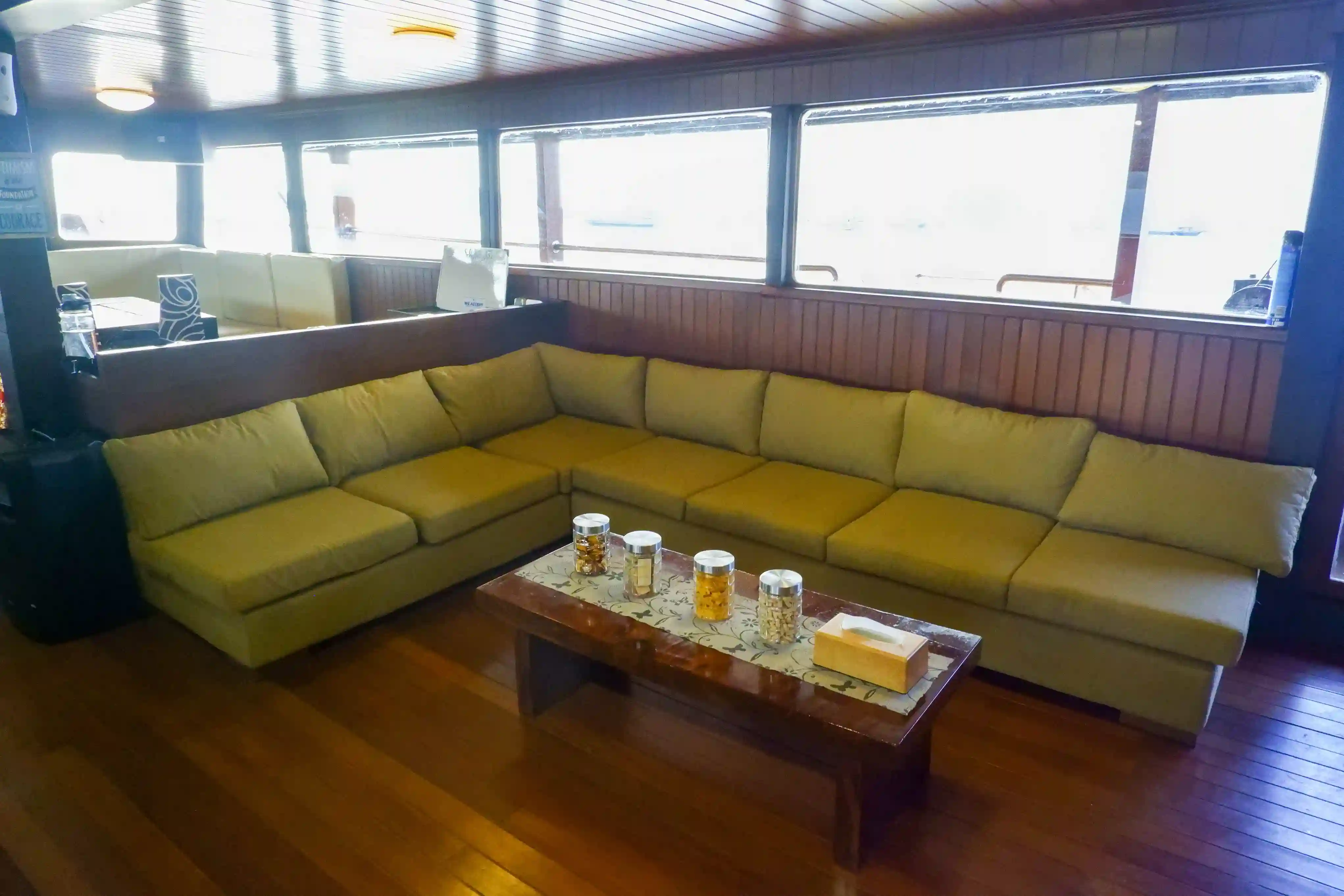
Not all Komodo charters suit families equally. Seek vessels specifically advertising family accommodations and experience. Key considerations include maximum child capacity, cabin configurations supporting families (connecting cabins or larger suites), excellent food options accommodating picky eaters, and guides experienced with children.
Larger liveaboards (60-80 meters) typically offer superior family comfort with better stability, more dining flexibility, and greater onboard activities. Smaller vessels (30-50 meters) provide more intimate experiences but may lack amenities and space valuable for families. Request references from families who recently completed trips before finalizing reservations.
Confirm crew multilingual capabilities, particularly if your family is non-English speaking. Many guides speak limited English, creating communication challenges during instruction. Select operators employing guides fluent in your family’s language.
Day 1 – Arrival and Acclimatization: Arrive in Labuan Bajo, transfer to your vessel, and allow settling time. Skip demanding activities, focus on orientation to the boat, crew introduction, and relaxation. An evening briefing regarding daily operations and expectations helps families understand rhythms ahead. Younger children sleep better with early rest after travel.
Day 2 – Gentle Introduction: Begin with protected snorkeling in shallow areas around your mooring. Padar Island offers excellent family hiking with moderate difficulty, spectacular viewpoints, and manageable duration (1-1.5 hours). Evening swimming and onboard activities provide relaxation before sleep.
Day 3 – Primary Experiences: Conduct Komodo dragon viewing on Komodo or Rinca islands. Choose shorter guided walks (1-1.5 hours) appropriate for young legs. Additional snorkeling at established sites provides water enjoyment with high safety margins. Evening activities might include beach barbecue or cultural presentations.
Day 4 – Adventure and Exploration: Depending on family activity tolerance, increase intensity with longer snorkeling sessions, additional dive operations, or extended hikes. Visit Pink Beach, Manta Point, or other highlighted locations. Tailor activities to demonstrated energy levels and interests from previous days.
Flexible Activities: Rather than rigid scheduling, maintain flexibility accommodating family moods and energy. Children sometimes simply want to relax, swim from the boat, or play games rather than participate in scheduled activities. Charter operators understanding this reality prove far more enjoyable than those maintaining inflexible schedules.
Water Safety Fundamentals: Ensure all family members possess basic swimming ability before boarding. Non-swimmers should wear Coast Guard-approved life vests during all water activities, not just swimming. Children should remain within visual range at all times during water activities. Assign one adult as primary child supervisor during each activity, preventing responsibility diffusion.
Sun and Heat Management: Young children burn rapidly despite sunscreen application. Limit direct sun exposure midday (11 AM-3 PM), utilize high-SPF reef-safe sunscreen, and employ protective clothing. Heat exhaustion affects children more than adults—monitor hydration carefully, particularly during physical activities like hiking.
Marine Life Encounters: While dangerous encounters remain statistically rare, understand appropriate behavior around marine life. Maintain distance from sea snakes (immediately identifiable by yellow/black banding), do not touch coral or sea urchins, and avoid close approaches to larger fish despite their generally harmless nature. Supervise children closely during snorkeling to prevent grabbing marine life.
Medical Readiness: Confirm your vessel carries comprehensive medical kits including pediatric medications. Discuss any food allergies, medications, or medical conditions with crew during boarding. Know helicopter evacuation procedures and evacuation insurance coverage. Most remote medical issues resolve through conservative management, but readiness prevents panic.
Boat Safety and Drills: Participate in all mandatory safety briefings. Ensure children understand life jacket use and know assembly points if emergencies occur. Most modern charter vessels exceed international maritime safety standards, but familiarity provides confidence.
Snorkeling Excursions: Family snorkeling ranks among Komodo’s highlights. Shallow sites around Coral Gardens, Manta Point, and Pink Beach offer spectacular marine life with manageable conditions for varied swimming abilities. Underwater photographers capture family moments—invest in underwater camera housing for lasting memories.
Island Exploration: Beyond dragon viewing, islands offer excellent family exploration. Padar Island hiking provides outstanding vistas. Beach picnics on pristine pink and white sand beaches create magical memories. Trekking through dry forest environments educates about unique ecosystems supporting endemic species.
Sunset and Sunrise Experiences: Rather than emphasizing activity volume, family charters should prioritize experiential moments. Sunset deck time, sunrise observation from upper decks, and evening star gazing create bonding moments transcending typical tourism activities.
Cultural Immersion: Many charters include visits to local villages, fishing communities, or cultural presentations. Children learn about Indonesian traditions, local livelihoods, and cultural differences. These educational components significantly enhance trip value beyond pure recreation.
Photography and Journaling: Encourage children to document their journey through photography or journaling. This encourages observation, creates lasting records, and provides rainy afternoon activities. Family photography sessions create shared memories and provide motivation for active participation.
Most charter operators accommodate dietary preferences and restrictions. Communicate any eating challenges to operators during booking rather than assuming adaptation aboard. Confirm pasta, rice, and bread availability for children reluctant trying unfamiliar Indonesian cuisine. Some families bring favorite snacks addressing specific preferences.
Mealtimes provide excellent opportunities encouraging adventurous eating. Frame trying Indonesian dishes as cultural exploration rather than obligation. Many children prove more willing trying foods within their peer group—friendly crew and other family groups normalize new food experiences.
Reserve your family Komodo boat charter directly with operators emphasizing family experience rather than selecting budget options prioritizing adult adventure enthusiasts. Request operator recommendations from families with similar-aged children. Request itineraries specifically designed around family activity profiles rather than generic schedules.
Choose dry season dates (May-August) when weather proves most predictable and stable. School holiday periods work well provided you book early to secure spaces. Off-season family trips (April-May, September-November) offer better value with still-excellent conditions.
Invest in a quality waterproof camera or smartphone housing capturing underwater moments and scenic vistas. Underwater housing prices typically range $30-60 locally, providing excellent value for lasting family memories. Encourage children keeping journals or daily activity photos organizing experiences chronologically.
Ask crew members capturing family photos during activities. You’re too immersed in experiences to consistently photograph moments yourself. Most crew happily oblige requests, creating images you’d never capture independently.
Families of 4-6 people (2 adults + 2-4 children) find optimal balance between shared experience and manageable dynamics. Larger extended families benefit from private charters allowing maximum autonomy. Smaller families sometimes join group tours offering social dynamics and cost efficiency. Confirm child capacity and safety protocols before booking.
Yes, but with realistic expectations. Young children manage short snorkeling sessions (20-30 minutes), island exploration with frequent rest breaks, and relaxation time. Four-day trips work better than longer durations. Accept that some activities may not appeal—flexibility prevents frustration. Many families with young children report extraordinary bonding despite fewer challenging activities.
Komodo’s rougher conditions during certain months challenge sensitive stomachs. Consult pediatricians regarding motion sickness medication for your child’s age. Request amidships cabins minimizing motion perception. Plan trips during calmer months (May-June, September-October). Many families successfully navigate Komodo despite motion concerns through proper prevention and management.
Most liveaboards carry comprehensive medical kits and crew trained in basic emergency response. Labuan Bajo has basic medical facilities suitable for minor issues. Serious medical emergencies require helicopter evacuation to Bali—confirm insurance coverage includes pediatric evacuation before departure. Prevention through hydration, sun protection, and hygiene prevents most issues.
Family boat charters require thoughtful pre-trip coordination that our team handles proactively. We’ll confirm children’s ages and swimming ability to determine appropriate snorkeling sites; dietary requirements and food preferences to brief the chef; any medical considerations including motion sickness history; and the family’s activity priorities (dragon trekking, marine life focus, photography, relaxation balance) to shape the itinerary.
Payment structure for family charters: 30% deposit on booking, balance due 7 days before departure. Full refund for cancellations 60+ days out. Booking 3–6 months ahead is recommended for all family charters, and 6+ months ahead for July–August peak season to guarantee the most family-appropriate vessels.
Australian families represent one of our largest guest segments — we offer AUD payment options, Qantas-aligned flight timing coordination, and specific familiarity with school holiday windows for NSW, VIC, QLD, WA, and SA calendars. British families note that direct Bali–Komodo connections coordinate well with Gatwick–Bali Emirates and Singapore Airlines flights.
👉 Komodo Family Trip Page | Families Guide | Get Your Family Quote Today
Our booking process is designed for efficiency: contact us via WhatsApp or email with your preferred dates, group size, and any special requirements. We respond within 2–4 hours with vessel recommendations, a custom itinerary, and a fully transparent all-inclusive quote. Deposit of 30% secures your booking; the balance is due 7 days before departure. We accept USD bank transfer, credit card (Stripe), and PayPal.
All charter prices include the vessel, full crew, meals (3x daily), snorkeling equipment, park entry coordination, and ranger fees for dragon trekking. Standard exclusions: flights, airport transfers, personal travel insurance, diver surcharges, tips, and premium alcohol. There are no hidden fees — the quote we provide is the total you pay.
Our team is available 7 days per week, 08:00–20:00 WITA (UTC+8). For urgent inquiries from international guests in the US, UK, or Australia, WhatsApp messages received outside business hours are typically responded to at the start of our next business day — usually within 12 hours from any time zone.
👉 Contact Our Team | How to Book Guide | Full Pricing Guide | FAQ