Seven days is the classic dive-liveaboard length and the most rewarding way to experience Komodo end-to-end. Six full nights at sea, four dedicated dive days, sunrises at three viewpoints, and the freedom to wait out tides and weather to catch every site at its best.
Seven days is the format dive operators design around: enough time to dive each major region of the park at its proper tide, recover between deep dives, and still leave room for surface excursions. A typical 7-day expedition logs 18–24 dives across south Komodo (Manta Alley, Cannibal Rock, Yellow Wall), the central park (Batu Bolong, Tatawa), the north (Castle Rock, Crystal Rock, The Cauldron), Banta Island and Sangeang volcano.
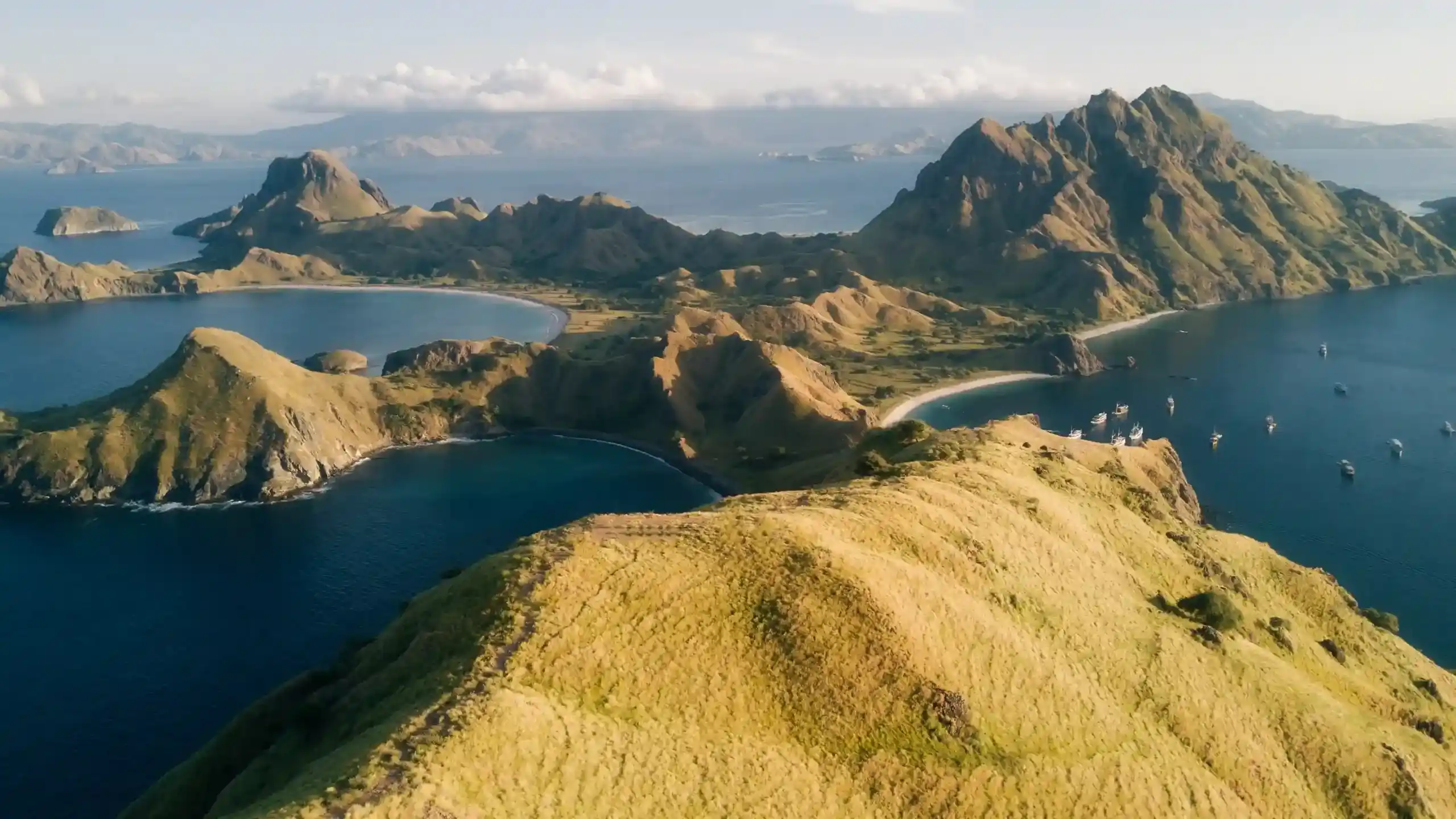
The same length works beautifully for non-diving charter groups. Six nights at sea gives you three sunrises at three different viewpoints (Padar, Gili Lawa, Wae Wuul on the mainland), unhurried days at the best snorkeling sites, full ranger treks on both Komodo and Rinca, and time to sail north to Banta where most charter boats simply never go.
Board, check-dive at Sebayur, ranger trek on Rinca, overnight Kalong.
Sunrise Padar, snorkel Pink Beach, ranger trek Komodo Island.
Push south for the year’s most reliable manta cleaning station, then Cannibal Rock and Yellow Wall.
Muck-diving day — rhinopias, frogfish, pygmy seahorses — with a sunset trek on Nusa Kode.
North transit with manta and turtle stops, overnight near Gili Lawa.
Two of the world’s great current dives at slack tide, sunset on the Gili Lawa ridge.
Final morning at a quiet reef before cruising back to Labuan Bajo for late-afternoon disembarkation.
Typically 18–24 dives on a dedicated liveaboard. Three to four dives per day plus night dives at safe sites. Phinisi charters log slightly fewer (15–20) with a more leisurely surface schedule.
June through September delivers the best mix of calm seas, clear visibility, and reliable manta sightings. April–May and October–November are excellent shoulder months.
Yes. Most 7-day groups are a mix of divers, snorkellers, and topside travellers. The vessel anchors close to most dive sites and there is always a parallel snorkel or shore programme.