Last updated: July 13, 2026
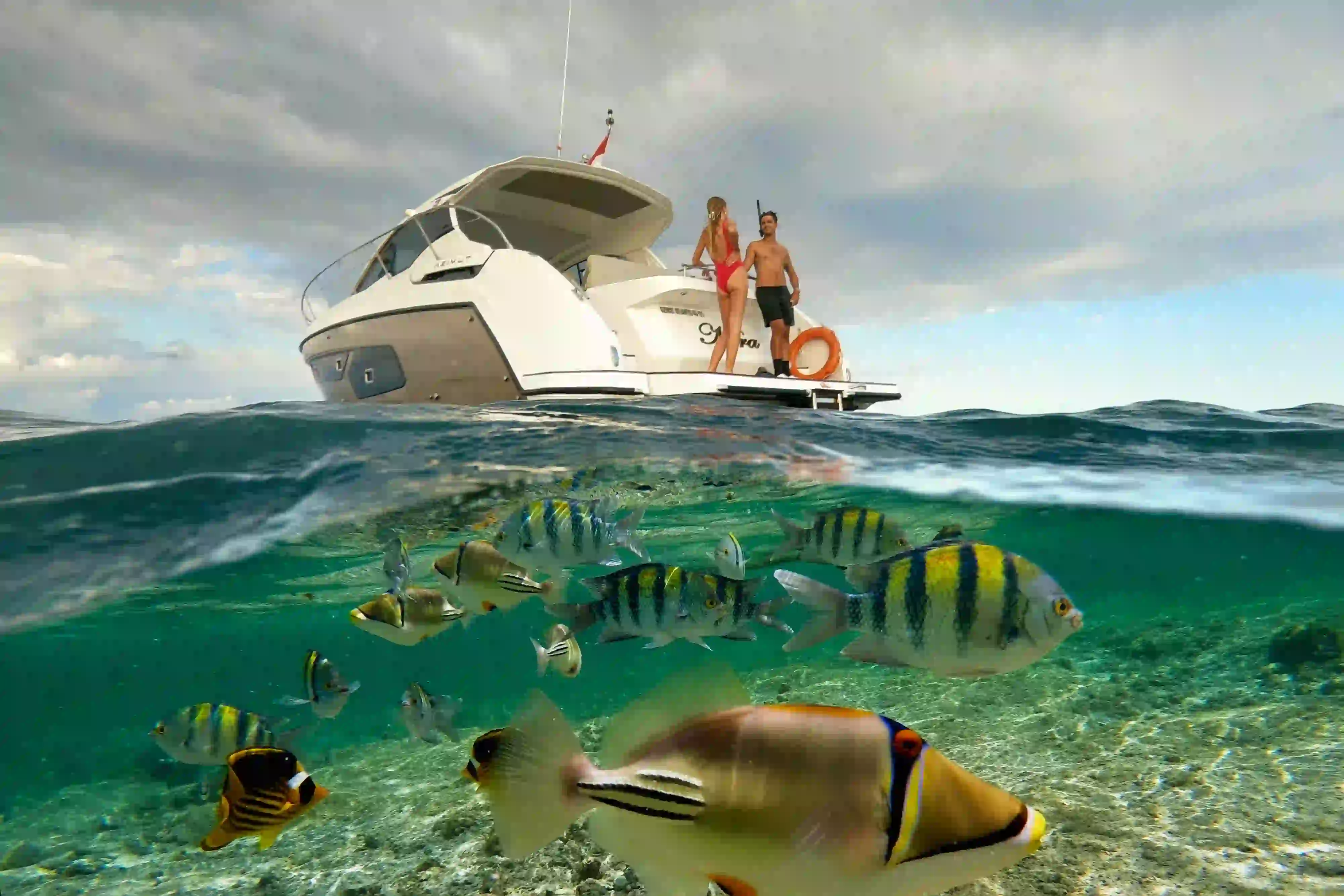
A dive charter is a private boat — usually a phinisi or motor yacht — with a certified dive guide aboard, tank and equipment support arranged by the operator, and an itinerary written around dive windows instead of a group timetable. You bring your certification card; the boat brings everything else, including snorkel gear for the non-divers in your group.
The format exists because Komodo’s signature sites are tide-dependent. Batu Bolong and Castle Rock are current-swept pinnacles that are at their best — and safest — during slack-tide windows that shift every day. A private boat waits for those windows; scheduled dive day boats often cannot.
KomodoBoatCharter runs dive charters as part of a fleet of phinisi, yachts, liveaboards and speedboats operating in Komodo National Park since 2015, under parent company Komodo Luxury.
The park’s headline sites cluster in the north, with one famous outlier in the south. Each linked guide covers conditions, depth profile and skill level in detail:
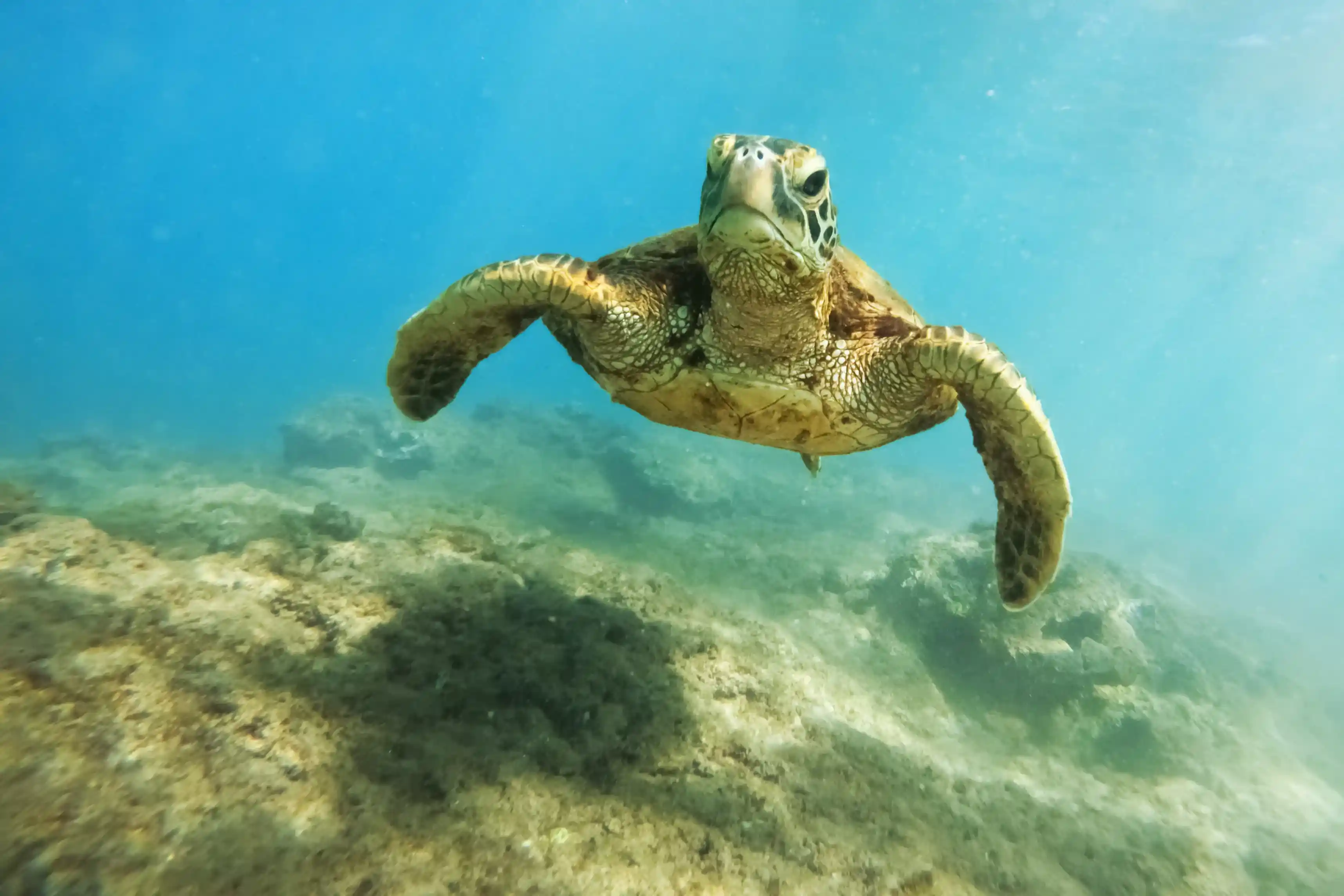
Add Siaba Besar for turtle encounters, and The Cauldron — the drift locals call the Shotgun — when conditions and certification line up.
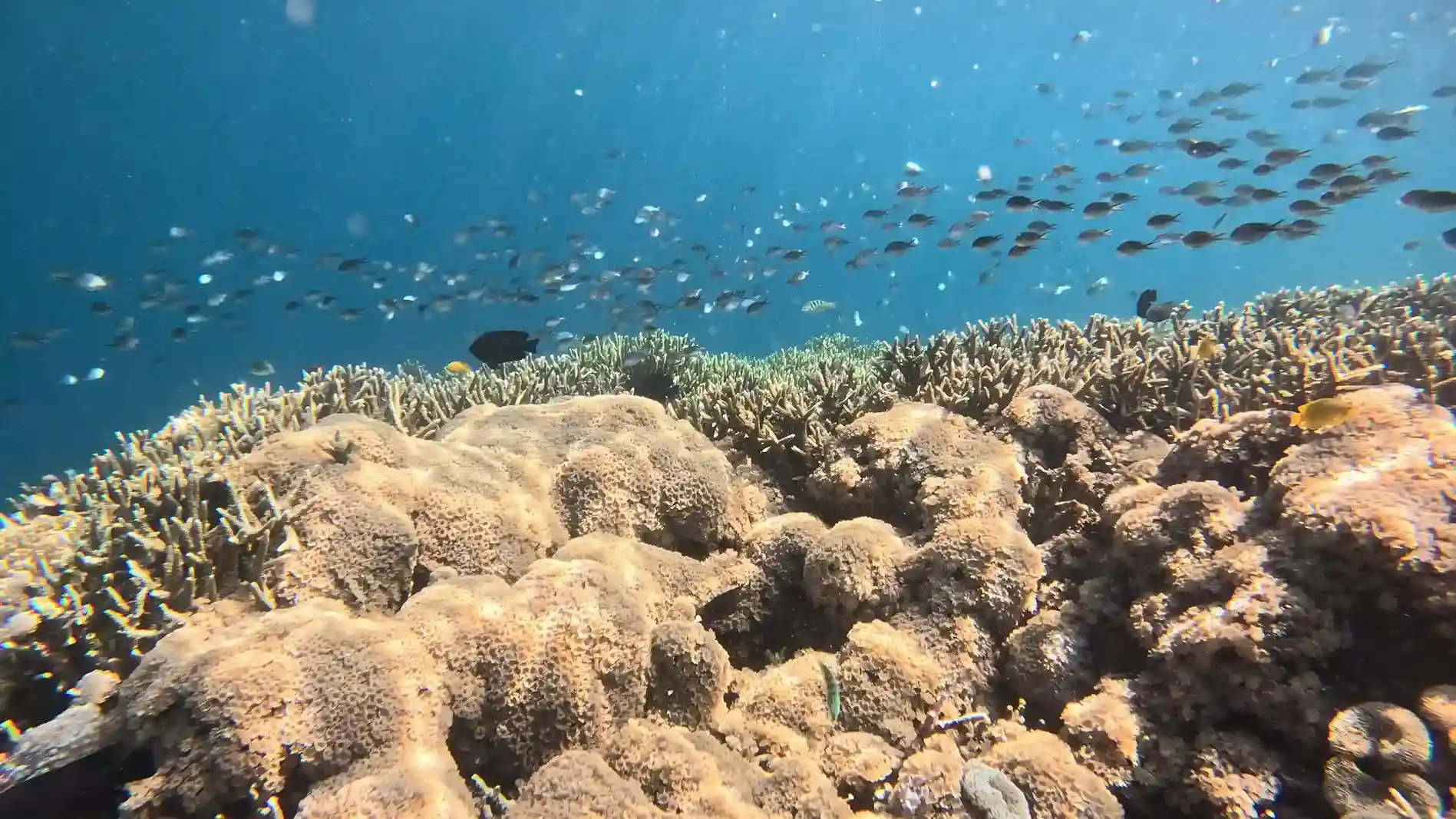
Komodo National Park sits on a channel between two seas, and water moves through its straits hard enough to make the famous pinnacles divable only in specific windows. Itineraries are always planned around tides: strong-current sites at slack, easier reefs when the water runs.
Day boats leave the harbor at fixed times, so they take whatever tide they get. A charter anchored overnight near the northern sites can hit the exact morning slack at Batu Bolong, move to Castle Rock or Crystal Rock for the next window, and fill the gaps with sheltered snorkel stops. That single scheduling difference is the core of the dive charter’s value — the same sites, dived at the right moment instead of the available one.
A sample plan our captains actually run — site order flips with the tide chart, which is exactly the point of chartering:
| Day | Dive sites (tide-windowed) | Dives | For non-divers |
|---|---|---|---|
| 1 | Siaba Besar · Tatawa Besar | 2 | Turtle snorkeling; Kalong Island flying-fox sunset at anchor |
| 2 | Batu Bolong · Castle Rock or Crystal Rock | 2–3 | Padar sunrise hike; Pink Beach |
| 3 | Manta Point · Taka Makassar | 2 | Snorkel with mantas; sandbar stop; return to Labuan Bajo |
Expect 30–90 minutes between sites once inside the park. Certification is required for all dives; many sites reward Advanced-level training, and your guide will match sites to the least experienced diver aboard.
Dive charters price as a standard private charter plus dive services. Charter rates follow the fleet-wide classes on the Komodo yacht charter page; dive guiding, tanks and equipment are quoted per diver when you book, and the park adds a small daily diving surcharge on top of its entry fees.
| Item | Typical 2027 cost |
|---|---|
| Private charter — mid-range phinisi (2–8 guests) | USD 800–1,500 per day |
| Private charter — luxury phinisi or motor yacht | USD 2,000–5,000+ per day |
| Park entry + conservation + harbour fees (foreign visitor) | IDR 375,000 per person per day minimum |
| Park diving surcharge | IDR 25,000 per diver per day |
| Full park budget incl. trekking and ranger fees | IDR 400,000–550,000 per person per day |
Park and ranger fees are collected in cash and paid to the park on your behalf. Scuba diving itself is excluded from standard charter packages, so confirm the per-diver dive pricing in writing with your quote. Travel insurance that covers boat travel, medical evacuation and diving is strongly recommended — the park is remote.
April–June and September–November combine the calmest seas with the best visibility, and local operators highlight the same two windows as prime time for manta encounters at Manta Point. July–August is peak season with premium rates and more boats at the northern sites; the December–March wet season still sails, with individual departures decided daily by the harbor master. New marine protections introduced at key snorkel and dive sites in 2026 have only strengthened the case for manta- and reef-focused itineraries.
Certification is required to dive, and the famous current sites reward Advanced-level training — but a charter is forgiving of mixed abilities. Open Water divers get calm-day sites matched to conditions, snorkelers of any level get sheltered stops with life vests provided, and masks, snorkels and fins are already aboard. Tell the crew your comfort level honestly and the plan bends around it; that flexibility is something a fixed-schedule day boat cannot offer.
a small pinnacle in the Linta Strait dense with reef life, dived only at slack tide.
Explorethe park’s famous current dive: schooling fish, trevally and reef sharks, best suited to Advanced divers.
ExploreCastle Rock’s neighbor, with the same submerged-pinnacle drama and slightly gentler entries on calm days.
Explorea drift over manta cleaning stations; snorkelers can float above the action when conditions allow.
Explorethe southern manta site with gentler encounters that suit divers of all levels.
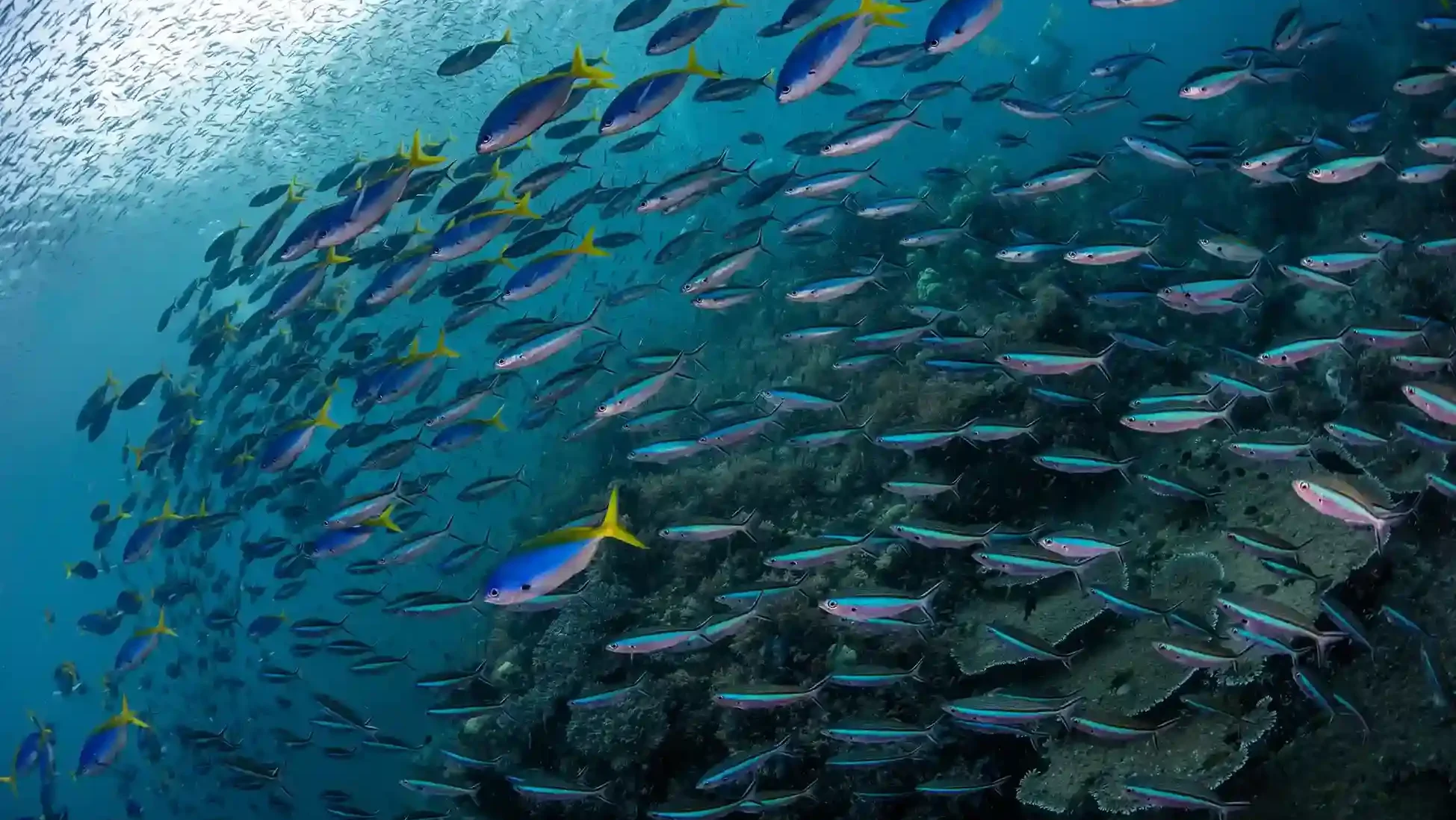
ExploreBatu Bolong, Castle Rock, Crystal Rock, and Manta Point headline the park’s signature current-swept dive sites.
Currents are strong at famous dive sites like Batu Bolong and Castle Rock; itineraries are planned around tides, and easier sites are chosen for casual snorkelers.
Yes — certification is required, and many sites suit Advanced-level divers due to currents, though calm-day sites work for Open Water divers.
Yes — Manta Point lets snorkelers float above feeding manta rays when conditions allow, one of the park’s signature experiences.
Manta Point, Taka Makassar, Pink Beach, Kanawa, and Siaba Besar offer clear, life-rich water suited to snorkelers of all levels.
Manta encounters happen much of the year at Manta Point, with April–June and September–November highlighted by local operators as prime windows.
This guide is published by KomodoBoatCharter, a boat charter group operating in Komodo National Park since 2015, part of the Komodo Luxury group.