Selecting between a modern yacht and traditional Indonesian phinisi sailboat represents a critical decision affecting your entire Komodo experience. Both vessel types operate extensively throughout Komodo National Park, yet they provide distinctly different experiences in terms of comfort, atmosphere, cost, and maritime authenticity. Understanding each vessel category’s strengths, limitations, and ideal passenger profiles enables selecting the option perfectly matching your preferences.
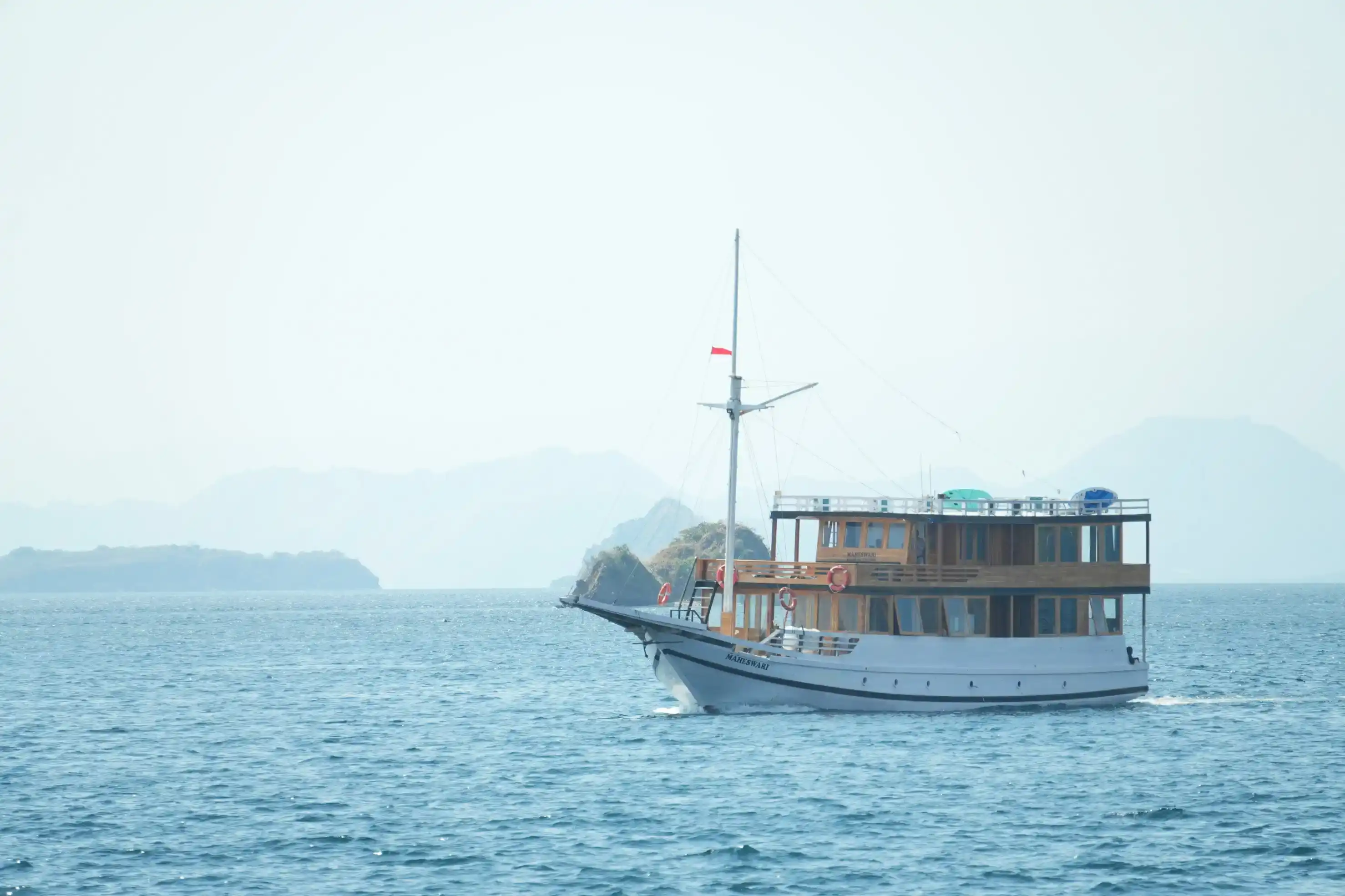
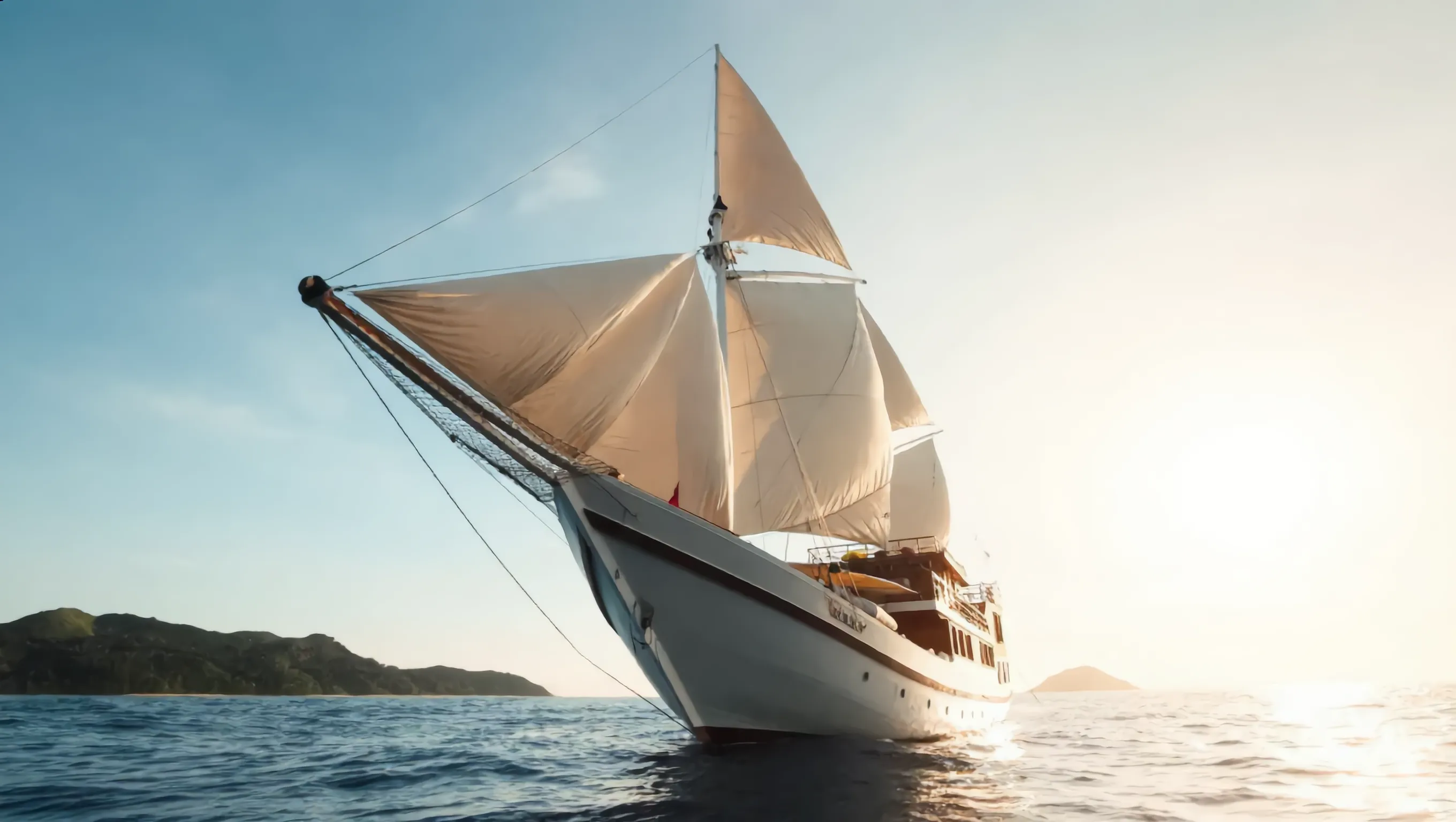
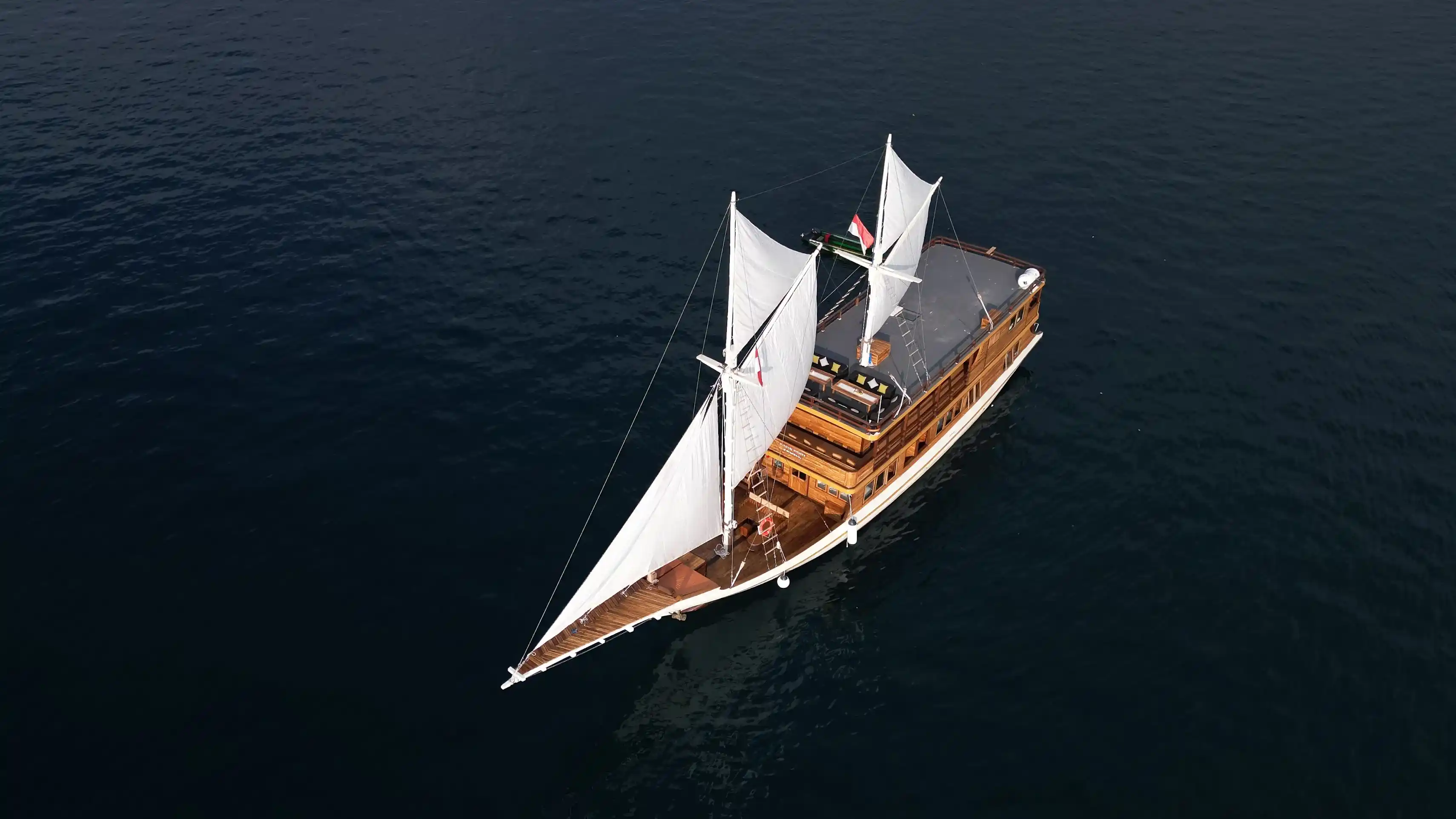
Phinisi boats represent iconic Indonesian maritime vessels with wooden construction, traditional sail design, and centuries-old heritage. The term “phinisi” derives from Indonesian wooden ship-building traditions originating in South Sulawesi. These distinctive two-masted schooners have evolved from working fishing vessels into luxury liveaboards catering to adventure-focused travelers.
Authentic phinisis maintain traditional construction featuring ironwood hulls, hand-crafted joinery, and sail-ready rigging. Modern luxury phinisis balance traditional aesthetics with contemporary comforts including en-suite cabins, fine dining, and modern navigation systems. However, they retain sailing capability, operating under power and canvas depending on conditions and preference.
Phinisi boats operating in Komodo typically range from 40-80 meters in length, accommodating 8-50 passengers depending on vessel size and cabin configurations. These vessels provide intimate, atmospheric cruising experiences where traditional maritime practices remain evident throughout daily operations.
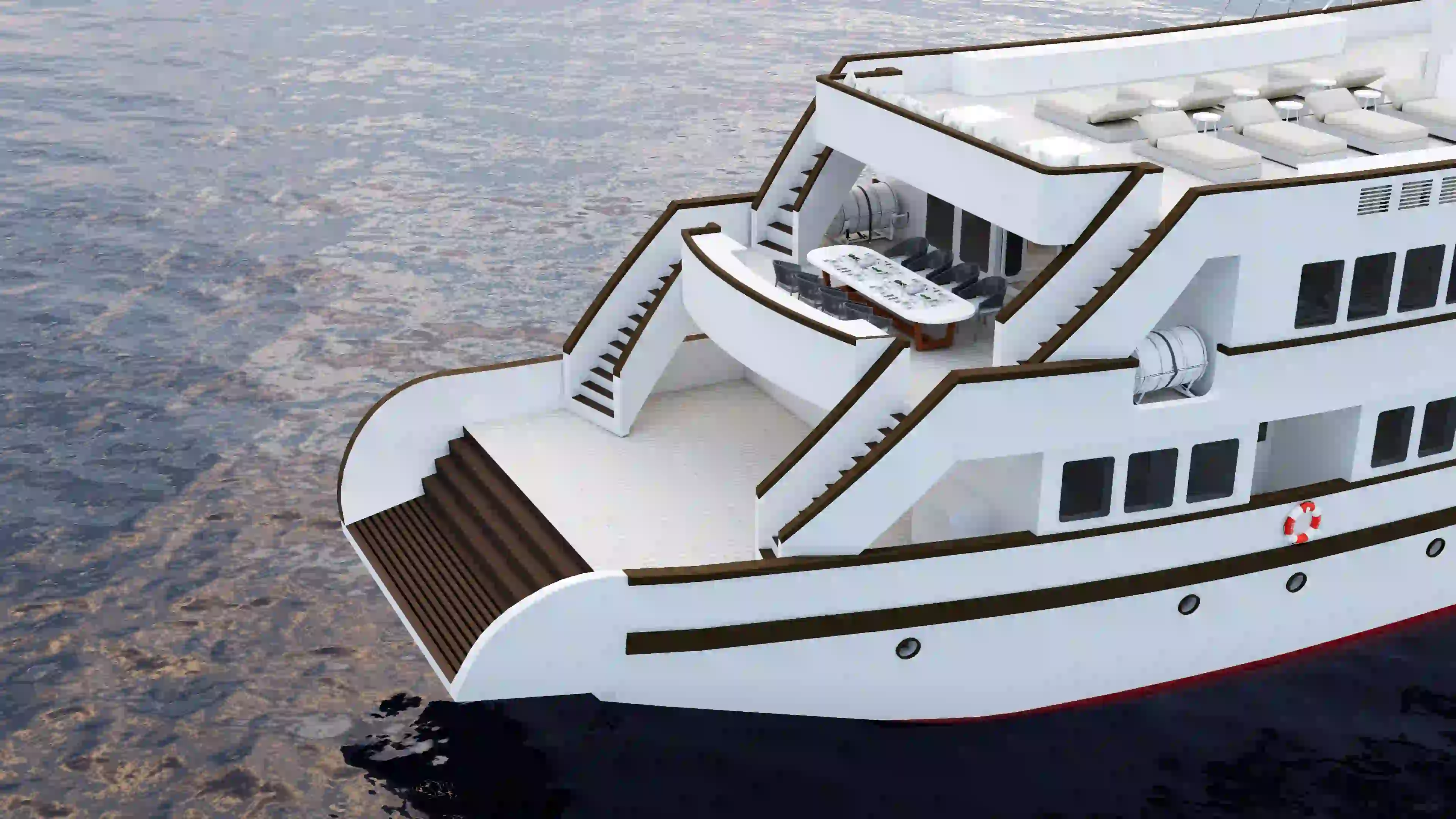
Modern yachts represent contemporary motorized vessels featuring steel or fiberglass construction, advanced navigation systems, powerful engines, and premium hotel-style accommodations. These purpose-built expedition yachts prioritize speed, fuel efficiency, and luxury comfort over traditional aesthetics.
Luxury yachts range from 40-120+ meters, accommodating similar passenger counts to phinisis (10-60 people depending on vessel) while providing superior space efficiency and premium amenities. These vessels feature climate-controlled cabins, high-speed stabilization systems, gourmet dining facilities, and recreational spaces exceeding phinisi counterparts.
Yachts operate exclusively under engine power, enabling precise scheduling, rapid repositioning between sites, and comfortable operation during unfavorable sea conditions. Modern navigation systems, weather forecasting, and communication technology provide technological advantages unavailable aboard traditional sailing vessels.
Cabin Quality and Space: Modern yachts typically offer larger cabins (20-30+ square meters) with premium furnishings, separate sitting areas, and high-end amenities. Phinisis provide characterful but often smaller cabins (12-18 square meters) with traditional décor. Yacht suites feature individual climate control; phinisi cabins sometimes rely on fans and open portholes.
Onboard Facilities: Yachts include spacious dining saloons, observation lounges, sun decks, and recreation areas. Phinisis feature more limited common areas due to traditional design constraints. Yacht bathrooms typically offer shower/tub combinations with consistent water pressure and temperature. Phinisi bathrooms are functional but often more compact and subject to water pressure variations.
Environmental Conditions: Yachts employ advanced stabilization systems and weather avoidance capabilities creating smoother journeys. Phinisis, particularly in heavy sea states, exhibit more noticeable motion. This reality particularly affects motion-sensitive passengers—yacht stabilization systems dramatically reduce seasickness incidence.
Food and Beverage Services: Luxury yachts feature professional chefs preparing gourmet meals incorporating international and Indonesian cuisine. Dining experiences rival shoreside restaurants. Phinisis provide excellent meals but with less dietary variety and simpler preparation methods reflecting vessel galley constraints.
Phinisi Atmosphere: Sailing aboard traditional phinisis evokes authentic maritime connection. Crew members maintain active sailing practices, demonstrating cultural traditions and seamanship techniques. Evening conversations on deck beneath swaying rigging create atmospheric experiences money cannot replicate. These vessels attract passengers valuing authentic adventure, maritime heritage, and cultural immersion over pure luxury.
Phinisi voyages emphasize process—passengers observe sailing maneuvers, assist crew during activities, and develop deeper appreciation for maritime skills. The slower pace aligns with exploratory mindset rather than destination-focused tourism. Many phinisi passengers describe experiences as transformative, fostering profound connections with ocean environments and maritime traditions.
Yacht Atmosphere: Modern yachts emphasize contemporary comfort and efficiency. Spacious decks, comfortable seating, and premium accommodations create resort-like environments. Crew focus on guest comfort and service excellence rather than traditional sailing practices. These vessels attract time-conscious professionals and luxury-focused travelers prioritizing comfort and convenience.
Yacht passengers enjoy maximized activities through rapid repositioning between sites. Multiple excursions daily, flexible scheduling, and premium onboard entertainment prioritize experience quantity and service quality. These attributes appeal to scheduled travelers and those combining luxury expectations with adventure elements.
Operational Efficiency: Yachts operate at constant 8-12 knot speeds regardless of wind or sea state, enabling precise scheduling and predictable itineraries. Phinisis vary significantly in speed depending on sailing conditions—sometimes achieving 6-8 knots under sail but requiring engine power for consistent progress in poor wind conditions.
Distance Coverage: Modern yachts readily reach distant sites, covering 20-30+ nautical miles daily. Phinisis typically manage 15-25 nautical miles daily, limiting distance coverage but allowing deeper immersion in each area. Yacht flexibility enables visiting multiple island groups; phinisi itineraries concentrate on core Komodo National Park areas.
Scheduling Challenges: Unpredictable wind affects phinisi scheduling, sometimes forcing itinerary modifications. Yacht schedules remain reliable unless extreme weather threatens safety. For passengers requiring rigid scheduling, yachts prove superior—phinisi passengers must embrace flexibility.
Base Pricing: Phinisis typically cost 20-40% less than comparable luxury yachts operating in Komodo. Budget-conscious travelers find phinisis offer exceptional value. However, cost differentials partially reflect reduced amenities, cabin size, and service sophistication rather than pure quality differences.
Value Per Day: Phinisi passengers often describe superior value appreciation despite lower costs—these vessels deliver atmosphere, authenticity, and cultural experiences luxury yachts cannot replicate despite premium pricing. Yacht passengers receive professional service, comfort, and efficiency justifying higher costs.
All-Inclusive Considerations: Both vessel types typically offer all-inclusive pricing covering meals, activities, and basic excursions. Premium activities (specialized dives, private island visits, photography-focused excursions) incur additional costs aboard both vessel types.
Safety Equipment and Protocols: Modern yachts typically exceed international maritime safety standards with advanced communication systems, medical facilities, and emergency equipment. Phinisis maintain required safety equipment but may operate under less stringent standards depending on flag registration and certification.
Crew Expertise: Yacht crews receive standardized training in hospitality, emergency procedures, and guest safety. Phinisi crews often possess deep maritime experience but vary in formalized safety training. Research crew qualifications and training documentation before booking phinisis.
Weather Resilience: Yachts navigate rough conditions more comfortably and safely. Phinisis may require activity modifications or itinerary changes in heavy weather. Consider typical seasonal conditions—wet season rougher seas favor yachts; dry season calm conditions suit phinisis equally well.
Dive Operations: Both vessel types support diving operations with similar quality. Dive platform efficiency proves roughly equivalent. Yachts typically organize slightly more dives daily due to superior repositioning capability. Phinisi environmental conditions occasionally limit diving comfort—rougher seas sometimes prevent secondary dives during inclement periods.
Snorkeling Operations: Both vessels provide excellent snorkeling infrastructure. Phinisi passenger counts sometimes create longer snorkeling group rotations. Yacht larger decks accommodate more simultaneous snorkeling preparation. Functionally, snorkeling quality matches between vessel types.
Water Activity Amenities: Yachts often provide water toys (jet skis, kayaks, paddleboards) enhancing experience variety. Phinisis typically feature simpler water recreational options. If diverse water activities appeal, yachts offer additional options.
Choose Phinisi if: You value authentic maritime experiences, cultural immersion, and atmospheric journey elements. You prioritize sailing tradition, want slower-paced exploration, and embrace flexibility regarding schedules. Budget constraints influence decisions. You appreciate unique heritage vessels and desire experiences diverging from conventional luxury tourism.
Choose Yacht if: Comfort and consistent amenities rank paramount. You require reliable schedules with minimal weather-related modifications. Premium dining and spacious accommodations matter significantly. You prefer contemporary efficiency over traditional character. You’re motion-sensitive and require advanced stabilization systems.
Book your Komodo boat charter with transparent communication regarding vessel type, specific amenities, and realistic expectations. Request comparative brochures, passenger reviews, and detailed specifications before committing. Both vessel types deliver extraordinary Komodo experiences—matching vessel selection with personal priorities ensures maximum satisfaction.
Both vessel types provide comparable diving quality with similar infrastructure and qualified instructors. Yachts enable slightly more daily dives through superior repositioning; phinisis concentrate diving in specific areas. Diving experience quality depends more on dive guides and site conditions than vessel type. Select based on diving frequency preferences rather than vessel choice.
Phinisi vessels offer unique aesthetic opportunities—traditional sailing rigging, authentic crew activities, and atmospheric deck moments create distinctive photographic subjects. However, yachts provide superior deck space, access, and stability for photography work. Both accommodate serious photographers; phinisis offer aesthetic advantages while yachts offer operational convenience.
Modern yachts with advanced stabilization systems navigate rough seas more comfortably. Phinisis are capable and safe but exhibit more noticeable motion during heavy sea states. If prone to motion sickness or traveling during rougher months (December-February), yachts prove superior. During calm seasons (May-September), both operate similarly.
Authentic phinisis regularly utilize sails when conditions permit. You’ll experience actual sailing operations—crew raising sails, trimming rigging, and adjusting course. However, modern phinisis sometimes motor primarily, particularly on tight schedules. Confirm sailing frequency during booking if experiencing authentic sailing remains important to you.