Last updated: August 16, 2026
The split is geographic, not technical. British and Australian travellers ask about boat hire — the same verb they would use for a car or a wedding marquee. Americans default to boat rental, on rental-car logic. The industry itself, including every office on the Labuan Bajo waterfront, uses charter, because chartering has a precise meaning: engaging an entire vessel together with its crew for an agreed route and period. After years of answering enquiries from this harbour, we can tell you the traveller typing “komodo boat rental” at midnight and the one requesting a “private charter” by email want exactly the same morning — their own boat, their own itinerary, nobody else’s timetable.
The word that carries a genuine distinction is trip, or tour. A trip is a scheduled product: the boat sails on a fixed date, along a fixed route, and you buy seats on it. It is how solo travellers and couples keep costs sensible, and it is a perfectly good product — but it is not hire. If the departure date, the route, and your fellow passengers are already decided, you have bought a tour. We have set out the trade-offs plainly in our private versus shared trip comparison; the short version is that groups of four or more almost always do better chartering the whole boat, while solo travellers usually should not.
Once you start comparing vessels, a second vocabulary problem appears. Operators use boat words loosely, and loose words produce mismatched expectations at the jetty. Here is how the terms are used correctly — and how we use them on this site:
We keep a full side-by-side in our Komodo boat types comparison, with honest notes on where each hull earns its keep. One boundary worth respecting: if your holiday is built around dive decks rather than dragons and beaches, charter a dedicated dive vessel rather than asking a cruising boat to improvise — the itineraries at Komodo Island Liveaboard are structured around dive sites first, which is exactly as it should be.
The process is simpler than most first-timers expect, and it runs the same whether you call it hire, rental, or charter.
First, fix the shape of the trip. The core decision is day hire versus overnight. A Komodo day trip by speedboat covers the headline sites — Padar’s ridgeline, the pink sand, the dragons — between breakfast and dinner. An overnight charter trades speed for depth: sunrise at anchor, empty trails before the day boats arrive, and bioluminescence off the stern after dark.
Second, match the vessel to the group. A honeymoon couple, a family of six, and twelve divers need three different boats. Tell the operator who is coming, including ages, and let them steer you; a good office will talk you out of the wrong vessel.
Third, get an itemised written quote. Every serious operator in this harbour will put the route, the vessel name, and the inclusions in writing. Anything vague at this stage stays vague on board. Our charter prices guide explains how quotes are structured and what moves the number, so you can read one intelligently.
Fourth, confirm with a deposit and a contract naming the legal entity you are paying — a detail that matters more here than travellers assume. Komodo Luxury has published a practical guide on how to avoid Komodo tour scams, and its first lesson is exactly this: verify the company, not the Instagram account.
Less than you fear. A passport copy for each guest — children included — is required for national park permits, which your operator arranges. No boating licence, no sailing qualification, no maritime paperwork of any kind: the crew holds the licences, which is the entire point of a crewed charter. One deadline is real, though. Since April 1, 2026, the park has capped entries at 1,000 visitors per day, and permits are issued for a named date. In July and August the sensible move is to lock your permit date when you confirm the boat. The full permit structure — entrance, trekking, ranger escort — is broken down in our Komodo National Park fees guide.
Convention in this harbour is consistent. Included: the full crew, fuel for the agreed route, meals cooked aboard, drinking water, snorkelling equipment, and cabin linen on overnight vessels. Priced separately, almost universally: national park and ranger fees, alcohol, scuba equipment, and crew gratuities. If a quote is silent on any of these, ask before you pay — a professional operator answers in one email without flinching.
Families are the clearest case for private hire we know. On a shared tour, the timetable belongs to the group; on your own boat, it belongs to you. A toddler’s nap moves the Padar climb to late afternoon — done. A seasick eight-year-old needs the calm side of an island for an hour — the captain simply goes there. Indonesian crews are famously good with children, and on our vessels the deckhands function as an extra set of eyes near the rails without being asked.
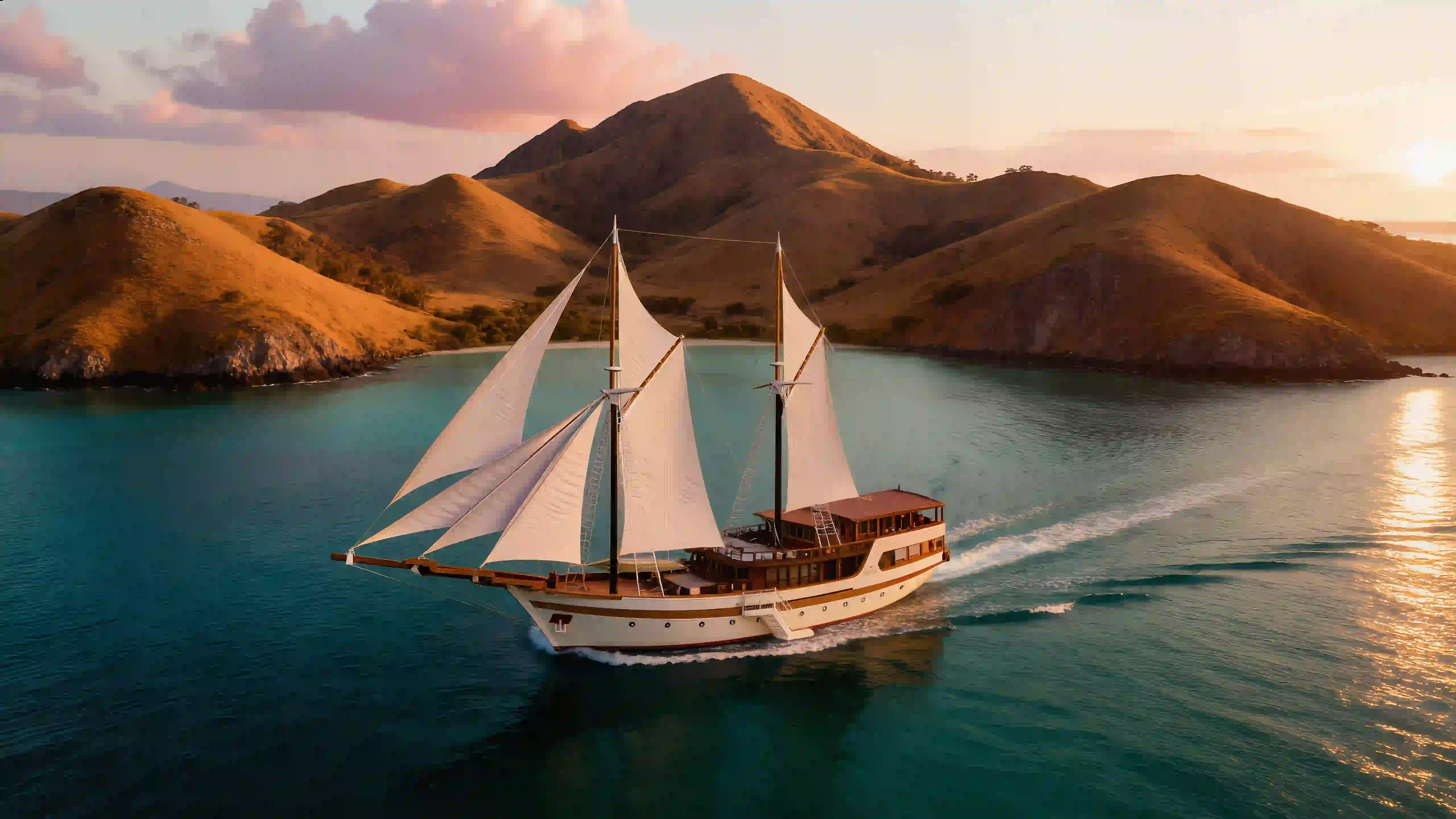
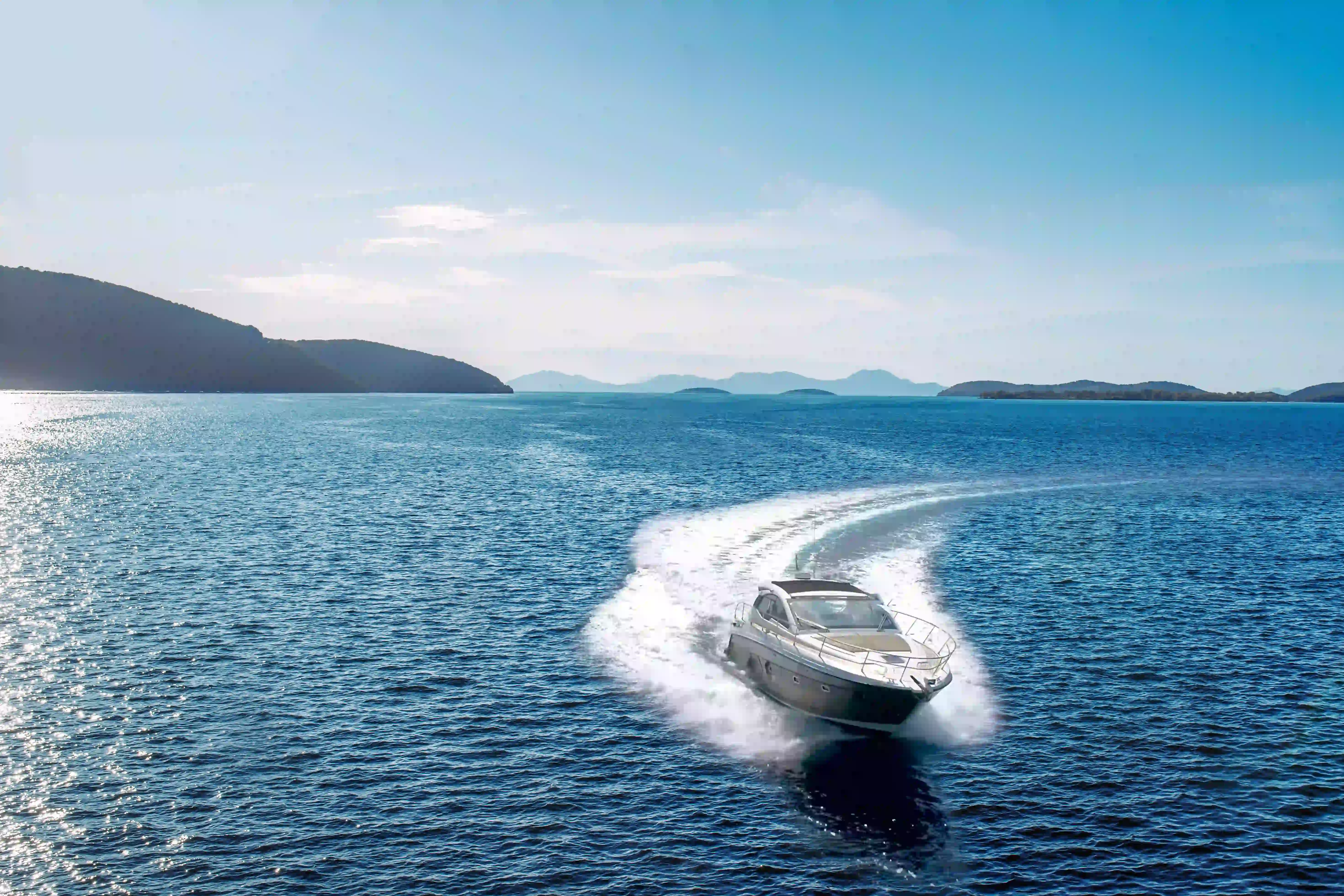
Vessel choice follows the children’s ages. Families with under-fives generally do best on a fast day boat like our speedboat Raja Hari — home by evening, no cabin logistics. Families with school-age kids tend to remember the overnight phinisi — aboard Mawar Biru, the deck itself becomes the entertainment — while multi-generation groups gravitate to the yacht Aurora, where grandparents get air-conditioned comfort and everyone else gets the sea. We have collected family-specific itineraries and cabin advice in our private Komodo boat charter guide.
Komodo sails year-round, with two distinct characters. April through November is the dry season: reliable sun, calm seas, and the long golden light photographers cross oceans for. November through March brings rain in bursts and richer, plankton-fed water — which is precisely why it is manta season, when the big rays gather at the cleaning stations in numbers the dry months rarely match. Neither season is wrong; they are different trips.
On current conditions, the plain facts: on August 15, 2026, a magnitude 7.7 earthquake struck roughly 200 kilometres offshore. The recorded wave reached 0.36 metres — no destructive tsunami — and sailings from Labuan Bajo operated the same day. The harbour, the fleet, and the park have run normally since. That is the kind of question you should always be able to ask an operator directly and get a dated, specific answer, which is why we publish one.
This site is run from Labuan Bajo, not from a reseller’s desk abroad, and is operated in partnership with Komodo Luxury — a registered Indonesian PT under Juara Holding Group Limited with 1,500+ verified guest reviews (4.9/5). Between the vessels named on this page and the wider fleet — including Lamborajo, Ayvara, and Malca — we have watched every kind of hire succeed and a few fail, and the failures almost always trace back to a word misunderstood at booking. If any term on this page still feels ambiguous for your dates or your group, our charter FAQ answers the questions we hear most from the jetty, in the same plain language.
the full charter hub once you know the terms
Exploreper-day and per-person math, worked through
Exploreformats from one day to 4D3N
Exploreand every other hull term, in plain English
Explorethe cheapest private day-hire format
ExploreYes. Hire (UK/Australian usage), rental (American usage), and charter (the maritime industry term) all describe the same product in Komodo: exclusive use of a crewed vessel sailing from Labuan Bajo, with captain, crew, and fuel included. The only genuinely different product is a trip or tour, where you buy seats on a boat sailing a fixed date and route.
No. There is no bareboat rental in Komodo National Park — every legitimate charter comes with a licensed Indonesian captain and crew who hold all required maritime paperwork. Guests need nothing beyond a passport copy for park permits, which the operator arranges.
A passport copy for each guest, including children, which your operator uses to arrange national park permits. Since April 1, 2026 the park caps entries at 1,000 visitors per day and permits are issued for a named date, so it is wise to lock your permit date when you confirm the boat, especially for July and August.
By harbour convention: the full crew, fuel for the agreed route, meals cooked aboard, drinking water, snorkelling equipment, and cabin linen on overnight vessels. Priced separately in almost every quote: national park and ranger fees, alcohol, scuba equipment, and crew gratuities. Ask for an itemised written quote before paying a deposit.
For groups of four or more, usually yes. A private charter puts the timetable in your hands — nap times, seasickness detours, and slow mornings are simply absorbed by the itinerary. Vessel choice follows the children’s ages: fast day boats suit under-fives, overnight phinisi suit school-age kids, and yachts suit multi-generation groups.
Yes. The magnitude 7.7 earthquake on August 15, 2026 struck roughly 200 kilometres offshore; the recorded wave reached 0.36 metres with no destructive tsunami, and sailings from Labuan Bajo operated the same day. The harbour, fleet, and national park have run normally since.