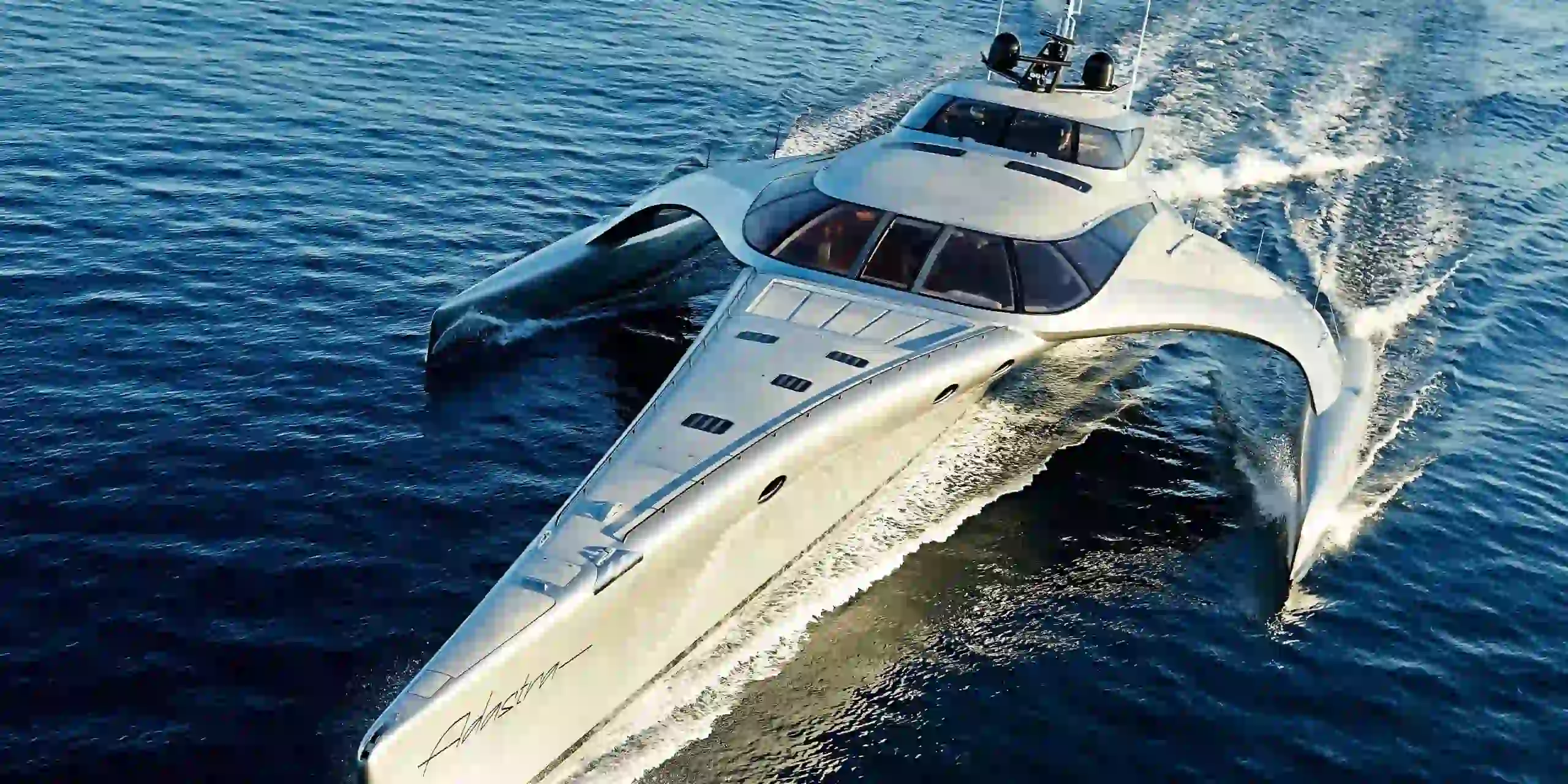
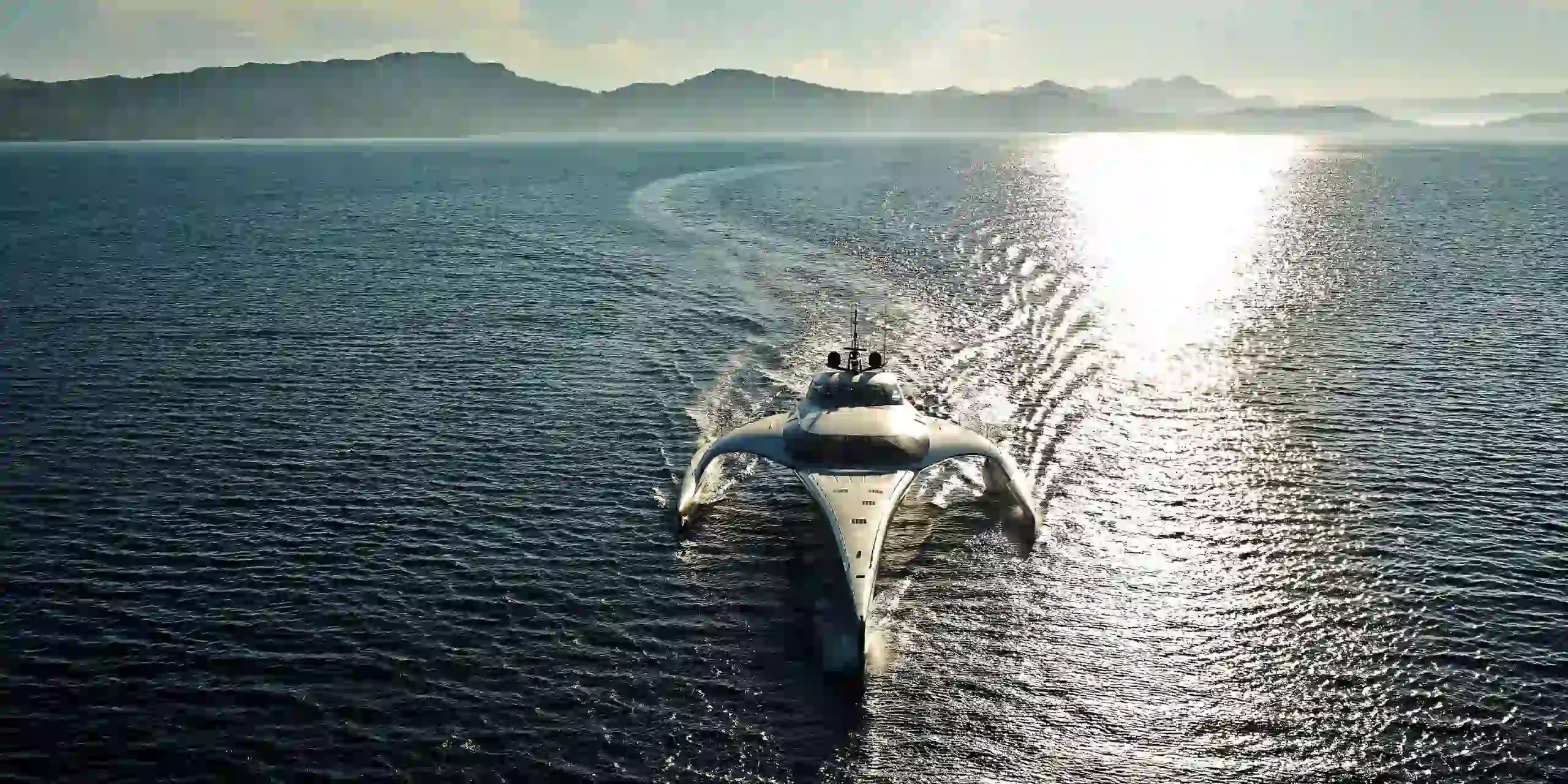
Last updated: August 16, 2026 Stability-first travellers can book a catamaran charter Komodo departure with shallow-draft access.
The scarcity is not a marketing line; it is boatbuilding history. Flores sits next door to Sulawesi, where the shipwrights of Bulukumba have built phinisi — traditional two-masted wooden ships — for generations. When Labuan Bajo’s charter industry took off, owners commissioned what the region knew how to build, crew, and repair. A phinisi can be hauled out and refitted locally; a production catamaran must be imported, and every spare part arrives the same way. Add the absence of a full-service marina, and you understand why twin hulls remain a small fraction of the harbour.
For travellers, the practical consequence is simple. A phinisi charter can sometimes be arranged at short notice outside the peak months. A catamaran cannot. The few that operate here run tight calendars, and the popular dry-season weeks are typically committed long before the season opens. If a catamaran is a requirement rather than a preference — and for some families it genuinely is — treat it as the first thing you lock in, before flights and before hotels.
We run both hull types, including our own phinisi Mawar Biru, so this comparison comes from operating trips side by side, not from a brochure. The full matrix lives in our Komodo boat types comparison; here is the short, honest version.
A catamaran’s beam is its superpower. Where a single hull rolls through swell, two hulls bridge it, and the difference shows most in the channels between islands. The Linta Strait can kick up a sharp chop when tide runs against wind, and that crossing is precisely where guests decide whether they love or regret their boat choice. At anchor the gap widens further: a catamaran barely registers passing wakes, which is why light sleepers and parents of toddlers thank us at breakfast.
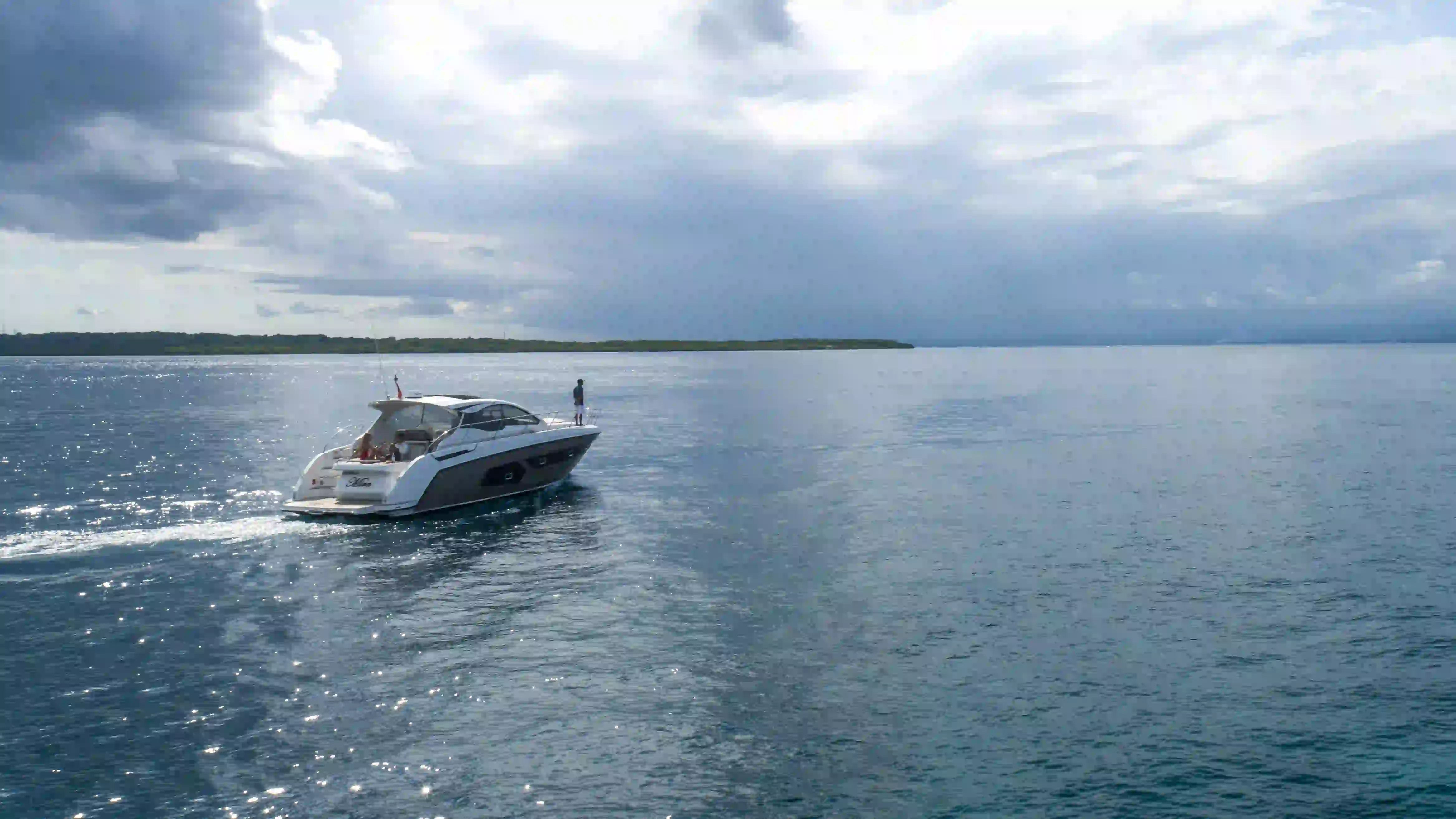
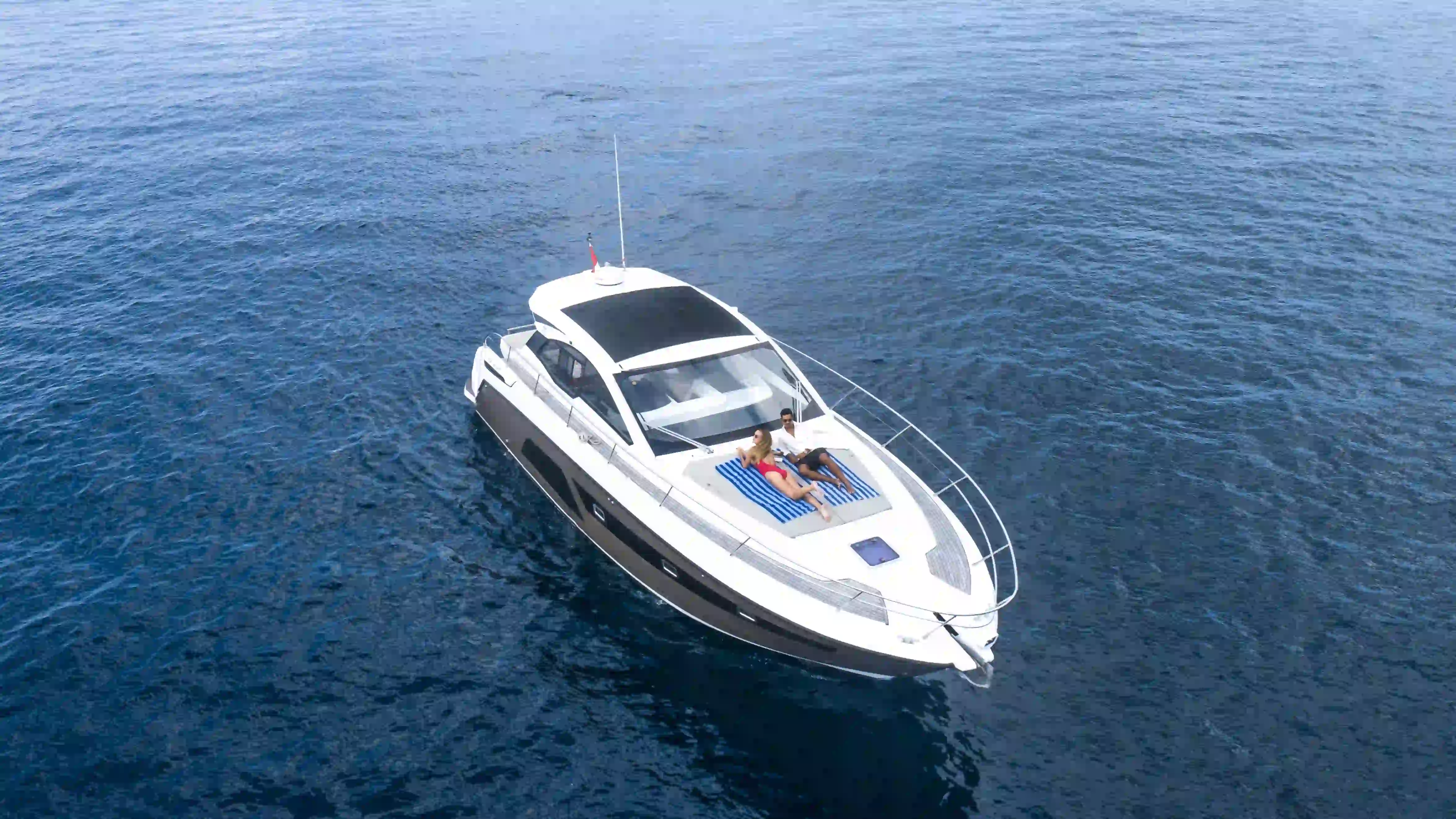
Catamarans live on one level. Saloon, galley, and cockpit flow together, the foredeck trampolines are the best seats in the national park, and nobody climbs a steep companionway ladder with a plate in one hand. Shallow draft is the quieter advantage: twin hulls can anchor closer to beaches and reef edges, which shortens every dinghy run. For guests with limited mobility, that flat, wide deck is often the deciding factor on its own.
Here the phinisi wins, and we will not pretend otherwise. Ironwood decks, towering masts, a silhouette that belongs in these waters — a phinisi is a piece of Indonesian maritime culture you live aboard for a few days. A catamaran is a superbly engineered platform. Which matters more to you is a personal call, and it is the honest fork in the road between the two.
After years of matching guests to hulls, the pattern is consistent. Choose a catamaran if any of these describe your group:
All of these groups tend to take the whole vessel. A private Komodo boat charter — the entire boat and its crew, your itinerary, your pace — is how nearly every catamaran in the park is sold. Shared, scheduled trips aboard catamarans are rare here; the hulls are too few to run them.
Two to three nights is the sweet spot. A typical loop: board at midday in Labuan Bajo, swim off Kelor’s ridge-backed islet, then sleep in a sheltered bay so you can climb Padar’s viewpoint at first light, before the day boats arrive. From there the days stack up naturally — Pink Beach, a ranger-guided dragon walk at Loh Liang, an afternoon drift at Manta Point, and the absurd little sandbar of Taka Makassar when the tide behaves.
Two planning realities shape every itinerary. First, since 1 April 2026 the national park caps entry at 1,000 visitors per day, so permits are arranged before you sail, not negotiated at a gate; our guide to Komodo National Park fees explains exactly what is paid and when. Second, a sailing catamaran cruises slower than a fast day boat. If you only have one day, a speedboat such as our Raja Hari covers the headline sites far more efficiently. A catamaran rewards guests who stay overnight and let the park empty out each evening — that is the product, and it is a different one.
The dry season runs April through November: calm seas, dependable sun, savanna hills fading to gold. This is when most charters sail and when the anchorages are at their gentlest. From November to March the weather turns wetter and the seas livelier — and, not coincidentally, this is manta season, when plankton-rich water draws the largest aggregations of reef mantas to the park’s cleaning stations. It is also when the catamaran argument is strongest. The same crossing that feels sporty on one hull stays civilised on two, and the thinner crowds of the wet months make Komodo feel like it belongs to you.
A word on August 2026, because guests ask. The magnitude-7.7 earthquake of 15 August struck roughly 200 kilometres offshore, produced no destructive tsunami — the recorded wave was 0.36 metres — and sailings in the park operated the same day. Komodo’s charter routes thread between sheltering islands, and the fleet’s safety protocols worked exactly as designed.
Boat language in Labuan Bajo is loose, and loose language costs travellers money. Three distinctions are worth keeping sharp. A yacht is a luxury crewed private vessel — if finished interiors and white-glove service are the priority, our yacht Aurora belongs in that conversation, not the catamaran one. A catamaran is defined by its two hulls, not by its luxury level; you are choosing physics first. A liveaboard is any vessel you sleep aboard on a multi-day itinerary — most Komodo phinisi and catamaran charters qualify — though in diving circles the word usually means a dedicated dive vessel: tanks, a compressor, dive guides, and an itinerary built around sites and currents rather than beaches.
If diving is the core of your trip, charter a dedicated dive boat rather than asking a sailing catamaran to improvise. The Komodo liveaboard fleet run by our partner spans both ends of that spectrum — from luxury phinisi cruising to dive-focused itineraries — and this independent Komodo liveaboard overview is a sound primer on how multi-day itineraries are structured. Our catamaran and yacht charters are operated in partnership with Komodo Luxury — a registered Indonesian PT under Juara Holding Group Limited with 1,500+ verified guest reviews (4.9/5) — whose Lamborajo, Ayvara, and Malca fleets anchor the modern end of the harbour. That partnership is why we can be blunt about which hull fits which guest: we are not defending a single boat.
Whether you call it a charter, a boat hire, or a rental, the meaning here is identical: the whole vessel and its crew, exclusively yours. What differs with a catamaran is the clock. Scarce hulls plus the park’s daily visitor cap mean two separate calendars have to line up — the boat’s and the park’s — and both fill from the peak weeks outward. Fix your dates early, especially for July, August, and the year-end holidays, and be flexible by a day or two if you can; that flexibility is often what turns a “fully committed” reply into a confirmed trip.
We keep this page free of numbers deliberately, because pricing moves with vessel, season, and route, and a stale figure helps nobody. For the questions we answer every day — deposits, weather policy, children aboard, what happens if conditions change — start with our Komodo boat charter FAQ, then bring us your group and your dates. We will tell you honestly whether a catamaran, a phinisi, or a yacht serves them best — and if the right answer is not a catamaran, we will say so.
It depends on your priority. A catamaran is markedly more stable and easier to move around, which suits families, older guests, and anyone prone to seasickness. A phinisi is a traditional Bulukumba-built wooden ship with far more character and history. For motion comfort choose the catamaran; for romance and tradition choose the phinisi.
Yes. Twin hulls resist roll far better than a single hull, both underway in the island channels and at anchor overnight. They do not eliminate motion entirely, but for guests with a seasickness history a catamaran is the most comfortable charter platform available in the park.
Months ahead, not weeks. Catamarans are a small fraction of the Labuan Bajo fleet and their calendars fill from the peak dry-season weeks outward. The park’s 1,000-visitor daily cap, in force since 1 April 2026, adds a second calendar that must line up with the boat’s, so early planning matters twice.
Sailing catamarans cruise slower than fast day boats, so they suit overnight itineraries rather than one-day dashes. If you only have a single day, a speedboat such as Raja Hari covers Padar, Pink Beach, and the dragon walks far more efficiently. A catamaran rewards guests who stay two to three nights.
Yes. The magnitude-7.7 earthquake on 15 August 2026 struck about 200 km offshore and produced no destructive tsunami — the recorded wave was 0.36 metres. Sailings in the park operated the same day, and charter routes run between sheltering islands under established safety protocols.
April to November brings dry weather and calm seas and is the most popular window. November to March is manta season, when plankton-rich water draws large aggregations of reef mantas; seas are livelier then, which is exactly when a catamaran’s stability is most valuable.