Where do you see Komodo dragons?
Komodo Island stands as one of the world’s most extraordinary natural wonders, a place where prehistoric creatures still roam and ancient landscapes remain largely unchanged for millennia. Located in the heart of Indonesia’s Lesser Sunda Islands, this remarkable destination offers a profound connection to nature that few places on Earth can rival. Our guided expeditions to Komodo Island represent the pinnacle of wildlife adventure combined with unparalleled comfort and safety standards.
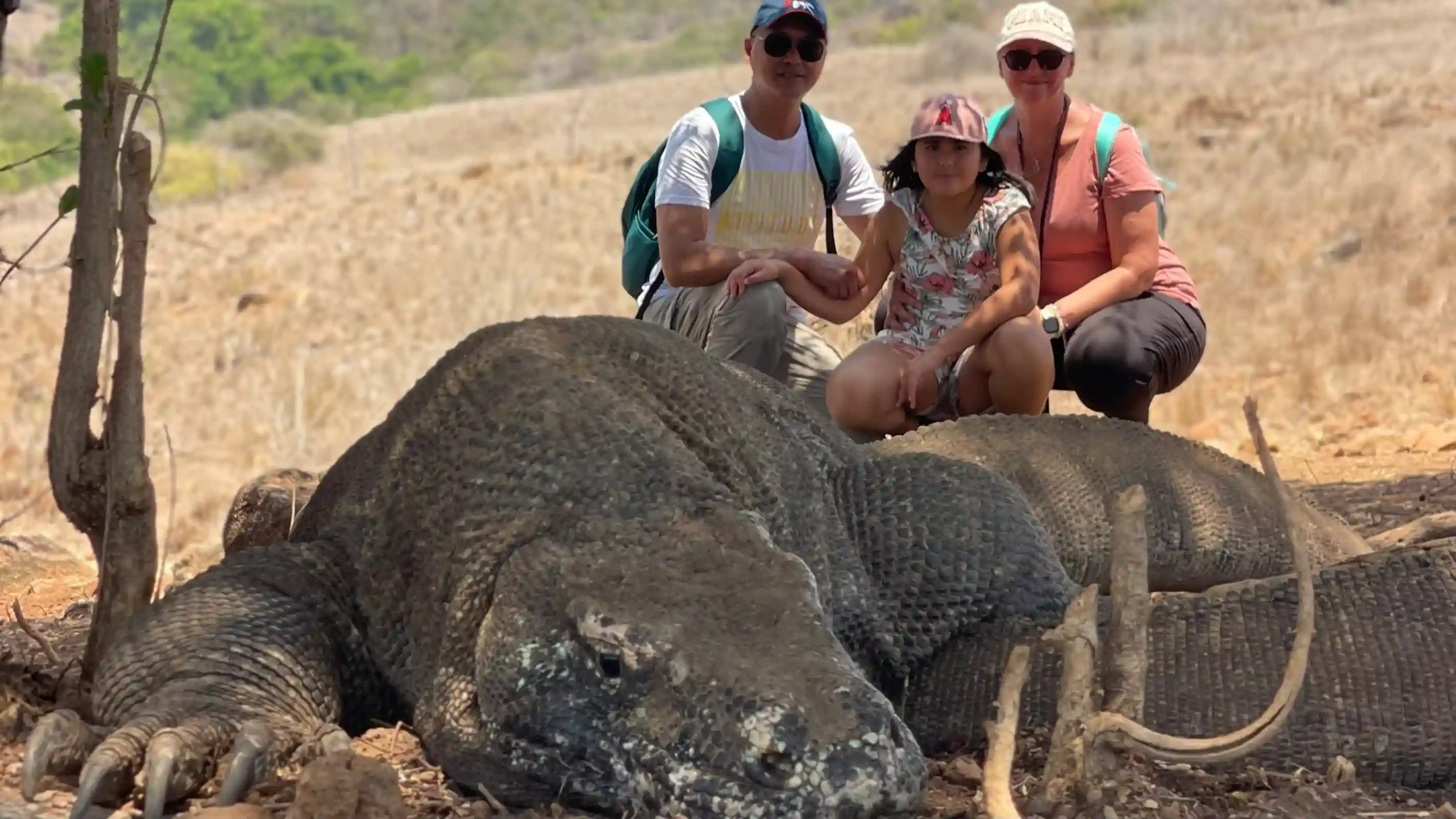
The Komodo dragon, world’s largest living lizard, has captivated scientists and adventurers since their discovery in 1910. These magnificent creatures, weighing up to 150 kilograms and measuring over three meters in length, represent a living link to prehistoric times. Encountering these apex predators in their natural habitat is an experience that transcends ordinary travel—it’s a journey into evolutionary history. Our experienced ranger guides, trained by Komodo National Park authorities, lead carefully planned treks ensuring both your safety and respect for these endangered species.
Each dragon possesses distinct personality traits and territorial patterns studied extensively by park biologists. During your trek, your guide shares fascinating insights into their hunting behavior, social structures, and the conservation efforts protecting them from extinction. Photography enthusiasts will find endless opportunities to capture these magnificent beings in their natural setting, from dramatic confrontations to quiet moments of rest.
In 1991, Komodo National Park received UNESCO World Heritage status, recognizing its exceptional universal value. This designation encompasses approximately 603,500 hectares of pristine landscape, protecting not only the dragons but an entire ecosystem of remarkable biodiversity. Alongside the dragons, you’ll encounter endemic bird species, wild boar, water buffalo, and numerous reptiles found nowhere else on Earth.
The park’s three main islands—Komodo, Rinca, and Flores—create a perfect trifecta for comprehensive exploration. Each island offers distinct ecological characteristics and wildlife viewing opportunities. Our multi-day charters strategically visit these locations, maximizing your chances of meaningful wildlife encounters while maintaining sustainable tourism practices that protect this irreplaceable environment.
Safety is paramount when hiking in dragon territory. All park-authorized guides carry wooden Y-shaped staffs, not as weapons but as defensive tools should a dragon become aggressive—though such incidents are extraordinarily rare with proper protocols. You’ll hike in groups of six to eight people, maintaining distances of at least five meters from any dragon. Your guide reads dragon behavior constantly, identifying signs of stress or territorial aggression, adjusting your route accordingly.
The trekking experience typically spans 1.5 to 2 hours, covering terrain ranging from coastal flats to hillside ridges. Moderate fitness level is recommended, though the pace accommodates various abilities. We provide detailed pre-trek briefings, explaining dragon behavior, trail etiquette, and photographic best practices. Most importantly, we emphasize that dragons are not aggressive toward humans—they’re indifferent to us, primarily focused on their own survival and territorial concerns.
Komodo’s ranger guides represent generations of ecological knowledge combined with modern conservation training. These dedicated professionals have spent years studying dragon behavior, plant species, geological formations, and seasonal patterns. They’re not merely pointing out attractions; they’re sharing a deep understanding of ecological relationships and natural processes that shaped this unique environment.
Ranger guides speak multiple languages and possess infectious enthusiasm for their homeland. They explain the delicate balance maintaining the ecosystem, from the role of dragons as apex predators to the importance of vegetation in stabilizing slopes and preventing erosion. Many rangers come from local communities adjacent to the park, embodying a personal connection to these lands and creatures their families have known for generations.
Komodo experiences a tropical climate with two distinct seasons. The dry season (April to December) offers optimal trekking conditions with lower humidity, excellent visibility, and calm seas. May through September represents peak season, with particularly stable weather and ideal diving conditions. The wet season (January to March) brings occasional rain and rougher seas, though wildlife activity intensifies during these months.
The cooler dry season months of July and August are most comfortable for extensive trekking. However, strategic planning allows exceptional experiences year-round. Our experienced crew plans itineraries based on current conditions, positioning you for the best possible encounters and comfort levels regardless of season.
Komodo presents extraordinary photography opportunities. Wide-angle lenses capture the dramatic landscape context, while telephoto lenses (200mm+) allow respectful distance from dragons. Early morning and late afternoon provide soft, directional light ideal for wildlife photography. Bring at least 128GB of high-speed memory cards—dragon moments happen quickly, and you’ll want to capture them in full resolution.
Consider composition principles: position yourself lower than the dragon when possible, creating a more dramatic perspective. Watch for behavioral moments—dragons drinking, yawning, or hunting—these reveal personality and ecological relationships. Patience often yields the best results; allow dragons to move naturally rather than forcing shots from every angle.
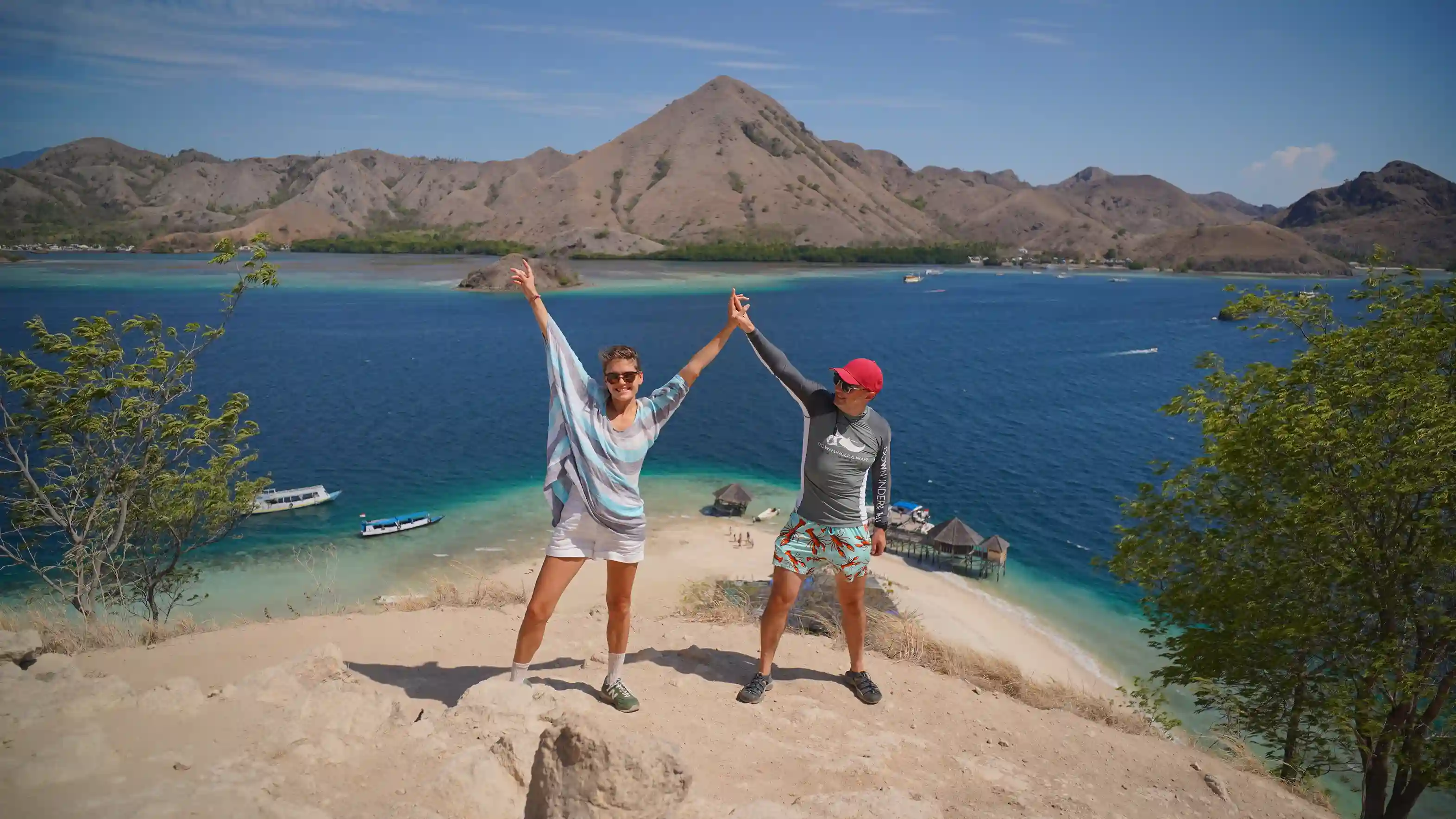
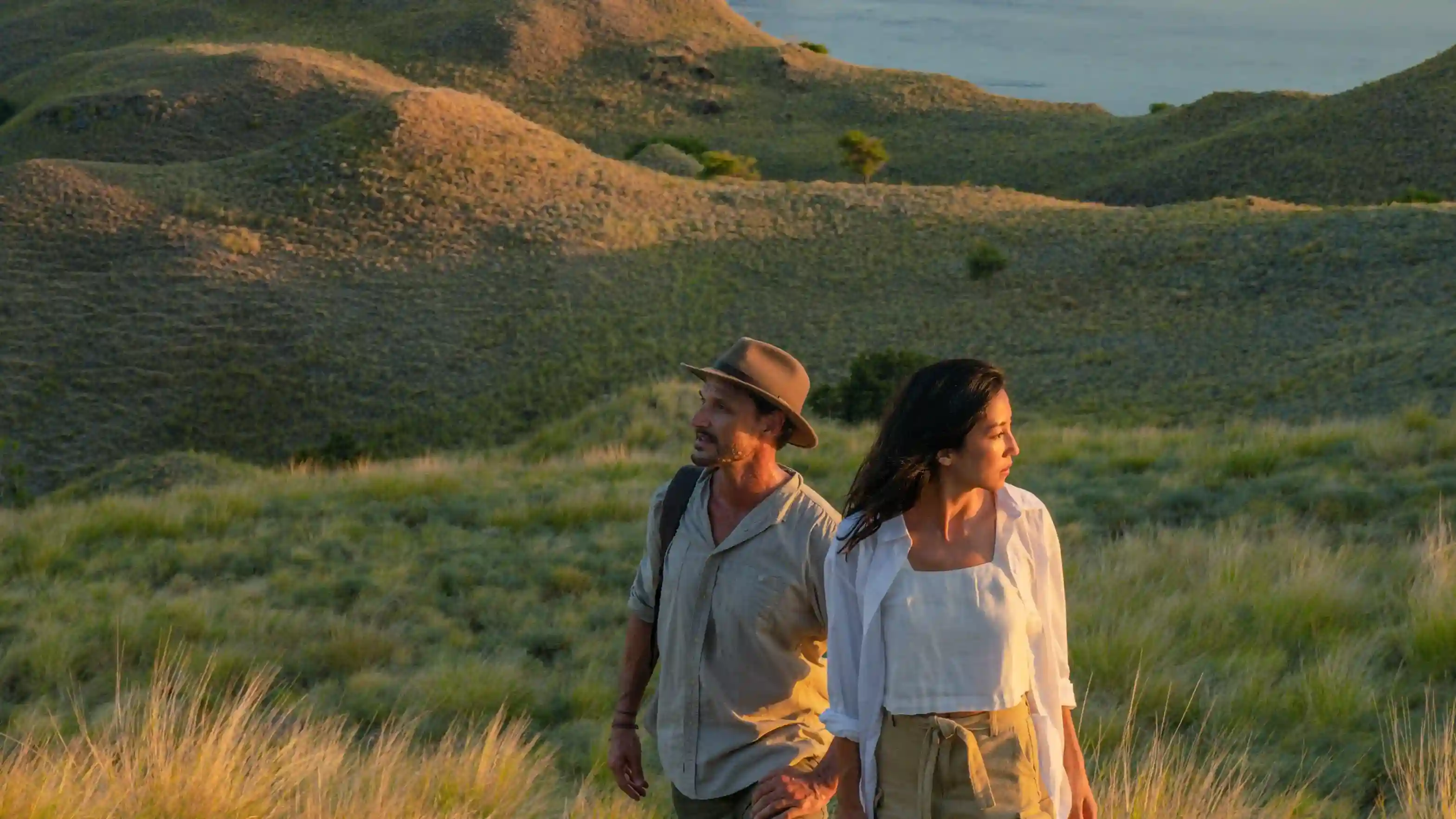
While dragon trekking is Komodo’s signature experience, the island offers much more. Volcanic geology shapes the landscape, with ancient lava flows creating dramatic ridges and valleys. Endemic bird species populate the dry forests. Coastal caves hint at human habitation stretching back millennia. The panoramic summit views from Komodo’s highlands span three islands and the surrounding waters.
Our charter packages combine dragon trekking with cultural interactions, sunset viewings, traditional fishing village visits, and coastal exploration. This holistic approach ensures you experience Komodo as more than a wildlife checklist destination—you leave with genuine understanding of its ecological, geological, and cultural significance.
Komodo National Park faces ongoing conservation challenges, from climate change impacts to tourism pressure. Our commitment to responsible tourism means a portion of charter revenues support park maintenance, ranger training, and research initiatives. We maintain strict group sizes, follow designated trails exclusively, and respect seasonal restrictions protecting sensitive breeding areas.
By booking with us, you’re directly contributing to dragon conservation. Park fees, guide payments, and operational costs fund the infrastructure protecting these creatures for future generations. Responsible tourism isn’t merely ethical—it’s essential for the long-term survival of Komodo’s extraordinary biodiversity.
Komodo Island lies approximately 35 kilometers east of Labuan Bajo, accessible via scenic boat journey lasting 1.5 to 2 hours depending on sea conditions. Our charter operations depart Labuan Bajo harbor daily, with multiple departure times accommodating various itineraries. Whether setting out on a 4-day adventure or extended 7-day exploration, Komodo Island anchors exceptional experiences combining natural wonder, wildlife adventure, and deep ecological engagement.
The journey itself offers transition time, allowing you to gradually shift from everyday consciousness into the immersive experience awaiting you. Many guests report that the boat passage creates anticipation, deepening their appreciation for what they’re about to encounter.
Komodo dragons show minimal interest in humans. Deaths are extraordinarily rare—fewer than one per decade across millions of annual visitors. Park protocols maintain safe distances, and guide expertise virtually eliminates risk. Thousands of people safely trek with dragons annually.
Dragons are active year-round. Dry season (May-September) offers easier hiking conditions. Early morning treks often yield more dragon sightings as they begin daily activities. However, your guide’s expertise in reading current conditions is more important than season alone.
Park regulations require all visitors to trek with official guides. This requirement protects both humans and dragons. Our charters include these certified guides, ensuring safe, knowledgeable experiences while supporting park conservation efforts.
Treks involve hiking 1.5-2 hours over moderate terrain. Reasonable fitness helps but isn’t essential—we adjust pace to group capabilities. Bring water, wear sturdy hiking boots, and use sun protection. Most participants of varying ages complete treks comfortably.
Essential items include sturdy hiking boots, hat, sunscreen (SPF 50+), water (2+ liters), light layers, and a camera. Avoid bright colors and loose clothing; neutral earth tones are best. We provide detailed packing lists before departure.
This varies by season and specific island. Rinca typically offers higher encounter rates than Komodo. We’re honest about probabilities—while we guide strategically to maximize sightings, nature remains unpredictable. Even without dragons, the landscape, birds, and overall experience are profoundly rewarding.
Komodo Island is accessible exclusively by boat from Labuan Bajo, Flores. There are no airstrips, roads, or ferry services to the island — boat charter is the only means of access, which is precisely what preserves its wilderness character. The journey from Labuan Bajo takes 3–4 hours by speedboat or 5–8 hours by traditional phinisi. Most itineraries include Komodo Island as part of a multi-day charter that also visits Rinca Island (Komodo dragons), Padar Island (panoramic viewpoint), and the park’s snorkeling sites.
Komodo Island offers three distinct trekking routes, all guided by licensed park rangers:
Short Trek (1–2 km, 45 minutes): Follows a circular route through the savanna and dry forest near Loh Liang ranger station. Suitable for all fitness levels and ages 5+. This trail reliably encounters 2–5 Komodo dragons in the wild. Ideal for families, older guests, and those with limited time.
Medium Trek (2–4 km, 1.5–2 hours): Penetrates deeper into Komodo Island’s interior savanna ecosystem, following seasonal river beds where dragons concentrate to drink and ambush prey. Higher chance of observing hunting behavior. Moderate fitness required.
Long Trek (5–8 km, 3–4 hours): Traverses Komodo Island from the coastal ranger station through dry monsoon forest to interior ridgelines with panoramic views of the surrounding islands. Demanding in heat — start by 7 AM. Experienced wildlife guides recommend this trail for the highest probability of observing multiple adult Komodo dragons in undisturbed natural behavior. Good fitness required.
Komodo Island’s ecosystem supports remarkable biodiversity beyond its famous apex predator. Water buffalo (introduced historically by inhabitants) roam the savanna in herds of 5–20 — their relationship with Komodo dragons (as primary prey) creates the classic savanna wildlife dynamic that rangers explain during treks. Timor deer (another primary dragon prey species), wild horses on the island’s northern beaches, cockatoos in the forest canopy, and Komodo rat snakes (non-venomous but impressive at 2+ meters) all share the island. Offshore, the waters around Komodo Island are some of the richest in the park for diving and snorkeling.
A minimum of 3 hours is needed for a short trek and basic exploration. A full morning (4–5 hours) allows for a medium trek plus time at the beach and snorkeling in the bay. A full day gives access to the long trek and afternoon snorkeling. Most charter itineraries allocate a morning to Komodo Island, visiting Rinca Island on a different day for the second dragon encounter.
No — there is no tourist accommodation on Komodo Island. The island is managed exclusively for day visits from charter boats. This is part of what makes the experience so preserved — the island has no shops, hotels, or restaurants, only the ranger station. Your charter vessel is your accommodation, anchored in the protected bay while you trek.
No tourist accommodation exists on Komodo Island — access is exclusively for day visits from charter boats. The island has no shops, hotels, or restaurants, only the ranger station. Your charter vessel serves as accommodation, anchored in the protected bay. This preservation of the island’s wilderness character is fundamental to the Komodo experience.
A minimum of 3 hours allows a short trek and basic wildlife viewing. A full morning (4–5 hours) enables a medium trek plus beach time and snorkeling in the bay. A full day gives access to the long interior trek and afternoon marine exploration. Most charters allocate a morning here while visiting Rinca Island on a separate day.