Choosing the right time to visit Komodo for your boat charter can make the difference between an exceptional adventure and a disappointing experience. The Indonesian archipelago experiences distinct seasonal patterns that significantly impact weather, sea conditions, marine life visibility, and overall comfort during your voyage.
The dry season, spanning May through September, represents the optimal window for Komodo yacht charters. During these months, the southern Indonesian monsoon creates stable weather patterns with minimal rainfall and calm seas. May marks the beginning of excellent conditions, with water temperatures around 27°C (81°F) and outstanding visibility for snorkeling and diving activities. June through August represent the absolute peak season, when you’ll encounter the most favorable weather, clearest skies, and the highest density of tourists. September still offers excellent conditions as the season begins to transition.
The advantages of peak season include predictable weather, calm waters ideal for water activities, the best underwater visibility (30+ meters), and peak marine life activity. The coral reefs support vibrant biodiversity during these months, with manta rays, reef sharks, and colorful fish species in abundance. Peak season is particularly ideal for families with children and those wanting guaranteed good weather.
Visit our fleet page to see our premium vessels available during peak season.
April and October represent excellent alternatives to peak season. These months enjoy pleasant weather with less crowding than the summer months. April experiences occasional brief rain showers but maintains mostly dry conditions. October marks the transition as the monsoon weakens, with temperatures warming as the wet season approaches. Both months offer good visibility (20-25 meters) and comfortable water temperatures.
Shoulder season advantages include fewer tourists, competitive pricing compared to peak rates, still-excellent weather, and reduced pressure on environmental resources. Marine life remains abundant, and you’ll experience more intimate encounters due to smaller group sizes. Many experienced travelers prefer shoulder season for the balance of comfort and exclusivity.
The wet season brings higher rainfall, stronger winds, and rougher sea conditions. However, November and March represent the fringes of this season and can still be viable for adventurous travelers. December through February should generally be avoided due to excessive rainfall, potential storms, and reduced underwater visibility (5-10 meters). Strong winds create uncomfortable sea states that can limit anchoring options and water activities.
The wet season presents challenges including unpredictable weather requiring flexibility in itineraries, reduced visibility for underwater activities, higher rainfall affecting comfort, and a higher likelihood of flight cancellations affecting departure schedules. Additionally, some marine creatures like manta rays migrate during this period, reducing sightings of these magnificent creatures.
January-February: Hottest months with heavy rainfall, strong winds, and low underwater visibility. Sea conditions can be rough and unpredictable. Not recommended for most travelers.
March: Tail end of wet season with decreasing rainfall. Weather becoming more stable but still unpredictable. Visibility improving to 10-15 meters.
April: Excellent month as dry season begins. Minimal rainfall, calm seas, good underwater visibility (20+ meters), and fewer tourists than peak season.
May: Perfect conditions emerge with stable weather, warm temperatures, clear skies, and excellent visibility. Water temperature reaches 27°C. Prime snorkeling and diving season begins.
June: Peak season intensity increases with consistent good weather, maximum underwater visibility (30+ meters), abundant marine life, and peak tourist numbers. Absolutely optimal conditions for all activities.
July-August: Height of peak season with perfect conditions but maximum crowding. Weather is most predictable, water is warmest, and visibility is optimal. Best for families due to guaranteed good weather.
September: Excellent conditions continue with slightly fewer tourists than July-August. Weather remains stable, visibility exceptional, and marine life abundant. Still considered peak season.
October: Shoulder season begins with good weather and fewer tourists. Occasional brief afternoon showers but minimal impact. Visibility remains strong (20-25 meters) and temperatures warm.
November: Transition month with increasing rainfall toward month’s end. Early November still viable but weather becoming less predictable. Tourism numbers dropping significantly.
December: Wet season established with frequent rain, rough seas, and challenging conditions. Not recommended for most travelers due to unpredictable weather and limited activities.
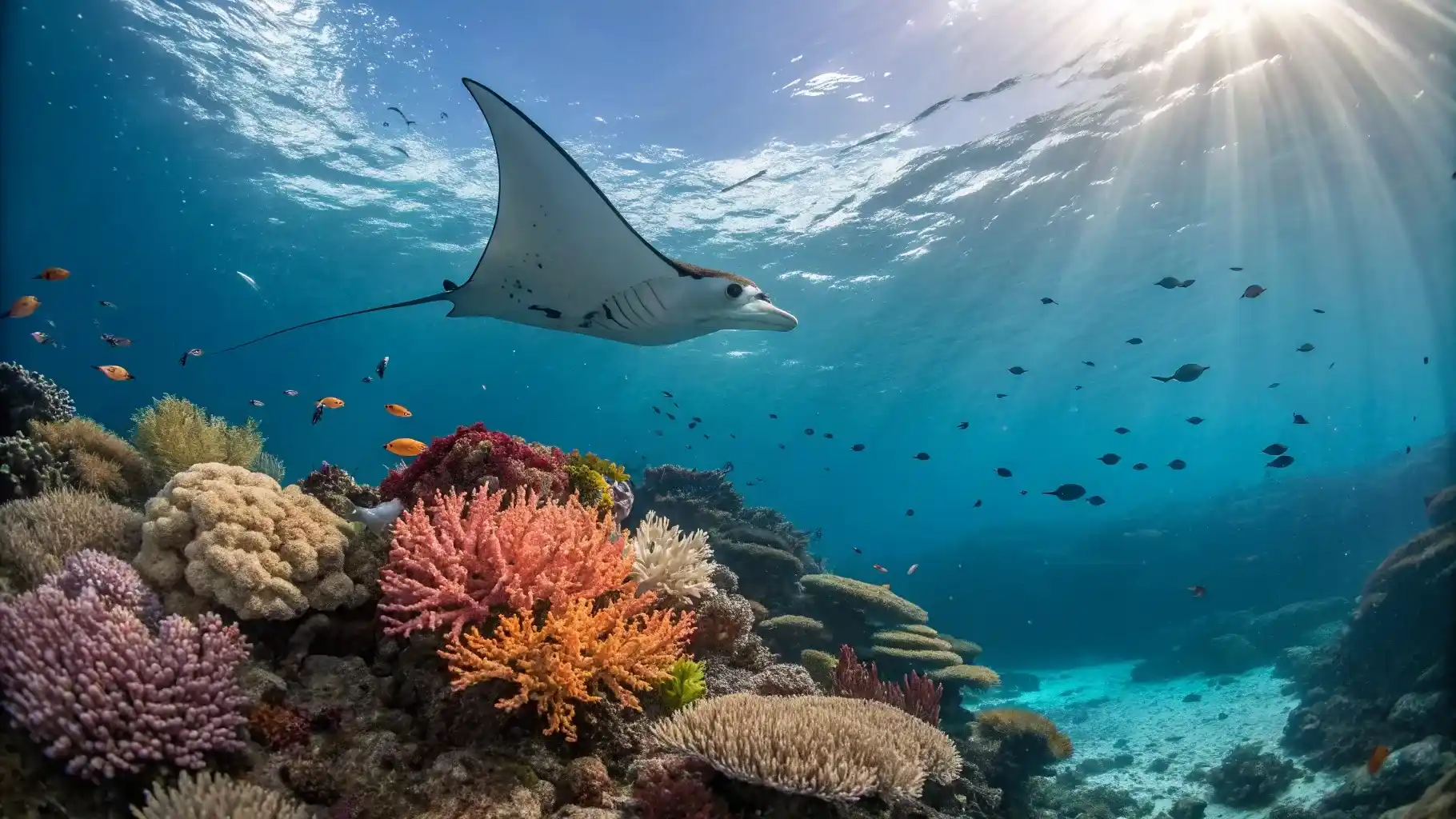
Different marine species thrive at different times. Manta rays are most prevalent during the dry season (May-September) when plankton blooms attract them to specific reef areas. Whale sharks occasionally appear year-round but sightings are more common in dry season. Reef sharks, turtles, and colorful tropical fish are abundant throughout the year but visibility is best during dry season months.
The dry season’s calm conditions and excellent visibility make it the ideal window for encountering Komodo’s famous Komodo dragons at close range during land excursions. The dry ground makes hiking safer and more comfortable, and the dragons are more active in cooler morning temperatures.
Choose peak season (June-August) if: you prioritize guaranteed excellent weather, you’re traveling with children or others requiring predictable conditions, you want maximum underwater visibility and marine life encounters, or you prefer established schedules without weather-related changes.
Choose shoulder season (April or October) if: you want to avoid crowds and tourism infrastructure strain, you prefer more personalized service with smaller group sizes, you’re budget-conscious and want better pricing, or you’re experienced with maritime activities and can handle occasional minor weather variability.
Contact our team at our contact page to discuss which season best matches your preferences and travel style. Our expert guides can recommend specific itineraries based on seasonal conditions.
Peak season (June-August) commands premium pricing as demand reaches its maximum. Shoulder season (April-May, September-October) offers 15-20% discounts compared to peak rates. Wet season (November-March) provides the deepest discounts but comes with weather uncertainties.
Many travelers book 3-4 months in advance for peak season, while shoulder season allows booking 4-6 weeks prior. Cancellation policies become increasingly important during shoulder and wet seasons due to weather contingencies.
Q: Is May a good month for Komodo boat charters?
A: Yes, May is excellent. It marks the beginning of the dry season with emerging optimal conditions, fewer tourists than peak months, and great value pricing while maintaining exceptional weather and underwater visibility.
Q: Can you snorkel in November in Komodo?
A: Early November is possible for experienced swimmers, but visibility is limited (10-15 meters) and weather becomes increasingly unpredictable. We recommend waiting until April or later for optimal snorkeling conditions.
Q: What’s the cheapest time to charter a boat in Komodo?
A: December through February offers the lowest prices due to weather challenges and reduced tourist demand. However, weather unpredictability may impact your experience. April and October provide better value with still-excellent conditions.
Q: When are manta rays most visible in Komodo?
A: Manta rays are most abundant during the dry season, particularly June through September, when plankton blooms attract them to specific dive sites. They can be seen year-round but sightings are less reliable in other seasons.
Q: Is September a good time for families to visit Komodo?
A: Absolutely. September maintains excellent peak season conditions with slightly fewer tourists than July-August, making it ideal for families. Weather is predictable, water activities are abundant, and safety protocols are fully operational.
Planning your Komodo trip requires understanding not just the seasonal overview but the month-specific conditions that determine which activities are optimal. Here’s a practical month-by-month breakdown for travelers making specific booking decisions.
April: The dry season begins. Seas calm, winds light. Excellent all-round conditions. Manta ray season starts — Manta Point reliably produces encounters. Park crowds still manageable. Excellent month to book.
May: Optimal diving conditions begin — visibility peaks at 25-30+ meters. Manta rays abundant. Temperatures ideal (28-32°C). Highly recommended for both divers and non-divers.
June: Excellent conditions continue. Dragon trek conditions ideal — dry, not too hot. Whale shark occasional sightings begin. Strong advance bookings for July and August already filling quality vessels.
July-August: Peak season. Highest tourist volumes, highest prices. Book 4-6 months in advance for quality vessels. All sites open and operating. Southeast trade winds bring some surface chop on inter-island crossings. Diving remains excellent. Sunset conditions at Padar Island spectacular.
September-October: Trade winds ease. Excellent conditions return to full calm. Crowds decrease post-peak. Manta ray numbers still strong. Best value-to-experience months of the year.
November: Shoulder season transitions toward wet season. First rain showers possible. Diving visibility still good (20-25m). Fewer tourists, lower pricing. Suitable for experienced travelers comfortable with variable conditions.
December-January: Wet season. Occasional rough inter-island passages. Whale shark season peaks — encounters dramatically increase December-February at certain sites. Not recommended for travelers prone to seasickness. Suitable for experienced divers specifically seeking pelagic species.
February-March: Continuation of wet season. Least recommended months for typical touring. Some sites become inaccessible in rough conditions. Whale shark encounters still available. Experienced liveaboard divers book these months specifically for pelagic action.
Manta rays at Komodo’s Manta Point are present year-round but peak in density from April through November when upwellings bring rich plankton concentrations. The best manta encounters combine: incoming tide timing, light wind conditions, and morning hours. Your charter captain will plan Manta Point visits around these parameters for maximum encounter probability regardless of which month you visit.
July-August: 4-6 months advance booking required for quality private charter vessels. Shared tours may have availability 4-8 weeks ahead. April-June, September-October: 6-12 weeks for private charters, 2-4 weeks for shared tours. November-March: Often bookable 1-4 weeks ahead with vessel availability. Contact us early to secure your preferred dates regardless of season.
May and October offer the best overall conditions — excellent diving visibility, manta ray activity, dry and calm seas, and fewer tourists than peak July-August. For whale sharks specifically, December-January is optimal despite wet season conditions. For Komodo dragons only (non-water focus), July-August provides the most reliable access conditions.
Yes, with appropriate expectations. The wet season (November-March) doesn’t mean constant rain — storms are often brief. Experienced divers visiting for whale sharks or pelagic species find the wet season rewarding. Non-diving tourists seeking comfortable conditions are better served by April-October visits. Check with your operator about specific site accessibility for your planned dates.
Your packing list should adapt to which season you’re visiting Komodo. Dry season packing (April-October) priorities: high-SPF reef-safe sunscreen (the equatorial sun at sea is brutal), a wide-brim hat, UV-protective rash guard for extended water time, and polarized sunglasses to reduce glare during snorkeling. Lightweight cotton or moisture-wicking fabrics are preferred for land activities in the heat.
Wet season visitors (November-March) should add: a waterproof dry bag for camera equipment, a packable rain jacket for occasional showers, and motion-sickness medication if prone to rough-water sensitivity. Seasickness is more common during wet-season inter-island crossings; preparation with Dramamine or prescription patches is wise regardless of your history.
Year-round essentials: insect repellent with DEET for evening hours at anchor in mangrove-adjacent bays, closed-toe hiking shoes for dragon trekking on both Komodo and Rinca (open footwear and sandals are not recommended on the trekking trails), and a headlamp for early morning departures when cabin access is dim.
Different photographic subjects peak in different seasons. Manta ray photography is best April-October at Manta Point when mantas aggregate in cleaning station behavior — patient hovering with a wide-angle lens captures the iconic below-looking-up shots. Whale shark photography peaks December-February when these largest fish visit park waters. Komodo dragon photography is excellent year-round but the dry season (June-September) produces more dramatic dragon behavior as animals congregate near watering areas during the driest months.
Landscape and aerial photography is exceptional during April-May and September-October — the transition seasons where dramatic cloud formations backdrop the volcanic island silhouettes without full wet-season coverage. Padar Island sunrise shots are most dramatic in these months. Underwater photography visibility peaks May-August when crystal-clear water creates the blue-water backgrounds that define Komodo’s aesthetic.
The best approach to seasonal booking: identify your primary objective (diving, dragons, whale sharks, manta rays, or overall experience), then align your dates with that priority’s optimal window. For most first-time Komodo visitors prioritizing the complete experience, May or October delivers ideal conditions across all activity types. Discuss seasonal factors with our booking team when planning — we’ll help align your dates, vessel selection, and itinerary to maximize your specific priorities within your available travel window.