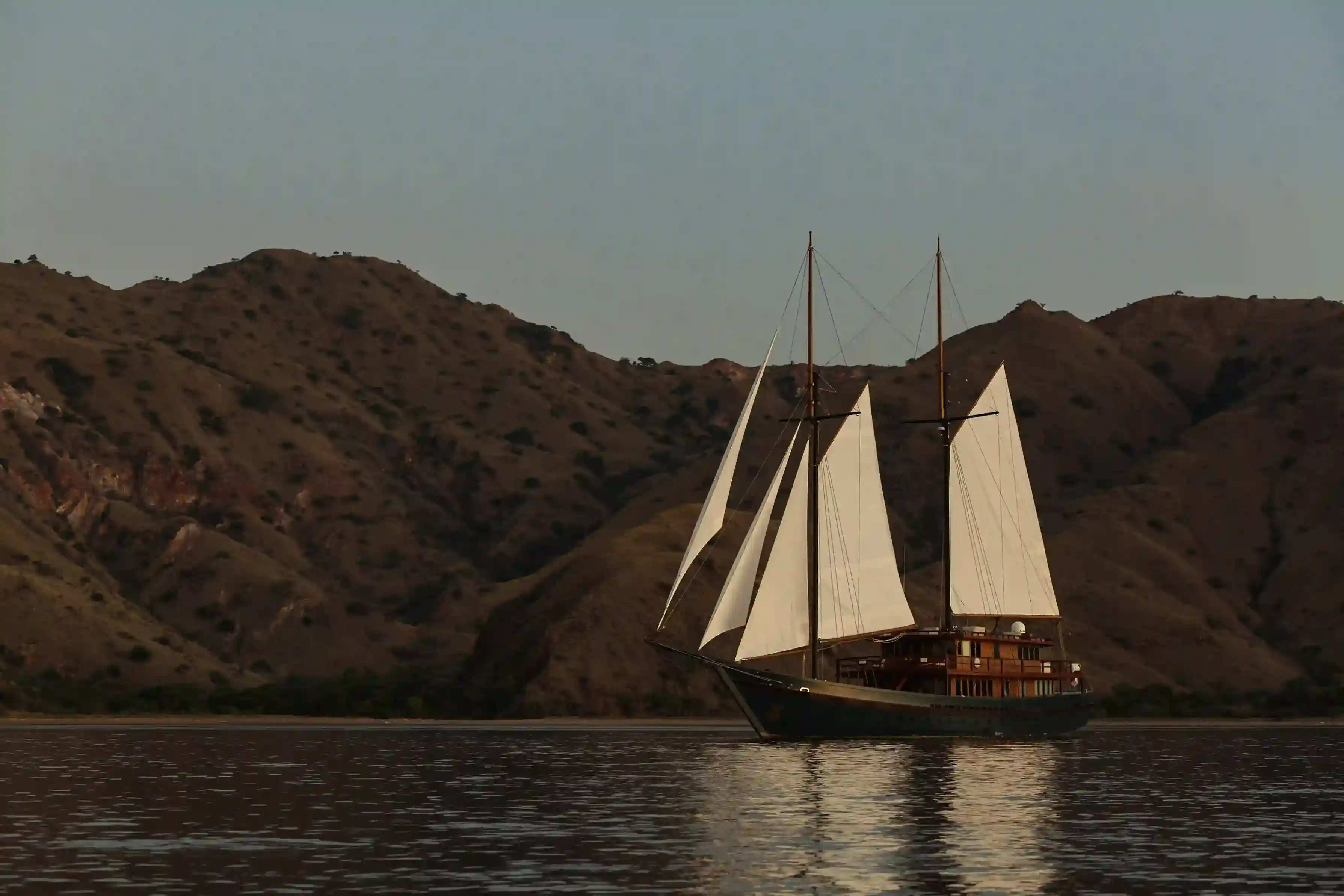
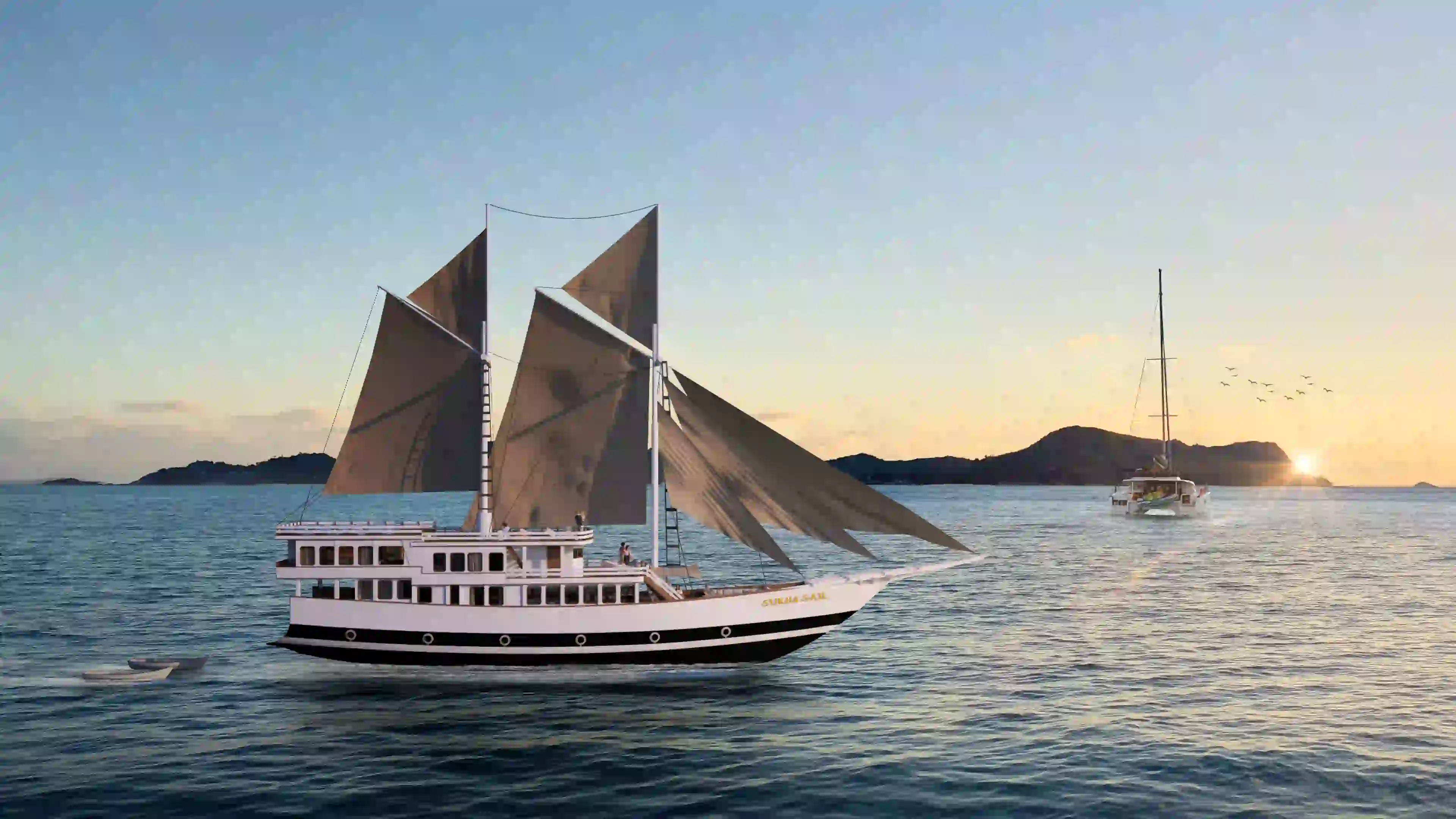
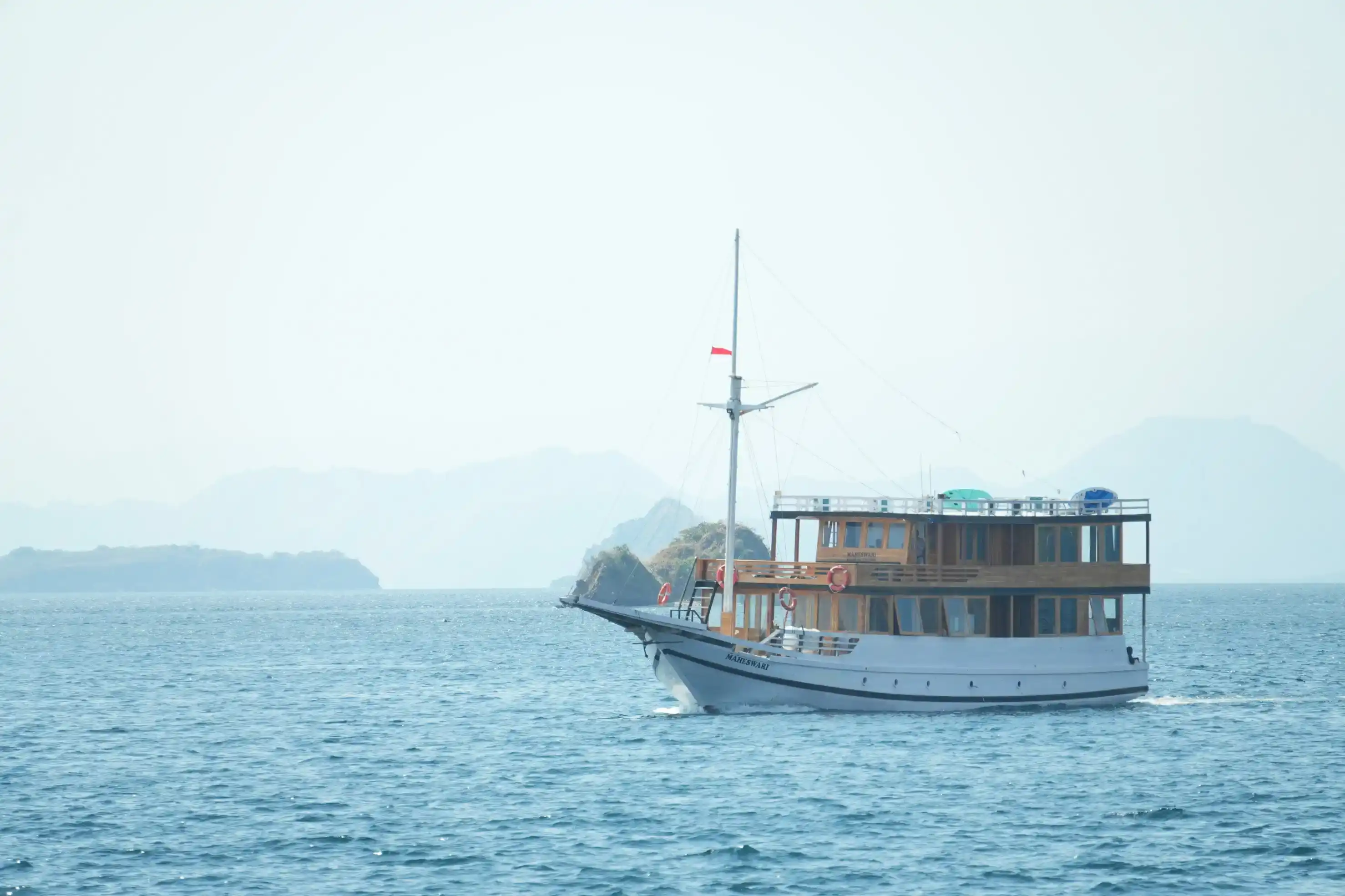
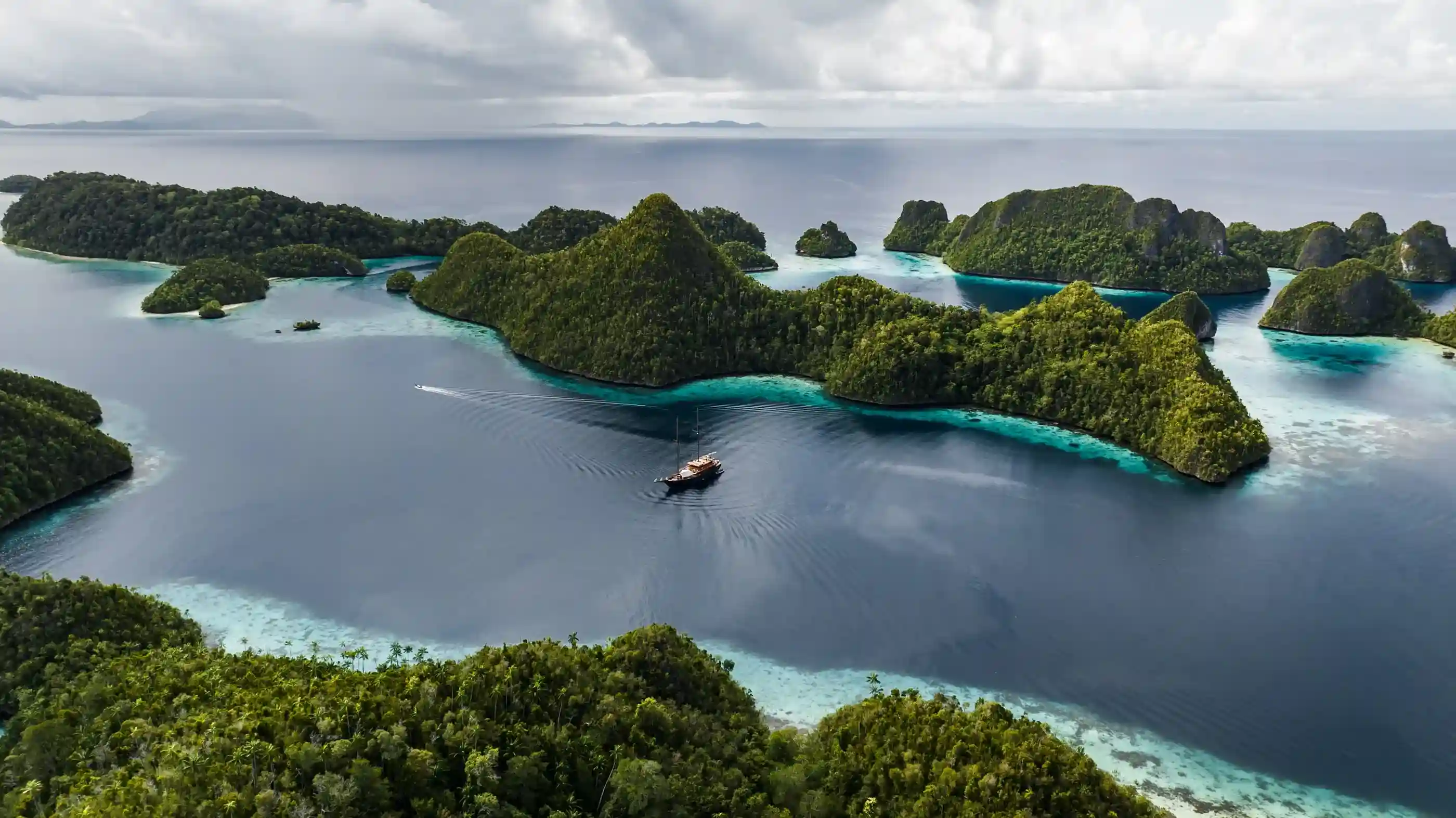
The phinisi is a traditional Indonesian sailing vessel with roots tracing back centuries to Sulawesi seafaring communities. These distinctive wooden ships feature two masts, graceful lines, and are built using traditional construction techniques passed down through generations. Phinisis are iconic in Southeast Asian waters and have become synonymous with luxury adventure cruising in regions like Komodo.
Phinisis are constructed primarily from hardwood, typically teak and other locally-sourced timber. Master boat builders hand-craft these vessels using methods refined over centuries. The construction process is labor-intensive, involving skilled craftspeople and traditional joinery techniques. This craftsmanship results in unique, one-of-a-kind vessels with character and soul that modern yachts cannot replicate.
Modern phinisis retain the traditional aesthetic while incorporating modern amenities. Contemporary examples feature air-conditioned cabins, en-suite bathrooms, high-quality bedding, and elegant dining areas. Diesel engines supplement traditional sails, allowing reliable travel regardless of wind conditions. These upgrades maintain the phinisi’s romantic charm while providing comfort for contemporary travelers.
The phinisi experience emphasizes connection to the sea, cultural authenticity, and romantic adventure. Guests appreciate the vessel’s character, the sounds of sailing, and the sense of traveling aboard a piece of maritime heritage. Phinisis attract travelers seeking authentic Southeast Asian experiences and are particularly popular among photographers and those valuing aesthetic appeal.
Modern yachts designed for charter operations are purpose-built vessels incorporating contemporary maritime technology and design principles. These range from sleek motor yachts to modern sailing yachts, all featuring advanced navigation systems, safety equipment, and comfort amenities. Yachts prioritize functionality, reliability, and passenger comfort using the latest marine engineering.
Yachts feature advanced engines providing predictable, powerful propulsion regardless of sea conditions. Modern hulls are engineered for optimal stability, fuel efficiency, and speed. Navigation relies on GPS, sophisticated radar, and electronic charts rather than traditional seamanship. Safety systems are state-of-the-art, with redundancy in critical systems.
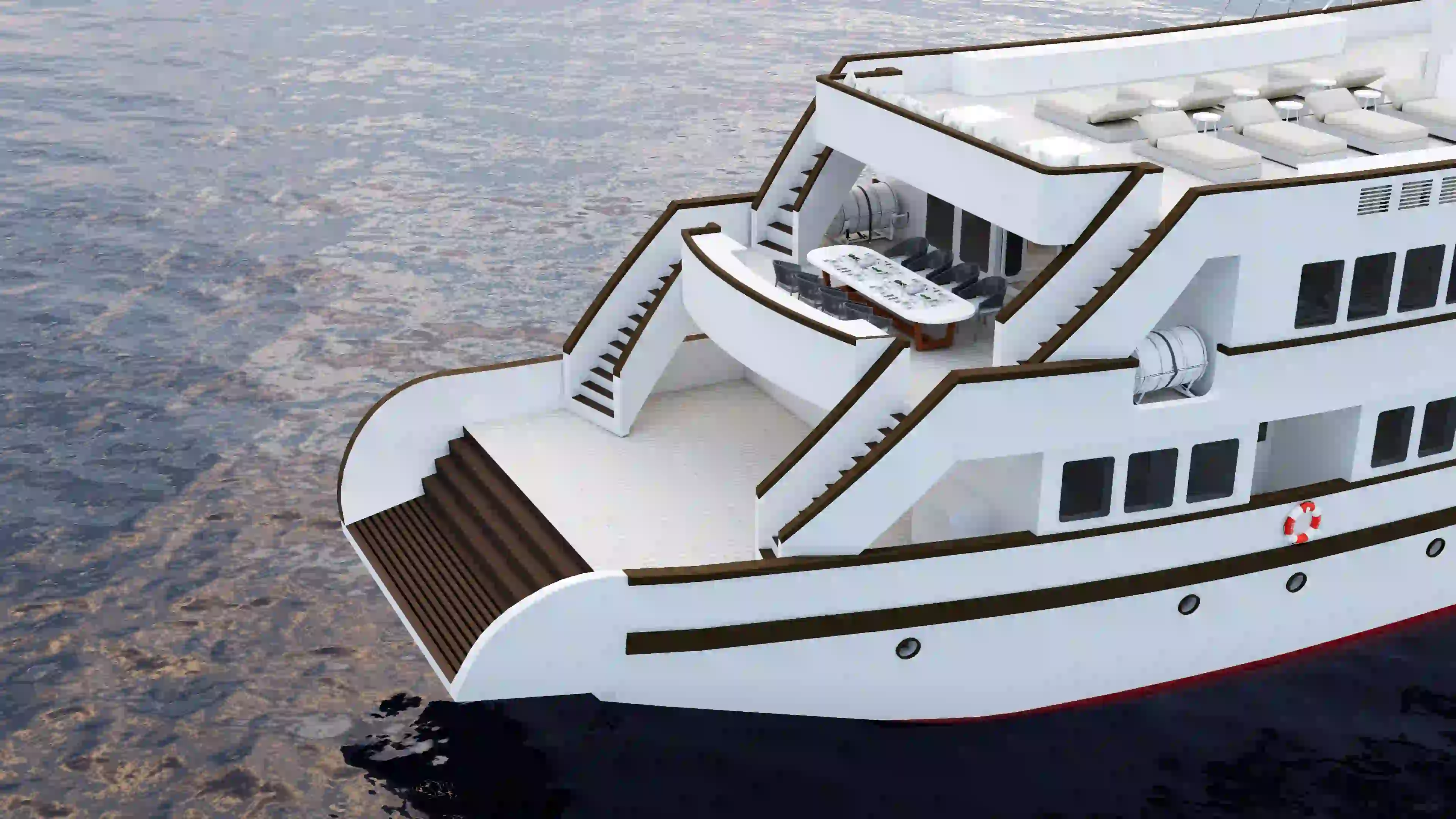
Yacht accommodations emphasize functionality and comfort. Cabins are well-designed with efficient use of space, premium bedding, modern bathrooms with adequate water pressure, and climate control. Dining areas feature contemporary design and reliable kitchen facilities. Common areas are spacious and comfortable. Yachts prioritize passenger comfort through reliability and modern amenities.
Yachts attract travelers prioritizing predictability, reliability, comfort, and modern conveniences. They’re ideal for guests uncomfortable with rustic charm or who value efficient, hassle-free travel. Yachts appeal to those experiencing Komodo for the first time and wanting to focus on activities rather than vessel character.
Phinisis feature distinctive design that makes them recognizable across Southeast Asia. Wooden construction, traditional lines, ornate railings, and the characteristic twin masts create a romantic, historic aesthetic. Interior design often emphasizes wood, traditional patterns, and cultural decor. The overall effect is visually striking and perfect for photography enthusiasts.
Yachts prioritize streamlined design optimized for performance and comfort. Clean lines, modern materials, and contemporary styling reflect engineering efficiency. While less photogenic than phinisis in some views, quality charter yachts are beautiful in their own right, featuring sleek profiles and modern design language. Interior design emphasizes comfort and functionality rather than cultural authenticity.
If vessel aesthetics matter significantly to your experience—perhaps you’re planning wedding/honeymoon photography or prioritize visual appeal—phinisis offer unmatched charm. If aesthetics matter less than comfort and reliability, yachts deliver sophisticated, contemporary beauty.
Premium phinisis offer exceptional comfort rivaling luxury resorts. High-end examples feature spacious cabins with king beds, marble bathrooms, rainfall showers, air-conditioning, and elegant furnishings. Fine dining is emphasized with multi-course meals, premium wine selections, and attentive service. Common areas are designed for relaxation and socializing.
However, mid-range and budget phinisis involve more rustic accommodations. Cabins might be smaller, shared bathrooms possible, and amenities more basic. Hot water supply might be limited. While functional and clean, these accommodate guests prioritizing authentic experience over luxury comfort.
Yachts across price ranges maintain consistent comfort standards. Budget yachts provide comfortable, functional cabins and adequate facilities. Premium yachts offer spacious cabins, luxury bedding, modern bathrooms, and elegant design. Consistency across the price spectrum makes yacht comfort more predictable than phinisis, where quality varies significantly.
Phinisis are still capable sailing vessels. Traditional sails catch the wind, and experienced captains skillfully navigate using both traditional and modern techniques. Sailing in a phinisi provides an authentic maritime experience—feeling the wind, hearing sails fill, and participating in a centuries-old seafaring tradition. The romantic sailing experience is phinisis’ greatest draw.
However, modern phinisis carry diesel engines that provide propulsion when wind conditions are inadequate. These engines make phinisis reliable for keeping schedules and navigating calm waters. The sailing experience varies by sea conditions, wind patterns, and captain preference. On calm days, engines provide propulsion; on windy days, you experience true sailing.
Yachts typically feature powerful diesel engines as primary propulsion. While some modern sailing yachts incorporate traditional sails, the emphasis is on reliable, predictable movement. Yachts rarely rely on wind conditions—engines provide consistent speed and direction regardless of weather. You sacrifice romantic sailing experience but gain predictability and efficiency.
If experiencing true sailing is important to your charter, phinisis deliver this better than yachts. If you prefer reliable, scheduled movement prioritizing on-time arrivals and predictable routes, yachts excel.
Phinisi crews often include experienced sailors trained in traditional seamanship. Captains are skilled at reading conditions, using traditional navigation knowledge, and managing sails. This creates an authentic maritime atmosphere. Crew members share knowledge about vessels, sailing techniques, and maritime heritage. The relationship between crew and guests often feels more personal and story-rich.
Phinisi service emphasizes hospitality, warmth, and personal connection. Crews take pride in their traditional vessels and share this passion with guests. Meals and social interactions reflect cultural hospitality traditions. The service feels less corporate, more intimate and genuine.
Yacht crews are professionally trained in modern maritime practices, passenger service standards, and contemporary hospitality. Service is consistent, reliable, and efficient. Crews prioritize guest satisfaction through attentive service, problem-solving, and maintaining high standards. The approach is more corporate but reliably professional.
Phinisi service appeals to travelers seeking human connection, cultural immersion, and authentic interaction. Yacht service appeals to those valuing professional consistency and reliable attention to comfort needs.
Phinisis represent Indonesian maritime heritage and support traditional boat-building communities. Choosing a phinisi directly supports artisan craftspeople, traditional skills preservation, and local economic development. Phinisi operators often maintain strong community ties and support local villages through employment and commerce.
Phinisis operate with lower environmental impact than large motor yachts when sailing under wind. However, diesel engines still generate emissions. Wooden construction is more sustainable than fiberglass, and boats last many decades. The cultural value of preserving traditional vessels and skills adds environmental value beyond carbon metrics.
Modern yachts feature contemporary engine technology with improved fuel efficiency compared to older vessels. However, large yachts consume more fuel than smaller phinisis. Some operators invest in hybrid or electric propulsion, though these remain rare in Komodo charters. Yachts produce more environmental impact through fuel consumption but offer efficiency through modern engineering.
If supporting traditional maritime culture and local communities is important, phinisis provide more direct benefits. If environmental efficiency in terms of fuel consumption matters most, modern yachts with contemporary engines offer advantages.
Premium phinisis cost similarly to or more than comparable luxury yachts. A high-end phinisi charter might cost $5,000-10,000 per person weekly. Budget phinisis cost $1,500-3,000 per person weekly. The wide range reflects huge variation in quality, comfort, and amenities within the phinisi category.
Modern yachts show more consistent pricing. Budget yachts cost $1,500-2,500 per person weekly; mid-range yachts $3,000-5,000; premium yachts $6,000-8,000 per person weekly. The consistency makes value comparison easier—you typically get what you pay for without quality surprises.
Value assessment depends on what you prioritize. If cultural authenticity, aesthetic appeal, and unique experience matter most, a quality phinisi provides excellent value. If comfort consistency, predictability, and modern amenities matter most, yachts deliver strong value. A luxury phinisi and luxury yacht at similar prices might offer equivalently satisfying but qualitatively different experiences.
Choose a phinisi if you want authentic Southeast Asian maritime experience, value aesthetic appeal and photography opportunities, seek cultural immersion, or are traveling with romantic intentions. Phinisis suit adventurous travelers comfortable with some rustic charm and prioritizing unique, memorable experiences over modern convenience.
Choose a yacht if you prioritize comfort consistency, reliable modern amenities, efficient schedules, or prefer contemporary design. Yachts suit travelers uncomfortable with rustic charm, first-time visitors to Komodo wanting familiar comfort levels, or those prioritizing relaxation over adventure.
Consider your group composition. Families with young children often appreciate yacht predictability and modern amenities. Honeymoon couples frequently choose phinisis for romantic aesthetic and unique character. Adventure groups seeking authentic experience gravitate toward traditional phinisis.
Budget influences vessel selection. Premium phinisis cost as much as luxury yachts, so cost alone doesn’t determine choice. Mid-range phinisis often provide better value than mid-range yachts in terms of uniqueness and experience. Budget travelers should understand that both vessel types have budget options, though budget phinisis involve more rustic accommodations.
Consider season and weather. During calmer months (April-September), phinisis provide better sailing experiences. During rougher seasons (November-March), yachts’ predictable propulsion might be preferable. Discuss seasonal considerations with operators when deciding between vessel types.
Modern phinisis are stable, well-designed vessels. Traditional design actually offers excellent stability in many sea conditions. While individual experience varies, both vessel types are equally safe and stable in Komodo waters.
Quality phinisis feature air-conditioning in all cabins. Budget phinisis might have fans instead. Always ask specifically about cooling systems when booking. Modern phinisis maintain comfortable temperatures in tropical climates.
Phinisis are inherently more photogenic with distinctive design, traditional aesthetics, and romantic atmosphere. Photographers typically prefer phinisis for vessel shots and overall aesthetic appeal.
Yes, many yachts are equipped for diving with compressors and experienced dive masters. Both phinisis and yachts can accommodate diving; the difference lies in overall aesthetic and comfort style.
Modern yachts’ engines provide more reliable propulsion in challenging conditions. However, both vessel types are seaworthy in typical Komodo conditions. Extreme rough seas would affect any vessel’s comfort level.
Phinisis can sail but typically use engines for reliability and schedule adherence. Actual sailing depends on wind conditions and captain preference. Romantic sailing is possible but not guaranteed.
Phinisis using traditional construction and sails have lower fuel consumption. However, diesel engines consume fuel regardless of vessel type. Modern yachts with efficient engines might use less fuel than older phinisis. Environmental impact depends more on operator practices than vessel type.
Both phinisis and yachts employ professional, trained crews. Phinisi crews emphasize traditional seamanship and cultural knowledge. Yacht crews emphasize contemporary hospitality and professional service. Both approaches deliver quality service in different styles.
Choosing between a phinishi and a yacht comes down to what experience matters most to you. Explore our diverse fleet page showcasing both traditional phinisis and modern yachts, each offering distinct advantages for your Komodo adventure. Whether you prioritize romantic authenticity or contemporary comfort, we have the perfect vessel for your needs. Learn more about our complete Komodo boat charter offerings and yacht charter services to understand all your options. Ready to decide? Contact our experienced team to discuss which vessel type best suits your preferences, budget, and travel style.