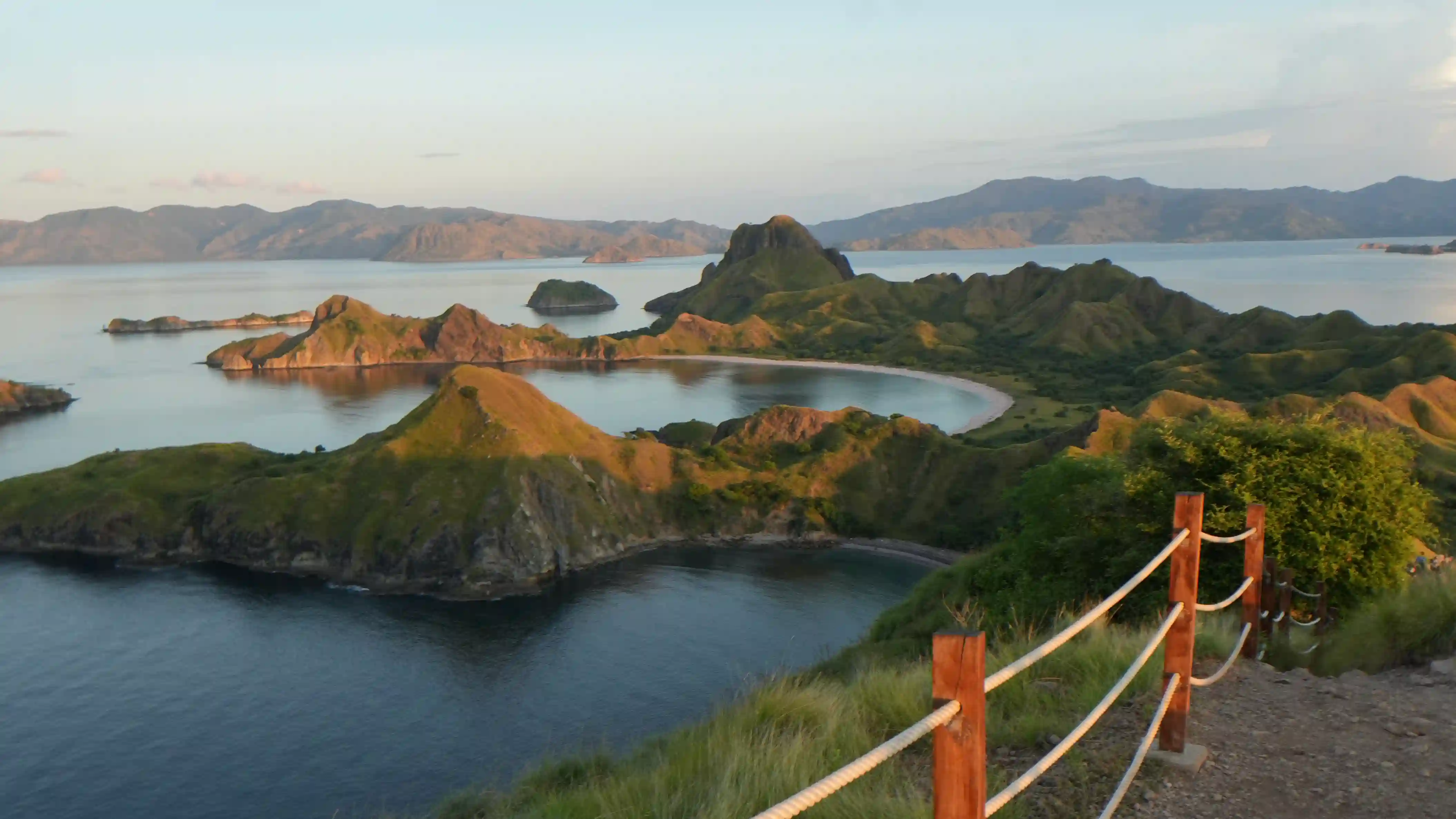
Located in the remote southern reaches of the Komodo National Park, Banta Island represents the frontier edge of accessible Komodo expeditions. Situated approximately 50-60 kilometers southeast of Labuan Bajo, this isolated island and its surrounding waters remain largely outside the range of casual day trips, reserved instead for committed multi-day and extended-week explorers willing to invest substantial time in maritime transit for the promise of truly remote marine environments.
Banta Island features prominently on five-day, six-day, and seven-day expedition charters, typically appearing on the final days of extended voyages. The island’s remoteness ensures exceptionally low visitor traffic and pristine reef environments that remain largely untouched by heavy recreational use. For those seeking to experience Komodo’s genuine wilderness character—unrestricted by proximity to Labuan Bajo and the busier northern park sections—Banta Island offers unparalleled opportunity.
Banta Island occupies coordinates approximately 8°58’S, 119°40’E, positioned far south of the primary Komodo archipelago in the deeper ocean waters separating Komodo from the broader Indonesian archipelago. The island sits at the boundary between protected Komodo National Park waters and the open Indian Ocean, creating a location that feels genuinely remote despite remaining within legal marine park boundaries.
The journey to Banta Island from Labuan Bajo typically requires seven to ten hours by standard charter vessel, with timing dependent on sea state, vessel type, and specific route chosen. This extended transit ensures that only committed charter groups reach Banta, resulting in visitation patterns measured in dozens of visitors annually rather than hundreds.
The isolation that characterizes Banta Island translates directly into exceptional reef health and marine biodiversity. The surrounding coral formations display the diversity and size structure expected from reefs experiencing minimal fishing pressure and recreational impact. Large coral colonies, many measuring several meters across, indicate decades or centuries of undisturbed growth. These massive structures provide habitat for countless fish species dependent on complex reef architecture.
Fish populations at Banta exceed those at more accessible locations. Schools of pelagic species move through the deeper water surrounding the reefs in formations that demonstrate abundance sufficient to support sophisticated predatory interactions. The reef-associated fish populations similarly reflect the protection that remoteness affords—species that would flee constantly in heavily visited locations maintain more relaxed behaviors at Banta.
The coral diversity at Banta encompasses massive Porites colonies, branching acropora formations, plate corals, and the full complement of reef-building species typical of tropical Indo-Pacific environments. Soft corals and gorgonians occupy deeper reef sections. The overall impression is of reef abundance and health that tourists in many global marine destinations never encounter.
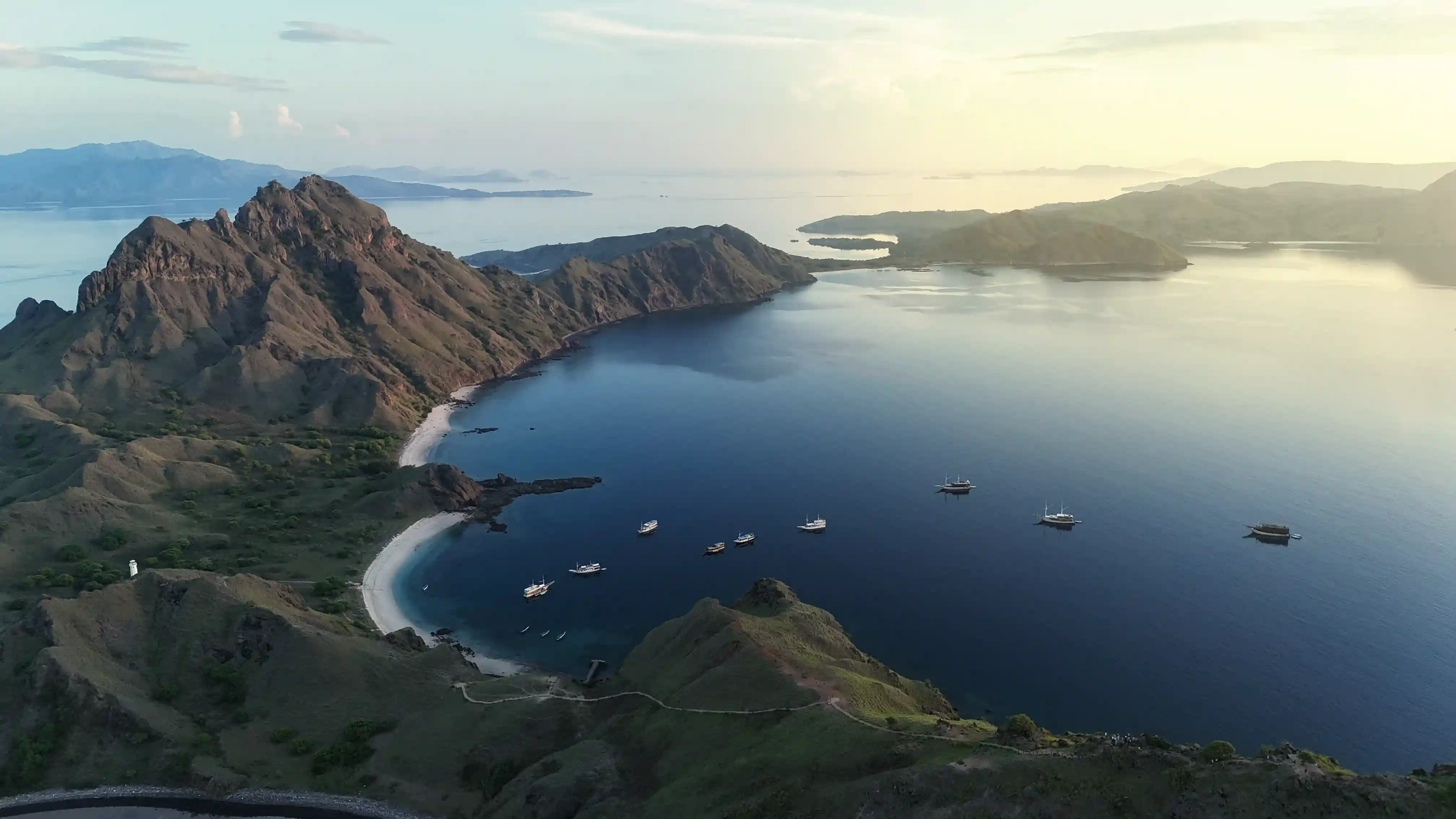
The primary feature supporting extended visitation at Banta Island is Banta Bay, a natural anchorage on the island’s western shore providing adequate holding ground for overnight vessel positioning. The bay is sheltered from prevailing eastern winds, though southern swells during wet season periods can create noticeable boat motion on anchored vessels.
Banta Bay serves as the expedition base for all Banta Island activities. Charter vessels anchor in the bay and remain stationary during the typical one to three day visit, with guests venturing out in smaller snorkeling or diving skiffs for daily marine excursions. The bay lacks permanent infrastructure—no moorings, no shore facilities, no development. The absence of human installations represents both limitation and appeal, depending on one’s perspective toward development and resource management.
The reefs surrounding Banta Island accommodate both diving and snorkeling, with distinct experiences emerging from the different environmental characteristics. Snorkeling in the shallow sections (3-8 meters) reveals the reef structure and fish diversity in visible detail. The warm water and clear visibility create conditions favorable for extended snorkeling sessions without fatigue.
Diving at Banta reveals the depth dimensions unavailable to snorkelers. Reef structures extend to 25-30+ meters at points around the island, with distinct fish communities and coral formations occupying each depth zone. The greater biodiversity visible at deeper depths and the exploration of three-dimensional reef structures create experiences distinct from surface-based observation.
Current patterns at Banta vary considerably around the island. Protected bay areas offer minimal current conditions suitable for all skill levels, while the island’s exposed faces experience the full force of ocean currents driven through the deeper channels in this region. Professional guides select dive sites and snorkeling areas based on current strength and individual group capabilities, ensuring that experiences match participant skill levels.
Banta Island remains accessible throughout the year due to its position in deeper water that experiences less dramatic swell than shallow-water locations. However, seasonal variations significantly influence the experience quality.
The dry season (April through November) offers superior visibility (15-25 meters), warmer air temperatures, and more stable sea states. The water temperature during dry season ranges from 26-28°C (79-82°F). These conditions maximize both snorkeling comfort and the visual experience of pristine reefs.
The wet season (December through March) brings reduced visibility (10-15 meters), more dramatic swell patterns, and water temperature peaks of 28-29°C. The more challenging weather means extended transits to Banta become less reliable, and the boat motion in anchored conditions increases. However, the greater water movement concentrates marine life, and the dramatic reef behavior during surge periods creates dynamic visual experiences distinct from calm-water observations.
Banta Island’s remoteness translates to rich terrestrial fauna populations. The island supports populations of Komodo dragons—these islands’ iconic megafauna—though encounters with dragons are not guaranteed and require active terrestrial exploration. The presence of dragons on Banta reflects the island’s isolation and the protection afforded by remoteness that permits megafauna populations to persist.
Bird populations include raptors and seabirds adapted to coastal marine environments. The absence of human development means that bird communities maintain natural behaviors and populations undisturbed by direct human interaction.
The marine environment at Banta Island remains part of the UNESCO World Heritage designation that extends across the entire Komodo National Park. The reefs here represent critical components of the park’s ecological significance and conservation value, supporting fish diversity and marine life that makes the park internationally recognized.
Banta Island access requires enrollment in extended multi-day charter packages, typically five-day, six-day, or seven-day expeditions. No day-trip options exist, and independent travel to Banta Island remains impractical given the distance and lack of infrastructure on the island.
Charter vessels require adequate provisioning for extended voyages to remote locations. Fresh water storage, fuel capacity, and food provisions must accommodate days at sea away from resupply opportunities. Most established Komodo charter operators maintain vessels with sufficient capacity for extended remote expeditions.
The extended transit times mean that less than 24 hours typically occur at Banta Island itself, with the remainder of extended expedition charters divided among transit time and visits to less remote but more accessible destinations. This reality means that Banta Island often appears as the culminating experience of extended charters rather than the primary focus, though the remoteness and pristine character make it the most memorable component for many participants.
The transit typically requires seven to ten hours depending on sea state, vessel type, and route selection. This extended journey ensures that Banta Island remains accessible only to committed multi-day charter participants, contributing to the island’s limited visitation and pristine character.
Banta Island typically appears on five-day, six-day, and seven-day expedition charters. The extended duration is necessary to accommodate the substantial transit time required to reach the island from Labuan Bajo.
Banta Island’s remoteness results in pristine reef conditions with minimal human impact, exceptional fish populations, and coral formations reflecting decades of undisturbed growth. Compared to more accessible locations experiencing heavier recreational use, Banta offers superior reef health and marine abundance.
Komodo dragons do inhabit Banta Island, though sightings are not guaranteed and require active terrestrial exploration with professional guides. The dragons’ behavior and whereabouts depend on seasonal patterns, hunting cycles, and other factors outside human control.
No permanent shore-based accommodation exists. All overnight stays occur aboard the anchored charter vessel in Banta Bay. The bay provides adequate holding ground for overnight positioning, though southern swells during wet season periods may create noticeable boat motion.
Most charters allocate 18-36 hours at Banta Island, including overnight anchorage and full or partial day for marine activities. The extended transit time means limited time remains for actual island experience despite the long journey required to reach it.
Banta Island receives dozens of visitors annually compared to hundreds or thousands visiting more accessible islands. This exceptional remoteness ensures that reef environments remain largely untouched by heavy recreational impact, contributing to pristine conditions.
No shore facilities exist. All food and fresh water must be provided aboard the charter vessel. Extended charters to Banta require adequate provisioning for days at sea away from resupply opportunities.
Ready to experience Banta Island’s remote wilderness? Our extended Komodo yacht charters venture to Banta Island as the culmination of true expedition experiences. Explore our vessels capable of extended remote voyages or review extended expedition itineraries featuring Banta Island. Contact us via WhatsApp at +628113823875 to discuss extended charter options or reach out directly to plan your Banta Island expedition.