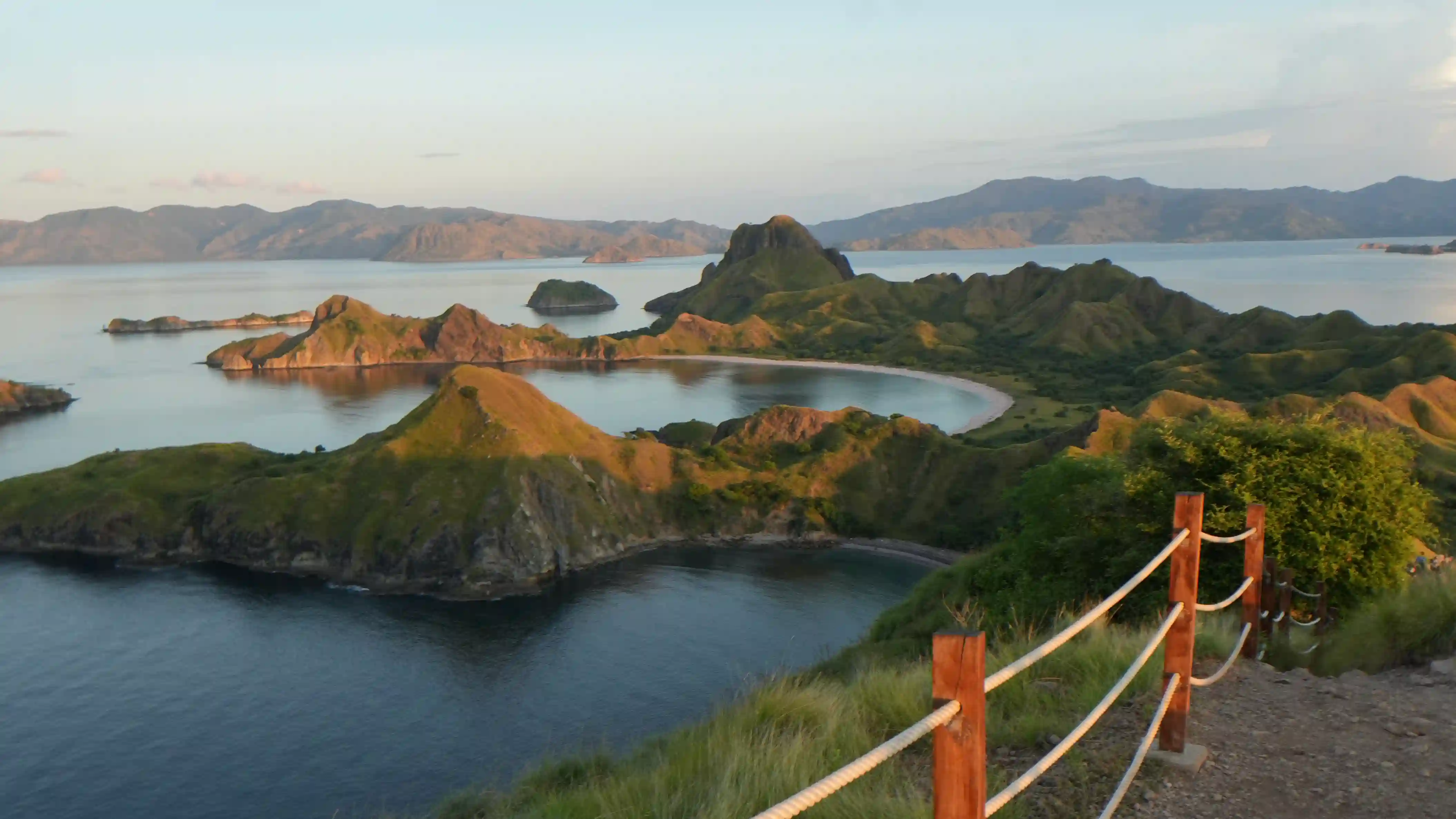
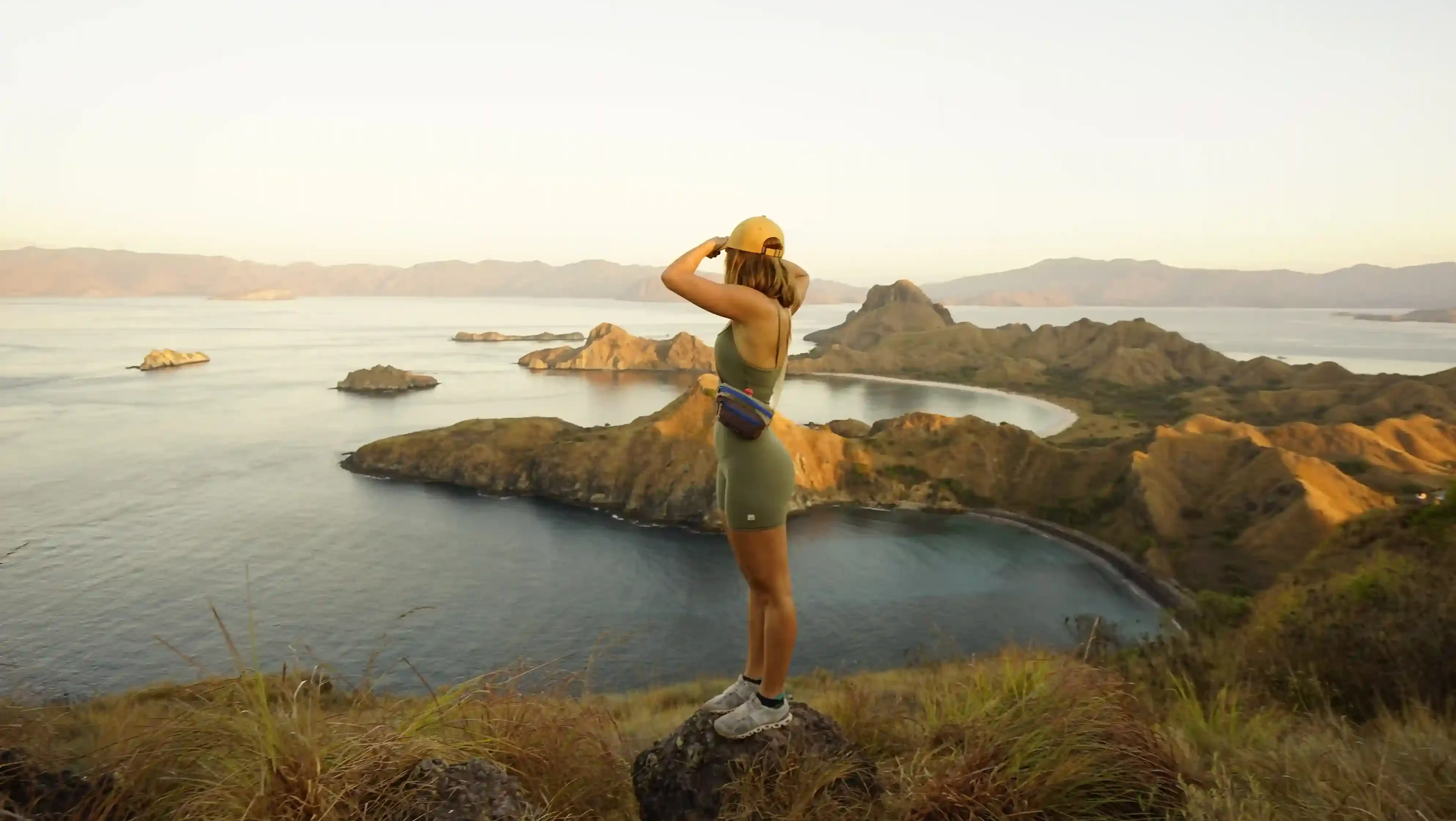
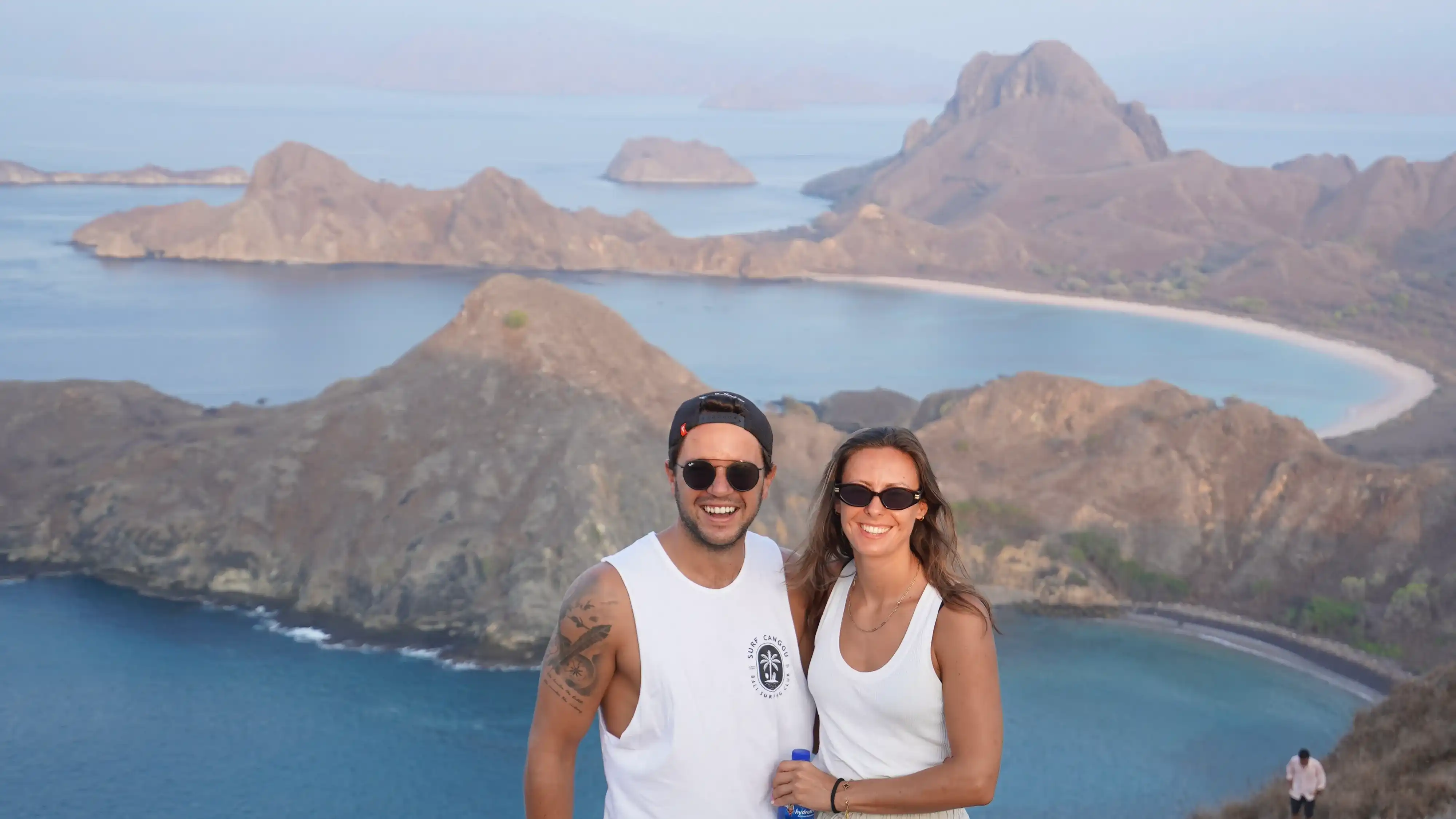
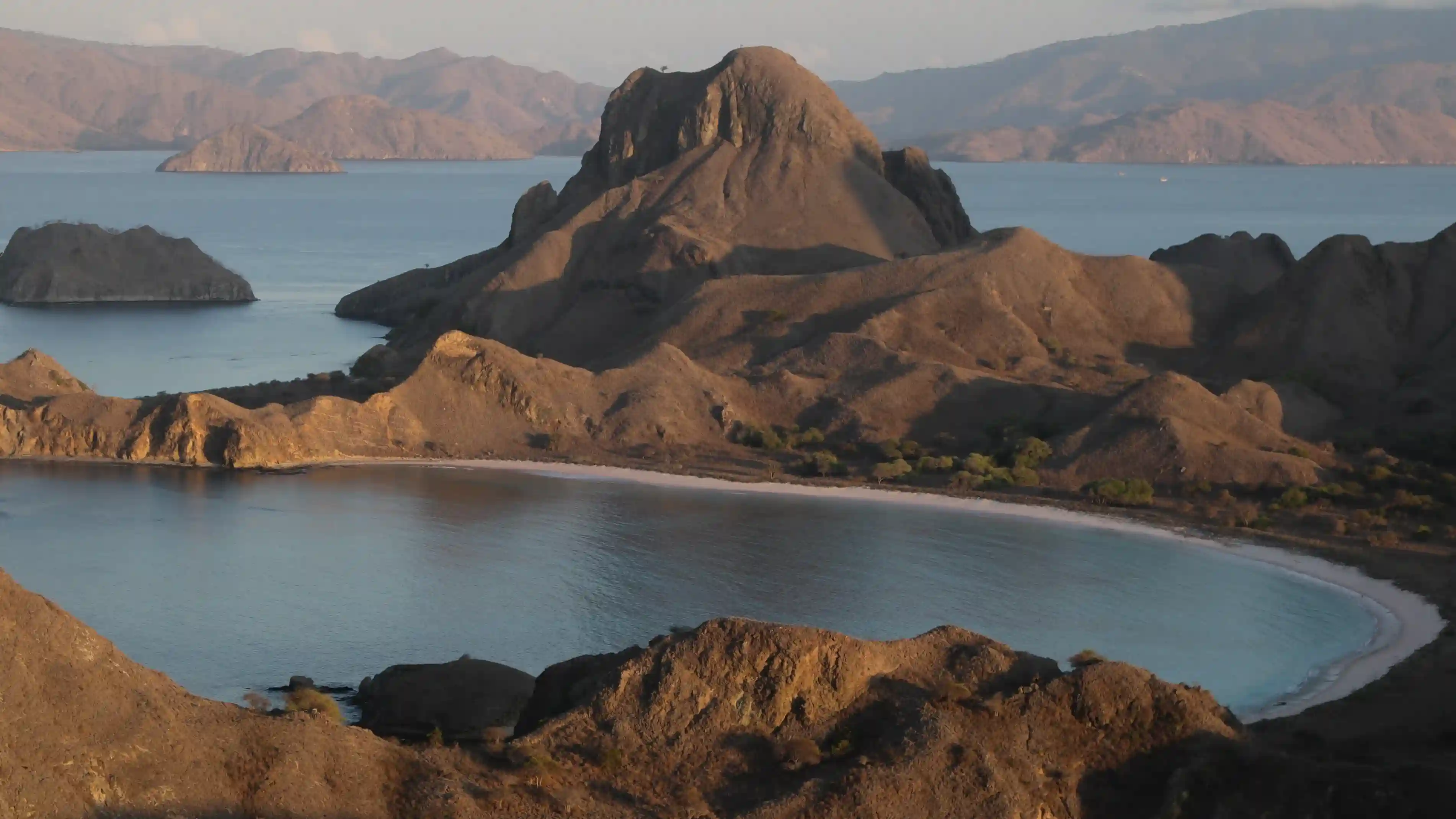
Nusa Kode represents one of the Komodo National Park’s most dramatic and visually stunning destinations, known internationally for the iconic geological formation called Cannibal Rock that rises from waters at the island’s southern edge. This remote island in the southern park section combines the wild, untamed character expected from genuinely remote tropical locations with marine environments supporting extraordinary biodiversity and dramatic reef formations.
The island sits approximately 40-50 kilometers south of Labuan Bajo, accessible only via extended multi-day charter expeditions. The journey to Nusa Kode requires the same commitment as visits to Banta Island—substantial maritime transit time separated from mainland infrastructure, rewarding only those willing to sacrifice comfort and convenience for the experience of truly pristine marine wilderness.
Nusa Kode occupies coordinates approximately 8°52’S, 119°45’E in the southern reaches of the Komodo archipelago. The island’s distinctive topography features dramatic rocky formations rising sharply from surrounding waters, creating a silhouette that dominates photographs and remains memorable for participants long after charter completion.
The most iconic feature, Cannibal Rock (also known locally as Batu Cannibal), rises as a substantial pinnacle from the waters immediately adjacent to the island’s southern shore. This formation reaches heights of approximately 15-20 meters above the waterline, with stories and legends attached to its name that circulate among guides and experienced travelers. The rock formation creates dramatic photography opportunities, particularly during golden-hour lighting conditions at sunrise or sunset.
The primary feature supporting extended visitation at Nusa Kode is Horseshoe Bay, the natural anchorage on the island’s northern shore that provides adequate holding ground for overnight vessel positioning. The bay’s name derives from its curved topography, creating a natural crescent-shaped basin that concentrates and protects anchored vessels from prevailing ocean swells.
Horseshoe Bay represents one of the Komodo National Park’s finest natural anchorages, rivaling Banta Bay as a base for extended expedition stays. The bay provides protection sufficient for confident overnight positioning even during marginal weather conditions, making it the preferred location for multi-day and extended-week charters focused on southern park exploration.
The waters surrounding Nusa Kode host exceptional reef formations that rival any location within the Komodo National Park. Coral diversity encompasses the full spectrum of Indo-Pacific species, with particular abundance of branching coral formations that create complex three-dimensional habitat. Fish populations reflect the protection afforded by remoteness and the nutrient-rich waters characterizing the southern park region.
The reef system immediately surrounding Nusa Kode creates distinct snorkeling and diving zones. The sheltered areas within Horseshoe Bay offer calm conditions with modest reef development suitable for all skill levels. The exposed faces and deeper sections around the island’s southern portions experience stronger currents and feature more complex reef structures appealing to experienced divers.
The waters surrounding Cannibal Rock and the southern shoreline present exceptional diving opportunities for advanced participants. The strong currents created by the interaction of water movement with the dramatic rocky formations concentrate marine life in densities that create memorable diver experiences. These locations demand respect and appropriate skill levels—the same current strength that concentrates marine life creates potential hazards for unprepared or inexperienced divers.
Nusa Kode is known to support populations of Komodo dragons, making terrestrial exploration potentially rewarding for those willing to undertake guided walks on the island. Unlike many Komodo islands where dragon sightings are uncertain or non-existent, Nusa Kode’s population status suggests reasonable probability of encounters during organized terrestrial expeditions.
The exact distribution and population size of dragons at Nusa Kode remain incompletely documented, given the island’s remoteness and limited research presence. Sightings cannot be guaranteed, though educated guides with experience at this location optimize encounter probability through knowledge of dragon movement patterns and seasonal behaviors.
Encounters with Komodo dragons at Nusa Kode require professional guide accompaniment and adherence to strict safety protocols. These large predatory reptiles command profound respect, and observation must maintain adequate distance and behavioral awareness to ensure human safety and minimize animal stress.
Nusa Kode’s shorelines support mangrove formations that characterize much of the Komodo region’s coastal environments. These specialized trees adapted to saltwater inundation create complex root systems that provide critical habitat for juvenile fish species and countless invertebrates. The mangroves also serve as nurseries for numerous marine species that spend early life stages in brackish mangrove waters before transitioning to open ocean environments.
The mangrove ecosystems at Nusa Kode remain relatively undisturbed by human activity, supporting ecological functions comparable to pristine mangrove forests in accessible regions. Observation of these systems provides insight into tropical coastal ecology and the critical role that mangrove habitats play in marine food webs.
Nusa Kode performs optimally during the dry season (April through November) when visibility exceeds 15 meters and water temperature ranges from 26-28°C. The calmer weather patterns of the dry season make the extended transit from Labuan Bajo more reliable and comfortable.
The wet season (December through March) creates more challenging conditions, with reduced visibility (10-15 meters) and more dramatic swell patterns. However, the enhanced water movement concentrates marine life, and experienced divers often find the more dynamic reef conditions and abundant fish life superior to calm-water alternatives.
The 28-29°C water temperatures during wet season peak comfort for extended snorkeling, though the more challenging sea states offset this thermal advantage for many participants.
Nusa Kode access requires the same extended-charter commitment as Banta Island. The island appears primarily on five-day, six-day, and seven-day expeditions, typically representing a multi-island experience that includes Nusa Kode as one of several remote destinations within a broader southern park exploration itinerary.
The typical visit duration at Nusa Kode spans 18-36 hours including overnight anchorage in Horseshoe Bay. This limited time—despite the extended transit required to reach it—reflects the practical constraints of charter logistics and the capacity to visit multiple destinations within extended expedition timeframes.
Charter vessels anchoring at Nusa Kode must possess adequate provisioning for extended voyages to remote locations. No shore-based resupply opportunities exist, making self-sufficient vessel provisioning essential for expedition success.
Cannibal Rock is an iconic geological formation rising from the waters adjacent to Nusa Kode’s southern shore. The pinnacle reaches approximately 15-20 meters above waterline and creates the island’s most recognizable feature. Local legends and stories attach meaning to the name, and the formation dominates photography opportunities from charter vessels.
The transit typically requires eight to eleven hours depending on sea state, vessel type, and route selection. This extended journey limits Nusa Kode to committed multi-day charter participants.
Nusa Kode appears on five-day, six-day, and seven-day expedition charters. The extended duration accommodates the substantial transit time and permits visits to multiple remote southern park destinations within a single expedition.
Yes, Horseshoe Bay provides one of the Komodo National Park’s finest natural anchorages. The curved topography creates protection sufficient for confident overnight positioning even during challenging weather conditions.
Nusa Kode is known to support dragon populations, and sightings are reasonably probable during organized terrestrial walks with professional guides. However, encounters cannot be guaranteed and depend on seasonal movement patterns and individual dragon location at specific visit times.
Nusa Kode’s remoteness supports pristine reef conditions with exceptional coral diversity and fish populations. The stronger currents and more complex reef structures create dynamic diving environments distinct from sheltered bay locations.
Nusa Kode’s shorelines support mangrove formations that serve as critical habitat for juvenile fish and invertebrates. The relatively undisturbed mangrove ecosystems provide insight into tropical coastal ecology in pristine conditions.
Cannibal Rock experiences strong currents created by water movement interacting with the dramatic rocky formation. Only advanced divers should attempt dives in this region, and all diving must be conducted with professional guides experienced at this location.
Ready to explore Nusa Kode’s remote wilderness and Cannibal Rock? Our extended Komodo yacht charters include Nusa Kode in comprehensive southern park expeditions. Review our expedition-capable vessels and extended itineraries featuring Nusa Kode. Contact us via WhatsApp at +628113823875 to discuss southern park expeditions or reach out directly to plan your Nusa Kode adventure.