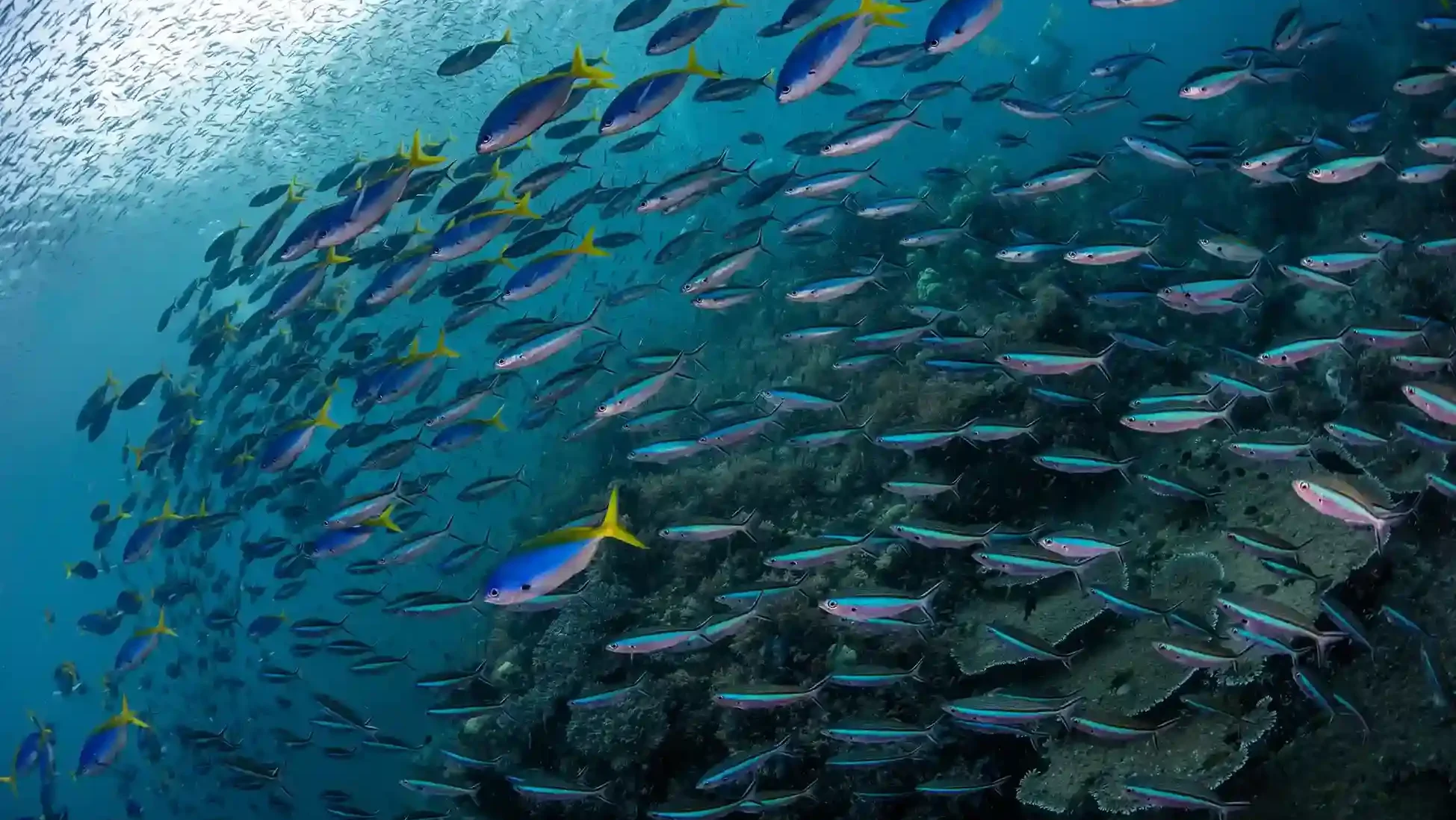
Komodo National Park’s marine realm encompasses one of the planet’s most spectacular submarine ecosystems, supporting an extraordinary concentration of species diversity rivaling any tropical reef destination. The confluence of cold nutrient-rich currents from the Indian Ocean depths with warm tropical waters creates a unique environmental niche supporting over 1,000 fish species, 260 coral species, and countless invertebrate organisms. This guide explores the remarkable marine fauna that makes Komodo a premier diving and snorkeling destination for underwater naturalists and adventure seekers.
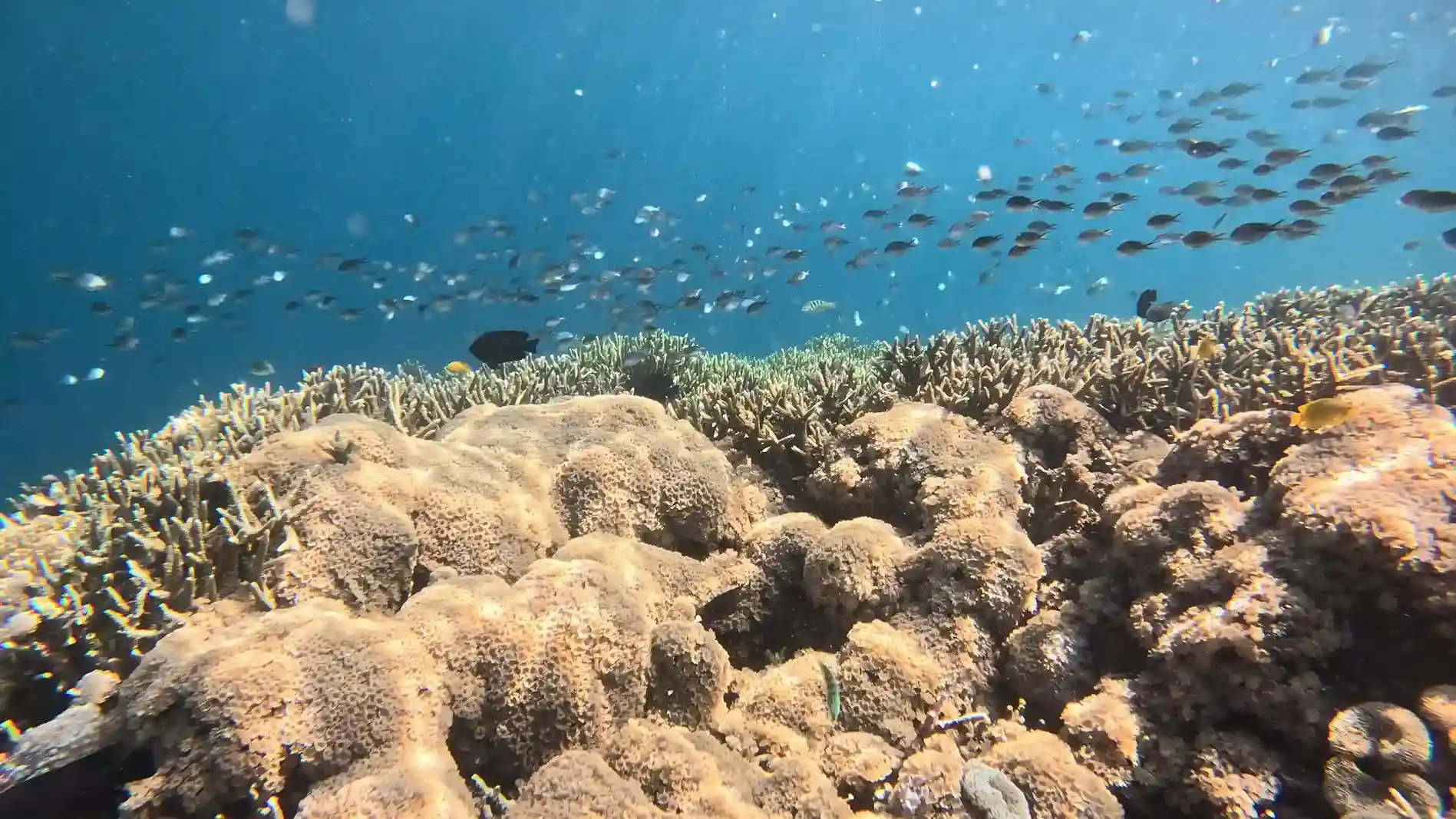
Komodo’s coral reef systems support fish communities of astonishing diversity, with families representing hundreds of distinct species adapted to specific reef microhabitats. Colorful parrotfish congregate in species-specific schools, their feeding activities producing much of the sand visible on pristine beaches—a single parrotfish can produce over one ton of sand annually through their coral-grazing activities.
Damselfish establish and fiercely defend small territories within coral colonies, their aggressive behavior astonishing relative to their diminutive size. The iconic clownfish, immortalized in popular cinema, maintain mutualistic relationships with host sea anemones, receiving shelter while providing cleaning services and pest removal to their hosts. Angelfish display remarkable coloration variations, with juvenile and adult forms so distinctly pigmented they appear to be entirely different species.
Surgeonfish schools conduct coordinated feeding expeditions across reef surfaces, their synchronized movements appearing choreographed. These herbivorous specialists consume vast quantities of algae, preventing macroalgae overgrowth that would smother delicate coral colonies. Groupers, among the reef’s apex fish predators, employ stealth hunting strategies, rapidly accelerating to capture prey with minimal warning.
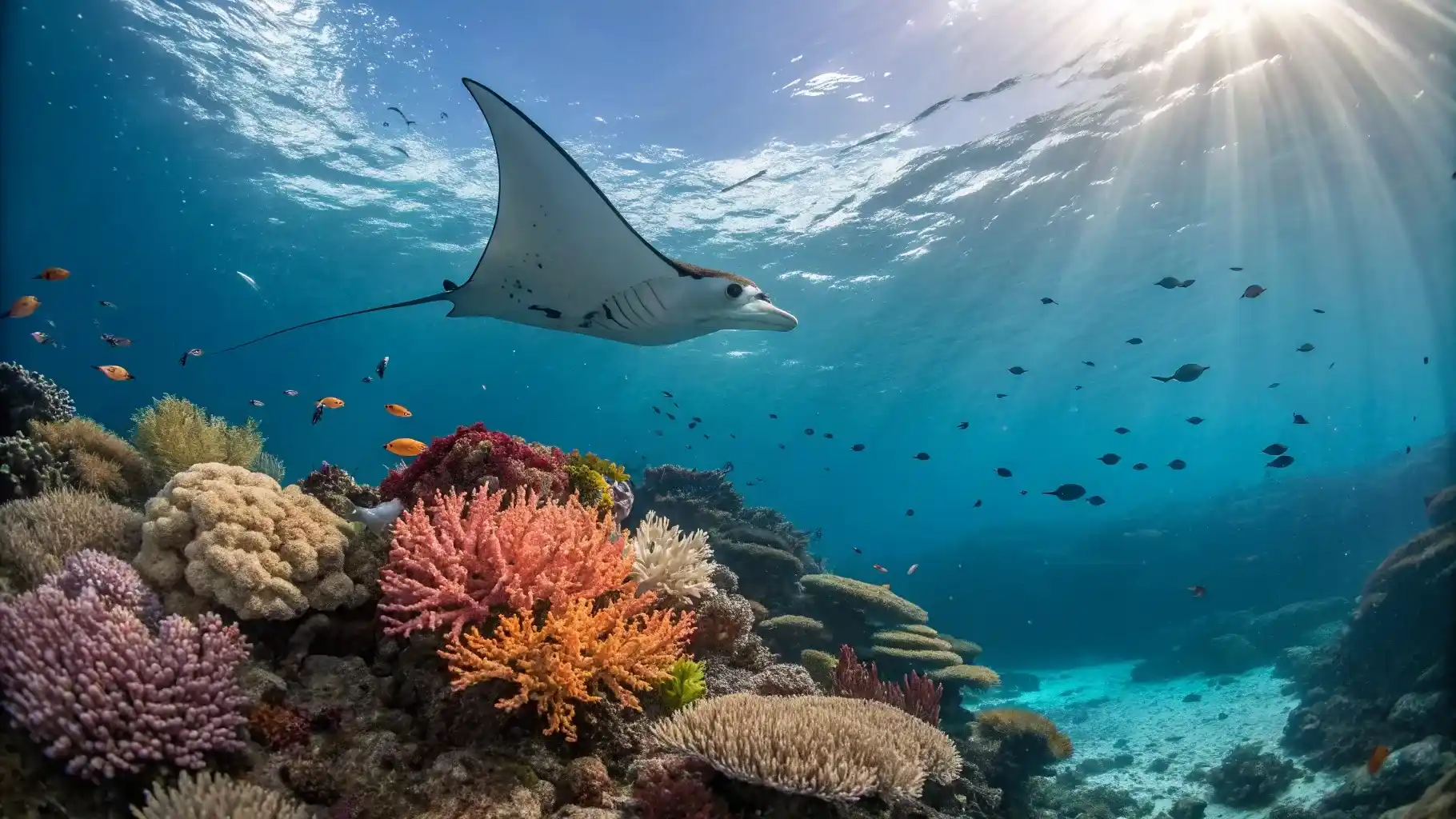
Komodo’s currents attract pelagic species typically found in open ocean environments, creating exceptional opportunities for encounters with large marine animals. Manta rays, with wingspans exceeding 6 meters, arrive seasonally to feed on concentrated plankton concentrations. These gentle filter-feeders display remarkable intelligence and curiosity, often approaching divers in peaceful interaction.
Eagle rays drift through the water column with undulating grace, their spotted dorsal surfaces creating recognizable silhouettes. Reef sharks, including blacktips and whitetips, patrol reef structures as apex predators, their presence indicating healthy reef ecosystems. Hammerhead sharks, with their distinctive head formations providing sensory advantages, occasionally appear in deeper waters and current-swept channels.
Sea turtles represent another iconic marine species frequenting Komodo waters. Both green and hawksbill turtles inhabit reef environments, with females returning to specific beaches for nesting during seasonal breeding periods. Observing these ancient mariners in their natural habitat creates profound wildlife encounter experiences unavailable elsewhere.
Barracuda schools pass overhead in coordinated formations, their streamlined bodies and powerful jaws representing apex predatory evolution. Trevally species similarly patrol in organized schools, their hunting techniques demonstrating sophisticated pack coordination. Large groupers can exceed 200 kilograms, representing the reef’s most massive fish residents.
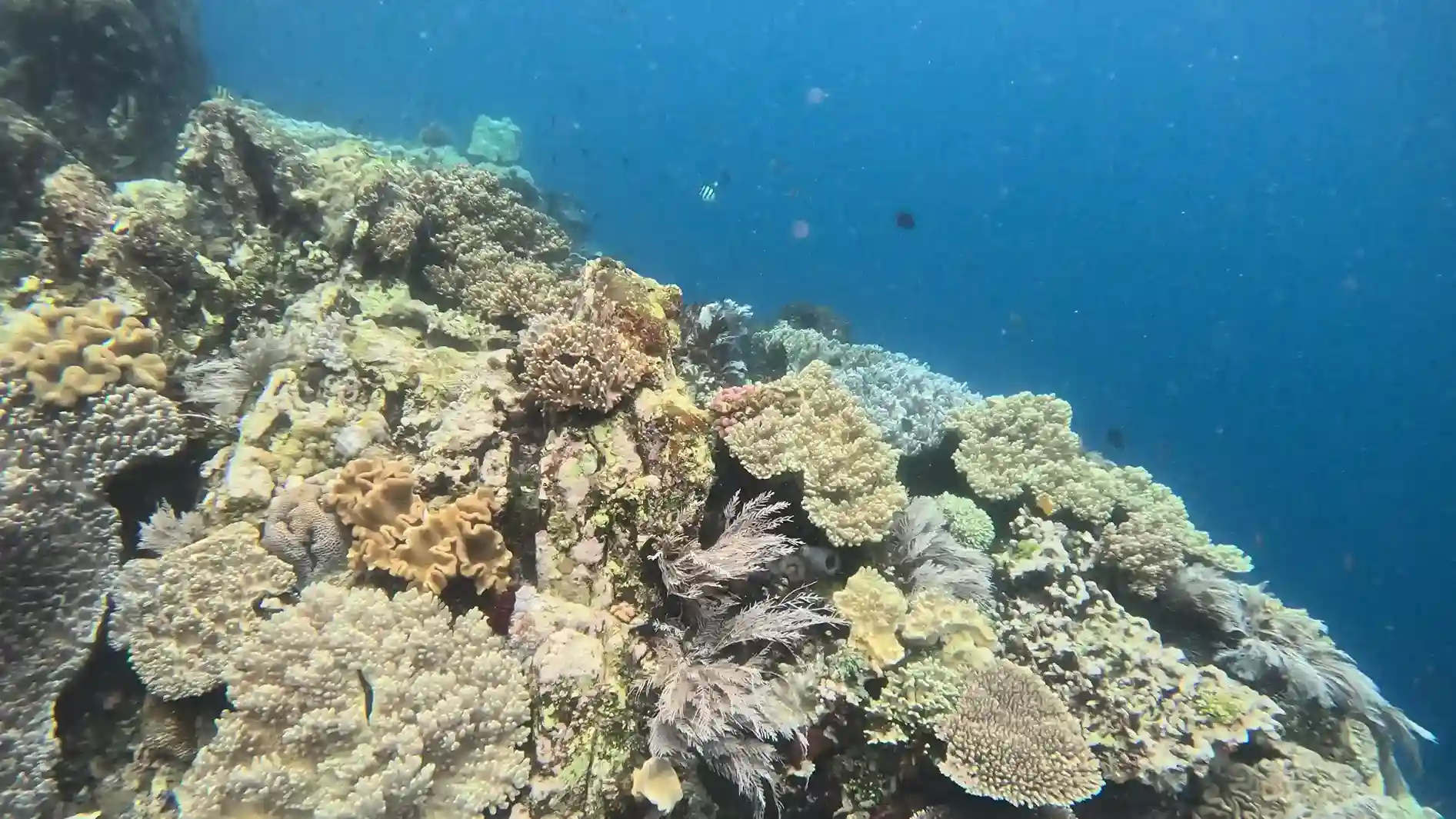
Komodo’s coral reefs display remarkable structural complexity and exceptional health compared to many global reef systems. Hard coral species including acropora, porites, and favia create three-dimensional frameworks providing habitat structure for thousands of interdependent organisms. These branching and massive formations grow millimeters annually, with some colonies hundreds or even thousands of years old.
Soft corals—including alcyonarians, gorgonians, and sea fans—add dramatic coloration and movement to reef environments. These colonial animals extend polyps during daytime feeding periods, creating living curtains of remarkable color variation. Nighttime diving reveals dramatic transformations as different nocturnal species emerge to feed while daytime inhabitants retreat into crevices.
The reef’s biological productivity depends critically on nutrient cycling through this complex framework. Coral polyps, despite living in nutrient-poor tropical waters, thrive through zooxanthellae symbiosis—single-celled algae within coral tissues conducting photosynthesis and providing essential nutrients to host organisms.
Komodo’s invertebrate fauna encompasses thousands of species ranging from microscopic organisms to large cephalopods. Nudibranchs, shell-less mollusks exhibiting remarkable coloration patterns, represent nature’s most flamboyant invertebrates. These hermaphroditic creatures possess chemical defense mechanisms acquiring toxins from consumed prey organisms.
Octopuses demonstrate remarkable intelligence, problem-solving abilities, and color-changing capabilities surpassing nearly all other invertebrates. Giant clams, massive bivalves exceeding one meter in length, anchor themselves permanently to reef substrate while photosynthesizing through symbiotic algae. Sea urchins, starfish, and sea cucumbers occupy crucial ecological roles processing organic matter and controlling algal growth.
Crustaceans including lobsters, crabs, and shrimp occupy specialized reef niches. Mantis shrimp possess the animal kingdom’s most complex visual systems, capable of perceiving polarized light and ultraviolet wavelengths invisible to human eyes. Their raptorial hunting strikes accelerate faster than bullets, with strike forces comparable to .22-caliber rifle impacts.
Sponges, often overlooked by casual observers, represent foundational reef organisms filtering plankton and producing biochemical compounds with pharmaceutical potential. Some sponge species possess defensive compounds showing promise against cancer and bacterial infections in human medical applications.
Marine life distribution and species composition vary dramatically across seasonal cycles driven by temperature fluctuations, current patterns, and breeding calendars. Dry season months (June-September) bring cooler water temperatures and strong currents concentrating nutrients and attracting large pelagic species. These same conditions create challenging diving with strong currents but exceptional animal encounter probabilities.
Manta ray season peaks during dry season months when plankton concentration peaks. Whale sharks, the ocean’s largest fish species, occasionally appear during specific seasonal windows. Dolphins and occasionally whales pass through park waters during migration periods, their presence adding to the remarkable megafauna diversity.
Wet season (January-March) brings warmer temperatures, reduced currents, and calmer conditions. Fish breeding seasons align with food abundance, with larvae recruitment driving population replenishment. Nocturnal species activity intensifies as food availability increases, making night diving exceptionally productive during this period.
Despite protected status, Komodo’s marine ecosystems face ongoing threats from climate change, ocean acidification, and unsustainable fishing pressures in surrounding waters. Rising sea temperatures stress coral-zooxanthellae symbiosis, potentially triggering bleaching events. Ocean acidification reduces the pH of seawater, compromising calcifying organisms’ ability to construct shells and skeletal structures.
Illegal fishing in adjacent waters impacts marine populations, potentially affecting species that migrate through the park. Conservation efforts focus on marine protection zone expansion, sustainable tourism management, and climate resilience research. International scientific collaborations facilitate ongoing monitoring and research guiding adaptive management strategies.
The park’s marine protected areas remain among Indonesia’s healthiest reef systems partly due to protection status and reduced extractive pressures. Continued conservation commitment remains essential for maintaining these ecosystems for future generations.
Popular diving sites include Cauldron, featuring dramatic rock formations and strong currents attracting pelagic species; Manta Point, the premier manta ray encounter location during dry season; and Batu Bolong, an underwater pinnacle supporting dense fish concentrations. Crystal Bay offers excellent macro photography opportunities and occasional hammerhead shark encounters. Tatawa Islands provide accessible diving for intermediate skill levels with excellent coral health and fish diversity.
Snorkeling sites require less technical expertise while still offering remarkable marine life encounters. Gili Lawa offers pristine reef conditions and abundant fish species. Sebayur Island provides sheltered bay snorkeling opportunities. Komodo’s western coast sites like Nusa Kode feature accessible snorkeling with dramatic rock formations and healthy reefs.
Site selection depends heavily on current conditions, seasonal factors, and individual skill levels. Professional dive operators assess conditions daily and select optimal sites based on real-time weather and sea state observations. Trust experienced operator recommendations regarding site appropriateness for your abilities.
Sustainable marine tourism requires visitor responsibility protecting the ecosystems we travel to experience. Never touch corals—contact damages delicate polyps and removes protective mucous layers. Maintain safe distances from marine animals, allowing their natural behaviors to continue undisturbed. Avoid stepping on reef structures while snorkeling; use boat anchors rather than reef anchoring.
Refrain from collecting shells, corals, or other marine specimens—these organisms function ecologically within reef communities. Never feed fish, as artificial feeding disrupts natural feeding behaviors and creates unhealthy food dependencies. Dispose of all waste properly; even small items lost in water can harm marine organisms through ingestion or entanglement.
Select dive and snorkeling operators implementing marine protection practices including mooring buoy use, marine life harassment prevention, and active reef conservation initiatives. Your tourism choices directly impact conservation outcomes.
Open water certification suits most sites, though some locations with strong currents benefit from advanced open water or drift diving specialization. Some operators accept uncertified divers on supervised shallow dives (maximum 12 meters). Prior diving experience proves valuable given Komodo’s occasionally strong currents and challenging conditions.
Manta season peaks June through September, when plankton concentrations attract feeding mantas. Manta Point represents the premier sighting location during optimal conditions. However, mantas appear unpredictably—arrival isn’t guaranteed regardless of season. Accept manta encounters as bonuses rather than guaranteed activities.
Reef sharks typically avoid humans, displaying no interest in prey items substantially larger than their typical food organisms. Documented shark attacks on divers in Komodo remain extremely rare. Sharks indicate healthy reef ecosystems; their presence reflects ecological balance rather than danger. Follow guide instructions regarding animal interactions and maintain respectful distances.
Water temperatures range from 25-29°C depending on season. Dry season brings cooler temperatures (25-26°C) while wet season waters reach 29°C. These temperatures suit most divers without thick wetsuits, though 3mm suits provide comfort during extended diving. Temperature variations across depth create thermocline layers occasionally visible during deeper dives.
Komodo offers exceptional macro and wide-angle photography subjects. Colorful reef fish, nudibranch species, and dramatic reef structures provide enduring composition opportunities. Large animal encounters create compelling wide-angle images during optimal current conditions. Professional photographers often hire specialized guides or conduct multiple dives targeting specific photographic subjects.
Komodo’s currents vary from gentle to very strong depending on location, season, and tidal phase. Dry season brings strongest currents (June-September), often exceeding one knot. These strong currents concentrate nutrients and attract pelagic species but require competent diving technique. Drift diving, where currents transport divers through water columns, proves standard practice at premium sites.
Absolutely—Komodo’s exceptional snorkeling offers remarkable marine life encounters without diving certification requirements. Shallow reef areas support abundant fish species, sea turtles, and occasionally larger pelagic animals. Snorkeling duration limitations (breath holding or simple snorkels) don’t significantly reduce wildlife encounter probabilities at premier snorkeling sites.
Stonefish, sea urchins, and fire corals represent the primary hazards. Shuffle feet when entering water to avoid stepping on stonefish or rays. Never touch unidentified organisms. Wear appropriate footwear in shallow waters. Respect all creatures’ space. Following basic safety protocols virtually eliminates marine accident risks in this destination.