Depth Range Difficulty Level Current Strength Highlights 5-35m Intermediate-Advanced Moderate-Strong Sea fans, pristine wall
Pengah Kecil stands out as one of Komodo’s most distinctive and sought-after diving destinations. The site’s unique characteristics combine to create an exceptional underwater experience that attracts divers from around the world. Whether you’re seeking encounters with specific marine life, exploring unique geological formations, or pushing your diving skills to new levels, Pengah Kecil delivers exceptional value and exceptional moments.
The site’s location within Komodo National Park means you’re diving in a protected area with strict regulations designed to preserve marine ecosystems. This protection ensures that the reefs remain healthy, fish populations stay robust, and you experience diving as it should be—in pristine, biodiverse environments. Every aspect of Pengah Kecil, from its topography to its marine communities, has evolved to create something genuinely special.
Our experienced guides know Pengah Kecil intimately. They understand the seasonal patterns, know where to find the best marine life, and can interpret what you’re seeing in ways that deepen your appreciation. They’ll show you details you might miss on your own and ensure you have the safety briefing and support needed to dive confidently in this remarkable location.
Diving Pengah Kecil isn’t just about the dive itself—it’s about becoming part of a community of divers who appreciate world-class diving experiences. You’ll meet fellow enthusiasts, share stories and photos, and forge connections with people who understand why Komodo diving matters. The site’s reputation attracts serious divers, creating a culture of respect for the environment and appreciation for the privilege of diving these waters.
Pengah Kecil hosts a remarkable diversity of marine life adapted to the specific conditions of this dive site. The animals you encounter have evolved perfect strategies for survival in these waters, and understanding their behaviors and ecological relationships enriches every dive.
Fish populations at Pengah Kecil are notably abundant and varied. Reef fish include colorful damselfish, butterflyfish, and parrotfish that interact with the coral ecosystem. Larger fish like trevally, groupers, and snappers hunt effectively through the reef structures and open water. Pelagic species occasionally pass through, creating exciting moments when they appear without warning.
Invertebrates deserve special attention at Pengah Kecil. Nudibranchs display incredible diversity and colors—each species specialized for feeding on specific prey. Sea stars, sea urchins, and crustaceans occupy every ecological niche. Octopuses are masters of camouflage, changing color and texture instantly. Cephalopods demonstrate intelligence and problem-solving abilities that fascinate observant divers.
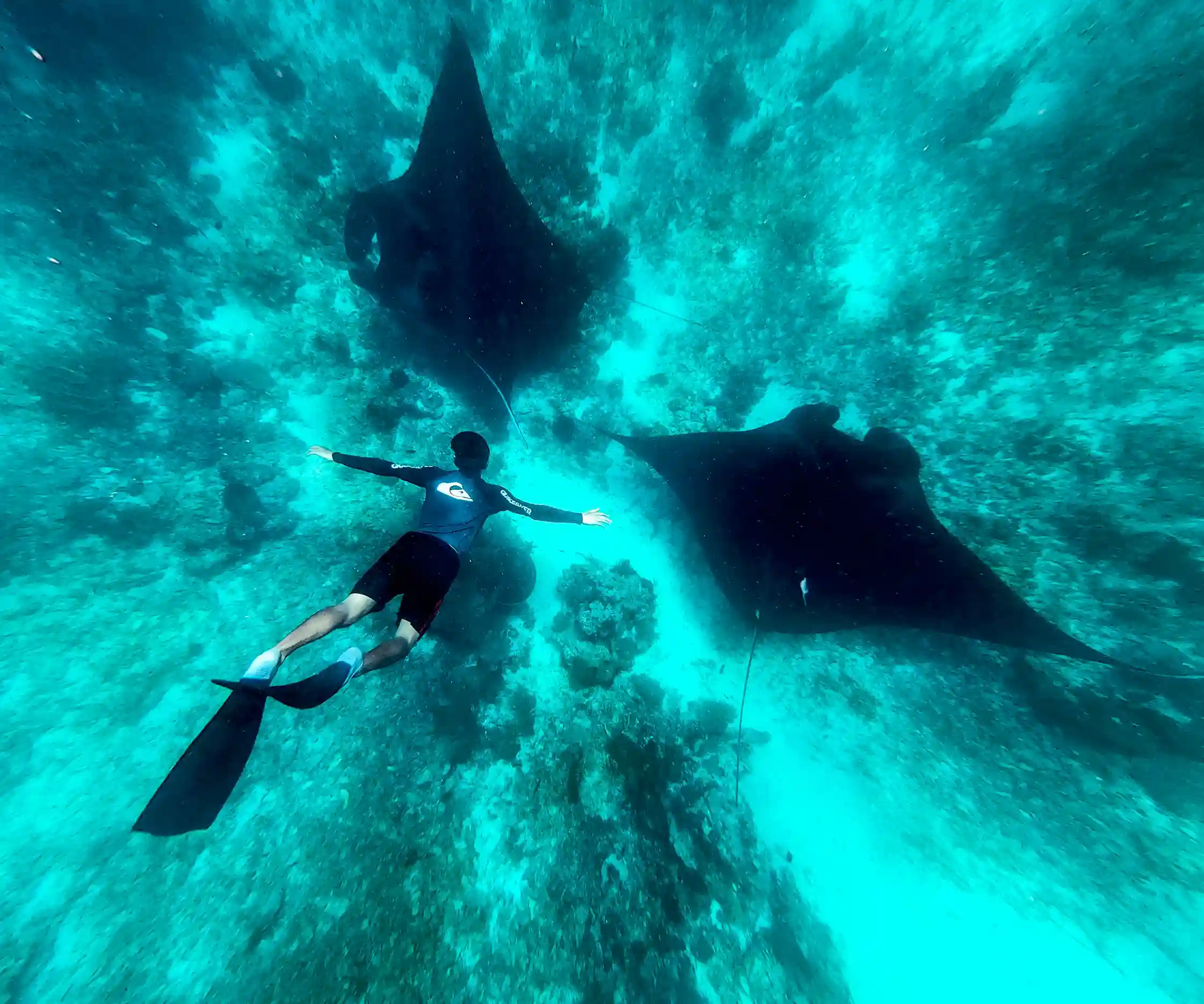
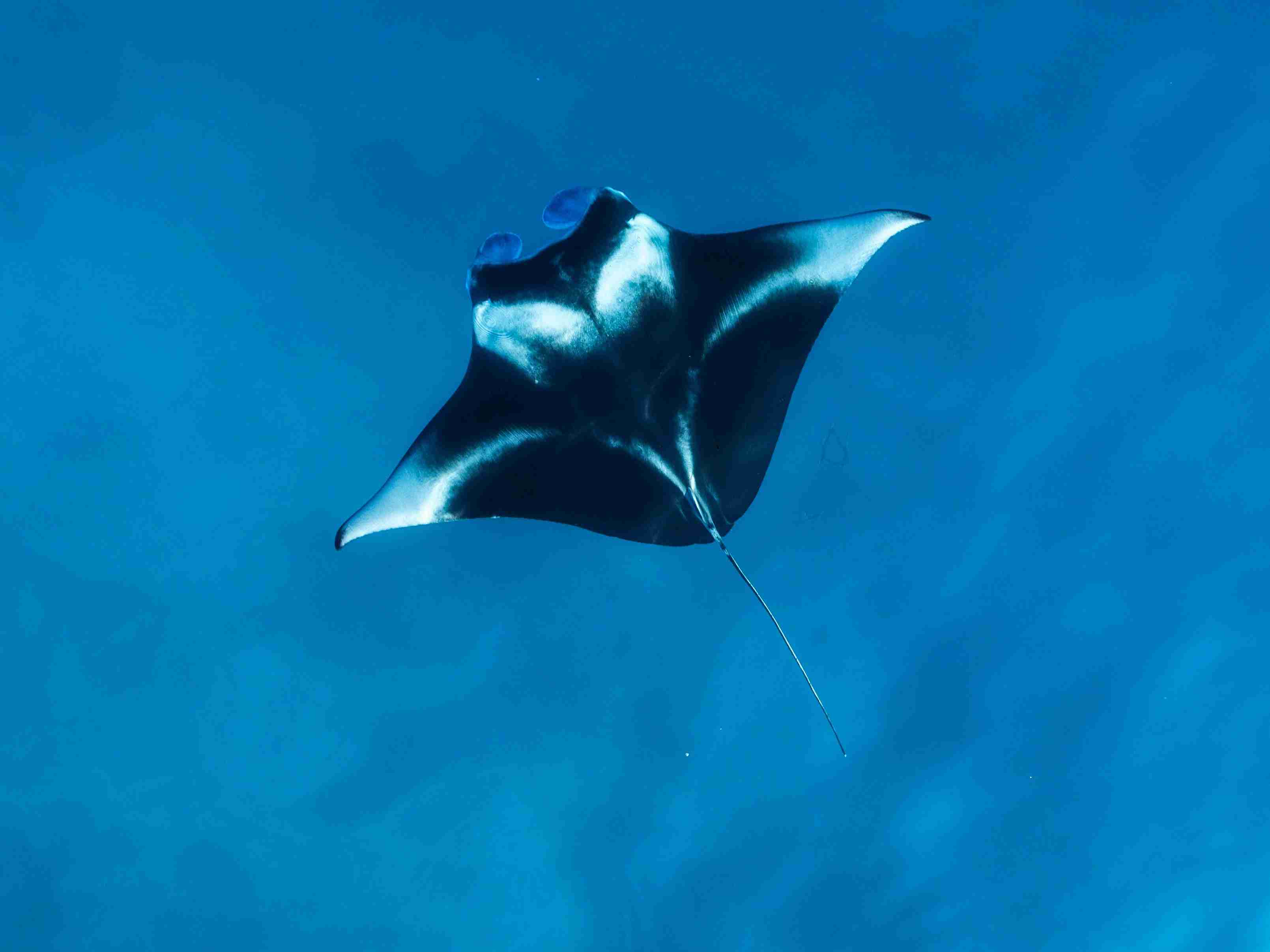
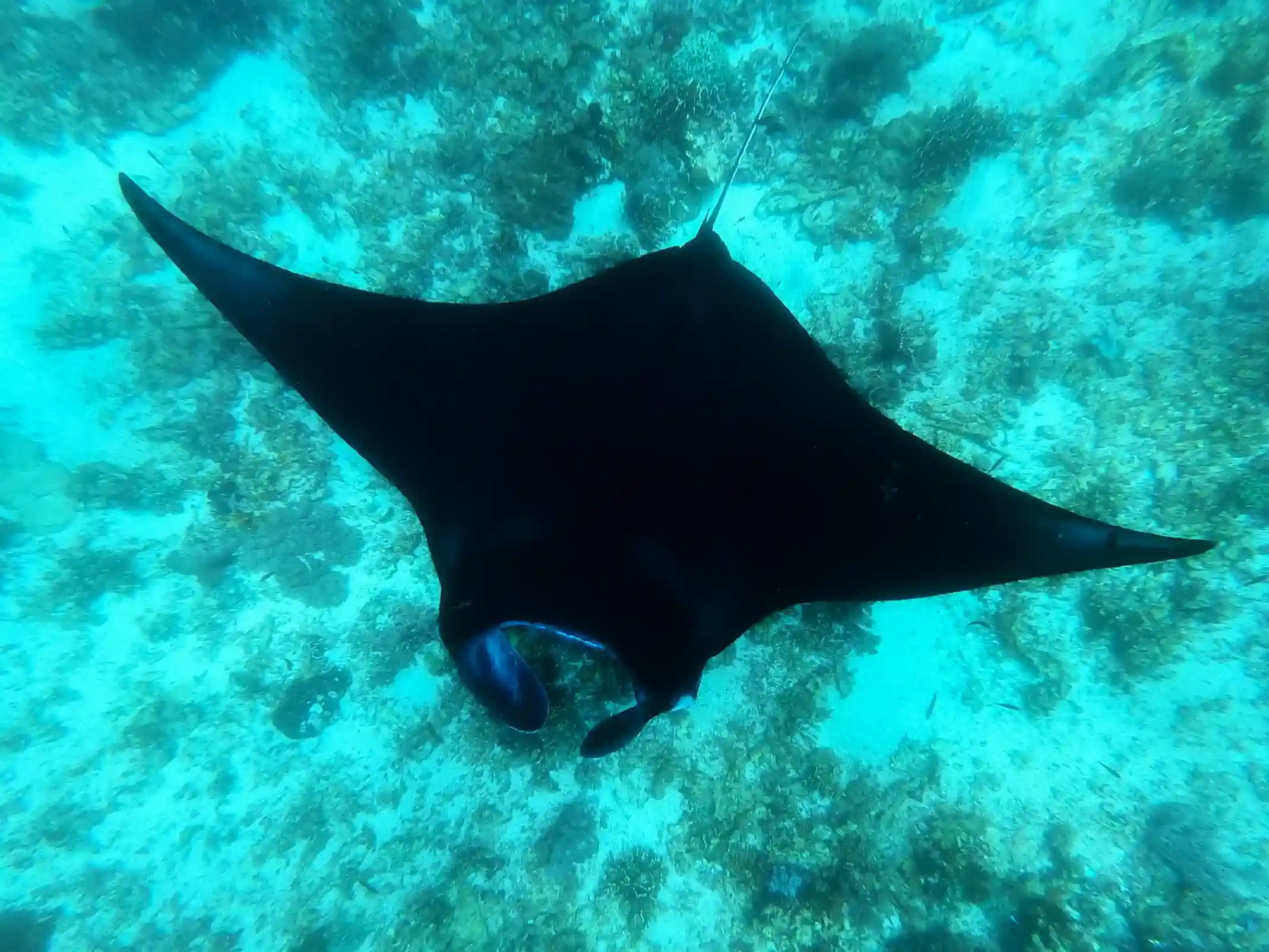
Larger marine animals including turtles, rays, and sharks represent the apex of the food web. These creatures play critical roles in maintaining reef health and ecosystem balance. Encountering them is a privilege and a reminder of the importance of marine conservation efforts throughout the oceans.
Understanding the diving conditions at Pengah Kecil is essential for safe, enjoyable diving. Conditions vary seasonally and even daily, so always brief with your guide about current conditions before entering the water.
Water temperature at Pengah Kecil typically ranges from 25-29°C (77-84°F) depending on season. A 3-5mm wetsuit provides thermal protection for most dives. Visibility generally ranges from 10-25 meters, excellent for observing marine life and experiencing the site’s key features. Currents vary from mild to strong depending on location and season.
Buoyancy control is crucial for safe diving at Pengah Kecil. Practice hovering without moving, maintaining steady depth, and ascending/descending smoothly. Never use corals as hand-holds or resting places. Always stay aware of your buddy’s position and maintain visual contact throughout the dive.
Pre-dive safety briefing covers descent points, planned depth and time, current expectations, emergency procedures, and pickup location. Follow these briefings exactly. Use dive computers to monitor depth and bottom time. Conduct proper safety stops—they’re not optional. Ascend slowly, especially in the final 5 meters where nitrogen offgassing is critical.
The optimal diving season at Pengah Kecil generally extends from April through December, when dry season weather brings calmer seas and better visibility. However, Pengah Kecil offers worthwhile diving year-round for those prepared for varying conditions.
Dry season (July-September) typically provides the most stable weather, calmest seas, and most favorable conditions. Early morning dives often yield the best visibility and most active marine life. Water temperature remains warm, and the predictable conditions make advanced dives safer and more enjoyable.
Shoulder seasons (April-June and October-December) offer excellent diving with fewer crowds. Water temperatures are still comfortable, visibility remains good, and conditions are generally favorable. These periods are ideal for divers who want excellent conditions without peak season crowds.
Wet season (January-March) brings more variable weather, occasional strong currents, and reduced visibility. However, some sites are still diveable and may offer unique advantages. Always coordinate with experienced local operators who understand seasonal patterns in detail.
Accessing Pengah Kecil safely and comfortably requires professional boat support. Our Komodo boat charter service specializes in getting divers to this remarkable site with minimal hassle and maximum safety.
We offer multiple access options: daily dive trips for divers based in Labuan Bajo, and multi-day Komodo liveaboard diving expeditions for comprehensive explorations. Our professional skippers know the waters intimately, understand seasonal conditions, and ensure safe, efficient transportation.
Daily trips depart Labuan Bajo harbor in the early morning, with surface interval between dives and lunch breaks. Liveaboard experiences allow extended stays at multiple sites, reducing travel time and maximizing diving opportunities. Both options include experienced dive guides and safety equipment.
Our fleet includes vessels of various sizes designed specifically for diving operations. Equipment is regularly maintained, safety systems are comprehensive, and crew training exceeds industry standards. Every trip prioritizes diver safety and comfort.
Pengah Kecil sits within Komodo National Park’s incredible diving region. Nearby sites offer diverse experiences and excellent multi-site dive itineraries. Many divers combine Pengah Kecil with other locations for comprehensive Komodo explorations.
Our Komodo diving guide provides detailed information about regional geography and site selection. The boat fleet can efficiently move between nearby sites based on conditions and diver interests. Check our contact page for planning assistance and site recommendations.
Popular combinations with Pengah Kecil take advantage of proximity and shared logistics. Professional guides help design optimal itineraries matching diver experience levels and interests. Sequential site visits within a single day, or over multiple days, create comprehensive Komodo diving experiences.
The Komodo region’s incredible site density means you’re never far from your next great dive. Logistical efficiency in traveling between sites, combined with the variety of different dive experiences available, makes Komodo an ideal destination for diving vacations of any length.
Pengah Kecil’s southern location and less frequented position make it less developed and less crowded than some northern sites. This remoteness contributes to a sense of adventure and potentially more pristine marine environments.
Sea fans are soft corals with delicate branching structures. They provide crucial habitat for small creatures and are important indicators of current flow and water quality. Their presence shows healthy reef conditions at Pengah Kecil.
Yes, Pengah Kecil is ideal for intermediate-advanced divers. The depth range of 5-35 meters and moderate to strong currents require solid skills. The wall structure and varied terrain offer excellent opportunities for experienced divers.
Wall dives create a sense of exploring a vertical landscape with dramatic drop-offs. You can explore different depths and communities while maintaining visual reference to the wall. The panoramic views and concentrated marine life make wall dives incredibly rewarding.
Walls attract schooling fish seeking shelter, predatory fish hunting in the blue water, and grazing fish feeding on the wall structure. You’ll see everything from small reef fish to large pelagics passing by in the open water.
Monitor your depth, air consumption, and distance from the wall. Maintain good buoyancy to avoid drifting away or bumping into the coral. Stay alert for pelagic fish that may appear suddenly in the blue water.
Wide-angle lenses capture the wall’s scale and structure with fish for scale. Switching to macro can reveal the intricate coral growth and small creatures. Composition that includes the water column creates dramatic depth perception in images.
April to December offers the best conditions with better visibility and more predictable currents. The dry season (July-September) typically provides optimal diving conditions for exploring this remote southern site.
Have questions about this dive site or want to book your Komodo diving adventure?
Our team is ready to help you plan the perfect dive trip to Komodo National Park.