Best Diving Liveaboards in Komodo 2026 Ready to Book Your Komodo Adventure? Chat with our charter experts on WhatsApp for personalized recommendations and instant quotes. WhatsApp Us Now
Komodo diving liveaboards offer dedicated diving experiences with multiple daily dives, professional guides, and world-class marine environments. These specialized vessels cater exclusively to divers seeking optimal bottom time and site access.
Premium diving liveaboard with advanced facilities, professional dive masters, unlimited air, and nitrox availability. Spacious cabins, excellent cuisine, and spa services. Perfect for serious divers.
Mid-range liveaboard offering 4-5 dives daily, professional instruction, and good dive facilities. Comfortable cabins and decent meals at excellent value.
Well-established diving liveaboard with experienced crew, multiple daily dives, nitrox support, and quality equipment. Solid choice for dedicated divers.
Reliable dive vessel offering 3-4 dives daily, professional dive guides, and basic but comfortable accommodations. Excellent value for budget-conscious divers.
Economical liveaboard providing quality dives, experienced guides, basic cabins, and simple meals. Great for divers prioritizing dive quality over luxury.
Budget-friendly option with dedicated dive programming, professional instruction, and economical pricing. Suitable for divers on tight budgets.
Very economical liveaboard for divers wanting authentic experiences at minimal cost. Basic comfort but quality dives and professional guides.
Ultra-budget liveaboard for truly budget-conscious divers. Very basic amenities but access to Komodo dive sites and professional guides.
| Liveaboard | Price/Night | Dives/Day | Nitrox |
|---|---|---|---|
| Scubaspa Zen | $11,700 | 5+ | Yes |
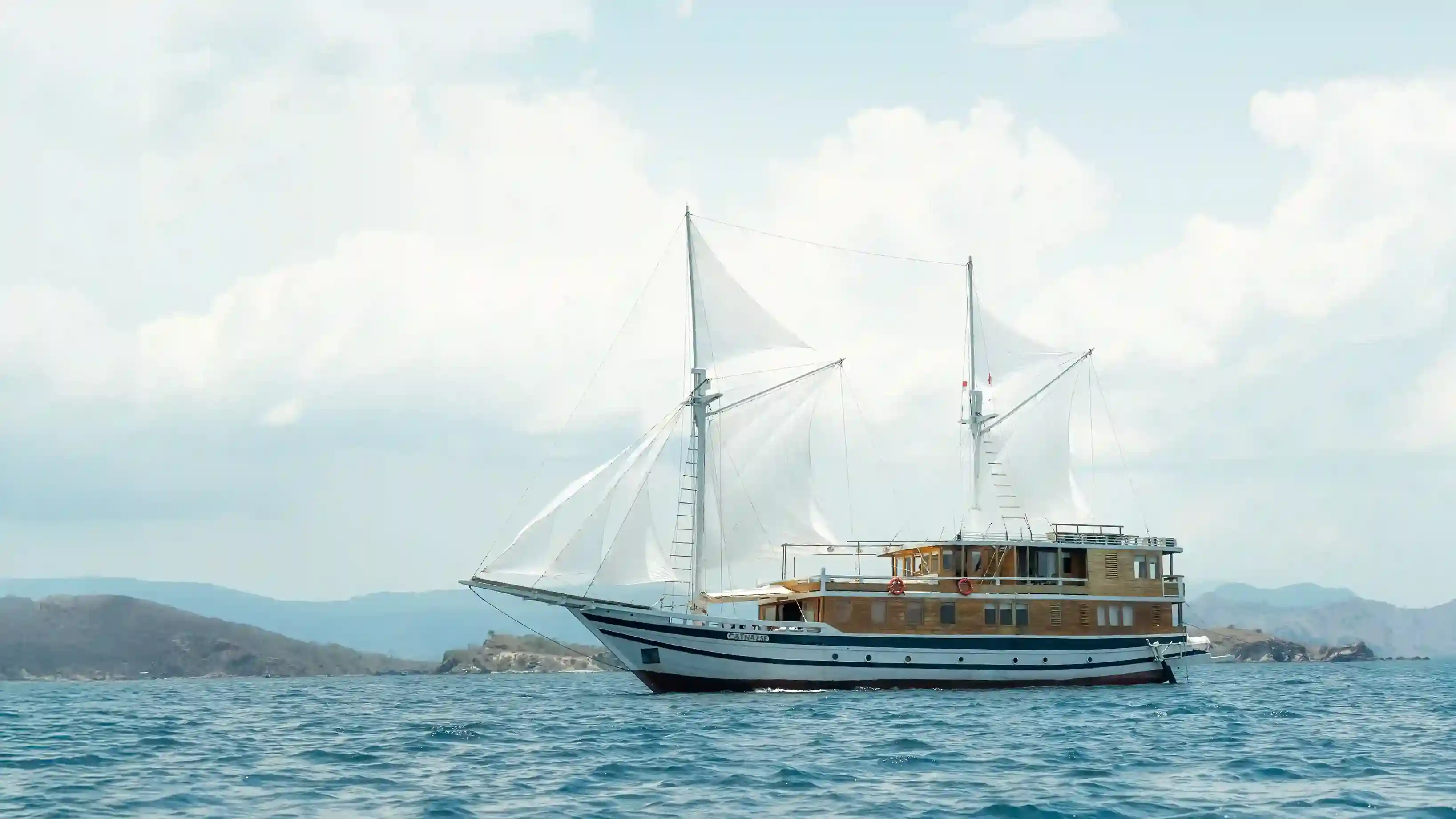
| Catnazse | $6,125 | 4-5 | Yes |
| Jakare | $5,000 | 4 | Yes |
Komodo National Park’s underwater realm ranks among the planet’s most extraordinary marine ecosystems. The convergence of the Indian and Pacific Oceans creates nutrient-rich currents that sustain an astonishing diversity of marine life—over 1,000 fish species, 385 coral species, and regular encounters with manta rays, reef sharks, sea turtles, dolphins, and occasionally whale sharks. Water temperatures range from 26-29°C, with visibility typically between 15-30 meters, creating ideal conditions for underwater exploration year-round during the April-November charter season.
A diving liveaboard provides the ultimate platform for accessing Komodo’s best dive sites. Unlike day-trip operations limited to sites within 30-60 minutes of Labuan Bajo, liveaboards position directly at remote sites like Batu Bolong, Castle Rock, Crystal Rock, and Manta Alley—enabling dawn dives before day boats arrive, sunset dives after they depart, and night dives at sites inaccessible to shore-based operations. The combination of unlimited dive access, professional equipment, and expert guidance creates an immersive underwater experience unmatched by any other format.
We evaluate diving liveaboards across seven dimensions: dive operation quality (equipment, safety protocols, guide expertise), vessel stability and comfort, cabin accommodation, cuisine and dining, crew-to-guest ratios, itinerary design for maximum dive site coverage, and overall value relative to charter rate. Each vessel has been assessed based on documented specifications, diver feedback, safety records, and operational reputation within the Komodo diving community.
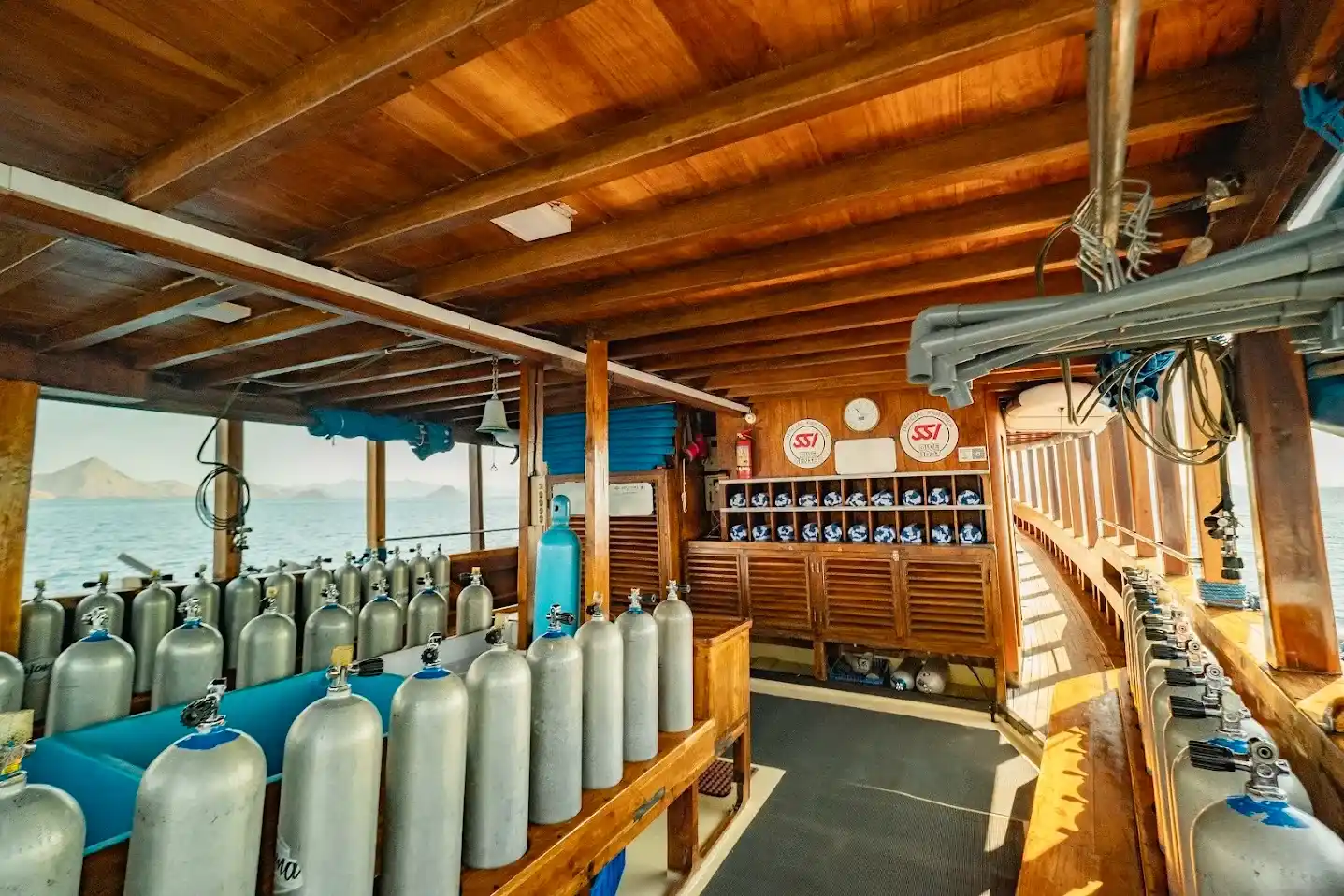
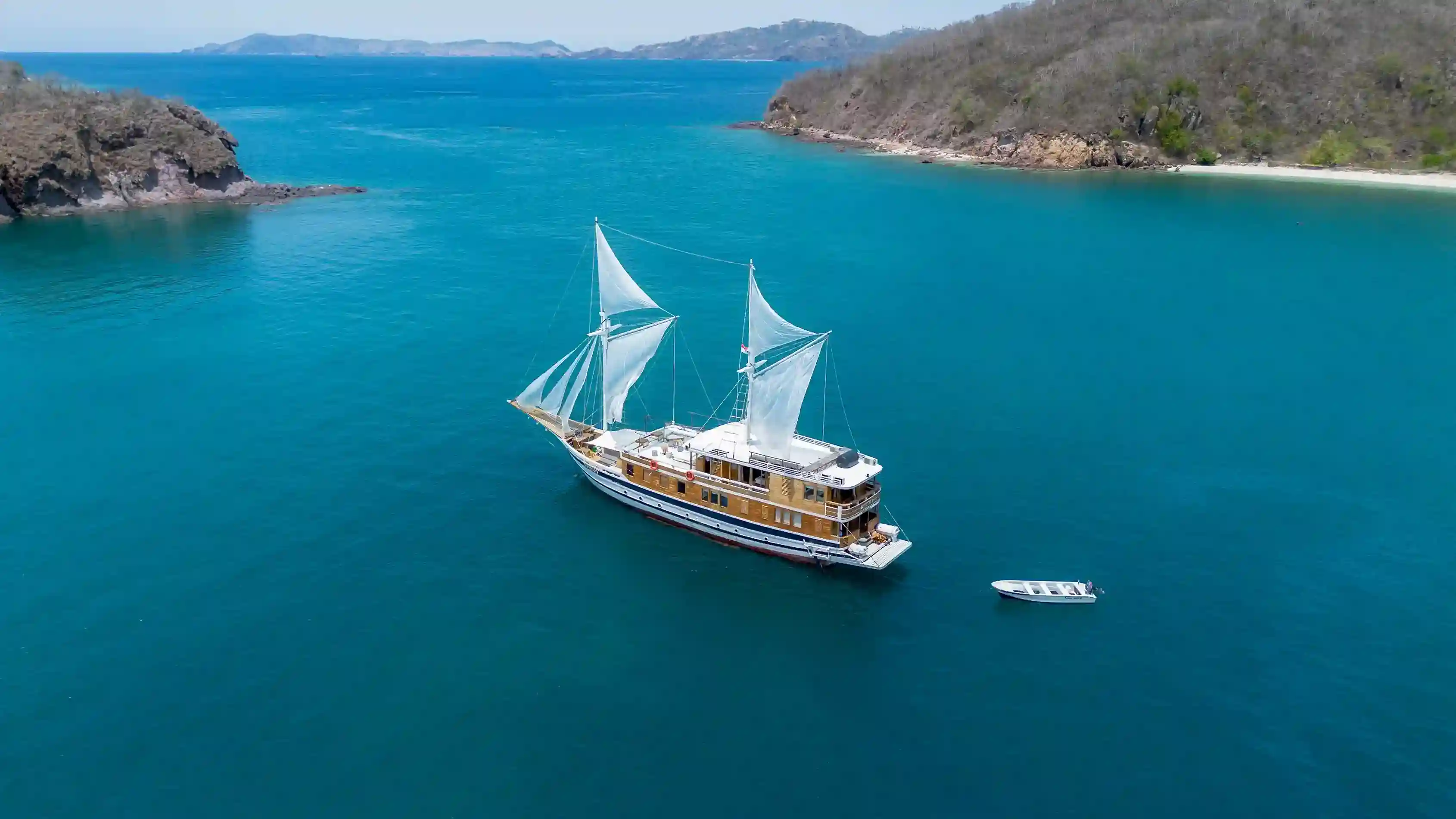
Scubaspa Zen redefines the liveaboard concept by combining world-class diving facilities with a full-service spa aboard a 62-meter vessel. With 11 cabins accommodating up to 22 guests and an extraordinary crew of 30 (including 4 certified dive masters), Scubaspa Zen delivers a 1.4:1 crew-to-guest ratio that ensures every dive is expertly supervised and every surface interval is luxuriously comfortable. The dedicated dive deck spans the full beam of the vessel, with individual gear stations, hot freshwater showers, camera rinse tanks, and a nitrox membrane system. Between dives, guests access the onboard spa for therapeutic massages, the infinity-edge pool, and a gourmet kitchen producing five-star cuisine. At $7,375 per night, Scubaspa Zen delivers exceptional per-person value for groups seeking premium diving with resort-level comfort.
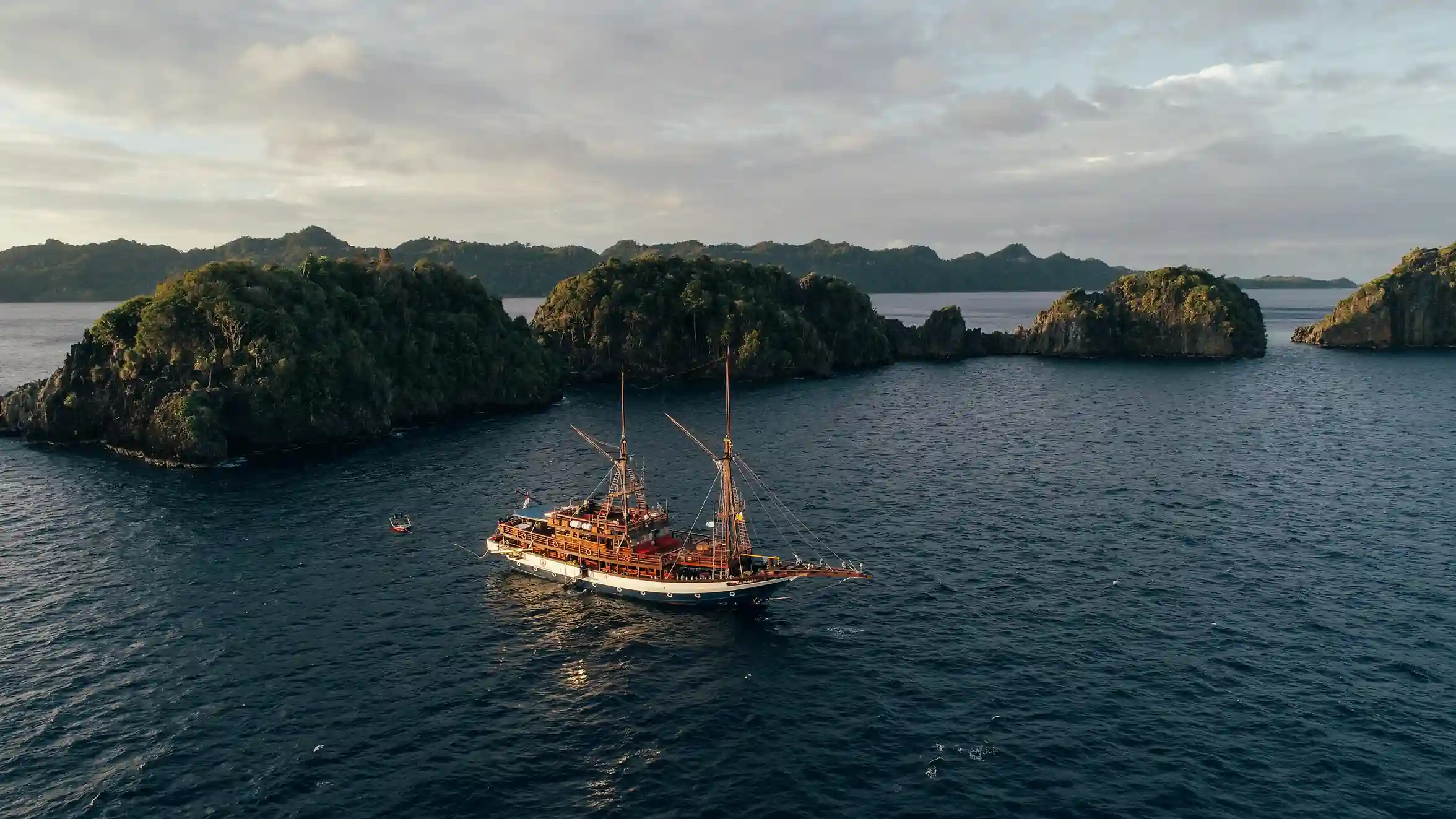
Jakare delivers an intimate diving experience aboard a beautifully restored 35-meter traditional phinisi. With five cabins for 10 guests and a crew of 14, Jakare maintains a 1.4:1 crew-to-guest ratio that translates to personalized dive briefings, tailored underwater guidance, and the flexibility to extend dives at exceptional sites. The vessel’s experienced dive master has logged over 3,000 dives in Komodo waters, with encyclopedic knowledge of seasonal marine life patterns, current behaviors, and macro photography subjects at every site. Jakare’s traditional wooden construction provides authentic character, while modern safety and navigation systems ensure reliable operations. At $5,000 per night, she represents outstanding value for dedicated divers seeking quality over quantity.
Katharina offers a proven dive platform at accessible pricing. This 38-meter traditional phinisi accommodates 12 guests across six cabins with a crew of 15, delivering a 1.25:1 crew-to-guest ratio. Two dedicated dive guides manage groups of six, ensuring personalized attention at Komodo’s challenging drift dive sites. The dive deck is efficiently designed with gear storage, rinse stations, and a camera preparation area. Katharina’s standard 4-night itinerary covers 12-16 dives across Komodo’s premier sites, with a track record of consistent manta ray encounters at Manta Point and Manta Alley. At $3,750 per night, Katharina delivers the most accessible luxury liveaboard experience in the Komodo fleet.
Anne Bonny appeals to experienced divers seeking technical challenge alongside comfort. This purpose-built liveaboard carries dedicated technical diving equipment including stage tanks, decompression gases, and advanced buoyancy systems for deep exploration beyond recreational limits. The vessel’s dive operation supports both recreational and technical certifications, with guides experienced in Komodo’s deep walls, pinnacles, and current-swept channels. Five cabins accommodate 10 guests in comfortable quarters with ensuite bathrooms, air conditioning, and personal gear storage. For divers seeking to push beyond standard recreational diving in one of the world’s most dynamic underwater environments, Anne Bonny delivers capabilities unmatched by conventional charter vessels.
Ilike serves budget-conscious divers seeking reliable liveaboard access to Komodo’s dive sites without premium pricing. The vessel provides clean, functional accommodation in well-maintained cabins with ensuite facilities, competent dive operations with experienced guides, and standard 3-4 night itineraries covering core Komodo dive sites. While lacking the luxury amenities of higher-priced vessels, Ilike delivers the essential liveaboard advantage—positioning at remote dive sites for multiple daily dives—at pricing accessible to a broader range of divers.
A submerged pinnacle rising from 70 meters to just below the surface, Batu Bolong is consistently ranked among the world’s top 10 dive sites. Strong currents attract massive schools of fusiliers, surgeonfish, and trevally, while resident white-tip and grey reef sharks patrol the deeper walls. The pinnacle’s 360-degree exposure creates constantly shifting current patterns that reward experienced divers with extraordinary pelagic encounters. Liveaboards can time dives for optimal current conditions, arriving at dawn when marine activity peaks before day boats reach the site.
These twin pinnacles north of Komodo Island offer some of the most adrenaline-charged diving in the park. Strong currents funnel nutrient-rich water across the rocky formations, attracting dense schools of barracuda, giant trevally, Napoleon wrasse, and seasonal manta rays. Crystal Rock’s shallower profile (topping at 5 meters) supports vibrant soft coral gardens in protected pockets between current-swept ridges. Both sites require experienced guides who understand the complex current patterns—a strength of dedicated liveaboard operations with site-specific expertise.
Komodo’s manta cleaning stations provide reliable encounters with oceanic manta rays (Mobula birostris), with wingspans reaching 5 meters. Liveaboards position at these sites during early morning when mantas are most active at cleaning stations, before day-trip boats arrive mid-morning. Extended surface intervals between dives at manta sites allow multiple encounters throughout the day, maximizing the probability of close-range observations. Water temperatures at manta sites typically range from 23-27°C (slightly cooler due to upwelling), with visibility of 10-20 meters.
These accessible sites offer spectacular reef diving suitable for all certification levels. Gradual slopes covered in table corals, staghorn formations, and soft coral gardens host thousands of reef fish including clownfish, angelfish, butterflyfish, and lionfish. Green and hawksbill sea turtles are regular residents. These sites serve as ideal first dives for groups with mixed experience levels, allowing certified divers to explore deeper walls while snorkelers enjoy the shallow reef crest from above.
All ranked liveaboards carry comprehensive safety equipment exceeding Indonesian maritime requirements. Dive-specific safety includes surface marker buoys (SMBs) for all divers, emergency oxygen systems, automated external defibrillators (AEDs), dive computers available for guest use, and communication equipment for surface-to-shore emergency coordination. Vessels maintain documented maintenance schedules for all dive equipment, including annual regulator servicing, cylinder hydrostatic testing, and BCD inflation system checks.
Nitrox (enriched air) availability varies by vessel. Scubaspa Zen operates an onboard membrane system producing unlimited nitrox. Jakare and Katharina carry pre-filled nitrox tanks with limited availability. Divers planning extended bottom times or multiple daily dives should confirm nitrox availability during booking. All vessels carry standard air compressors for recreational diving.
Optimal dive conditions in Komodo coincide with the dry season from April through November. July through September offers the best combination of calm seas, warm water temperatures, and peak manta ray activity at cleaning stations. However, shoulder months (April-June and October-November) provide excellent diving with fewer boats at popular sites—a significant advantage for underwater photography and unhurried marine encounters.
Standard liveaboard charters run 3-5 nights, with 4 nights recommended for comprehensive site coverage. A typical 4-night itinerary includes 12-16 dives across 8-10 different sites, progressing from easier reef dives to challenging drift dives as guides assess guest capabilities. Non-diving companions are accommodated on all ranked vessels with snorkeling equipment, island excursions, and onboard amenities ensuring enjoyment regardless of dive certification status.
PADI Open Water (or equivalent) is the minimum requirement for most dive sites. Advanced Open Water certification is recommended for current-intensive sites like Batu Bolong and Castle Rock. Some vessels offer Discover Scuba experiences for uncertified guests under professional supervision at calmer sites like Tatawa Besar.
Most liveaboards schedule 3-4 dives daily: a dawn dive (06:00), mid-morning dive (10:00), afternoon dive (14:00-15:00), and optional sunset or night dive. Actual dive counts depend on conditions, guest fitness, and nitrogen loading calculations. All vessels maintain conservative dive profiles prioritizing diver safety.
Several vessels provide underwater cameras for guest use, typically GoPro-level action cameras. Serious photographers should bring personal equipment. All ranked vessels provide fresh water rinse tanks for camera care. Scubaspa Zen and Jakare offer dedicated camera preparation areas with charging stations and workspace for housing assembly.
Komodo’s waters support extraordinary biodiversity. Common sightings include manta rays, reef sharks (white-tip, black-tip, grey), green and hawksbill sea turtles, Napoleon wrasse, giant trevally, barracuda schools, octopus, cuttlefish, nudibranchs, and thousands of reef fish species. Seasonal visitors include whale sharks (typically November-January) and hammerhead sharks at deeper sites. Pygmy seahorses, frogfish, and blue-ringed octopus reward patient macro photographers.
Contact our Komodo diving specialists via WhatsApp +62 811-3810-8110 to discuss your certification level, diving preferences, group size, and preferred dates. We’ll recommend the optimal liveaboard for your experience level and budget, and handle the complete booking process.
Dive Komodo’s World-Class Reefs
From manta encounters at Manta Alley to adrenaline drift dives at Batu Bolong, our liveaboard fleet delivers unmatched underwater access. WhatsApp us for availability and custom itineraries.
Day-trip dive operations from Labuan Bajo face inherent limitations that liveaboards overcome completely. Transit time to premium sites like Batu Bolong and Castle Rock consumes 2-3 hours each way by speedboat, limiting actual dive time and increasing fatigue. Day boats typically arrive at popular sites between 10:00-11:00 when multiple operators converge simultaneously, creating crowded conditions underwater. Surface intervals occur on rocking speedboats rather than stable liveaboard decks with comfortable lounges, fresh meals, and hot showers.
Liveaboards eliminate transit entirely by anchoring overnight at dive sites. Dawn dives at 06:00 access pristine, uncrowded sites before any day boats arrive—often the most productive period for marine life encounters as nocturnal predators finish hunting and diurnal species begin feeding. Extended surface intervals on stable platforms with premium amenities reduce fatigue, enabling 4 dives daily versus the typical 2-3 achieved on day trips. Night dives at remote sites reveal an entirely different ecosystem—hunting lionfish, foraging octopus, bioluminescent plankton, and sleeping reef fish in their nocturnal hiding positions.
For serious divers seeking to maximize their Komodo underwater experience, the liveaboard format delivers 60-100% more dive time, access to 3-4x more dive sites, substantially less crowding, and vastly superior surface comfort compared to day-trip alternatives. The price premium over multiple day trips is often modest when calculating per-dive costs, equipment rental savings, and included meals.
Essential diving gear to bring includes your own mask (proper fit is critical), dive computer (though vessels provide loaners), and reef-safe sunscreen (chemical sunscreens damage the corals you’re diving to see). Most liveaboards provide BCD, regulators, wetsuit (3mm recommended), fins, and weight systems included in the charter rate. Serious photographers should bring camera housings, strobes, and backup batteries—charging facilities are available on all ranked vessels but vary in capacity.
Non-diving essentials include quick-dry clothing, a wide-brimmed hat, reef-safe biodegradable sunscreen, insect repellent for island excursions, a light rain jacket for occasional showers, and prescription medications with documentation. Most liveaboards operate on limited generator schedules for charging, so portable power banks extend device availability during surface intervals and shore excursions. Cash in Indonesian Rupiah is useful for crew gratuities and any shore-side purchases during port stops.
| Vessel | Length | Cabins | $/Night | $/Person/Night | Dives Included |
|---|---|---|---|---|---|
| Scubaspa Zen | 62m | 11 | $7,375 | $335 | Unlimited + Nitrox |
| Jakare | 35m | 5 | $5,000 | $500 | 3-4/day |
| Katharina | 38m | 6 | $3,750 | $312 | 3-4/day |
| Anne Bonny | 32m | 5 | $4,200 | $420 | 3-4/day + Tech |
| Ilike | 30m | 5 | $3,500 | $350 | 3/day |
Per-person pricing assumes full vessel occupancy. Smaller groups benefit from the privacy of reduced occupancy but pay a higher per-person rate. All pricing includes accommodation, meals, and standard dive operations. Specialty equipment, advanced certifications, and premium beverages may incur supplemental charges depending on the vessel.
Several Komodo liveaboards offer PADI certification courses during charter, enabling non-divers to earn their Open Water certification while exploring one of the world’s premier dive destinations. The Discover Scuba Diving program provides a single-dive introduction requiring no prior experience, suitable for guests aged 10 and above. The full Open Water certification requires 3-4 days of combined theory, confined water practice, and open water dives—achievable during a 4-5 night charter with dedicated instruction from onboard PADI professionals. Advanced Open Water courses are available for certified divers seeking to extend their depth limits and learn specialties like drift diving, underwater navigation, and deep diving—all directly applicable to Komodo’s advanced dive sites.
Specialty courses particularly relevant to Komodo diving include the PADI Drift Diver certification (essential for sites like Batu Bolong and Castle Rock where currents drive the marine ecosystem), Underwater Photographer certification (maximizing your investment in underwater camera equipment), and Marine Ecology certification (deepening appreciation for Komodo’s extraordinary biodiversity). Course availability should be confirmed during booking, as instructor scheduling and educational materials require advance preparation.
Komodo National Park’s marine ecosystem depends on responsible diving practices by all visitors. All ranked liveaboards enforce strict no-touch policies for coral and marine life, proper buoyancy control requirements, and reef-safe sunscreen mandates. Several operators contribute directly to conservation through reef monitoring programs, manta ray identification databases, and financial support for park ranger patrols. Divers should maintain neutral buoyancy at all times, avoid touching or standing on coral formations, and maintain respectful distances from marine life—particularly manta rays at cleaning stations where close approach can disrupt essential parasite removal behaviors that support manta health and population sustainability.
When preparing for a diving liveaboard expedition through Komodo National Park, timing your visit between April and November ensures optimal underwater visibility often exceeding 25 meters. Most reputable liveaboard operators offer flexible itineraries that balance premier dive sites like Batu Bolong, Crystal Rock, and Manta Alley with surface intervals at pristine beaches along Padar and Rinca islands. Booking at least three to four months in advance during peak season (July–September) is strongly recommended, as the best vessels with experienced dive masters fill quickly. Consider operators that provide complimentary nitrox, dedicated camera rinse stations, and post-dive briefings to maximize both safety and photographic opportunities throughout your voyage.
A diving liveaboard is a vessel dedicated to diving experiences, offering multiple daily dives, professional instruction, diving equipment, and accommodations on the boat itself.
Most liveaboards require certification. Some offer certification courses; others require Open Water certification or equivalent.
Typical liveaboards offer 3-5 dives daily depending on conditions and guest capabilities. Advanced divers may do more.
Not all budget liveaboards offer nitrox. Premium vessels like Scubaspa Zen always have nitrox; mid-range boats often do; budget boats may not.
All liveaboards provide rental equipment. Higher-end boats offer premium gear; budget boats provide basic but functional equipment.
Recreational diving limits are 40 meters (130 feet). Some liveaboards offer advanced/technical training for deeper diving.
Chat with our charter experts on WhatsApp for personalized recommendations and instant quotes.