Planning your first Komodo boat charter adventure can feel overwhelming with countless considerations. This comprehensive guide walks through everything first-time charterers need to know, addressing common mistakes and setting realistic expectations for an exceptional Komodo experience.
Komodo offers something distinctly different from typical beach vacations. You’ll encounter strong currents requiring attentiveness while snorkeling, experience significant sun exposure requiring strategic protection, navigate physical demands including moderate hiking on uneven terrain, and maintain flexible expectations when weather changes plans.
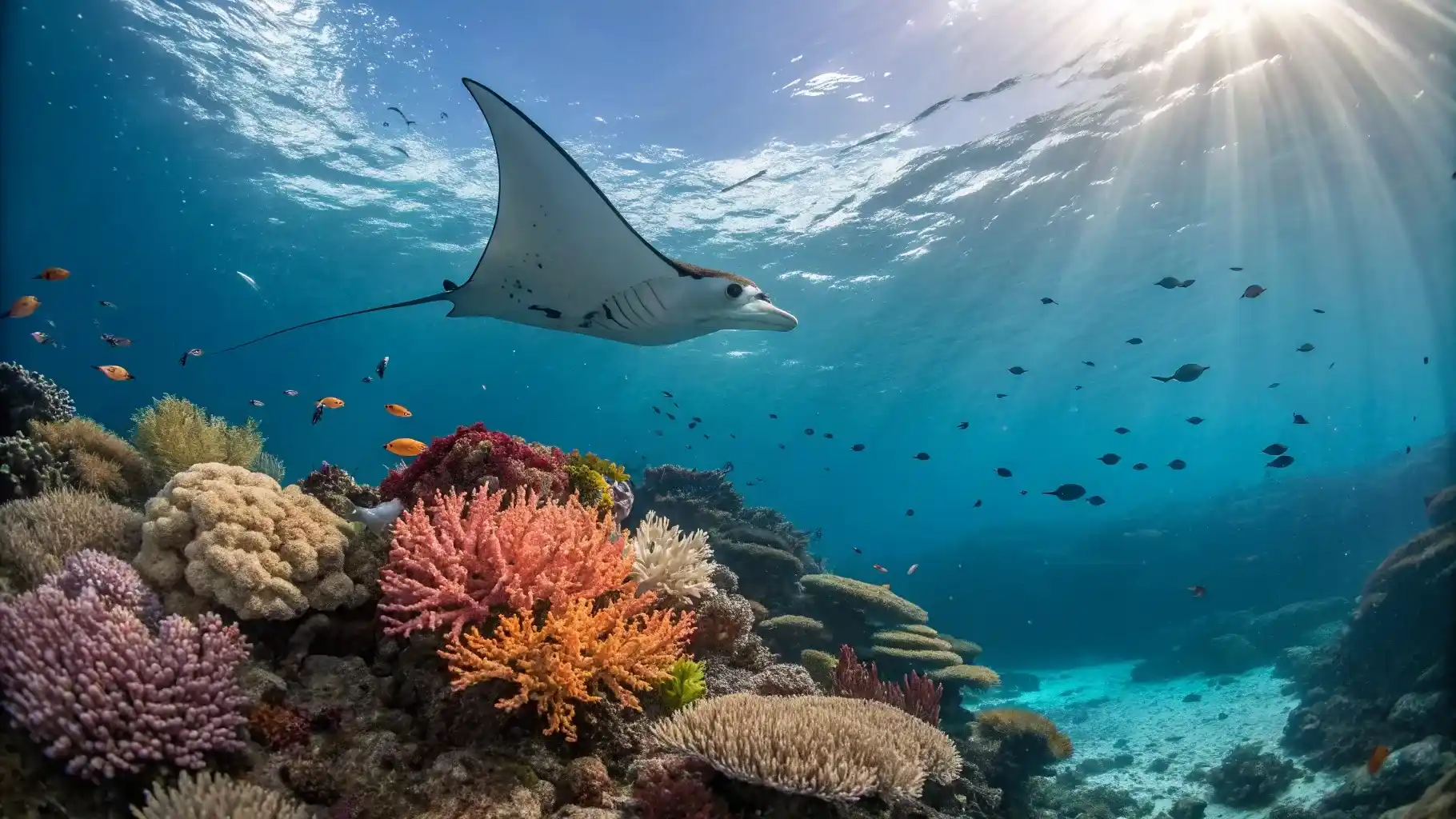
The marine environment includes numerous species: sharks are present but typically non-aggressive toward humans, jellyfish appear seasonally requiring awareness, sea urchins inhabit rocky areas, and stingrays occasionally cross paths. These encounters are natural and rarely dangerous with proper precautions and guide supervision.
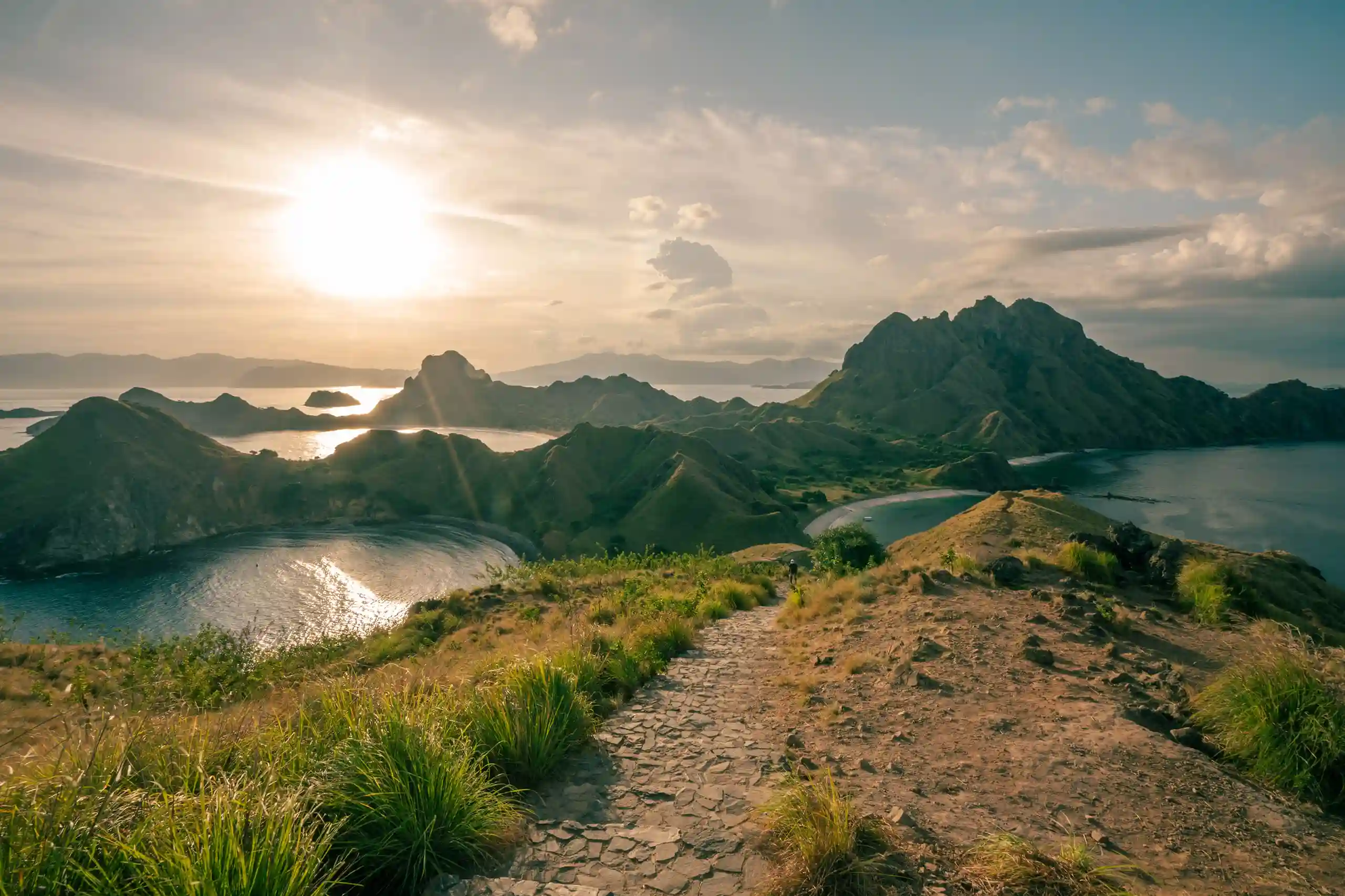
Komodo’s landscape is arid and dramatic—expect limited vegetation, volcanic geology, and substantial temperature variations between sun exposure and shaded areas. The islands are undeveloped with minimal infrastructure beyond what your yacht charter vessel provides.
Mistake 1: Underestimating Sun Exposure
Many first-timers drastically underestimate Komodo’s sun intensity. The tropical equatorial location, water reflection, and limited shade create extreme UV exposure. Sunburn can develop in 20-30 minutes despite cloudy appearances. Solution: Apply reef-safe SPF 50+ sunscreen before departure, reapply every 60-90 minutes, wear protective clothing and wide-brimmed hats, and consider a rash guard while snorkeling.
Mistake 2: Poor Physical Preparation
Dragon island walks involve steep terrain, rocky footing, and minimal shade over 1.5-2 hour durations. Participants with poor fitness levels struggle significantly. Solution: Begin cardiovascular and leg-strength training 4-6 weeks before your charter. Practice hiking similar terrain at home if possible. Discuss physical limitations with your operator when booking.
Mistake 3: Inadequate Seasickness Prevention
Many first-time maritime travelers experience unexpected seasickness from motion they underestimated. Solution: Consult your doctor about appropriate preventatives (dramamine, ginger, prescription patches). Request cabin placement amidships and below the waterline. Take medication before symptoms develop, not after.
Mistake 4: Ignoring Snorkel Equipment Requirements
Ill-fitting snorkel gear ruins the experience—leaking masks cause constant discomfort, oversized fins create cramping, and improper wetsuit sizing restricts movement. Solution: Invest in properly fitted personal snorkel gear (mask, fins, snorkel) before departure. Test equipment in your home pool beforehand.
Mistake 5: Poor Budget Planning
Hidden costs surprise first-timers: park entrance fees, guide tips, equipment rentals, travel insurance, vaccinations, and additional meals. Solution: Request complete pricing breakdowns during booking. Budget 30-40% extra beyond quoted prices. Confirm what’s included vs extra-cost items.
Medical Preparation: Visit your doctor 4-6 weeks prior to discuss vaccinations (Japanese Encephalitis is recommended), obtain antimalarial medication if traveling during wet season, and discuss any medications with potential interactions. Obtain copies of medical records and vaccination certificates. Purchase comprehensive travel insurance covering medical evacuation (essential in remote areas).
Physical Conditioning: Begin training 4-6 weeks before departure with cardio exercise (running, cycling, swimming), leg-strength training (squats, lunges), and hiking practice on varied terrain. Flexibility training through yoga or stretching improves comfort. Start gradually to prevent injury from overtraining.
Gear Acquisition: Purchase or rent: properly fitted snorkel equipment, reef-safe sunscreen (high SPF), protective clothing (rash guards, lightweight pants), sturdy hiking shoes with ankle support, medications for seasickness/pain/digestive issues, and photography equipment if desired. Break in new gear before departure.
Knowledge Building: Study marine life identification guides to enhance snorkeling experiences. Learn basic scuba/snorkel safety techniques. Research Komodo dragon behavior. Understand marine conservation principles. Watch documentary footage of Komodo environments.
Confirm all pre-charter communications: verify embarkation time and location, confirm your operator has received your medical history and dietary information, review weather forecasts for your charter dates, and arrange transportation to the embarkation port. Arrive at least 2 hours early for boarding to address any last-minute issues.
Pack strategically: soft duffel bags accommodate cabin spaces better than rigid luggage, limit personal items for easier cabin organization, wear comfortable travel clothes, and bring medications in original containers with prescriptions.
The first 24-48 hours involve acclimation. Many first-timers experience mild seasickness initially—this typically subsides quickly. Motion sickness medication should be taken before symptoms develop. Stay well-hydrated, eat regular meals, and avoid excessive sun exposure during initial days.
Engage with crew and fellow passengers during orientation. Ask questions about safety procedures, daily schedules, and emergency protocols. Attend mandatory safety briefings attentively—they cover essential information.
Your first snorkeling experience is best in calm, shallow locations with guides. Most operators begin with gentle spots allowing confidence-building before progressing to more challenging sites. Start conservatively even if you’re experienced—Komodo’s water conditions differ from home waters.
First-timers often expect itineraries to proceed exactly as planned. Reality includes weather changes, mechanical issues, and wildlife patterns differing from expectations. Success requires flexibility. Embrace spontaneity: unexpected dolphin encounters, unexpected macro photography discoveries, or unexpected island visits often exceed pre-planned activities.
Accept that you won’t accomplish everything. Komodo has infinite snorkel sites, countless photographic opportunities, and extensive hiking options. Choose selectively and fully enjoy selected experiences rather than rushing through multiple activities partially.
Develop a learning mindset. Your guides are experts—learn from them. Ask about coral identification, fish behavior, conservation challenges, and Komodo’s history. This knowledge enriches the experience exponentially.
Underwater photography requires specific equipment: waterproof cameras, smartphone cases, or dedicated underwater camera systems. Advanced photography benefits from strobes and diffusers. Even basic underwater shots enhance memory preservation. Remember: experience the moment first, photograph second.
Learn photography basics before departure: composition principles, white balance adjustments for underwater environments, and appropriate camera settings. Many snorkeling mistakes involve photographers spending excessive time on single shots instead of experiencing the broader experience.
Q: How do I know if I’m physically fit enough for Komodo?
A: You should comfortably walk 5+ km on varied terrain and climb stairs without excessive fatigue. Dragon island walks involve moderate exertion. If you have doubts, discuss with your operator about modified itineraries.
Q: What’s the most common first-timer mistake?
A: Underestimating sun exposure by far. Many first-timers severely underestimate Komodo’s sun intensity and end up with painful sunburns affecting their entire trip.
Q: Should I buy or rent snorkel gear?
A: Personal gear that fits properly dramatically improves comfort and safety. Rental equipment is often poorly maintained. Consider purchasing if you’ll snorkel multiple times.
Q: What if I get seasick?
A: Seasickness is manageable and usually temporary. Medication, cabin placement, and horizon-watching help significantly. Most first-timers acclimate after 24-48 hours.
Q: How do I communicate with my operator before departure?
A: Establish direct contact (email, WhatsApp, phone) at least 30 days before departure. Ask your operator for response times and preferred communication methods.
Q: What should my first snorkel site be like?
A: Ideal first sites have calm conditions, shallow depth (2-3 meters), and minimal current. Let your guide know you’re a first-timer so they can select appropriately gentle locations.