All reputable Komodo boat charter operators maintain vessels that comply with Indonesian maritime regulations and international safety standards. Before booking, verify that your chosen operator has valid safety certifications, including IMO (International Maritime Organization) compliance, proper life-saving equipment, and current insurance coverage. Ask for documentation of recent safety inspections and maintenance records.
Quality vessels feature regular safety inspections by maritime authorities. These inspections verify that safety equipment is in good working condition, structural integrity is sound, and crew qualifications meet standards. A reputable operator will openly share inspection results and maintenance schedules with prospective guests.
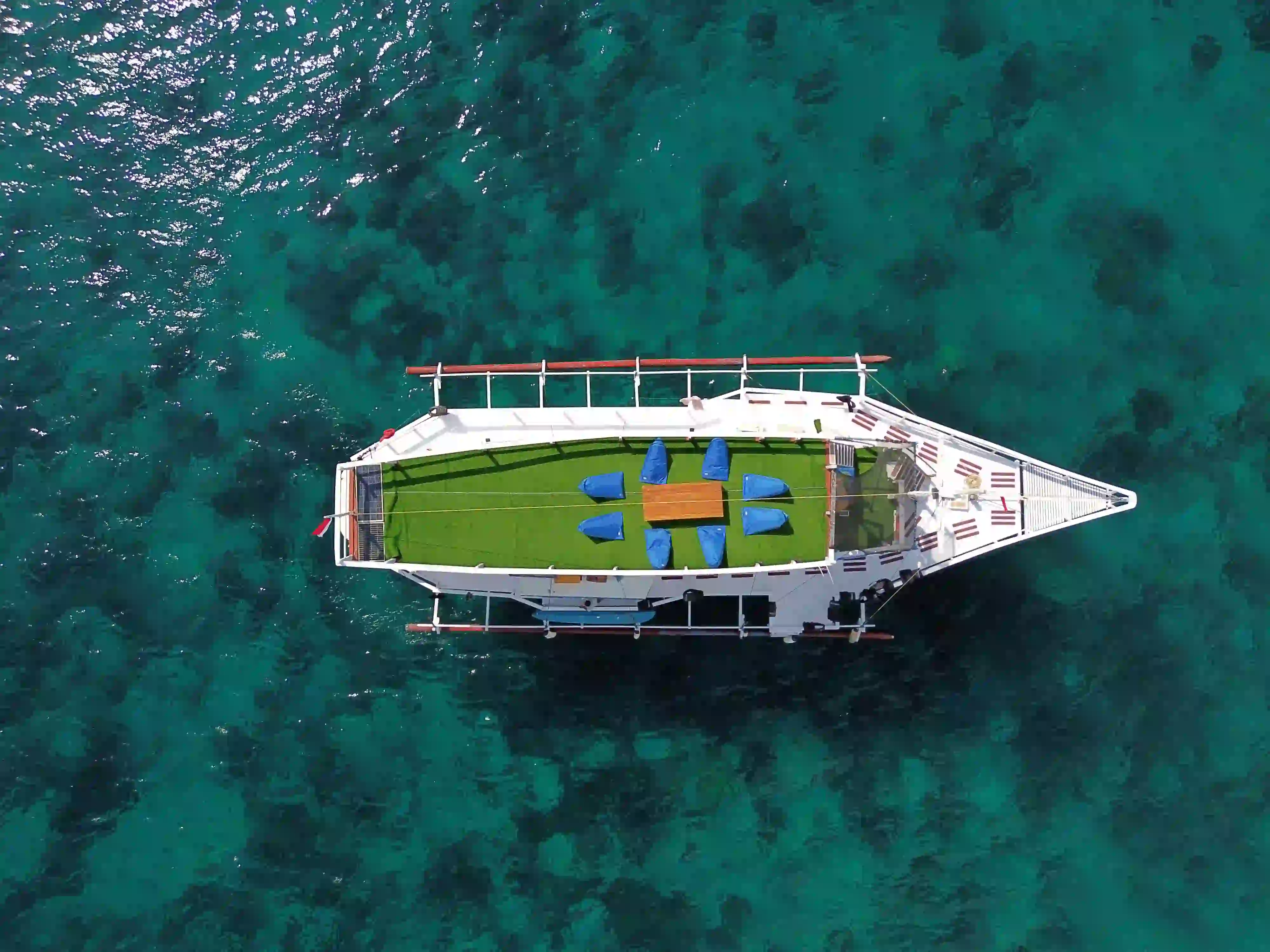
The vessel should be equipped with adequate life jackets for all passengers, life rafts with proper certification, fire suppression systems, first aid kits, emergency communication equipment, and navigation technology including GPS and radar. Crew members should be trained in emergency procedures and first aid.
Your captain should hold a valid maritime certificate appropriate for commercial vessel operation in Indonesian waters. Professional captains have extensive experience navigating Komodo’s waters, understanding local weather patterns, and managing various sea conditions. Ask about your captain’s experience, certifications, and familiarity with your planned route.
The crew, including dive masters, guides, and deck crew, should have relevant certifications. Dive masters should hold PADI (Professional Association of Diving Instructors) or equivalent certifications. Guides should be trained in guest safety and first aid. Crew members should speak English clearly and be able to explain safety procedures effectively.
Professional crews receive regular safety training covering emergency procedures, medical responses, passenger management during crises, and equipment operation. Ask your operator about crew training programs and how frequently safety drills are conducted.
Komodo experiences distinct seasons. The dry season (April-October) typically offers the best sailing conditions with calmer seas and better visibility. The wet season (November-March) brings higher winds, rougher seas, and increased rainfall. While charters operate year-round, conditions are more challenging during wet season months.
Monsoonal winds significantly impact safety. The East Monsoon (April-October) creates the calmest conditions, while the West Monsoon (November-March) can produce strong winds and challenging sea states. Your captain monitors weather forecasts continuously and will modify plans if conditions become hazardous.
Always discuss weather considerations before your charter departure. Understand how your operator handles adverse weather—will routes be modified, activities postponed, or the charter rescheduled? Reliable operators have clear protocols for managing weather-related challenges.
Before departing, your crew should conduct a comprehensive safety briefing covering life jacket usage, life raft procedures, emergency signals, muster stations, and how to respond to various emergencies. This briefing is mandatory and should be taken seriously. Pay close attention and ask questions if anything is unclear.
The safety briefing should include information about the vessel’s layout, location of emergency equipment, proper use of life jackets, emergency procedures specific to your charter route, communication methods if someone becomes separated from the group, and how to signal for help. Good operators repeat key safety information throughout your charter.
Strong currents are common around Komodo’s islands and anchorages. Always swim only in designated areas approved by your crew and with a guide present. Never swim alone, and always wear a life jacket if you’re not a confident swimmer. Your crew will brief you on current conditions and swimming safety for each location.
Ocean conditions change throughout the day. What’s safe for swimming in the morning might be hazardous in the afternoon due to changing tides and currents. Trust your crew’s judgment about when and where it’s safe to enter the water. If conditions are unsafe, your crew will cancel swimming rather than risk guest safety.
Be aware of marine life. While most sea creatures avoid human contact, understanding what lives in Komodo waters helps you respect wildlife and avoid dangerous interactions. Your guides will provide information about sharks, jellyfish, sea urchins, and other marine life you might encounter.
Snorkeling in Komodo is generally safe when proper protocols are followed. Always snorkel with a buddy and within sight of the boat. Wear a life jacket even if you’re a strong swimmer—it provides flotation and makes you highly visible. Use properly-fitting snorkeling equipment, and ensure your breathing is comfortable before entering the water.
Respect designated snorkeling areas. Your crew selects locations based on conditions, wildlife presence, and safety considerations. Don’t venture beyond the approved area, even if something interesting appears in the distance. Straying from the group creates safety risks and disrespects marine protection regulations.
Be aware of your swimming ability. If you’re not a confident swimmer, inform your guide and use a life jacket. Many inexperienced swimmers successfully snorkel in Komodo with proper equipment and guidance. Never pretend to have more ability than you actually possess.
Watch for signs of fatigue, cold water effects, or discomfort. Return to the boat if you feel unwell. There’s no penalty for cutting short a snorkeling session to prioritize your comfort and safety.
Diving in Komodo is an incredible experience but requires proper training and adherence to safety protocols. Dives should be led by certified PADI dive masters who understand Komodo’s specific diving conditions, hazards, and marine life. Your dive master will conduct thorough safety briefings before each dive.
Know your diving limits. Komodo diving can feature strong currents, significant depth, and varied underwater conditions. Don’t attempt dives beyond your certification level. If you’re newly certified or unsure about conditions, inform your dive master. They can adjust dive plans or provide additional supervision.
Maintain proper diving discipline: stay with your buddy at all times, manage air consumption, respect depth limits, and follow all hand signals and instructions from your dive master. Equipment should be well-maintained and properly fitted. Never skip safety checks before entering the water.
Decompression sickness (the bends) is a serious diving hazard. Follow the dive profile recommended by your dive master, don’t exceed depth or bottom time limits, and maintain appropriate ascent rates. If you experience symptoms of decompression sickness after diving, inform crew immediately.
Food and water safety is critical in Komodo charter operations. Reputable operators maintain strict food handling procedures, including proper refrigeration, sanitation, and cooking practices. Water served aboard should be bottled or desalinated. Ask your operator about food safety protocols before booking.
Inform your operator of any food allergies or dietary restrictions before boarding. Kitchen crews need advance notice to safely accommodate special requirements. Bring medications you might need, including antibiotics for suspected food-borne illnesses, anti-diarrheal medications, and allergy medications.
Maintain hygiene by washing hands frequently, especially before eating. Sun exposure, physical activity, and ocean conditions affect digestion. Eat light, well-balanced meals and stay hydrated. If food poisoning symptoms develop, inform crew immediately—most cases are mild and manageable, but crew needs to monitor your condition.
Komodo boat charters involve physical activity—hiking, swimming, snorkeling, and diving. Assess your fitness level honestly. If you have health conditions, inform your operator and medical professional before booking. Strenuous activities in hot, humid conditions with exposure to sun present real health risks for people with certain conditions.
All vessels should carry first aid kits with supplies for treating minor injuries and illness. Many charters have trained medical personnel aboard or radio communication with medical facilities. However, Komodo is remote—evacuation to mainland medical facilities takes hours. Carry any medications you need and ensure your operator knows about significant health conditions.
Sun exposure is intense in Komodo. Bring high-SPF sunscreen and reapply frequently. Wear protective clothing, hats, and sunglasses. Dehydration happens quickly in this environment. Drink water constantly, even if you don’t feel thirsty. Electrolyte replacement drinks help maintain proper hydration during intense activity.
Jet lag, travel fatigue, and disrupted sleep patterns affect your physical resilience and judgment. Allow time to acclimate before your charter begins. If possible, arrive a day or two before your charter departure to adjust to the time zone and rest.
Your vessel should have multiple communication methods, including radio, satellite phone, and emergency beacons. In emergency situations, crew will contact coastal authorities or other vessels for assistance. Understand the emergency signals your crew uses and how you’ll be instructed to respond.
Fire is a serious maritime emergency. Know the location of fire suppression equipment and how to use it. However, in a fire emergency, evacuation is typically the priority. Your crew will manage fire suppression efforts; your responsibility is to reach your muster station and follow crew instructions.
Severe weather emergencies might require returning to port, altering course, or seeking shelter. Your captain monitors weather continuously and makes safety-first decisions about route modifications. Trust your captain’s judgment, even if plans change.
Medical emergencies require immediate crew action. If someone becomes ill or injured, inform crew immediately. Even seemingly minor incidents should be reported. The crew can assess whether professional medical attention is needed and arrange evacuation if necessary.
Komodo is generally safe for tourists, but basic security precautions apply. Keep valuables secure in your cabin. Don’t leave expensive items unattended on deck. Secure your passport and credit cards. Most vessels have safes where you can store important documents.
Stay aware of your surroundings when on land. Small villages around Komodo are safe, but basic travel safety applies. Don’t display expensive jewelry, cameras, or large amounts of cash. Stay with your group and follow guide instructions during village visits.
Trust your instincts about people and situations. If something feels wrong, speak with your guide or crew. Reputable operators have established relationships with local communities and know which locations are safe for visitors.
Select an operator with a strong safety record, verified customer reviews, proper certifications, and transparent communication about safety procedures. Ask specific questions about safety protocols, crew qualifications, vessel maintenance, and emergency procedures. A quality operator welcomes these questions and provides detailed answers.
Check independent review sites and ask for references from previous guests. Look for operators affiliated with professional organizations that enforce safety standards. Verify insurance coverage and that operators are registered with appropriate maritime authorities.
Avoid operators who minimize safety discussions or seem dismissive of safety concerns. Red flags include missing safety certifications, crew members who don’t speak English clearly, vessels showing visible maintenance neglect, or vague answers about safety protocols.
Yes, Komodo boat charters are safe when you choose a reputable operator with proper certifications, trained crew, and well-maintained vessels. Safety incidents are rare in professional charter operations.
Inform your crew—they can provide medication and suggest remedies. Avoid reading, stay above deck if possible, focus on the horizon, and eat light meals. Seasickness passes, and most people acclimate within a day or two.
Yes, sharks inhabit Komodo waters, but they typically avoid humans. Serious shark incidents are extremely rare. Your guides will provide information about shark behavior and how to safely interact with marine life.
You can still enjoy Komodo boat charters. Inform your operator and guides. Life jackets are always available, and snorkeling is accessible for weak swimmers with proper equipment and instruction.
Water temperatures range from 26-29°C (79-84°F) year-round. While warm by swimming standards, extended time in water can cause chilling. A light wetsuit provides warmth and sun protection.
Komodo is remote. The nearest hospital is in Labuan Bajo on mainland Flores, which is 2-3 hours away by boat. Serious medical emergencies may require evacuation by helicopter. This is why choosing a operator with communication equipment and medical training is essential.
You remain on the boat overnight and typically during travel between locations. Activities on land are organized by your crew during daylight hours. Never leave the boat without crew knowledge or permission.
Dive sites in Komodo range from 5 to 40+ meters depth. Your dive master will match dive profiles to your certification level and experience. Most recreational diving occurs between 10-30 meters.
Safety should be your top priority when selecting a Komodo charter operator. Explore our fleet page to see vessels operated under strict safety standards. Our experienced team is committed to providing secure, well-managed charters. Learn more about our comprehensive safety practices and luxury yacht options. Have specific safety questions? Contact us to discuss safety protocols in detail before booking your charter.