This comprehensive guide explores all aspects of komodo boat charter price experiences, helping you navigate options and plan your perfect adventure in Komodo National Park and its surrounding waters in Eastern Indonesia. From vessel selection and itinerary planning to practical preparation and booking logistics, we provide everything you need to make informed decisions about your Komodo adventure.
This comprehensive guide explores all aspects of komodo boat charter price experiences, helping you navigate options and plan your perfect adventure in Komodo National Park.
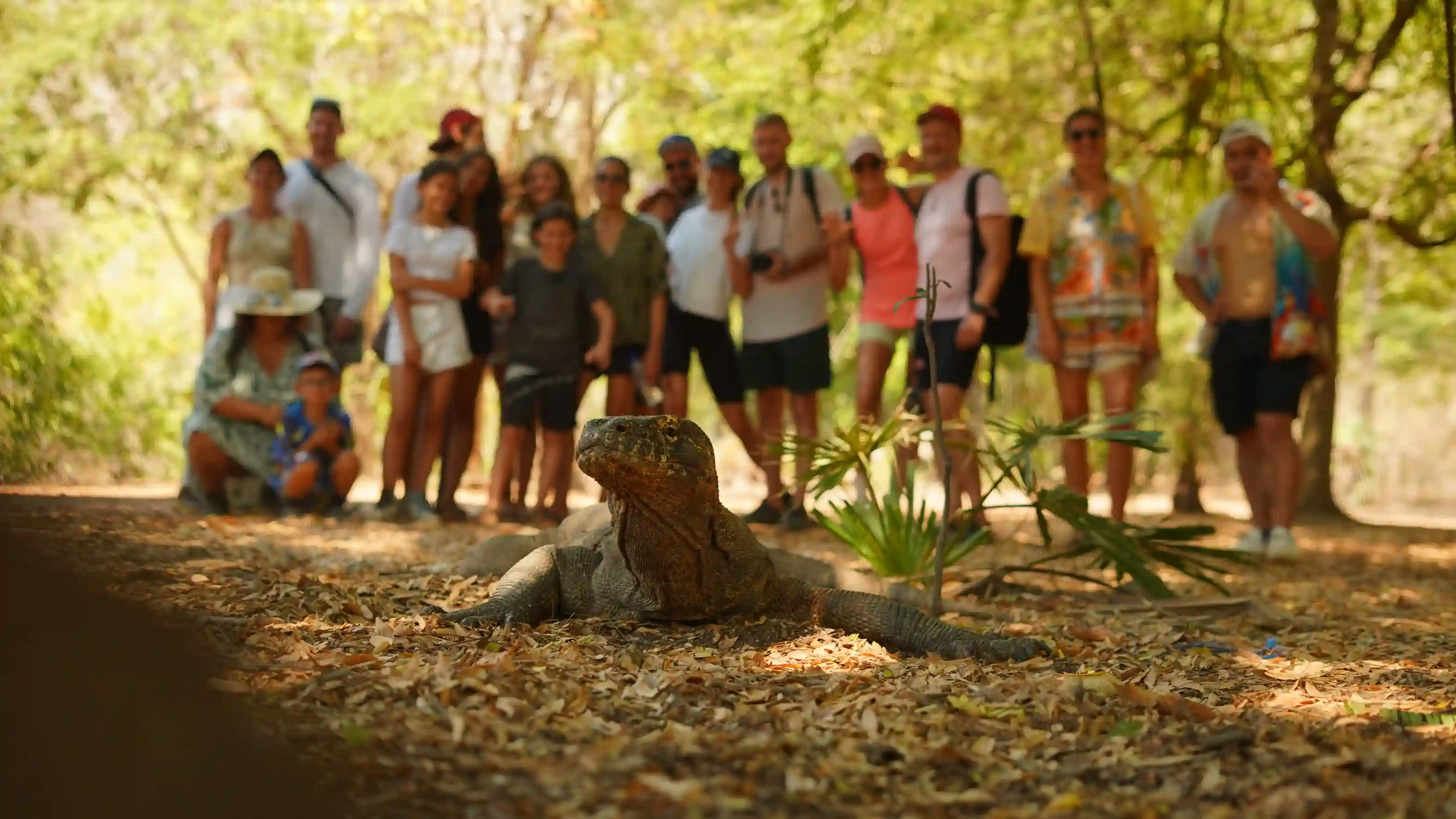
Komodo National Park encompasses three major islands—Komodo, Rinca, and Flores—plus numerous smaller islands creating one of Indonesia’s most biodiverse marine environments. The legendary Komodo dragons, found nowhere else on Earth, represent the crown jewel of land-based wildlife viewing. These prehistoric reptiles can reach 3 meters in length and inspire awe mixed with respectful caution. Beyond dragons, the islands host wild water buffalo, wild boar, various deer species, and diverse bird populations. Underwater, the marine environment rivals any global destination, featuring pristine coral ecosystems, giant manta rays, sea turtles, colorful fish species, and fascinating macro life. Dramatic volcanic landscapes create stunning photography opportunities. Traditional villages showcase authentic Indonesian culture and maritime heritage. Pink and white sand beaches provide serene relaxation spots. The combination of terrestrial and marine ecosystems creates unmatched biodiversity and natural beauty.
Komodo’s climate influences visitor experiences and creature activity patterns significantly. Dry season (April-December) typically offers calm seas, excellent underwater visibility, and predictable weather—the optimal period for most visitors. Peak season (June-August) brings larger crowds but delivers crystalline conditions. Wet season (January-March) features occasional rough waters and reduced visibility, yet offers fewer tourists, lower prices, and unique seasonal phenomena like manta ray aggregations. Water temperatures vary minimally, remaining warm year-round (around 28-30°C), though some months feature stronger currents affecting diving conditions. Monsoon transitions can create dramatic seascapes and wildlife activity changes. Understanding seasonal patterns helps time your visit to match your specific interests and preferences.
Successful adventures begin with proper preparation. Ensure your passport contains at least six months’ validity and blank pages for Indonesian visa stamps. Travel insurance covering medical evacuation is strongly recommended given the remote location. Pack reef-safe sunscreen, polarized sunglasses, a wide-brimmed hat, and light moisture-wicking clothing suited to tropical climates. Bring medications in original packaging along with prescriptions. An underwater camera captures the incredible marine photography opportunities. Binoculars enhance wildlife viewing experiences. A light sweater or jacket provides comfort in air-conditioned vessels. Seasickness medication, if needed, should be brought from home—Indonesian pharmacies may have limited options. Waterproof bags protect valuables. A first aid kit addresses minor ailments. Reusable water bottles reduce plastic waste. Dive certification cards are essential for diving activities. Pre-arrange any special dietary accommodations in advance.
Komodo adventures involve inherent risks requiring respect and proper precautions. Wildlife viewing maintains established distances—approaching Komodo dragons closer than prescribed distances is prohibited and dangerous. Swimming in waters where large fish school attracts sharks is discouraged. Respect marked trail boundaries that protect both visitors and habitat. Follow crew instructions regarding water conditions and currents. Dehydration poses genuine risks in tropical heat—drink water constantly. Sun protection prevents dangerous burns. Sea condition changes can occur rapidly—stay alert to weather shifts. Medical facilities in Labuan Bajo are basic; serious conditions require evacuation by helicopter to Bali. Dive-related injuries can be severe in remote locations—maintain conservative dive profiles. Responsible tourism means respecting park regulations, not removing coral or shells, minimizing plastic use, and supporting local communities fairly.
Dry season (April-December) offers calm seas and excellent visibility, with peak season June-August featuring the largest crowds. Wet season (January-March) brings fewer tourists, lower prices, and unique seasonal phenomena like manta ray aggregations. The best time depends on your preferences regarding weather, crowds, and wildlife activity patterns.
No—snorkeling provides excellent access to Komodo’s underwater wonders without certification. However, certified divers unlock additional sites and deeper exploration opportunities. Many operators offer open water certification courses, and we arrange both diving and snorkeling experiences across all skill levels.
Yes, when proper protocols are followed. Komodo dragons are approached under strict regulatory distance guidelines with trained guides. Millions of tourists have viewed dragons safely. Your safety is paramount; trained guides ensure responsible wildlife viewing that protects both guests and dragons.
Essential items include reef-safe sunscreen, light breathable clothing, sturdy waterproof shoes, underwater camera, hat, polarized sunglasses, seasickness medication if prone, travel insurance documents, and medications in original packaging. Most vessels provide snorkeling equipment, though personal preference items enhance comfort.
Yes—children of all ages can enjoy age-appropriate experiences. Snorkeling, beach exploration, and wildlife viewing accommodate families. Some water sports and diving activities have age or skill restrictions. Discuss your children’s ages and abilities when booking; we’ll customize experiences ensuring safety and enjoyment.
Komodo’s reefs host countless tropical fish species, sea turtles, giant manta rays, reef sharks, octopuses, and macro creatures like nudibranchs. Larger pelagics—including whale sharks seasonally—visit these waters. Whale watching during migration season (December-April) offers spectacular encounters. Your specific wildlife encounters depend on timing, location, and luck, though biodiversity virtually guarantees remarkable sightings.
Dive deeper into our comprehensive range of Komodo tourism offerings:
Contact our expert team today to discuss your perfect Komodo experience. Whether you’re seeking luxury yacht charters, private boat tours, diving expeditions, or multi-day liveaboard cruises, we’re here to craft exceptional memories. Reach out via our contact page or connect with us directly on WhatsApp. Our dedicated coordinators are ready to answer questions, discuss options, and help plan your dream adventure in one of Earth’s most spectacular destinations.
Understanding Komodo charter pricing is essential for budgeting your trip accurately. Unlike hotel rooms with fixed rates, boat charter prices vary significantly based on vessel category, duration, group size, season, and inclusions. This guide breaks down every pricing factor so you can plan with confidence.
| Vessel Type | Description | Price/Night | Guests |
|---|---|---|---|
| Economy Speedboat | Open boat, day trips | USD 400–700 | 2–10 |
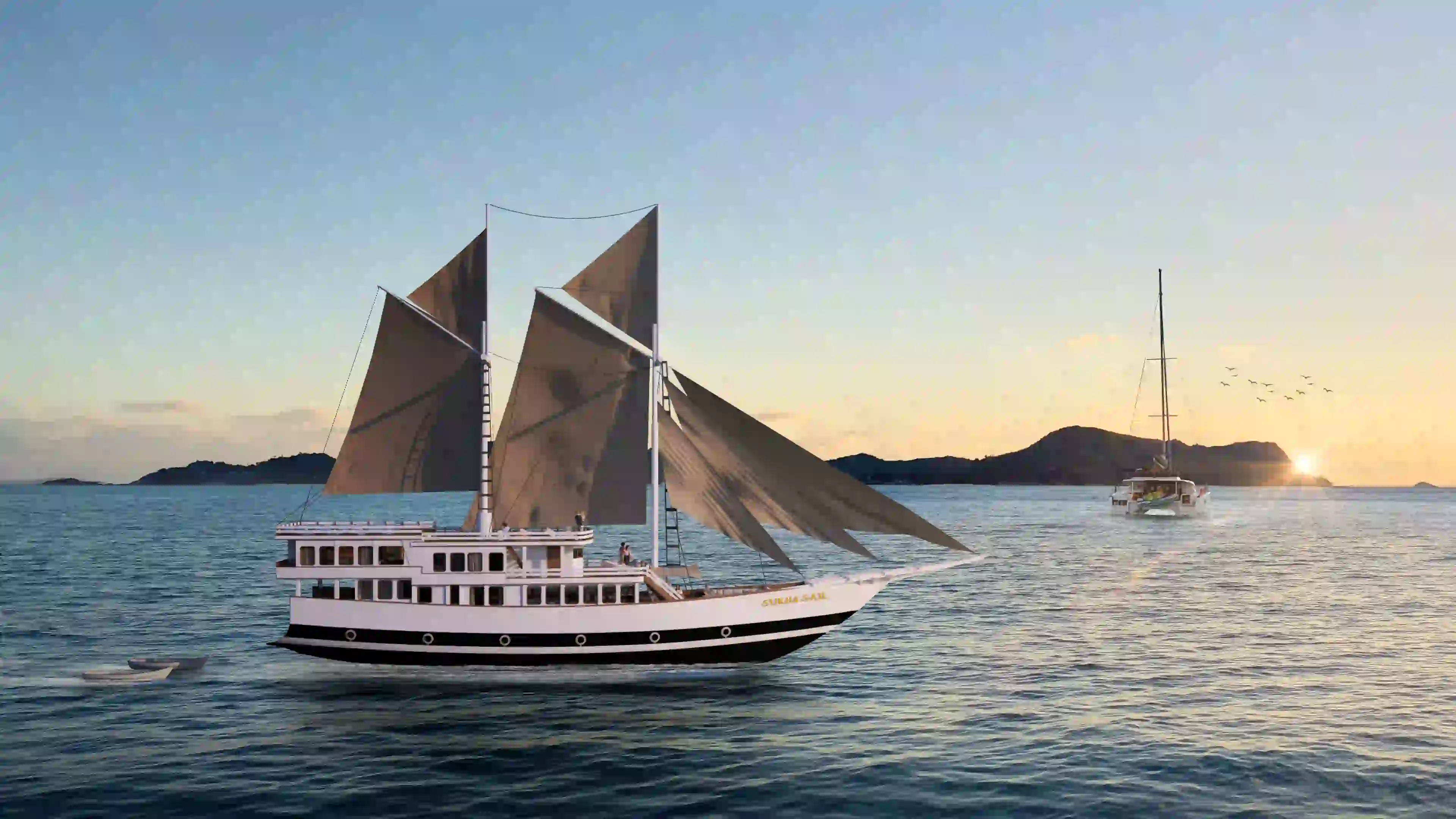
| Budget Phinisi | Older traditional, basic cabin | USD 600–900 | 6–12 |
| Mid-Range Phinisi | Renovated, AC cabins, good kitchen | USD 900–1,500 | 6–12 |
| Luxury Phinisi (40m) | Premium wood, ensuite cabins, chef | USD 1,500–3,000 | 4–12 |
| Ultra-Luxury Phinisi (50m+) | Award-winning vessels, spa, chef | USD 3,000–6,000 | 6–16 |
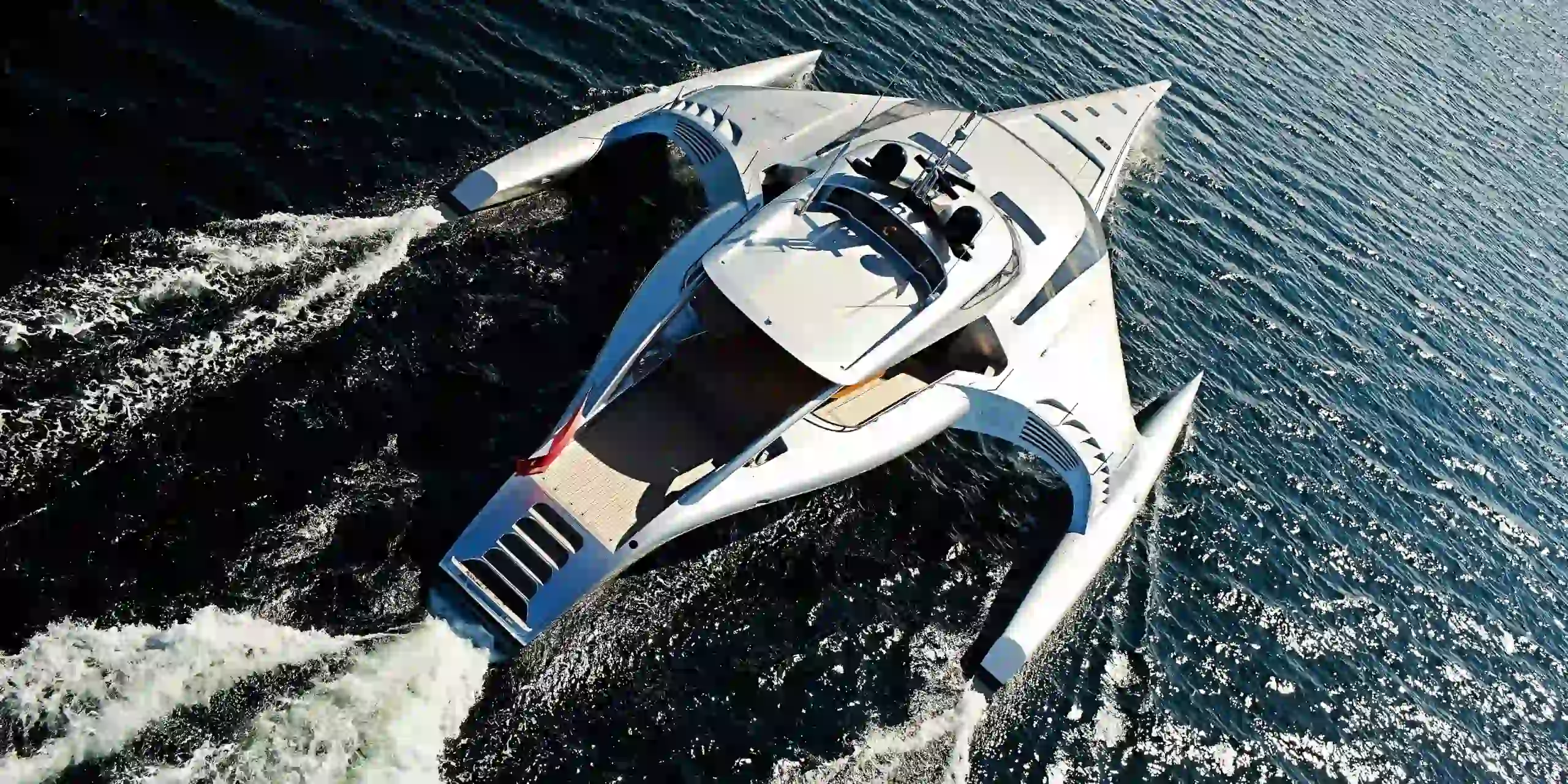
| Motor Yacht | Modern, fast, hotel-grade comfort | USD 2,500–8,000 | 2–10 |
| Liveaboard (Diving) | Dive-equipped, shared cabins | USD 180–400/person/night | 10–24 |
Charter price per night decreases for longer bookings. Operators typically offer discounts for 7+ night charters:
| Duration | Price Adjustment | Notes |
|---|---|---|
| 1 Day | Day rate (higher per night) | Day trip rate applies |
| 3D 2N | Standard rate | Most popular package |
| 5D 4N | -5% vs per night rate | Good value |
| 7D 6N | -10% vs per night rate | Best per-night value |
| 14D+ | -15–20% vs per night rate | Negotiable for premium vessels |
| Season | Months | Price vs Standard | Notes |
|---|---|---|---|
| Peak Season | Jul–Sep | +15–25% | Best weather, busiest, book early |
| High Season | Apr–Jun, Oct | Standard | Good conditions, manageable crowds |
| Shoulder Season | Nov, Mar | -10% | Some rain possible, fewer boats |
| Low Season | Dec–Feb | -15–20% | Manta ray season, some rain, best value |
Tell us your dates, group size, and budget. We’ll send a detailed all-inclusive proposal within 24 hours.
See detailed guide: 2026 Complete Pricing | All-Inclusive Options | 3D2N Packages
The charter industry in Komodo has some operators known for quote-low-add-later pricing. Based on feedback from guests who’ve been burned elsewhere, here are the most common surprise costs to ask about upfront:
Charter pricing is per boat, not per person — which means the cost per person decreases significantly as group size increases. Here’s the math for a typical 3-day 2-night charter at USD 2,500:
| Group Size | Total Charter Cost | Cost Per Person | Vs Open Trip (USD 140/pax) |
|---|---|---|---|
| 2 people | USD 2,500 | USD 1,250/person | 9x more — private makes sense at 4+ pax |
| 4 people | USD 2,500 | USD 625/person | 4.5x more — close enough for privacy premium |
| 6 people | USD 2,500 | USD 417/person | 3x more — strong value proposition |
| 8 people | USD 2,500 | USD 313/person | 2.2x more — private charter highly recommended |
| 10 people | USD 2,500 | USD 250/person | 1.8x more — private charter clearly the best value |
The sweet spot for private charter value is typically 6-10 people. At that group size, the per-person cost becomes highly competitive with open trip while providing dramatically better privacy, service, and flexibility.
Ready to get a precise quote for your group? Contact us with your dates, group size, and preferred duration. We’ll send a detailed breakdown within 24 hours.
Timing your Komodo charter significantly affects both cost and experience quality. Here’s our insider breakdown of what to expect in each season:
April–June (Shoulder Season — Best Value): Calm seas, excellent visibility, 20-30% lower prices than peak season. Few crowds at major sites. Rain risk is minimal. This is genuinely the hidden gem for savvy travelers — you get near-peak conditions at significantly better rates. Strongly recommended for budget-conscious travelers who don’t need to travel in July-August.
July–October (Peak Season — Book 2-3 Months Ahead): Driest weather, strongest manta ray presence, best diving visibility (often 30m+). Prices at maximum. Komodo is more crowded — popular sites like Padar and Pink Beach can get busy by midday. Still worth it for the conditions, but book early.
November–March (Wet Season — Adventurer’s Choice): Lower prices (30-40% below peak), fewer tourists. Trade-off: occasional rain (usually short bursts), slightly rougher seas. Visibility still good on many days. Not suitable for families with young children or motion-sick-prone travelers. Great for experienced travelers willing to accept some variability for significant savings.
For a personalized quote based on your exact dates and group, contact our team. We respond within 24 hours with a detailed breakdown that helps you compare accurately.