Crystal Rock stands as one of the most renowned diving destinations in Southeast Asia, a submerged pinnacle rising from the depths with dramatic underwater architecture that challenges and rewards experienced divers. Located in the Komodo Strait between Flores and Komodo, this site represents the pinnacle of technical diving, demanding respect, preparation, and skill. For those seeking the ultimate underwater adventure, Crystal Rock delivers an experience that transcends ordinary diving into the realm of transformative encounter with an alien world.
Crystal Rock is essentially an isolated underwater mountain rising from approximately 60 meters depth to within 5 meters of the surface. This dramatic formation creates unique ecological zones—a laboratory of marine adaptation where different species occupy distinct depth levels based on light penetration, pressure, and current intensity. The rock itself, composed of volcanic basalt, provides substrate for spectacular coral colonization and creates crevices where unusual species thrive.
The pinnacle’s exposed face creates complex current patterns. When strong currents flow through the Komodo Strait, water funnels around and over the rock, creating vortex patterns and upwelling currents. These same currents deliver nutrient-rich water that feeds thriving coral gardens and attracts an abundance of pelagic life. Understanding these current patterns is essential for safe, successful dives.
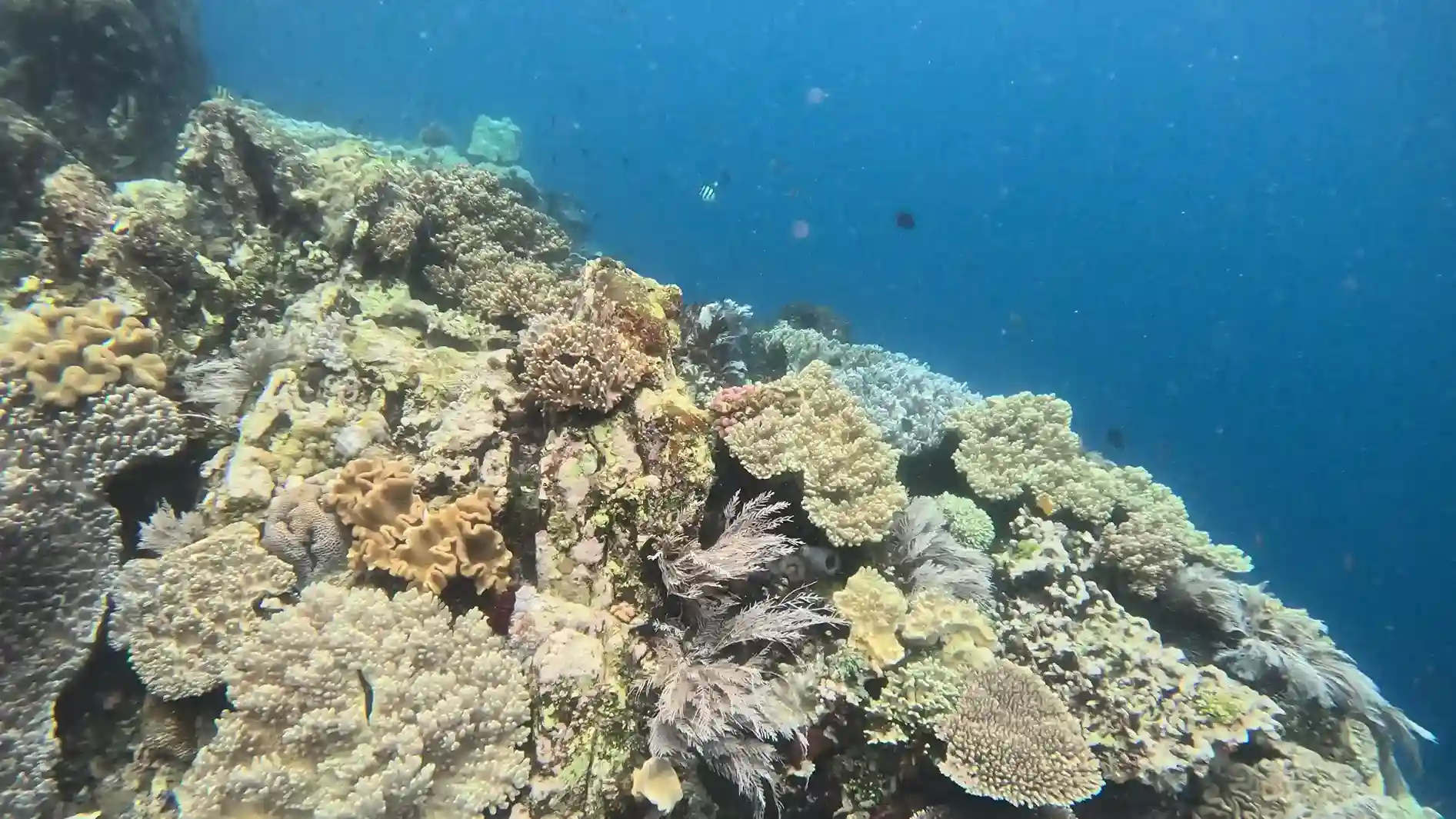
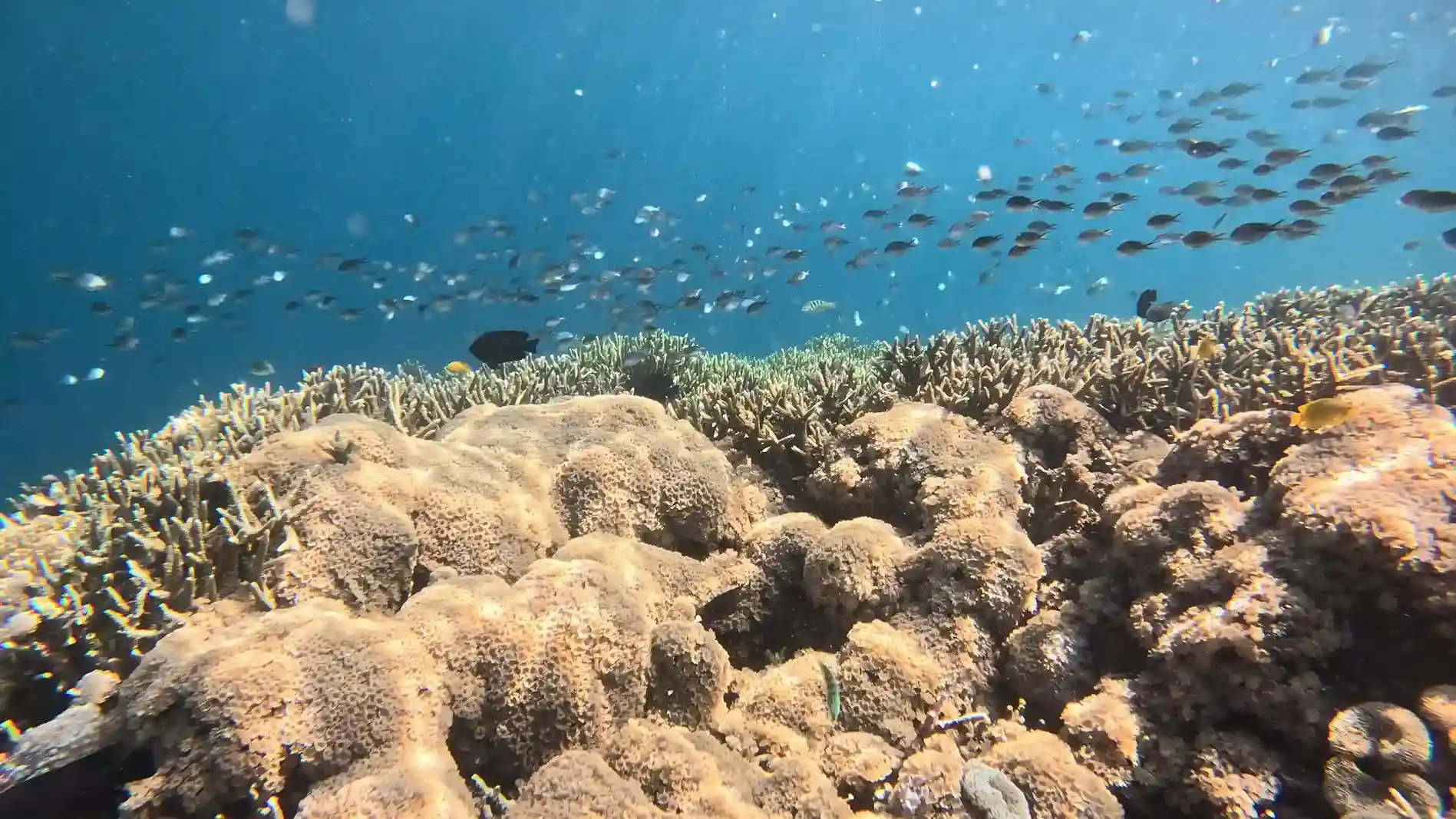
The upper reaches of Crystal Rock host spectacular soft coral gardens, with delicate octopi, seahorses, and nudibranchs finding shelter among feathery polyps. Hard corals colonize the mid-level sections, creating dramatic formations and crevices. Gorgonians wave in the current, their polyps extended to capture drifting plankton. Each section of the rock presents distinct community compositions, reflecting the specialized conditions at different depths.
Macro photography enthusiasts find endless subjects: vibrant chromis fish, jawfish, goby pairs, and numerous invertebrate species. Anemones house resident clownfish, while larger crevices shelter moray eels and octopi. The coral gardens represent not merely pretty scenery but thriving ecosystems adapted to specific environmental conditions, each organism occupying precise ecological niches.
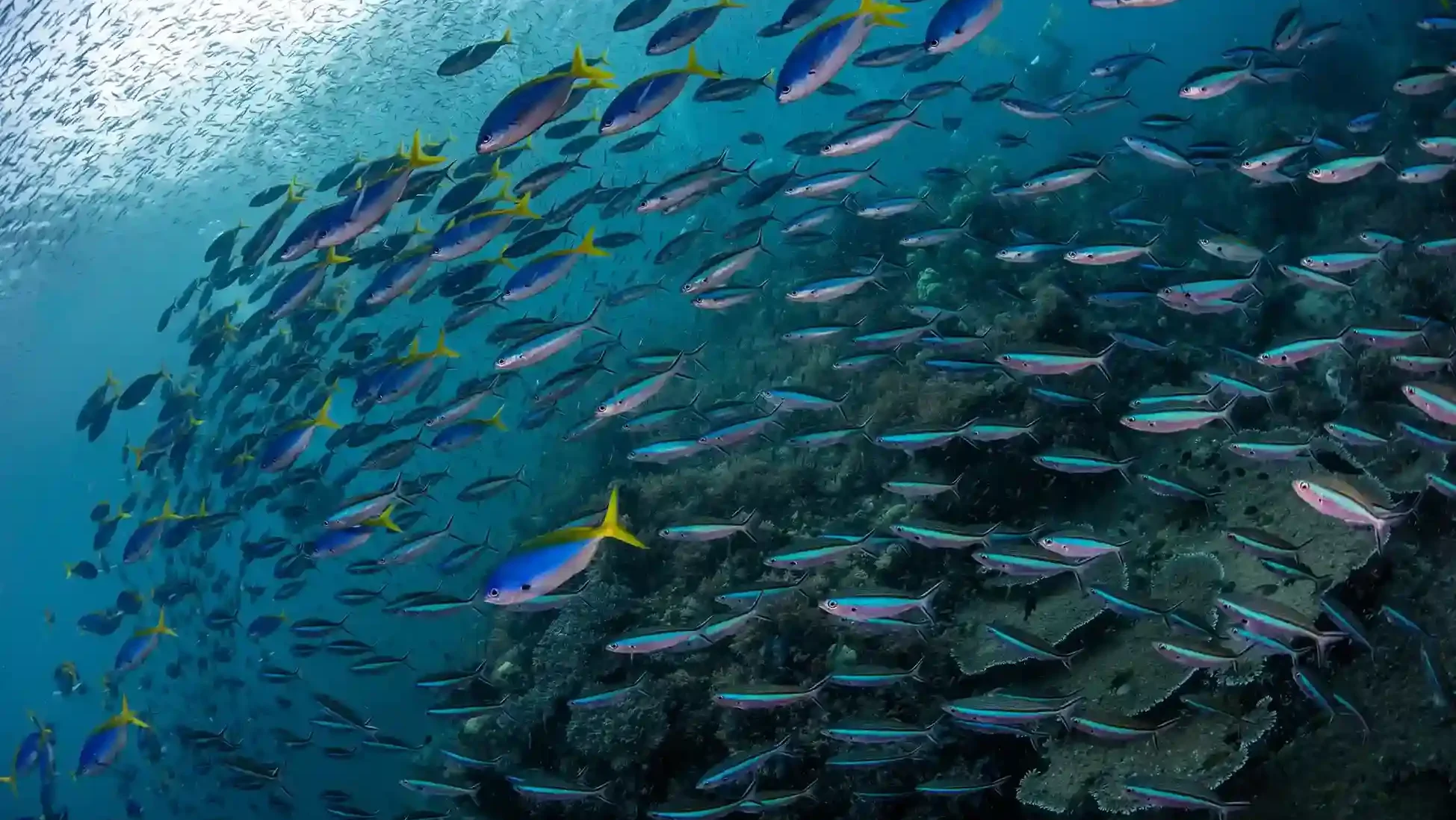
Crystal Rock’s reputation centers on extraordinary pelagic encounters. Large trevally (GT) patrol the pinnacle, their powerful bodies and aggressive feeding behaviors commanding respect and adrenaline. Schools of barracuda encircle the rock during slack current periods. Snappers, groupers, and emperors inhabit the deeper recesses. Tuna occasionally appear during peak season months.
Reef sharks—blacktip and whitetip varieties—are frequent residents. Rather than aggressive, these sleek predators are indifferent to humans, focused on hunting fish. Observing their behavior reveals their role as ecosystem architects, controlling fish populations and maintaining ecological balance. Many divers consider shark encounters the highlight of their dive experience.
Occasionally, manta rays visit the site, particularly during peak season. These graceful giants, despite their imposing size (wingspans up to 7 meters), are gentle filter feeders. Encountering a manta at Crystal Rock represents an apex diving moment—a memory that defines the experience and lingers for years afterward.
Crystal Rock demands honest assessment of diver capability. The site is absolutely not suitable for beginners. Strong currents, significant depth, and the need for precision buoyancy control make this an intermediate-to-advanced site. A minimum 50 logged dives is realistic, though experienced divers with demonstrated strong skills benefit from recent practice.
Current strength varies daily based on tidal cycles. On strong current days, the site becomes notably more demanding. Divers must maintain excellent buoyancy control, remain aware of depth, and manage air consumption carefully. Our dive masters assess conditions each dive day and brief divers on specific challenges and strategies. We reserve the right to cancel dives when conditions exceed safe parameters for your group.
The Komodo Strait’s tidal flows create variable current patterns, making Crystal Rock’s conditions changeable. During slack water periods (roughly mid-tide), currents slow and the dive becomes more manageable. During tidal peaks, currents intensify dramatically, creating rushing water that demands significant diving skill.
Smart diving strategy involves timing. We monitor tidal charts and schedule dives during appropriate tidal windows. Some divers prefer slack water for thorough exploration and macro photography. Others actively seek strong current dives, riding the rush and encountering more pelagic fish. Your preferences and skill level determine our scheduling strategy.
Crystal Rock pinnacle rises from approximately 60 meters to within 5 meters of the surface. Most diving occurs between 8 and 35 meters, where coral gardens flourish and fish concentrate. The upper sections, 5-12 meters depth, host soft corals and are suitable for less experienced divers (with current caveats). Mid-levels, 12-25 meters, provide excellent fish viewing and coral variety. Deeper sections, 25-35+ meters, require advanced certification and conservative dive planning.
Most divers plan to descend rapidly to preferred depth, spend maximum bottom time in the optimal zone, then ascend with appropriate safety stops. The rock provides natural reference points, aiding buoyancy control. Neutral buoyancy mastery is essential—sinking into crevices or rising uncontrollably endangers both diver and fragile corals.
Visibility at Crystal Rock typically ranges from 8-25 meters depending on recent weather and current conditions. Peak dry season (July-September) often provides best visibility due to calmer conditions and less runoff. The pinnacle’s exposed position and current flow generally keep water clear of suspended silt.
Light penetration decreases rapidly with depth. By 30 meters, blue hues dominate. At 40+ meters, artificial light becomes essential. Quality dive torches reveal hidden colors and creatures, illuminating the vibrant reality of the reef. The interplay of natural and artificial light creates magical underwater photography opportunities.
Peak diving season runs May through September, when the dry season brings calmer conditions and predictable weather. December through February brings occasional strong winds and unpredictable weather. However, year-round diving is possible with appropriate itinerary planning.
Tidal cycles create monthly variation. Around new and full moon periods, tidal ranges maximize, creating strongest currents. Around quarter moons, tidal ranges minimize, creating more moderate conditions. Planning your trip to specific tidal windows allows customization to your preferences and skill level.
We require Advanced Open Water certification minimum. Technical diving backgrounds, Nitrox certification, or previous Komodo diving experience are highly valued. Pre-dive briefings cover site-specific hazards, current dynamics, emergency procedures, and buddy communication strategies. We emphasize that diving with us isn’t about pushing limits—it’s about intelligent dive planning and respecting the ocean’s power.
Fitness and physical conditioning enhance your experience and safety. Recent diving practice, particularly in currents, builds confidence and muscle memory. Reviewing buoyancy control principles before arrival ensures peak performance when conditions challenge you.
Our dive masters possess decades of combined Komodo experience. They read conditions constantly, adjusting plans based on real-time observations. Most importantly, they prioritize safety over agenda. If conditions degrade, if a diver shows signs of struggle, if current exceeds safe parameters—dives are modified or cancelled without hesitation.
We maintain conservative air consumption protocols. Divers carry sufficient air for contingencies. Safety stops are mandatory, never rushed. Decompression safety is non-negotiable. We dive as a team, with constant buddy checks and group awareness. These practices have kept our guests safe across thousands of Crystal Rock dives.
Crystal Rock rewards underwater photographers with dramatic compositions and extraordinary subjects. Wide-angle lenses capture the pinnacle’s geography and massive fish schools. Macro lenses reveal nudibranchs, shrimp, and other small creatures. Strong current conditions can make camera handling challenging, but experienced photographers develop techniques managing these conditions.
Videography captures flowing currents, swaying corals, and dynamic pelagic action. The combination of geological drama and biological abundance creates cinematic underwater scenes rivaling any natural environment on Earth.
Advanced Open Water certification minimum. Recent diving experience, Nitrox certification, and previous current diving strengthen your candidacy. During booking consultation, we discuss your experience and honestly assess whether Crystal Rock matches your skill level.
Crystal Rock demands respect. Strong currents and significant depths create real hazards. However, with proper training, appropriate conditions, and quality guidance, risk is manageable. We maintain impeccable safety records through conservative protocols and expert decision-making.
High probability, but not guaranteed. Fish encounters depend on season, time, and current conditions. Even without large pelagics, coral gardens and smaller species provide remarkable experiences.
Typically 26-29°C (79-84°F) year-round. A 3mm wetsuit provides adequate thermal protection and protection from minor scrapes on coral.
If you meet qualification requirements and possess recent diving currency, yes. However, many divers prefer acclimating with easier sites first, then attempting Crystal Rock later in their stay. This builds comfort and confidence in Komodo’s specific conditions.
An underwater camera rated to 40+ meters depth. Popular options include GoPro Hero series, compact underwater cameras, or DSLR/mirrorless bodies in underwater housings. Wide-angle lenses (14-24mm) excel at capturing the pinnacle’s scale.