Komodo is consistently ranked among the world’s top five dive destinations. Its exceptional biodiversity, dramatic underwater topography, and reliable marine life encounters make it a paradise for both recreational and technical divers. A multi-day liveaboard dive safari in Komodo combines the best of diving excellence with luxury accommodation, allowing you to maximize your underwater time and explore sites inaccessible to day-boat operations.
Several factors make Komodo exceptional for diving:
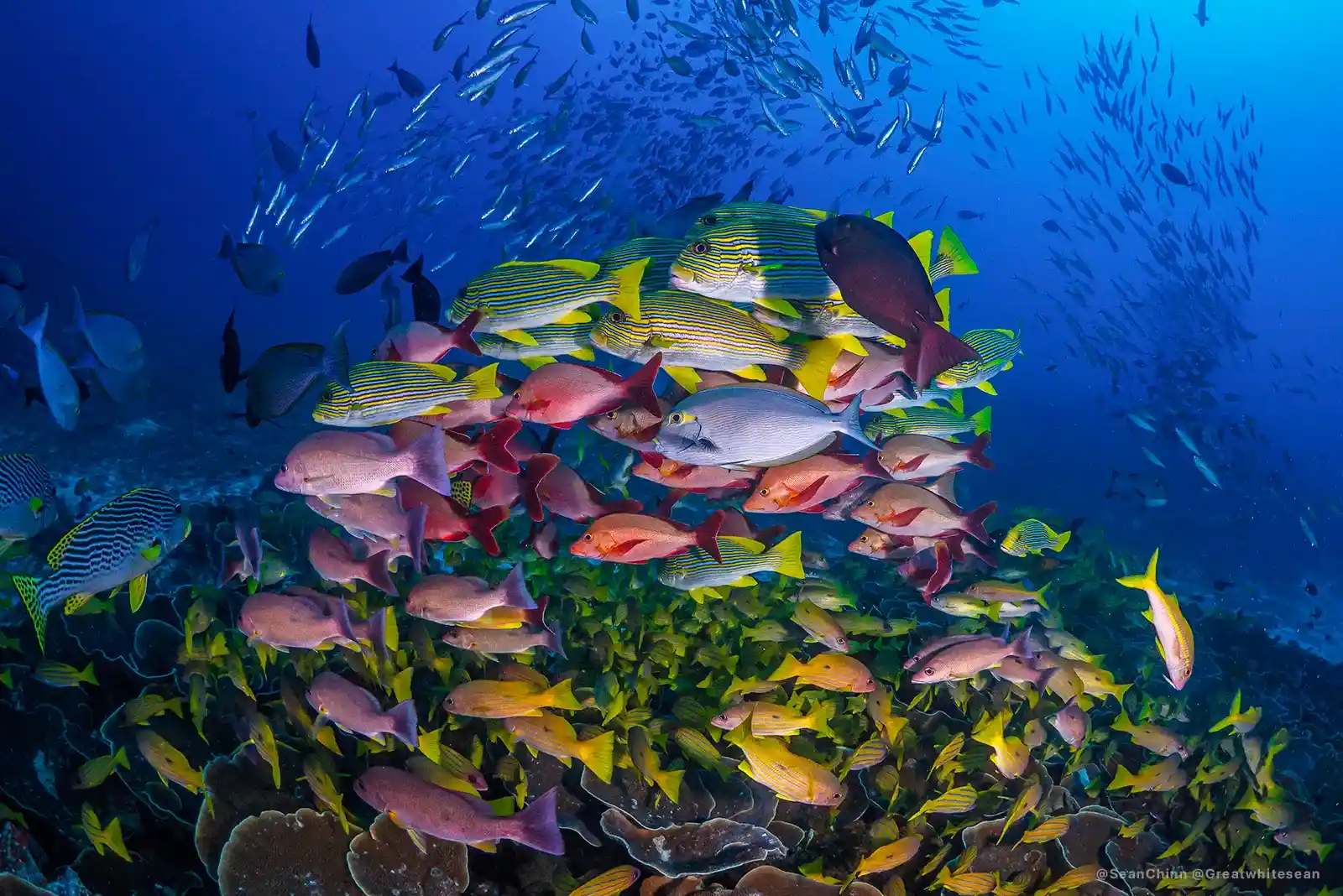
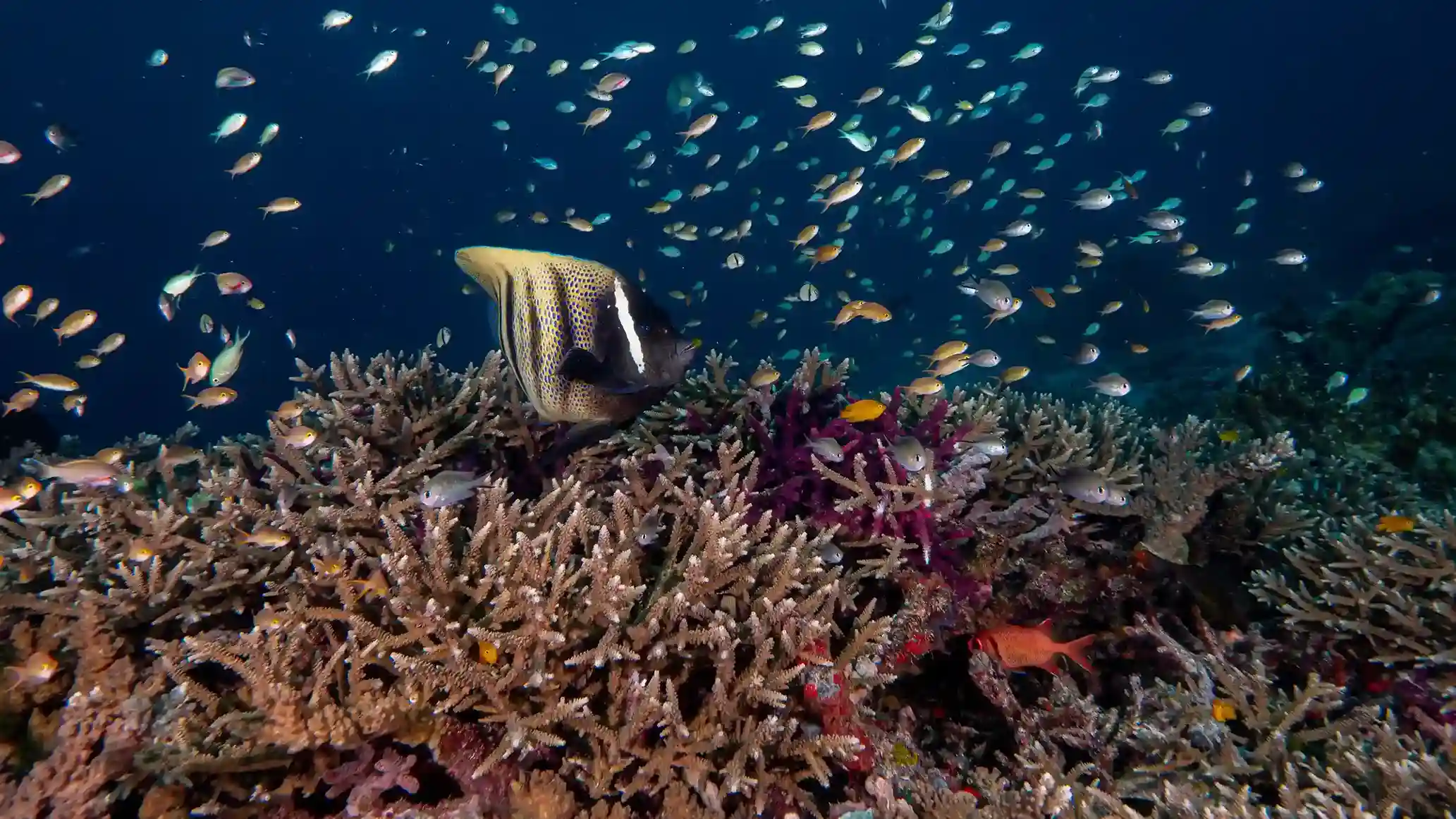
Komodo sits at the intersection of the Pacific and Indian Oceans, creating a unique ecosystem where tropical coral reef species coexist with temperate-water species. This convergence generates extraordinary marine biodiversity—divers encounter species typically separated by thousands of miles. The coral gardens host over 1,200 fish species and hundreds of coral and invertebrate species.
Komodo’s channels experience strong currents funneling nutrient-rich water from the Indian Ocean. These currents attract large pelagic species—manta rays, eagle rays, reef sharks, trevally, and occasionally larger species. Drift diving in these channels delivers adrenaline-filled encounters with world-class marine life.
The region features volcanic origins evident in dramatic underwater landscapes—steep walls dropping to 40m+, pinnacles rising from deep water, caves and overhangs, and sandy plains with interesting topographical features. These varied formations create visually stunning dives and diverse habitats supporting different marine communities.
While conditions vary seasonally, diving is possible year-round. The dry season (April-November) offers calm seas and better visibility. Wet season (December-March) brings cooler water temperatures, stronger currents, and occasional rain, but also less crowding and higher marine life activity.
One of Komodo’s most famous sites. A large rock formation with a tunnel through it at approximately 12m depth. Drift diving along the rock features impressive coral growth, large schools of fish, and frequent encounters with reef sharks, tunas, and barracuda. Viz typically 15-25m. Intermediate to advanced diver.
A dramatic pinnacle rising from 40m+ depth to within 5m of the surface. Exceptional coral growth, large trevally, reef sharks, and strong current deliver exciting drift dives. Visibility typically 20-35m. Advanced diver recommended due to strong currents. Morning dives often produce manta ray encounters.
Located between Komodo and Rinca islands, this site lives up to its name. Strong currents attract manta rays and eagle rays in season (seasonal variation). Reef structure includes coral gardens and sandy slopes. Visibility 15-25m. Current can be strong; recommended for experienced divers or under close dive master supervision.
An advanced drift dive through a channel experiencing extreme tidal currents. Only for experienced divers comfortable with strong currents. Rewards divers with pelagic species encounters and dramatic underwater scenery. Visibility 15-30m depending on current direction. Timing is critical for safe diving.
A stunning vertical wall dropping beyond 50m, covered in yellow soft coral. Colorful reef fish, nudibranchs, and invertebrates. Visibility typically 20-30m. Excellent for macro photography. Suitable for intermediate to advanced divers. Less visited than some other sites, offering quieter diving experience.
A scenic pinnacle site with excellent coral growth and consistent fish life. Less strong currents than some popular sites, making it suitable for intermediate divers. Visibility 20-30m. Good for both photography and casual diving. Reliable site for spotting reef sharks and schools of jacks.
A dramatic site featuring steep drop-offs and rich coral gardens. Strong currents deliver pelagic encounters. Visibility typically 20-35m. Advanced diver recommended. Named for the powerful currents (not cannibals, despite the ominous name!). Exhilarating drift dives with great marine life action.
Three submerged rock formations creating interesting drift diving. Good coral coverage, diverse fish life, and occasional pelagic visitors. Current variable depending on tide. Visibility 15-25m. Intermediate diver level. Less crowded than flagship sites, making it ideal for photographers seeking calm moments.
Visibility ranges from 15m in some channels during strong current periods to exceptional 40m+ on calm days. Average visibility during peak season ranges from 20-30m. Nutrient-rich currents supporting abundant marine life sometimes reduce visibility—excellent wildlife encounters often occur in 15-20m visibility. Flash photography and lights work well year-round.
Dry Season (April-November): 26-28°C. Recommended: 3mm wetsuit or light skin.
Wet Season (December-March): 24-26°C with occasional thermoclines. Recommended: 5mm wetsuit, especially for multiple daily dives.
Thermoclines—sudden temperature drops—are common, particularly at depth in channels. Your dive master will brief you on current temperature profiles.
Komodo is famous for drift diving. Current strength varies dramatically between sites and tidal cycles. Sites like Castle Rock, The Cauldron, and Cannibal Rock feature strong currents delivering pelagic encounters. Protected bays and inner reefs offer calmer dives. Our dive masters analyze currents daily and select appropriate sites based on conditions and your group’s experience level.
Komodo experiences significant thermocline effects. Cold water (18-22°C) wells up from deep channels, creating distinct temperature layers. These upwellings concentrate plankton, attracting filter-feeders and pelagic species. Dress appropriately and be prepared for temperature changes during dives, particularly in channels.
Your Komodo dive safari will likely include encounters with:
From USD 350 per dive (approximately USD 1,400-1,750 total)
Includes: Accommodation, all meals, 4-5 guided dives, diving equipment (wetsuit, BCD, regulator, tank, weights), briefings, air refills, use of communal snorkel/photography gear, professional dive master services, daily coffee/tea service. Beginner-friendly package visiting moderate-current sites.
From USD 350 per dive (approximately USD 3,500+ total)
Includes: All features from 3D2N package plus: extended island exploration, mix of current-rich and calmer sites, better marine life encounter odds, more comprehensive briefings, deeper site progression, and greater itinerary flexibility. Standard liveaboard length for optimal diving.
From USD 350 per dive (approximately USD 5,250+ total, discounted rates apply)
Includes: All amenities above plus: complete site coverage including less-visited locations, comprehensive marine ecosystem understanding through repeated dives, nitrox training if desired, advanced current management techniques, technical diving orientation, extensive photography opportunities, and insider knowledge of seasonal patterns. Premium experience maximizing Komodo’s diving potential.
Price notes: Base rates shown. Premium dive packages, specialized guides (macro, underwater photography), and extended custom safaris available at adjusted rates. Multi-diver group discounts apply. Nitrox, camera equipment rental, and specialty certifications have additional costs.
Nitrox Services: Enriched air (nitrox) available for recreational divers reducing nitrogen loading and extending bottom time. Nitrox certification or briefing required (we provide). USD 5-10 per tank. Highly recommended for multiple daily dives.
Equipment Rental: Personal gear (masks, fins, suits) rental available. Bring your own for best fit and comfort.
Camera Rinse Stations: Fresh-water rinse stations on all vessels protect camera equipment. Tanks of fresh water available throughout the day.
Specialty Guides: Dedicated macro photography guides, wide-angle specialists, and naturalist guides available for deeper marine knowledge. Additional fees apply.
If you’re not yet certified, consider obtaining your certification before arrival. Open Water certification (3-4 days, USD 300-500) is offered in Labuan Bajo and can be completed pre-safari. Alternatively, some operators offer certification dives on liveaboards, though this is less common.
Calm seas, excellent visibility (20-35m average), and stable weather. Water temperature 26-28°C. No thermoclines or reduced visibility issues. Ideal for all skill levels. Popular season—book 6-8 weeks in advance. Manta ray season peaks June-August.
Cooler water (24-26°C), stronger currents, occasionally reduced visibility, but less crowding and higher marine life activity. Thermoclines common—requires proper thermal protection. Manta rays seasonal (January-February often good). Best for experienced divers seeking adventure and willing to adapt to conditions.
Excellent compromises between peak season and off-season. Good visibility, fewer crowds, comfortable water temperatures. Manta rays transitioning. Recommended for balanced experiences.
A typical 5D4N safari schedule:
Komodo Boat Charter specializes in exceptional dive experiences:
Explore our complete Komodo boat charter services and discover luxury yacht charter options.
A: Minimum PADI Open Water Certification (or equivalent) is required. Advanced Open Water Certification recommended for deeper dives and current-heavy sites. If uncertified, arrange certification in Labuan Bajo pre-safari, or contact us about certification dive options.
A: Most safaris feature 3-4 dives daily (typically two morning dives, surface interval, two afternoon/evening dives). Surface intervals allow equipment maintenance, meals, rest, and decompression calculations. Your physical condition, experience level, and preferences influence daily dive frequency.
A: Absolutely no pressure. Many divers take surface intervals to rest, photograph, or simply relax. Snorkeling and non-diving activities are always available. Our crew ensures your comfort and safety; never feel obligated to dive if you’re not feeling up to it.
A: Current strength varies by site and tide. Some sites have mild currents (2-3 knots), while flagship sites like Castle Rock feature 4-6+ knot currents. Our dive masters assess conditions daily and select appropriate sites. We provide current management briefings and use buddy systems for stronger current dives.
A: Strongly recommended for multiple daily dives. Nitrox reduces nitrogen loading, decreases decompression obligations, and extends bottom time. Particularly valuable for 3-4 dive days. Requires Nitrox Certification or operator briefing. Highly worthwhile additional cost.
A: No guarantees exist for specific marine life. Manta rays are seasonal (October-December, April-May most reliable). We position dives at prime manta locations during peak seasons, but sightings depend on natural conditions. Komodo’s other marine life is consistently excellent, making manta encounters a bonus rather than expectation.
A: Absolutely encouraged. Personal mask, fins, and wetsuit ensure perfect fit and comfort. Bring your certification card, dive computer, and underwater camera if desired. We provide BCD, regulator, tank, weights, and safety equipment. Any personal gear should be certified and well-maintained.
A: Safety is paramount. Strong storms or dangerous sea conditions halt diving. We anchor in protected locations or modify itineraries. Our experienced captains and dive masters make final calls on diving feasibility. Dry season generally ensures calm conditions; wet season carries higher variability risk.
A: Bring your own camera and housing for best quality. Rentals may be available through partner companies (quote provided upon request). Fresh-water rinse stations on all vessels protect your equipment. We offer camera briefings and can recommend optimal settings for Komodo conditions.
Ready to experience world-class diving in Komodo? Contact our team to plan your ultimate dive safari.