🏆 10+ Years Komodo Expertise⭐ 500+ 5-Star Reviews🤿 PADI Certified Guides📍 Labuan Bajo Based📅 2026-2027 Season Open

Health & Safety Guide for Komodo Boat Trips

Health & Safety Guide for Komodo Boat Trips

Safety and health preparation are paramount for a secure, enjoyable Komodo adventure. This comprehensive guide covers vaccinations, medical facilities, wildlife safety, ocean hazards, emergency protocols, and health precautions specific to the Komodo region.

1. Vaccinations & Pre-Travel Health

Recommended Vaccinations:

  • Hepatitis A: Highly recommended. Indonesia has higher rates of Hep A. Vaccine series: 2 doses, 6 months apart. Provides 15+ years protection.
  • Typhoid: Recommended. Risk exists in less sanitized areas. Vaccine or antibiotic prophylaxis options available. Protection lasts 2–3 years (varies by vaccine type).
  • Tetanus: Ensure current (booster every 10 years). Essential given ocean hazards (sea urchins, coral, reef cuts).
  • Japanese Encephalitis: Consider if spending >30 days in rural areas. Less critical for Komodo boat charter tourists.
  • Dengue Fever: No vaccine readily available in most countries. Use mosquito prevention (DEET insect repellent, long sleeves at dawn/dusk).

Consultation Recommendation: Visit a travel medicine clinic 4–6 weeks before departure for personalized recommendations based on your medical history, planned activities, and trip duration.

2. Medical Facilities in Labuan Bajo

Available Healthcare:

Bhakti Manakara Hospital

  • General hospital with emergency department
  • Basic surgery and X-ray facilities
  • Open 24 hours
  • Quality variable; staff speak limited English

Labuan Bajo Health Center (Puskesmas)

  • Primary care facility
  • Adequate for minor injuries and minor illnesses
  • Limited diagnostic equipment
  • Standard hours (08:00–16:00)

Decompression Facility (Hyperbaric Chamber): Available at a regional facility; used primarily for diving-related decompression sickness. Treatment available but not immediate at Labuan Bajo—may require helicopter evacuation to larger cities (Bali, Makassar) for complex cases.

Important Note: Medical care in Labuan Bajo is adequate for routine issues but limited for serious trauma, complex surgeries, or specialized treatment. Comprehensive medical evacuation insurance is strongly recommended.

3. Komodo Dragon Safety

Dragon Encounter Protocol:

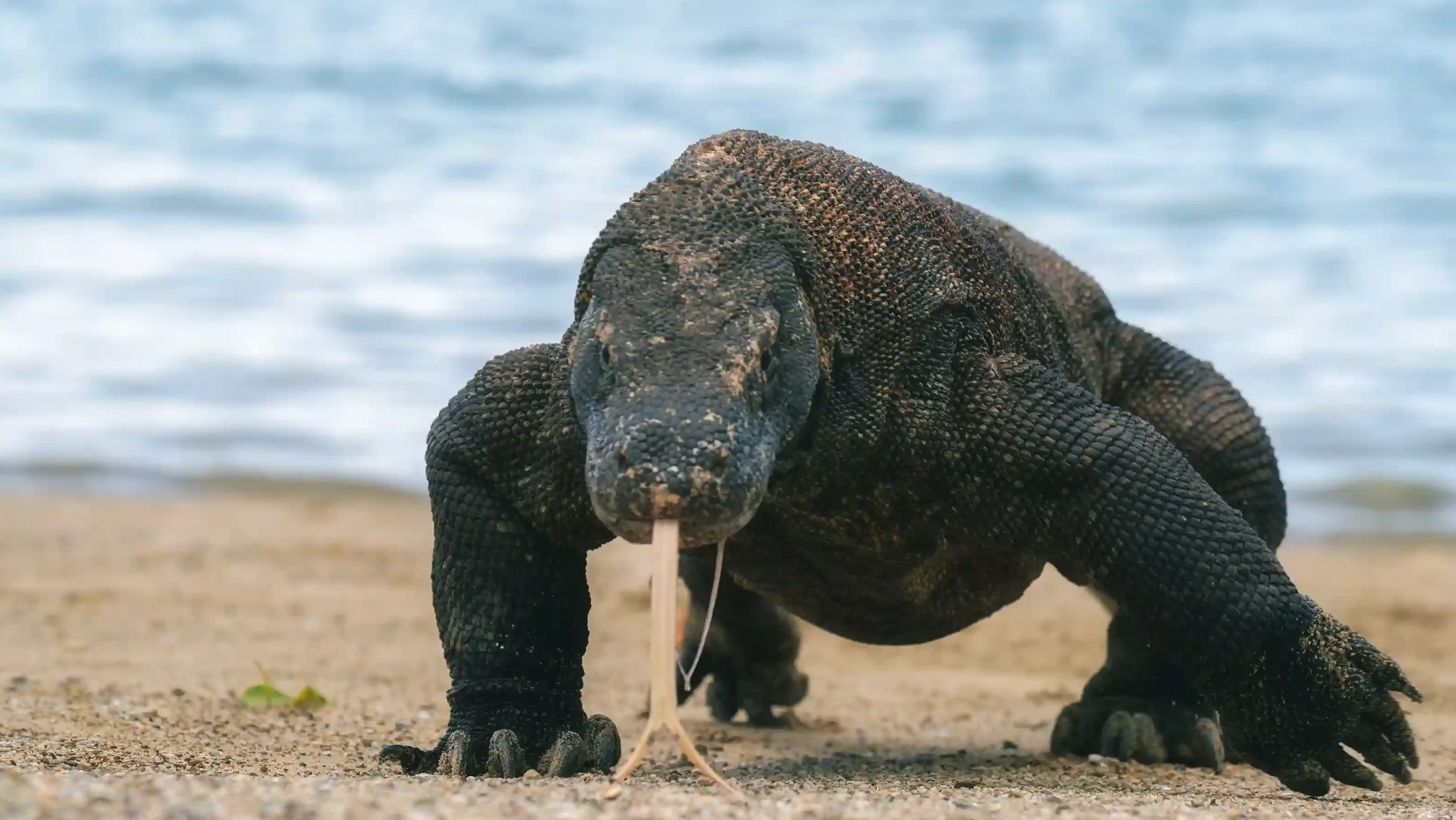
Komodo dragons are large, powerful predators. Attacks on humans are rare but possible. Standard safety protocols minimize risk to nearly zero.

  • Minimum Distance: Maintain 3–5 meters (10–15 feet) from dragons. Obey ranger instructions without exception.
  • Mandatory Ranger Accompaniment: All land-based dragon viewing activities (Komodo Island, Rinca Island) require a licensed Komodo National Park ranger. Never attempt unsupervised dragon viewing.
  • Don’t Feed or Provoke: Never throw food, attempt to touch, or make sudden movements toward dragons. They are ambush predators and sudden motion can trigger attack response.
  • Slow, Calm Movements: Move deliberately and quietly. Dragons hunt by vibration and movement detection.
  • Avoid Small Children Alone: Ranger protection is essential. Children under 10 should be under close supervision of ranger and parent.
  • Dawn/Dusk Caution: Dragons are more active during cooler hours. Midday tours (10:00–15:00) are generally safer as dragons rest.
  • Don’t Separate from Ranger: Stay as a group. Never stray from designated walking paths.

What to Do if a Dragon Approaches:

  • Stay calm. Freeze or back away slowly.
  • Look to the ranger for guidance.
  • Do not run or make sudden movements.
  • If at immediate risk, ranger will use tactics to divert dragon’s attention.

4. Ocean & Marine Safety

Ocean Currents:

Komodo’s waters have strong currents, particularly in the Sunda Strait. Currents can exceed 2–3 knots (3.7–5.5 km/h) during tidal changes.

  • Never free dive or snorkel alone
  • Always use the buddy system
  • Wear a bright snorkel vest for visibility
  • Obey all captain and crew instructions regarding current advisories
  • Don’t fight currents; let them carry you, drift perpendicular to escape
  • Use hand signals to communicate with dive buddy (OK sign, point to chest if panicked)

Jellyfish & Marine Stings:

Box jellyfish and stinging sea cucumbers are present year-round but more common November–March.

  • Wear a full-length rashguard or thin wetsuit for protection
  • Check with crew about jellyfish reports for the day
  • If stung, notify crew immediately and exit water
  • Treat with vinegar (stock on boat) and hot water immersion (45°C) for 20–45 minutes
  • Avoid rubbing or scratching sting sites
  • Severe stings (chest pain, difficulty breathing) require immediate evacuation to medical facility

Reef Cuts & Sea Urchins:

  • Wear reef shoes with thick rubber soles at all times during wading or snorkeling
  • If cut by coral, wash with clean water, apply hydrogen peroxide, and apply antibiotic ointment
  • Coral cuts are prone to infection; monitor for signs of infection (increased redness, warmth, pus)
  • If stepping on sea urchin spines, soak in hot water and gently remove spines with tweezers. See medical professional if many spines lodged or embedded deep
  • Don’t touch coral; it damages ecosystems and causes cuts

5. Seasickness Prevention

Sea conditions in Komodo can be rough, especially December–March. 30–50% of first-time ocean visitors experience mild to moderate seasickness.

Preventative Strategies:

  • Medication: Take dramamine, meclizine, or prescription scopolamine patches 30 minutes before departure. First-generation antihistamines (dramamine) cause drowsiness; non-drowsy options exist.
  • Natural Remedies: Ginger supplements (1–2 grams), acupressure wristbands (Seabands), and peppermint lozenges provide mild relief for some people.
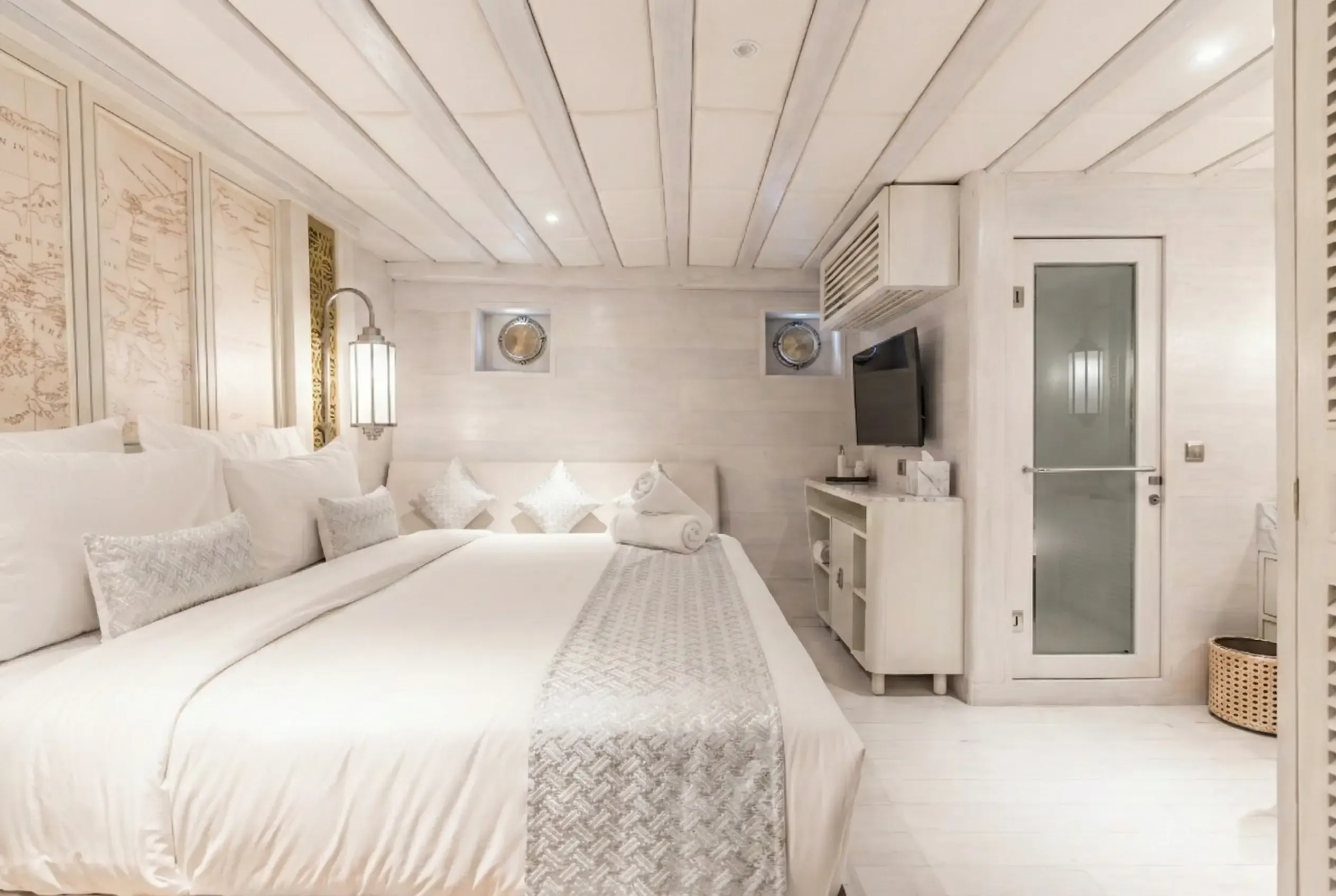
  • Cabin Location: Request cabin amidship (center of boat) where motion is least pronounced. Avoid cabins over engine or bow.
  • Stay Active & Engaged: Being above deck and focused on the horizon reduces queasiness for many. Fresh air helps.
  • Eat Light, Frequent Meals: Empty or overfull stomachs both worsen nausea. Eat small, bland meals (crackers, ginger biscuits).
  • Stay Hydrated: Dehydration exacerbates seasickness. Drink water consistently.
  • Avoid Alcohol & Smoking: Both significantly increase seasickness risk.
  • Sleep Well Before Trip: Fatigue increases susceptibility.

6. Sun Protection & Dehydration

Komodo’s equatorial sun is intense. UV exposure is extreme even on partly cloudy days.

  • Sunscreen: Use reef-safe (oxybenzone/octinoxate-free) SPF 50+ sunscreen. Reapply every 2 hours and after water activity. Start SPF application at night before to prevent sunburn.
  • Sun Clothing: Wear UV-blocking rash guards and lightweight long-sleeve shirts. Costs minimal and provides superior protection vs. sunscreen alone.
  • Hat & Sunglasses: Wide-brimmed hat and UV-blocking sunglasses essential. Bring spares—sun reflects off water and intensifies exposure.
  • Hydration: Drink 3–4 liters of water daily. Coconut water helps with electrolyte balance. Avoid excessive caffeine (diuretic).
  • Signs of Heat Exhaustion: Dizziness, nausea, rapid heartbeat, excessive sweating, confusion. Move to shade, drink water, cool body with wet towels.
  • Heat Stroke Warning: Cessation of sweating, extremely high body temperature (>40°C), delirium. Seek immediate medical attention.

7. Emergency Procedures on Boats

Mandatory Safety Briefing:

All passengers must attend a safety briefing before departure. Topics covered:

  • Life jacket location and proper use
  • Muster station (designated assembly area)
  • Emergency signals and communication (radio, flares)
  • Evacuation procedures (lifeboat deployment)
  • First aid location
  • Captain and crew roles in emergency

Life Jacket Protocols:

  • Wear life jackets during rough seas or when captain requires
  • Always wear during night passages
  • Know how to don a life jacket correctly (many people don them incorrectly)
  • Ensure jacket is snug around torso and between legs

Man Overboard Response:

  • Immediate lifebuoy deployment
  • Ship’s horn alerts crew and other vessels
  • Captain executes immediate turn toward person
  • Trained crew coordinates rescue
  • All passengers assist with visual spotting and communication

Engine Failure or Mechanical Issues:

  • Boat remains seaworthy; crew has backup power and communications
  • Satellite emergency position-indicating radio beacons (EPIRB) transmit distress signals
  • Fishing vessels in area respond to distress calls
  • Indonesian Coast Guard coordinates rescue (response time 2–8 hours depending on location)
  • Remain calm, stay aboard vessel, and await rescue

8. Travel Insurance Recommendations

Essential Coverage:

  • Medical Coverage: Minimum USD 100,000 (international hospital care is expensive)
  • Medical Evacuation: Helicopter evacuation to Bali or Java costs USD 15,000–50,000. Ensure evacuation coverage included.
  • Trip Cancellation: Reimburses prepaid charter if you cancel due to covered illness/emergency. Highly recommended for Komodo trips.
  • Diving Coverage: If diving, ensure policy covers diving accidents. Standard travel insurance often excludes diving; special riders available.
  • Baggage & Personal Effects: Covers lost luggage and gear (camera equipment).
  • 24/7 Assistance: Ensures English-speaking support and coordination if medical emergency occurs.

Recommended Providers: World Nomads, AXA, IMG Global, and Allianz offer comprehensive international medical and evacuation insurance. Compare policies before departure.

9. First Aid & Medical Supplies On Board

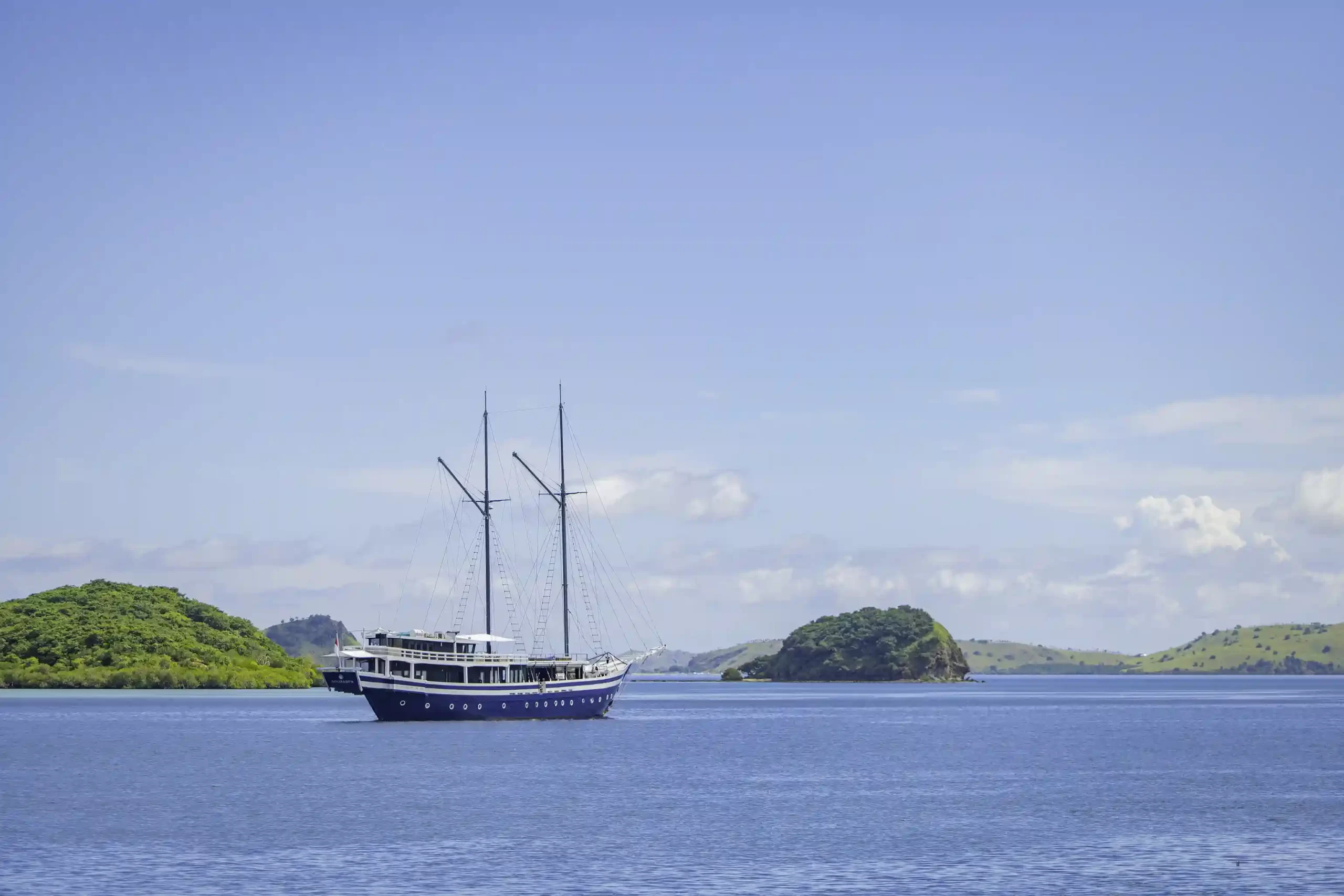
All Komodo Boat Charter vessels carry:

  • First aid kit (bandages, antiseptic, pain relief, antihistamine)
  • Oxygen and oxygen delivery mask
  • AED (automated external defibrillator)
  • Emergency medications (epinephrine auto-injector for severe allergies)
  • Seasickness medication
  • Antibiotic ointment and wound dressing
  • Tweezers for sea urchin spine removal
  • Vinegar (for jellyfish stings)

Crew members are trained in basic first aid and CPR. More serious medical situations trigger communication with Labuan Bajo medical facilities and possible evacuation.

10. Frequently Asked Questions

Q: Is it safe to drink tap water in Komodo?
A: No. Drink only bottled water, which is widely available and inexpensive. All charter boats provide bottled water. Avoid ice cubes made from tap water.

Q: What causes “Bali belly” and how do I prevent it?
A: Foodborne illness results from consuming contaminated food/water. Prevention: drink bottled water, eat hot cooked foods, avoid raw vegetables/salads washed in tap water, eat at established restaurants with good hygiene. Bring over-the-counter anti-diarrhea medication (loperamide) as backup.

Q: Are there mosquitoes in Komodo? Should I worry about dengue/malaria?
A: Mosquitoes are present but malaria is not endemic in Komodo. Dengue fever cases occur but are uncommon in the Komodo area (more prevalent in Flores mainland). Use DEET insect repellent (15–20% concentration) at dawn and dusk, wear long sleeves during these times, and use mosquito netting if available.

Q: Can I bring prescription medications on international flights to Indonesia?
A: Yes, but with restrictions. Carry medications in original labeled bottles and bring a prescription or doctor’s letter. Avoid controlled substances unless you have prescription documentation. Customs may question medications—transparency prevents problems.

Q: What should I do if I have a medical emergency during the boat charter?
A: Inform the captain immediately. Crew will assess situation, administer first aid, and communicate with Labuan Bajo medical authorities. If serious (chest pain, difficulty breathing, severe allergic reaction), evacuation to hospital will be coordinated. Stay calm and follow crew instructions.

Q: Is it safe to snorkel if I have asthma?
A: Consult your doctor before snorkeling. Snorkeling doesn’t exert lungs like diving does, but equipment can trigger asthma in sensitive individuals. Ensure rescue inhaler is accessible at all times. Consider staying on boat if asthma is severe or poorly controlled.

Q: Can I dive if I have claustrophobia?
A: Yes, but only after open water certification and with experienced dive master. Start with shallow dives in open water (not confined spaces). Many people overcome claustrophobia through gradual exposure and proper training. Disclose your condition to instructors.

Q: How severe is the risk of a dragon attack?
A: Extremely low with proper protocols. In the past 50 years, fewer than 10 attacks on tourists have been recorded (with 1 fatality). All attacks involved failure to follow ranger instructions or unsupervised wandering. Following protocols, your risk approaches zero.

Q: Will I definitely get seasick?
A: No. 50–70% of ocean-goers experience no seasickness. Calm season (June–August) dramatically reduces risk. Preventative medication, cabin location, staying active, and eating light foods minimize nausea.

Conclusion: Safe & Healthy Komodo Adventures

Komodo is statistically safer than many popular tourist destinations. By preparing with appropriate vaccinations, maintaining good hygiene, following safety protocols, respecting wildlife, and obtaining travel insurance, you’ll dramatically reduce health and safety risks. Our crew is trained, experienced, and committed to your safety and wellbeing. Enjoy your adventure with confidence.

Last Updated: April 2026

Ready to Experience Komodo?

Contact our team to plan your perfect charter.

Book via WhatsApp →