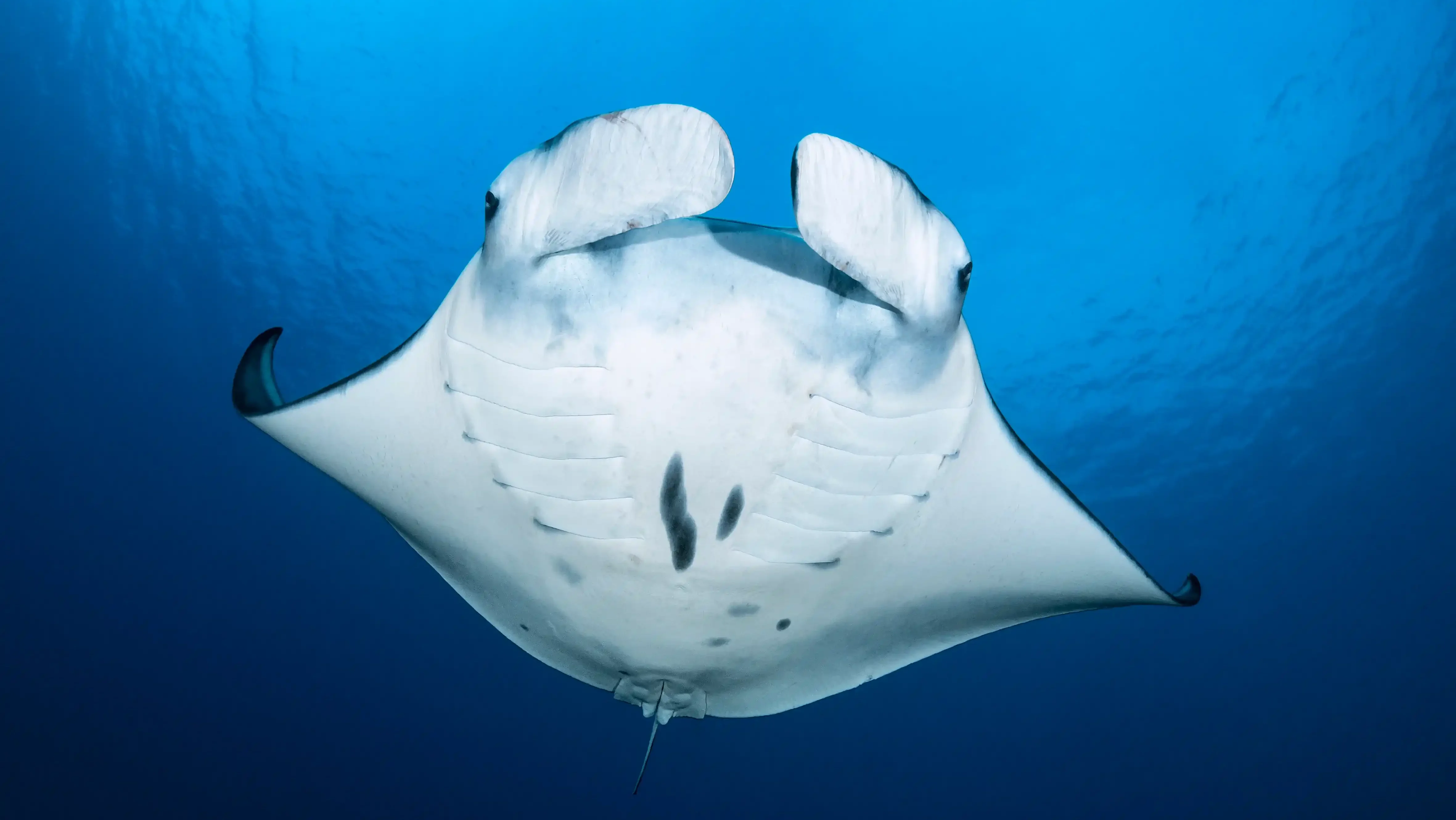
Komodo National Park is not only home to the world’s largest living lizard—it also harbours some of the planet’s most spectacular snorkelling. The park’s position at the confluence of the Indian and Pacific Oceans creates nutrient-rich upwellings that support extraordinary marine biodiversity: over 1,000 species of reef fish, 260 species of coral, manta rays with 5-metre wingspans, sea turtles, reef sharks, dolphins, and a kaleidoscope of invertebrate life that rivals the best dive destinations on earth.
A dedicated Komodo snorkelling trip aboard a private charter allows you to visit the park’s best snorkel sites at optimal times—arriving early before crowds, lingering at favourite spots, and accessing remote reefs that day-trip boats cannot reach. Whether you’re a first-time snorkeller or an experienced freediver, Komodo’s underwater world will exceed your highest expectations.
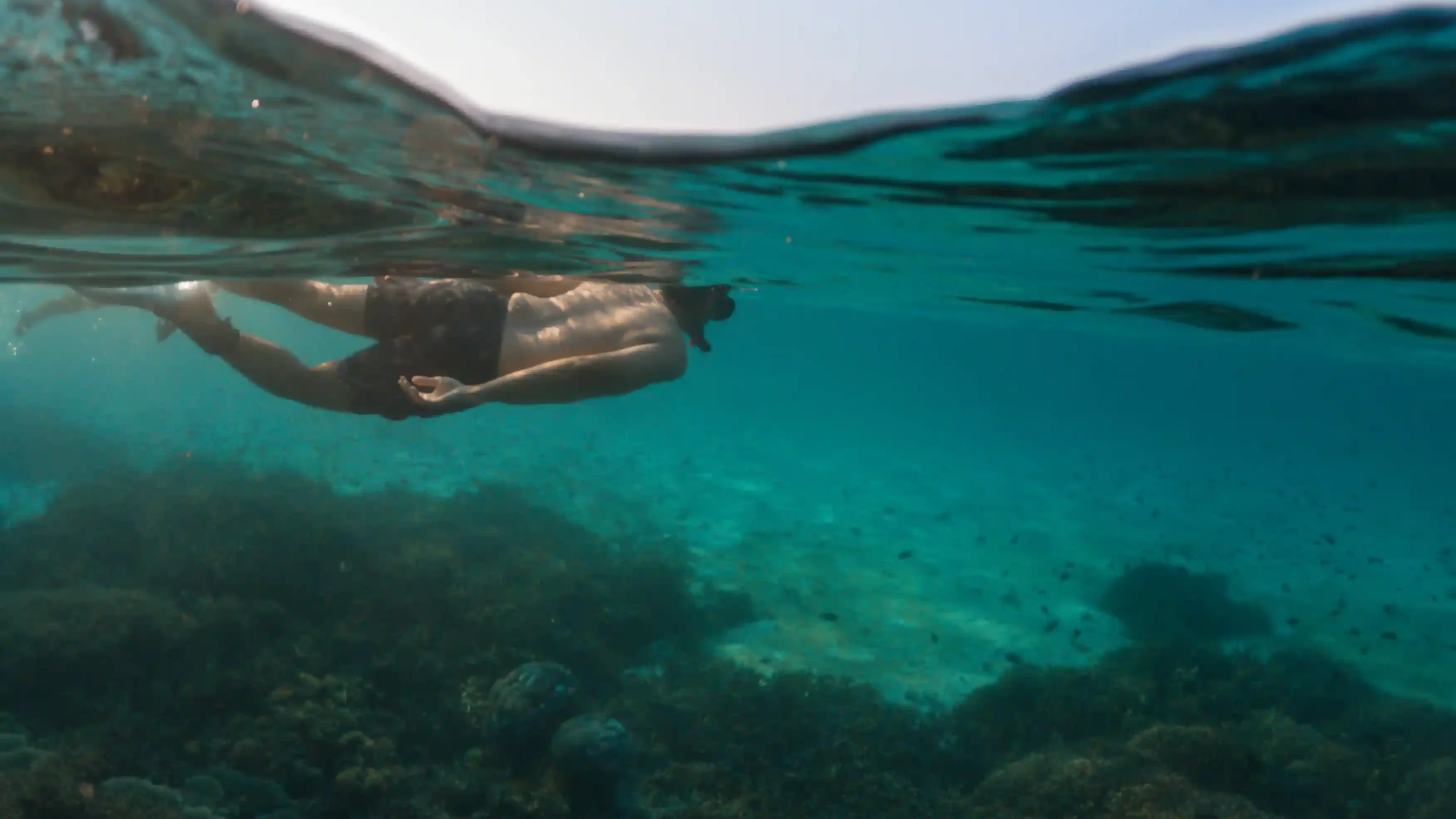
Pink Beach is Komodo’s most famous snorkelling location and for good reason. The shallow reef begins just metres from shore, making it accessible to beginners and children. Healthy hard coral formations support dense populations of clownfish, parrotfish, angelfish, and butterflyfish. Visibility typically ranges from 10–20 metres, and the water temperature stays a comfortable 26–29°C year-round. The unique pink sand—created by red coral fragments—is visible underwater, creating a surreal colour palette.
The undisputed highlight of any Komodo snorkelling trip. Oceanic manta rays visit this cleaning station site regularly from March through November. Snorkellers float on the surface while mantas glide below and around them—an encounter that consistently ranks among the world’s greatest wildlife experiences. Water depth at the viewing area is 8–15 metres, and mantas frequently surface-feed, coming within arm’s reach of snorkellers.
Kanawa’s coral garden is among the healthiest in the Komodo region. The shallow reef (1–5 metres) features dense staghorn coral formations, giant table corals, and brain corals that create a complex three-dimensional habitat supporting an extraordinary density of small reef fish. Visibility often exceeds 15 metres. Ideal for morning snorkelling when light penetration is optimal.
This tidal sandbar site offers unique snorkelling around the edges where shallow sand drops into deeper reef. The transition zone attracts larger fish species—trevally, barracuda, and occasional reef sharks—alongside the usual reef fish communities. Best snorkelled at rising or falling tide when water movement brings nutrient flow across the reef.
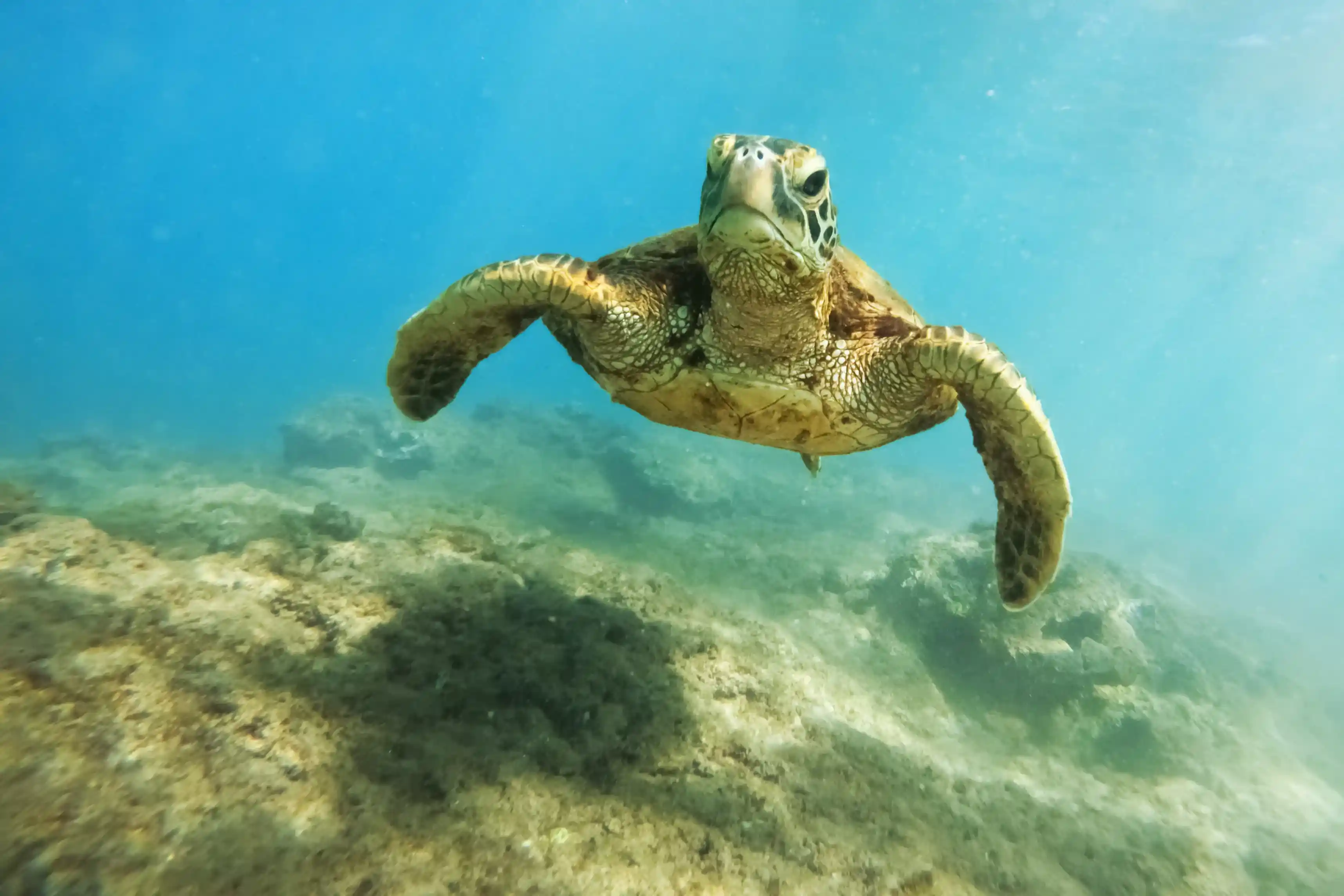
Siaba’s shallow reef system is a marine turtle haven. Green sea turtles and hawksbill turtles feed on seagrass beds adjacent to the coral reef, providing reliable turtle encounters for patient snorkellers. The calm, shallow water makes Siaba an excellent site for children and beginners.
Crystal-clear water and diverse coral coverage make Sebayur one of the region’s best all-round snorkel sites. The reef extends from the shoreline to depths of 15+ metres, offering something for every skill level. Look for giant clams, nudibranchs, and camouflaged scorpionfish among the coral formations.
Named for its crystal-clear visibility (often 25+ metres), this pinnacle site attracts large schools of fish including fusiliers, surgeonfish, and sweetlips. Currents can be strong here—best suited to confident snorkellers. When conditions align, Crystal Rock delivers the most spectacular wide-angle underwater scenery in Komodo.
Tatawa’s gently sloping reef runs parallel to the island shore, creating a natural snorkelling corridor. Soft corals in vivid purple, orange, and red create stunning underwater colour contrasts. Current is typically mild, making this site suitable for moderate-level snorkellers.
The sheltered bays around Gili Lawa offer excellent snorkelling with minimal current. Reef shark sightings are common in the shallows during early morning sessions. The combination of pristine reef, calm water, and scenic anchorage makes Gili Lawa a favourite overnight stop on multi-day charters.
A submerged pinnacle that rises from deep water to just below the surface. Strong currents bring nutrient-rich water that attracts impressive aggregations of reef fish, napoleon wrasse, and occasional eagle rays. Strictly for experienced snorkellers comfortable in current—the reward is Komodo’s most action-packed underwater spectacle.
Visit 3–4 premier snorkel sites in a single day aboard a private speedboat. Departs Labuan Bajo 07:00, returns 17:00. Ideal for travellers with limited time who want maximum underwater time.
Comprehensive snorkelling itinerary covering 8–10 sites over three days, including Pink Beach, Manta Point, Kanawa, and Crystal Rock. Overnight on a comfortable phinisi with all meals, equipment, and guided snorkel sessions included.
The complete Komodo snorkelling experience. Visit all top 10 sites plus hidden reefs known only to experienced local operators. Extended time at each site for underwater photography. Professional marine guide accompanies all sessions with species identification and ecological interpretation.
All charters provide quality snorkelling equipment including masks, snorkels, and fins in a range of sizes. We recommend bringing your own well-fitting mask for the best experience—rental masks sometimes leak or fog, and a familiar mask makes a significant difference to enjoyment. Life jackets are available for all guests regardless of swimming ability. Our boat guides assess conditions at every site before entry and brief guests on current direction, marine life to watch for, and safety protocols.
Komodo’s underwater world is one of the planet’s greatest natural treasures. Contact us via WhatsApp to plan your snorkelling trip—whether it’s a single day, a 3-night cruise, or the ultimate 5-night expedition, we’ll match you with the perfect vessel, itinerary, and guide team for your underwater adventure.
Understanding seasonal variation is key to planning the ultimate Komodo snorkelling trip. May through September (dry season) offers the best overall conditions: visibility averaging 15–25 metres, water temperatures of 26–29°C, calm sea states for comfortable surface snorkelling, and peak manta ray activity at Manta Point. The trade-off is higher visitor numbers and higher pricing during this period.
October through April (wet season) brings warmer water temperatures (28–30°C) that can actually improve soft coral colour vibrancy and attract different marine species. Rain squalls are typically brief and don’t significantly impact underwater visibility. The wet season also brings plankton blooms that attract whale sharks to certain areas of the Komodo region—a rare bonus for lucky snorkellers. Fewer boats on the water mean more peaceful snorkelling experiences at popular sites.
Komodo’s snorkelling sites range from beginner-friendly shallow reefs to advanced current-swept pinnacles. Beginners and families with children should focus on: Pink Beach (shallow, calm, shore access), Kanawa Island (protected lagoon, 1–5 metre depth), and Siaba Island (gentle current, turtle encounters). Intermediate snorkellers can add: Taka Makassar, Tatawa Besar, and Sebayur Island. Advanced snorkellers comfortable in current can tackle: Crystal Rock, Batu Bolong, and Gili Lawa’s exposed reef walls. Our guides assess conditions at every site and advise guests on suitability before entering the water.
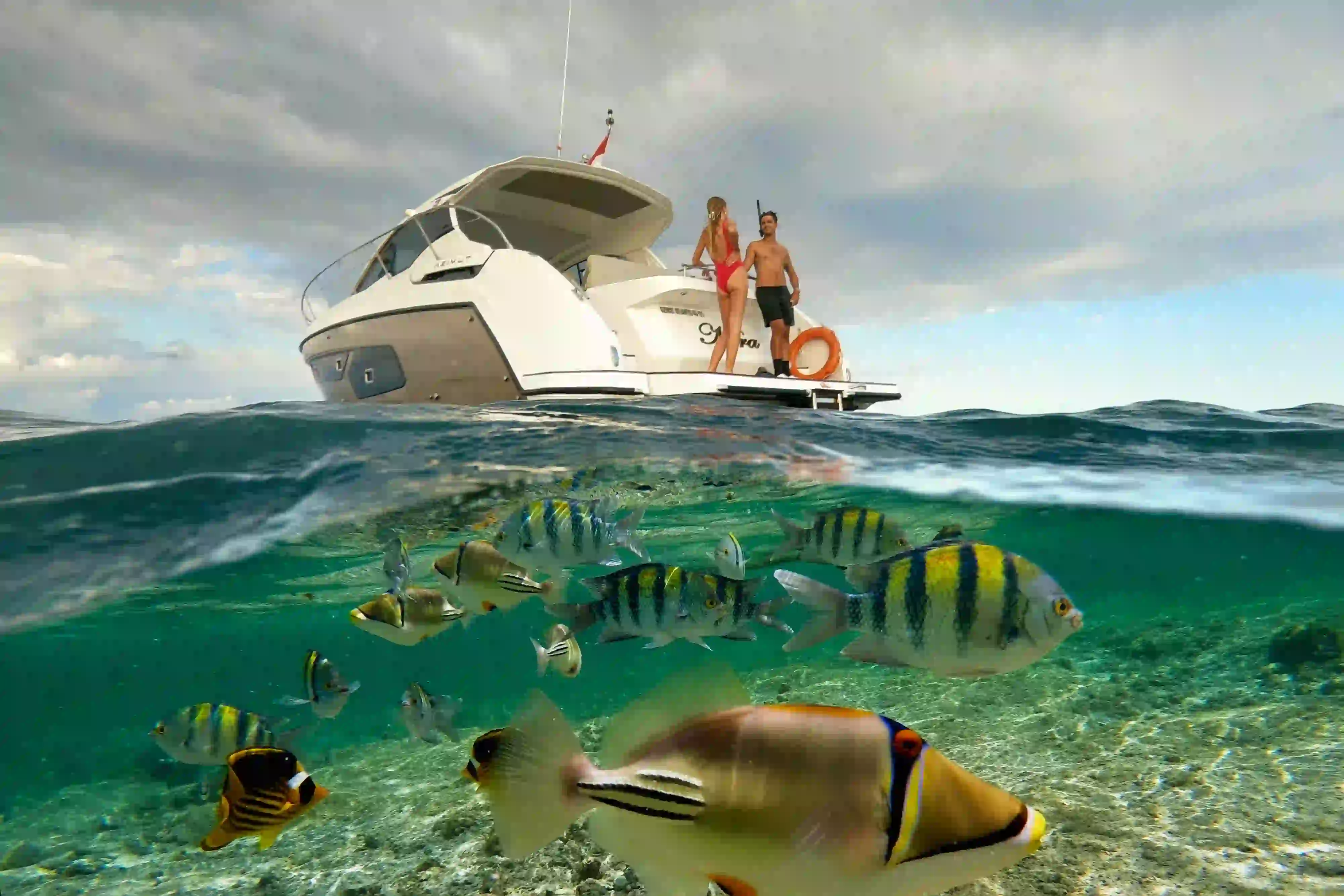
Komodo is a world-class destination for underwater photography. For smartphone users, a quality waterproof case (rated to 10+ metres) combined with the natural light at shallow sites produces excellent results. For dedicated underwater photographers, the combination of clear water, diverse marine life, and dramatic reef formations creates opportunities for wide-angle reef scenes, macro nudibranch and invertebrate shots, manta ray action photography, and stunning split-level (half-underwater, half-above) images at Pink Beach and Taka Makassar.
Komodo National Park’s marine protection efforts have produced measurable results: coral coverage has increased in monitored zones, fish biomass has recovered in no-take areas, and manta ray populations remain stable. As snorkellers, we are guests in this extraordinary ecosystem. Responsible snorkelling practices—no touching coral, no standing on reef, maintaining distance from marine life, using reef-safe sunscreen—ensure that future visitors experience the same beauty we enjoy today. Our guides enforce these practices consistently and educate guests about the ecological significance of each site visited.
A dedicated snorkelling trip doesn’t mean you miss Komodo’s land-based highlights. Multi-day snorkelling charters incorporate island hikes (Padar sunrise, Gili Lawa sunset), Komodo dragon treks at Rinca and Komodo Islands, beach walks at Pink Beach and Taka Makassar, and kayaking through mangrove channels. The balance of underwater and above-water activities creates a holistically satisfying Komodo experience that appeals to snorkellers and non-snorkellers alike within the same group.
You don’t need to be an experienced swimmer to enjoy Komodo’s underwater world. Life jackets provide complete buoyancy support, allowing even non-swimmers to float comfortably on the surface while observing the reef below through their mask. Several sites—particularly Pink Beach and Kanawa Island—have reef systems that begin in waist-deep water, allowing beginners to wade in gradually and build confidence before moving to deeper areas.
Our guides provide patient, personalised instruction for first-time snorkellers: how to breathe through a snorkel without water entry, how to clear a flooded mask, how to use fins efficiently without disturbing sediment, and how to float relaxed on the surface for extended observation periods. Most first-timers are comfortable and confident within 15–20 minutes of guided practice at a calm site.
Sun exposure is the most common health concern during snorkelling trips—UV reflection off the water surface intensifies sun exposure significantly. Wear a rash guard or UV-protective shirt (SPF 50+ fabric), apply reef-safe sunscreen to all exposed skin every 90 minutes, and use a hat and sunglasses between snorkelling sessions. Dehydration is the second concern—drink water consistently throughout the day even when you don’t feel thirsty. Our crew provide unlimited fresh drinking water and remind guests to hydrate regularly.
Whether you’re a first-time snorkeller or an experienced marine enthusiast, Komodo’s underwater world delivers experiences that consistently exceed expectations. Our snorkelling charter packages range from single-day expeditions to comprehensive 5-night cruises, with every detail handled by our experienced team. WhatsApp us with your travel dates, snorkelling experience level, and preferred trip length—we’ll design the perfect Komodo underwater adventure for you.
Our snorkelling charters are led by guides who know Komodo’s reefs intimately—not just the popular sites visible on tourist maps, but the hidden corners, seasonal migration patterns, and time-of-day dynamics that transform a good snorkelling session into an extraordinary one. Our guides know that Crystal Rock is best snorkelled on an incoming tide when visibility peaks, that Manta Point produces its most reliable sightings between 09:00 and 11:00, and that Kanawa’s eastern reef wall attracts turtles during early morning feeding hours. This accumulated knowledge directly impacts the quality of your underwater experience.
Every snorkelling charter includes comprehensive pre-dive briefings at each site, covering marine life to look for, current direction and strength, entry and exit points, and any specific safety considerations. Our guides carry surface marker buoys and maintain visual contact with all snorkellers throughout every session. Guest safety is never compromised regardless of conditions—if a site is unsuitable on a given day, we redirect to an alternative that delivers an equally rewarding experience.
From the pink-tinged shallows of Pantai Merah to the current-swept pinnacles of Batu Bolong, from gentle turtle encounters at Siaba to heart-stopping manta ray swoops at Manta Point, Komodo’s underwater world is as diverse and spectacular as any marine environment on earth. A dedicated snorkelling charter ensures you experience the very best of this underwater paradise with expert guidance, quality equipment, and the luxury of time. Your Komodo snorkelling adventure starts with a single WhatsApp message—send us yours today.
Basic swimming ability is recommended, but life jackets provide buoyancy support for less confident swimmers. Several sites (Pink Beach, Kanawa) have shallow reef accessible by wading from the beach—no deep water swimming required. Our guides provide patient instruction for first-time snorkellers.
Komodo’s reefs are generally very safe for snorkellers. Reef sharks are present but not aggressive toward humans. The main hazards are fire coral (which causes a mild sting on contact), sea urchins in shallow areas, and strong currents at certain sites. Following your guide’s briefing and wearing appropriate protection (rash guard, water shoes) mitigates all common risks.