Speedboat charters represent optimal solutions for day-trip oriented visitors seeking efficient, flexible access to Komodo National Park’s diverse attractions. These nimble, high-performance vessels combine velocity with maneuverability, enabling rapid travel between islands while facilitating activities inaccessible via larger yachts. Speedboat charters suit independent travelers, small groups, and budget-conscious adventurers prioritizing flexibility, speed, and cost-effectiveness over luxury accommodations.
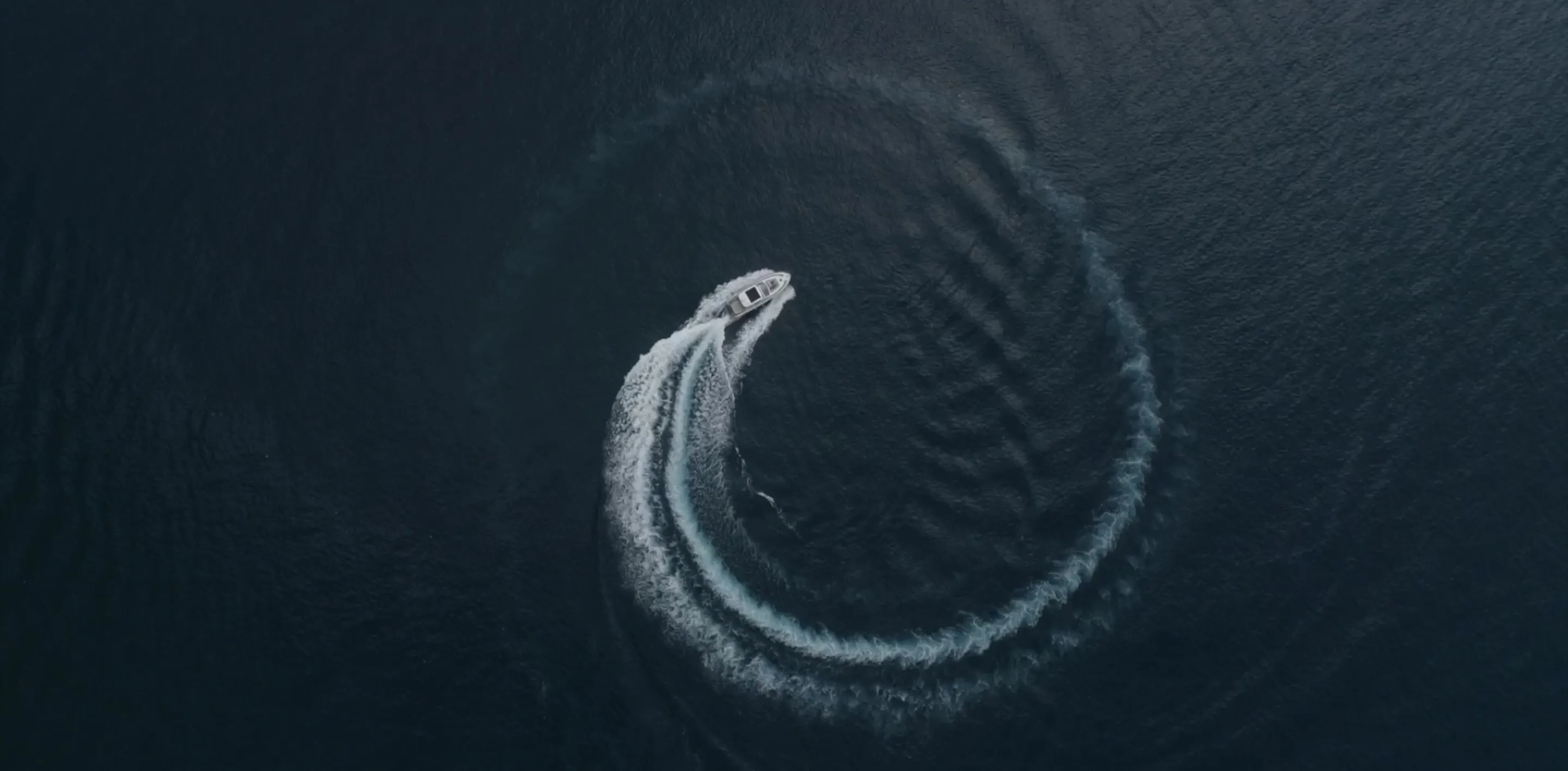
Komodo speedboats typically accommodate 6-10 passengers, enabling personalized expedition scaling impossible with larger vessels. Modern powerboats feature 25-30 knot cruising speeds (46-55 km/h), reducing transit times between Labuan Bajo and distant islands to 30-90 minutes depending on destination. This speed enables multiple-island visits within single-day expeditions.
Typical speedboat configurations include open-deck designs maximizing wildlife visibility while exposing passengers to sun and sea spray. Canvas canopies provide partial shade protection—bring sunscreen and hats protecting against intense equatorial sun exposure. Modern designs often include cabin space offering refuge during rough seas or intense heat.
Engine specifications vary: twin 250-350 horsepower outboards enable rapid acceleration and responsive handling. Fuel consumption proves higher than larger vessels, increasing per-passenger fuel costs. However, rapid transit efficiency may offset fuel expenses through activity quantity expansion within limited timeframes.
Safety features include Coast Guard-approved life jackets, communication equipment, and first-aid supplies. Licensed captains and crew possess extensive local knowledge, maritime safety training, and emergency protocol competency. Insurance coverage protects passengers against accident-related liabilities.
Standard speedboat day trips span 8-10 hours, departing Labuan Bajo morning (6-8 AM) and returning mid-afternoon (3-5 PM). Morning schedules enable golden-hour early-light activity timing. Return schedules prevent extended evening darkness limiting navigation and activity enjoyment.
Common itineraries combine complementary activities: Komodo dragon trekking paired with snorkeling, or multiple island visits emphasizing marine activities. Experienced operators design itineraries balancing activities, transit times, and passenger interests. Flexible scheduling accommodates emerging opportunities—if manta rays congregate at specific locations, itinerary adjustments enable unexpected encounters.
Kanawa Island itineraries emphasize snorkeling and beach relaxation, accessing pristine beaches and exceptional coral reefs. Tatawa Islands day trips combine diving/snorkeling with short trekking. Gili Lawa Darat expeditions prioritize sunrise trekking combined with subsequent snorkeling. Pink Beach visits combine geology exploration with swimming and relaxation.
Custom itineraries accommodate specific interests: photography-focused expeditions positioning boats for optimal lighting and wildlife encounters, diving-intensive days maximizing underwater time, or wildlife-observation emphasis prioritizing dragon encounters. Communicate interests with operators enabling personalized planning.
Speedboat charter costs typically range from $300-600 per day, depending on vessel type, fuel prices, crew requirements, and included amenities. Charter costs divide across passenger groups—six passengers sharing costs average $50-100 per person daily. This pricing excludes national park entrance fees ($15 per person), guide requirements ($50-100 per guide daily), and meal expenses.
Budget calculations should include: fuel surcharges (common in tourism), park entrance fees, mandatory guide costs, crew gratuities (customary 10-15%), meals aboard, and equipment rental (snorkeling gear, life jackets). Total per-person costs average $80-150 daily depending on inclusions and passenger group size.
Group sharing reduces per-person expenses significantly—individual speedboat charter (one passenger) costs substantially more per person than cost-shared group journeys. Accommodation during nights off the boat (typically budget lodges $15-30 nightly) adds accommodation expenses absent in all-inclusive packages.
Comparison considerations: speedboat day trips cost less than multi-night yacht charters while providing comparable daily activities. However, returning to shore daily eliminates overnight marine experiences and sunrise/sunset viewing from water perspectives available on extended yacht journeys.
Flexibility represents speedboat charters’ primary advantage—itinerary modifications respond to weather conditions, wildlife sightings, or passenger interests without logistical constraints afflicting larger vessels. Rapid transit enables multiple-site visits, maximizing activity diversity within limited timeframes. Small group sizes enable personalized attention and customized experiences.
Cost-effectiveness suits budget-conscious travelers or those preferring day-trip configurations. Speedboat day rates prove competitive with comprehensive yacht charters while maintaining activity equivalence. Small crew requirements reduce per-passenger labor costs compared to larger vessels.
Accessibility combines rapid water travel with nimble maneuvering enabling beach landings inaccessible to larger vessels. Speedboats access shallow reef areas and narrow channels, reaching locations exclusive to small-boat vessels. This access diversity expands activity and exploration options considerably.
High-speed ocean travel creates substantial physical demands—extended rough-water transit proves uncomfortable, occasionally causing motion sickness in susceptible passengers. Modern boats include stabilization technology reducing motion intensity, though conditions remain more challenging than larger, heavier yacht platforms.
Open-deck exposure subjects passengers to intense sun and sea spray—adequate sun protection proves essential. Extended water exposure at high speeds increases hypothermia risk from wind chill despite tropical ambient temperatures. Bring water-resistant jackets or rash guards preventing sun exposure and providing wind protection.
Speed-related fatigue accumulates during active days—rapid motion between islands provides limited rest opportunities. Multiple activity transitions require frequent boat boarding/disembarking, establishing/disestablishing anchors, and activity transitions creating persistent activity demands. Less energetic travelers may find slower-paced yacht experiences more suitable.
Fuel costs fluctuate based on global petroleum prices—speedboat charters bear fuel cost impacts more directly than larger vessels. Budget calculations should accommodate potential fuel surcharges particularly during price volatility periods.
Ocean travel inherently involves maritime risks—respect weather forecasts, heed captain advisories regarding hazardous conditions, and understand emergency procedures. Life jackets remain mandatory; wear them during transit despite comfort limitations. Competent swimmers paradoxically require life jacket usage—unexpected emergencies transcend swimming ability.
Seasickness prevention involves ginger supplements, over-the-counter medications, or prescription treatments. Dramatic acceleration/deceleration and constant motion trigger nausea in susceptible individuals. Medication timing (30-60 minutes before departure) optimizes effectiveness.
Weather monitoring remains essential—tropical systems can develop rapidly. Professional operators follow conservative safety protocols, altering itineraries or canceling expeditions when conditions deteriorate. Accept schedule modifications prioritizing passenger safety above activity completion.
Communication equipment enables rapid assistance contact—modern boats include radio systems and satellite phones ensuring emergency communication capability. Crew training covers first-aid administration and emergency response protocols. However, remote locations mean rescue assistance may require hours despite communication equipment availability.
Arrive early for scheduled departures—early starts (6-8 AM) enable maximum daylight activity. Bring substantial water supplies (3-4 liters per person) combating dehydration from sun exposure and saltwater immersion. Electrolyte replacement drinks prevent hyponatremia more effectively than plain water during heavy exertion.
Sun protection proves absolutely essential—apply SPF 50+ reef-safe sunscreen liberally, reapplying every 2 hours. Lightweight long sleeves and quick-dry pants provide superior protection compared to reliance on sunscreen alone. Wide-brimmed hats and quality sunglasses protect additional facial areas.
Bring motion sickness medication if susceptible to seasickness—prevention proves more effective than treatment. Ginger candies, acupressure wristbands, and prescription scopolamine patches represent various intervention options. Discuss medication compatibility with personal health considerations.
Pack dry bag essentials: sunscreen, medications, documents, and valuables. Waterproof phone cases enable photography despite water exposure risks. Bring multiple camera batteries—extended time away from charging infrastructure exhausts power rapidly.
Speedboat operations impact sensitive marine ecosystems through noise pollution, fuel spills, and anchor damage to coral reefs. Responsible operators employ mooring buoys preventing anchor coral damage. Reef-safe fuel additives minimize environmental contamination from occasional spills. Noise reduction technologies minimize marine animal disruption.
Passenger behavior dramatically impacts conservation—never touch corals, maintain marine animal distances, and avoid disrupting nesting sites or breeding aggregations. Collect all trash, disposing properly in land facilities. Refuse single-use plastics aboard boats, choosing reusable alternatives.
Operator selection influences conservation outcomes—choose operators demonstrating marine protection commitment through visible practices and conservation organization partnerships. Willingness to alter itineraries protecting vulnerable species indicates genuine conservation consciousness.
Speedboat charters operate year-round, though seasonal weather affects frequency and reliability. Dry season (April-December) provides optimal conditions with minimal rainfall and calm seas. Peak season (June-September) experiences highest booking demand—advance reservations prove essential.
Wet season (January-March) brings higher rainfall and rougher sea conditions, but reduced crowds and lower pricing appeal budget travelers tolerating less-ideal conditions. Shoulder seasons (March-April, November-December) offer compromise conditions balancing comfort and crowds.
Reserve speedboat charters through established operators—verify licensing, insurance, safety records, and customer reviews before commitment. Advance booking (7-14 days recommended) ensures availability and enables personalized itinerary customization. Last-minute bookings risk unavailability or reduced choice regarding vessel/captain selection.
Payment typically occurs fully upfront via credit card or bank transfer. Cancellation policies vary—understand refund procedures and weather-related rescheduling policies before payment. Travel insurance covering trip cancellation proves valuable protecting against unexpected circumstances.
Confirm final details 24-48 hours before departure: pickup location/time, exact activities, crew contact information, and equipment availability. Clarify inclusions—some charters include meals while others require passenger provision.
Minimum group sizes vary by operator—typically 2-4 people enable charter operations. Solo travelers may join group charters or arrange private charters at premium rates. Larger groups (8-10 passengers) enable cost-sharing reducing per-person expenses substantially.
Boat, captain, fuel, and basic safety equipment typically are included. Park entrance fees, mandatory guide costs, snorkeling equipment, and meals usually are NOT included—clarify inclusions before booking. Some operators offer full-meal inclusion packages at premium rates.
Comfort varies based on sea conditions and personal tolerance. Calm conditions enable comfortable travel; rough seas create significant motion. Modern boats include stabilization technology reducing motion effects. Motion sickness medication prevents nausea for susceptible travelers.
Cruising speeds typically reach 25-30 knots (46-55 km/h). Transit times to distant islands range from 30 minutes (nearby Kanawa Island) to 90+ minutes (southern Banta Island). Speed enables multiple-island visits within single-day expeditions.
Modern speedboats handle typical sea conditions well, though rough waters create discomfort and occasional safety concerns. Professional captains avoid hazardous conditions, rescheduling activities during dangerous weather. Trust captain expertise regarding safe travel decisions.
Dragon trekking, snorkeling, diving, beach exploration, and marine wildlife observation suit speedboat schedules. Multiple activities within single days enable activity diversity. However, extended underwater time proves limited—speedboat-based diving suits moderate diving depths and durations.
Yes, speedboat charters accommodate families—though high-speed ocean travel requires comfort with motion and ocean exposure. Children may experience discomfort from speed/motion. Verify that life jackets accommodate child sizes before booking.
Speedboats enable faster transit and greater flexibility with lower daily costs. Yachts provide luxury accommodations, overnight experiences, and multi-day expeditions. Choice depends on priorities: budget/flexibility favor speedboats; luxury/extended experiences favor yacht charters.
Speedboat charters serve a specific and important niche in the Komodo charter market — delivering high-coverage, time-efficient island exploration at accessible prices. For travelers with 1-2 days, speedboat charters often represent the optimal format to maximize sites visited per day. Understanding the practical aspects ensures your speedboat charter delivers the experience you’re hoping for.
Wear your swimwear under light clothing for immediate snorkel readiness. Bring waterproof sunscreen (SPF 50+), apply before boarding as sea spray distributes chemicals onto the boat’s fiberglass. Dry bags are essential for cameras and electronics. Motion sickness medication should be taken 45-60 minutes before boarding if you’re prone to seasickness. Most Labuan Bajo speedboat operators depart from the main harbor pier or Pede Beach — confirm exact meeting point at booking.
Speedboat operators reserve the right to cancel or modify routes based on weather and sea conditions. Strong wind days (above 25 knots sustained) create uncomfortable and potentially unsafe speedboat conditions. If your charter is cancelled due to weather, most reputable operators offer rescheduling or refund. Always confirm the operator’s weather cancellation policy at booking and secure travel insurance for non-refundable bookings.
In peak season (July-August), book 2-4 weeks in advance. Shoulder months allow 1-2 weeks lead time. Private speedboat charters can sometimes be arranged 48-72 hours in advance if availability exists. Shared speedboat tours often have walk-in availability in low season but may be fully booked in peak periods.