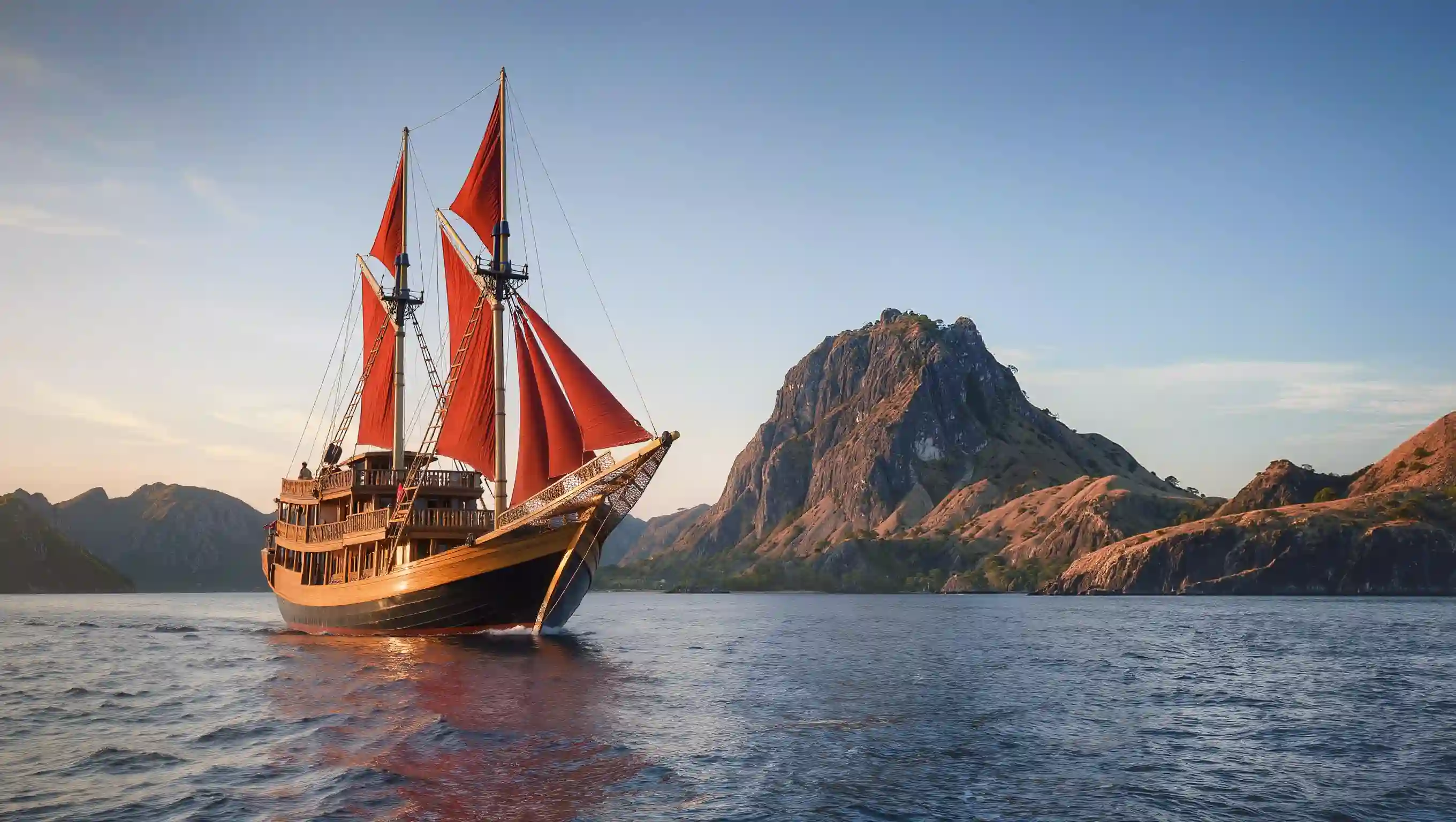
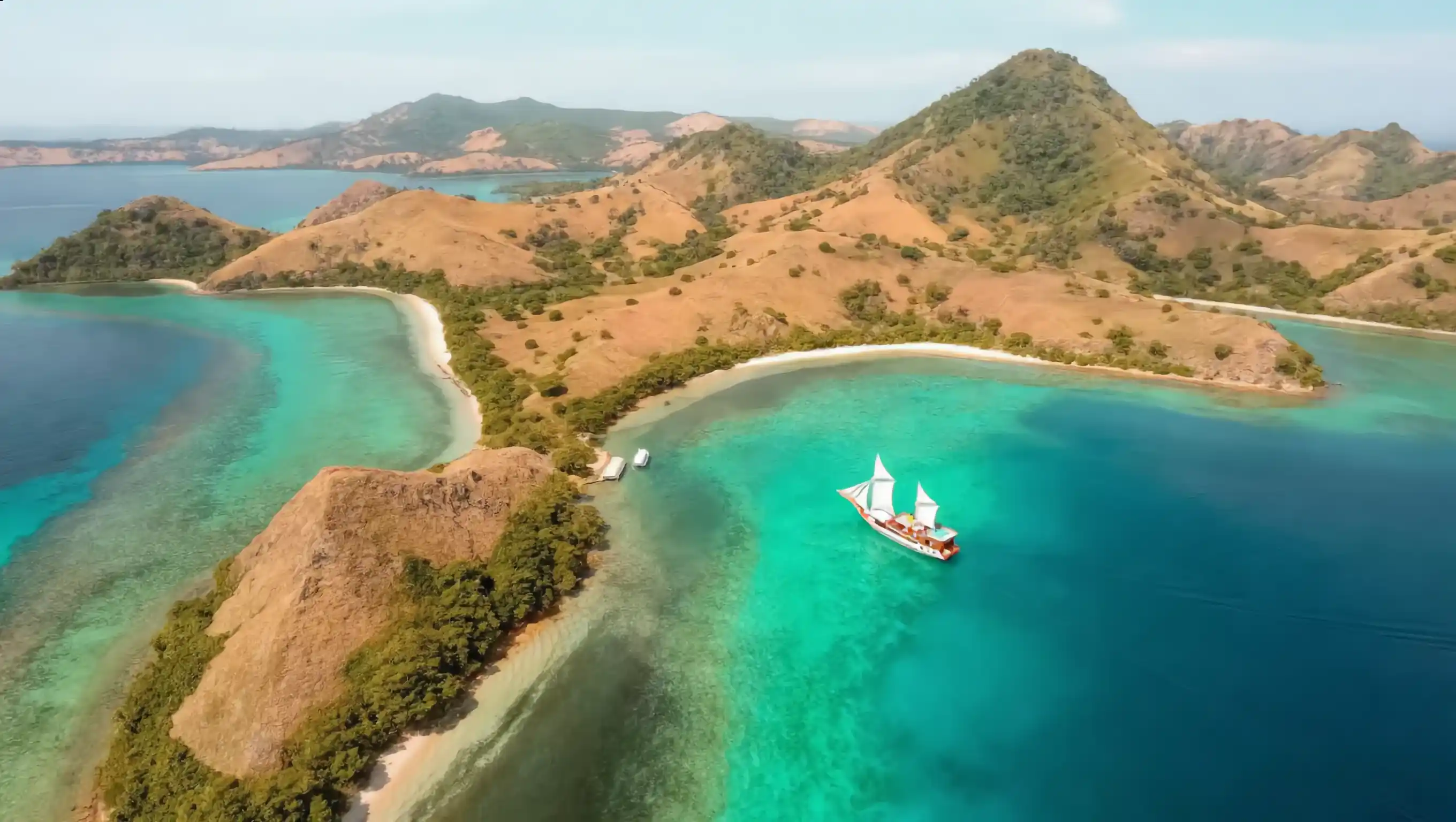
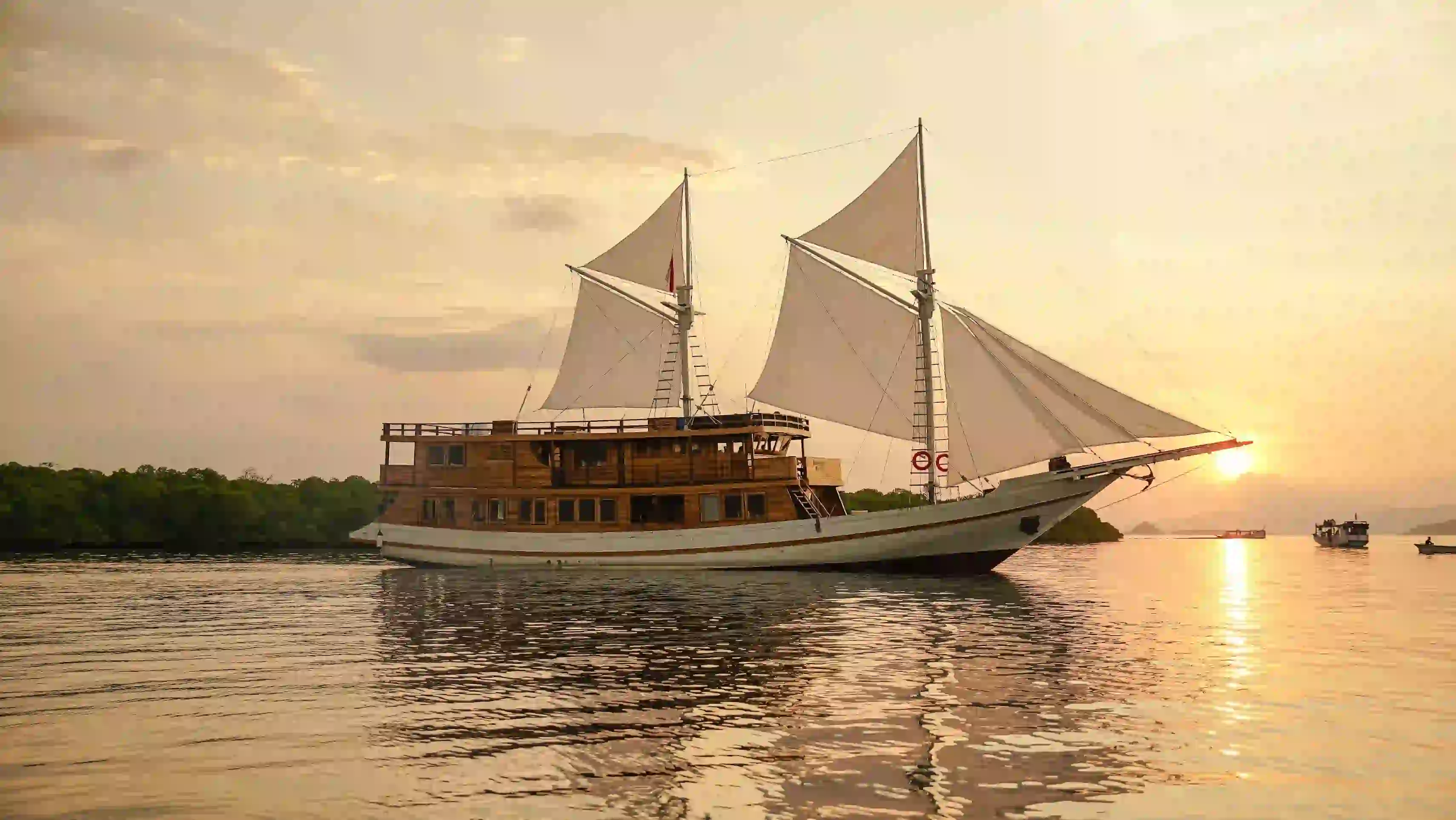
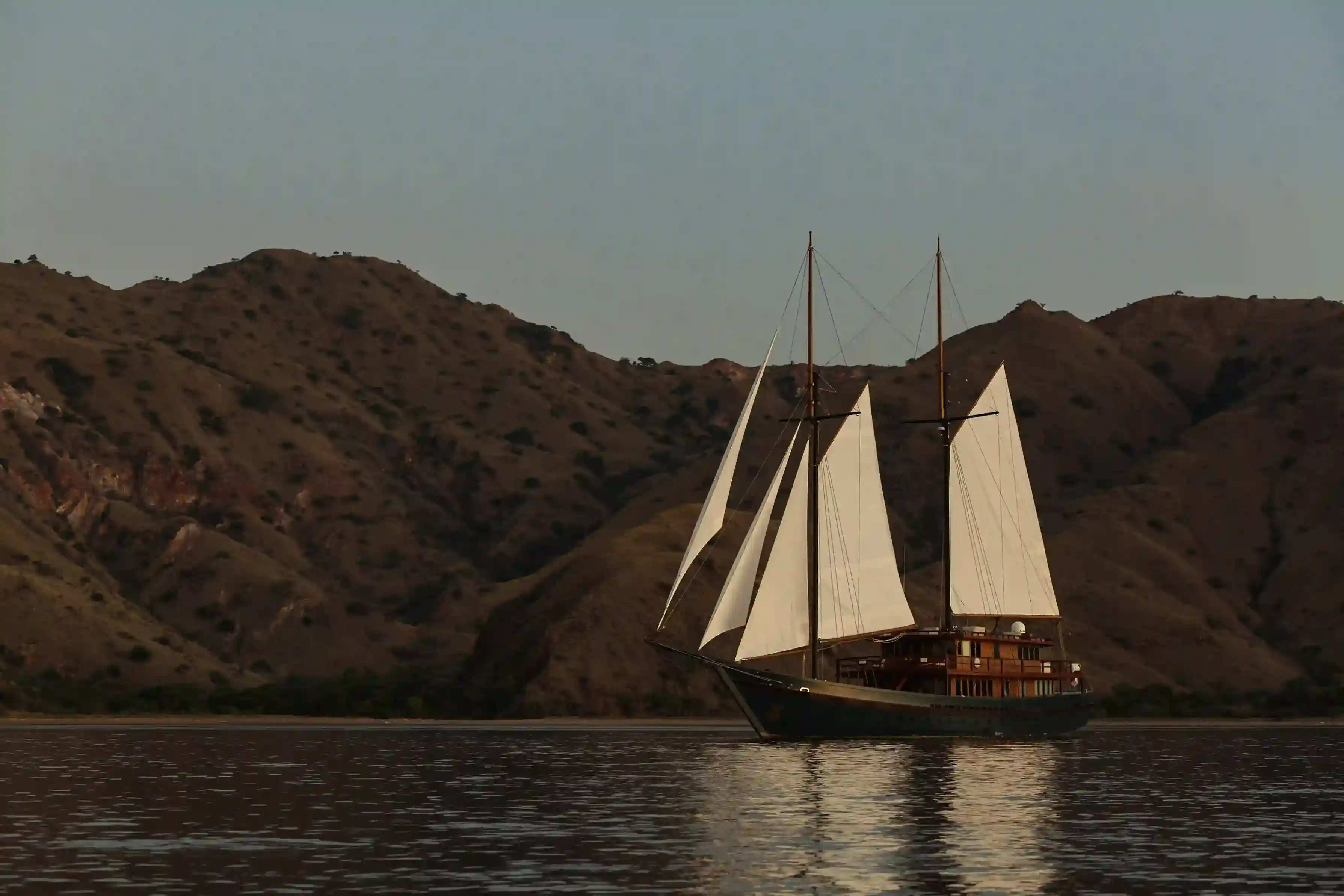
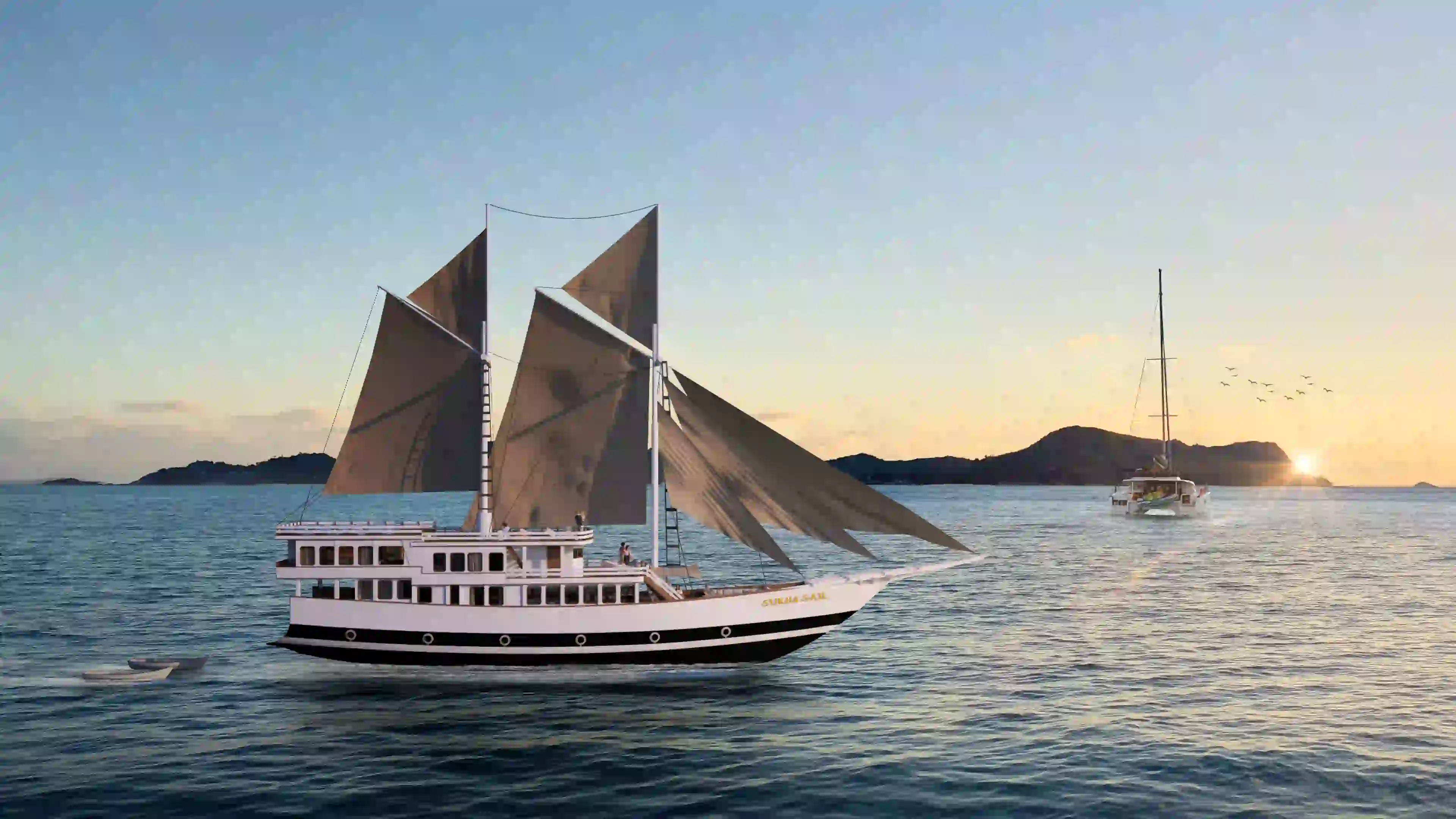
A phinisi boat represents one of Indonesia’s most distinctive and culturally significant maritime achievements, embodying centuries of seafaring expertise, traditional craftsmanship, and sophisticated maritime engineering. The term “phinisi” refers to a traditional double-hulled sailing vessel originating from South Sulawesi, specifically developed by Bugis and Makassar peoples renowned throughout Southeast Asia for exceptional navigational skills and boat-building knowledge. A phinisi boat Komodo charter provides contemporary travelers opportunities to experience these magnificent vessels, learning what is phinisi boat Komodo history and appreciating phinisi boat Komodo size, construction methods, and cultural significance. Understanding phinisi boat Komodo facts deepens appreciation for Indonesian maritime heritage and explains why these vessels continue attracting travelers seeking authentic experiences and cultural immersion.
The defining characteristic of phinisi boats involves their distinctive double-hulled design, featuring two parallel hulls connected by cross-beams and decking creating exceptionally stable platforms. This innovative design, refined over centuries, provides superior stability compared to single-hulled competitors, enhanced cargo-carrying capacity, and exceptional safety in rough seas. The combination of traditional craftsmanship, authentic construction methods, and sophisticated hull design creates vessels representing remarkable maritime achievements predating modern naval architecture by centuries. Historical phinisi vessels conducted extensive trading voyages throughout Southeast Asia, establishing Indonesia as major maritime power and demonstrating capabilities of traditional boat-building techniques.
Modern phinisi boats operating for charter and tourism in Komodo and surrounding waters preserve the traditional aesthetic designs, iconic double-hulled construction, and authentic wooden craftsmanship while incorporating contemporary safety equipment, navigation systems, and comfort amenities. These modern traditional vessels represent bridges between maritime heritage and contemporary tourism, allowing guests to experience authentic sailing traditions without sacrificing safety or reasonable comfort. The renaissance of phinisi tourism reflects growing appreciation for cultural preservation, sustainable tourism, and authentic experiences offering meaningful alternatives to standardized mass-market vacation approaches.
Historical development of phinisi boats traces to South Sulawesi maritime communities, particularly the Bugis and Makassar peoples developing sophisticated maritime skills and boat-building expertise enabling extensive trading networks. Archaeological and historical evidence suggests phinisi development occurred between 1500-1700, though maritime traditions may extend further back in regional history. Early phinisi served multiple purposes: merchant vessels transporting valuable spices and goods throughout Southeast Asia, fishing boats sustaining coastal communities, and exploratory craft expanding geographical knowledge and establishing trade routes.
Historical accounts document phinisi vessels conducting trading voyages from Indonesia to India, Middle East, and parts of Africa, establishing commercial networks and cultural exchanges that shaped regional development. The Bugis reputation for maritime expertise, developed through generations of seafaring experience, created competitive advantages in long-distance trading. Phinisi vessels, with superior cargo capacity and seaworthiness compared to contemporary alternatives, provided significant commercial advantages enabling Bugis traders to dominate regional commerce. This maritime dominance continued until European colonization disrupted traditional trading patterns and introduced competitive pressures from European vessels.
During colonial periods, phinisi construction continued despite changing commercial circumstances, adapting to evolving economic conditions and competing with European vessel designs. The introduction of steam power and mechanical propulsion initially threatened traditional sailing vessels, but phinisi survived by adapting to contemporary demands while maintaining traditional construction methods and cultural significance. Throughout 20th century modernization, phinisi boats remained important to Indonesia’s maritime identity, though production declined as contemporary fiberglass and steel construction offered cost and efficiency advantages.
The contemporary phinisi renaissance reflects renewed appreciation for traditional maritime heritage, sustainable practices, and authentic cultural experiences. Tourism demand for authentic vessels, environmental consciousness regarding sustainable materials and practices, and cultural preservation movements have revitalized interest in traditional phinisi construction. Contemporary phinisi boat builders, maintaining ancestral knowledge while incorporating modern safety and operational requirements, continue producing vessels serving both commercial fishing and tourism purposes. This revival supports cultural continuity, preserves traditional knowledge systems, and provides economic opportunities for communities maintaining boat-building heritage.
Phinisi boat construction represents sophisticated maritime engineering developed through centuries of experimentation and refinement, utilizing traditional methods emphasizing joinery, mechanical fastening, and careful material selection. Master boat builders, maintaining specialized knowledge within family enterprises, possess encyclopedic understanding of wood properties, structural requirements, and construction techniques enabling creation of seaworthy vessels without modern blueprints or computer modeling. This knowledge, transmitted across generations through apprenticeship and practical experience, represents irreplaceable cultural information embodying accumulated maritime expertise.
Material selection for phinisi construction involves careful consideration of wood species’ properties, durability, resistance to marine deterioration, and structural suitability for different vessel components. Teak wood, prized for rot resistance and longevity, features prominently in traditional phinisi, particularly for hull construction. Merbau wood, appreciated for structural strength, appears in components requiring maximum durability. Other tropical hardwoods, selected for specific properties—flexibility, water resistance, aesthetic qualities—contribute to overall vessel integrity. These materials, derived from sustainable forestry practices in many cases, require significant investment, contributing substantially to phinisi vessel costs and reflecting quality craftsmanship.
Construction methodology emphasizes traditional joinery techniques creating flexible, durable structures capable of flexing with ocean movement. Wooden pegs, rather than metal fasteners in many cases, allow structural flexibility distributing stress across components rather than concentrating pressure points. Overlapping planking, termed “clinker” or “lapstrake” construction, creates layered hull designs providing superior seaworthiness. This flexibility contrasts sharply with rigid fiberglass construction, contributing to superior performance in rough seas and extended vessel lifespans. The precision required for successful traditional joinery demands exceptional craftsmanship and years of practical experience.
Construction timelines for traditional phinisi extend 8-12 months or longer, reflecting meticulous attention to detail throughout processes. Hull planking requires careful fitting, allowing wood components extended seasoning periods ensuring stability and longevity. Sail-making represents separate specialized craft, with traditional sailmakers producing canvas sails incorporating regional design variations and specialized seam techniques ensuring durability under oceanic conditions. Master builders maintain waiting lists as demand for quality traditional phinisi exceeds production capacity, reflecting continued market appreciation for authentic vessels.
The distinctive double-hulled design represents phinisi’s most defining characteristic, providing exceptional stability, cargo-carrying capacity, and safety advantages compared to single-hulled competitor designs. Two parallel hulls, connected by cross-beams and decking spanning the space between, create stable platforms resistant to capsizing even in severe sea conditions. This configuration distributes weight across dual hulls, reducing stress on individual structures and enabling larger cargo volumes. The spacing between hulls provides additional advantages: improved ventilation, reduced heat buildup in cargo holds, and redundancy enhancing safety if one hull sustains damage.
Stability advantages of double-hulled designs become particularly pronounced during rough sea conditions. Single-hulled vessels experience significant rolling as waves pass beneath hulls, creating uncomfortable conditions and potential capsizing risks in extreme weather. Double-hulled phinisi, with wider beam (width) created by dual hulls, experience reduced rolling motion and superior stability throughout sea conditions. This inherent stability enabled longer, more ambitious voyages with greater cargo loads than single-hulled competitors could safely undertake. The stability advantages particularly benefited historical trading voyages, allowing merchant vessels to carry valuable cargo across extended distances with reduced loss risks from capsizing or structural damage.
Cargo capacity advantages enabled phinisi vessels to carry substantially larger loads than competitors, providing significant commercial advantages. The volume created by dual hulls allowed substantial cargo holds capable of transporting valuable spices, textiles, and goods generating substantial trading profits. This commercial advantage drove phinisi’s adoption throughout Southeast Asia and contributed to Bugis maritime dominance. Contemporary phinisi vessels, retaining double-hulled designs despite modern alternatives, continue benefiting from cargo capacity advantages and superior stability compared to single-hulled motor vessels.
The double-hulled design also provided essential safety redundancy crucial for long-distance ocean voyages. If one hull sustained damage from rocks, reefs, or other maritime hazards, the remaining intact hull maintained flotation and seaworthiness, enabling damaged vessels to reach ports for repairs. This built-in redundancy represented significant safety advantage compared to single-hulled designs where hull damage frequently resulted in total vessel loss. For historical sailors undertaking extended voyages across thousands of miles without modern safety equipment, this redundancy provided crucial margin of safety.
Phinisi boats exhibit considerable variation in size and configuration, ranging from small fishing vessels approximately 10 meters in length to substantial merchant vessels exceeding 40 meters. Contemporary tourism phinisi typically measure 20-35 meters, providing adequate space for comfortable accommodations, dining facilities, and recreational areas while maintaining manageable operational requirements. Larger historic trading phinisi sometimes exceeded 40 meters, enabling substantial cargo volumes for valuable spice trade commerce. Smaller traditional phinisi continue serving fishing communities throughout Indonesia, maintaining ancestral boat-building traditions and maritime practices.
Configuration variations reflect different purposes and operational requirements. Fishing phinisi prioritize cargo hold capacity and stability for extended fishing voyages, featuring minimal accommodation facilities focusing crew comfort. Trading phinisi emphasized cargo capacity, featuring large holds and minimal passenger accommodation. Tourism phinisi balance authentic phinisi aesthetics with comfort requirements, featuring spacious cabins, dining facilities, and recreational areas accommodating contemporary guest expectations. These configuration variations demonstrate phinisi design flexibility and adaptation capabilities throughout centuries of maritime development.
Modern tourism phinisi often feature two-mast or three-mast sail configurations, providing sufficient sail area generating meaningful propulsion while maintaining manageable rigging complexity. Traditional merchant phinisi sometimes featured additional masts supporting larger total sail areas enabling faster voyages and carrying heavier cargoes. Contemporary sailing arrangements typically supplement wind power with diesel engines, enabling reliable scheduling and safe navigation in adverse conditions. This hybrid approach balances authentic sailing experiences with operational necessities of contemporary commercial tourism enterprises.
Crew requirements scale with phinisi size, with small vessels requiring 4-6 crew members and larger vessels employing 8-15 crew members depending on guest numbers and operational requirements. Professional crew members typically include skilled sailors maintaining rigging and sail operations, experienced deck hands managing moorings and safety operations, qualified dive masters for diving charters, and hospitality staff providing guest services. The crew composition reflects vessel size, intended market (tourism versus fishing/commerce), and specific operational demands.
Distinctions between modern and traditional phinisi boats involve differences in construction materials, propulsion systems, onboard amenities, and operational characteristics. Traditional phinisi prioritize wooden construction, authentic sailing techniques, and minimal mechanical systems, reflecting historical designs and construction methods. Modern phinisi incorporate wooden construction preserving aesthetic authenticity while adding diesel engines, electronic navigation systems, safety equipment, and contemporary amenities. This creates vessels maintaining authentic character and cultural heritage while meeting contemporary safety standards and operational requirements.
Propulsion system differences represent significant distinctions between traditional and modern approaches. Historical phinisi relied exclusively on wind power captured through canvas sails, requiring skilled crew members interpreting wind conditions and adjusting sails accordingly. Modern tourism phinisi typically feature diesel engines providing reliable propulsion supplementing wind power, enabling consistent scheduling and safe navigation regardless of wind conditions. This hybrid approach balances authentic sailing experiences demonstrating traditional techniques with operational necessities of contemporary tourism. Some premium charters emphasize wind sailing experiences, minimizing engine use when conditions permit, whereas others prioritize scheduling reliability limiting traditional sailing demonstrations.
Onboard amenities differ substantially between traditional recreation and modern tourism phinisi. Historical vessels featured minimal accommodations, with crew members sleeping on deck or in cramped quarters, eating simple provisions, and relying on basic sanitation facilities. Modern tourism phinisi provide comfortable cabins with ensuite bathrooms, electric lighting, air conditioning, and contemporary bedding meeting guest comfort expectations. These upgrades recognize that tourism motivations differ from historical maritime commerce, and contemporary guests expect reasonable comfort without sacrificing authentic cultural experiences.
Operational characteristics also distinguish modern tourism phinisi from historical vessels. Contemporary vessels maintain constant communication with maritime authorities, possess GPS navigation and electronic charts supplementing traditional navigation knowledge, carry comprehensive safety equipment including life rafts and rescue beacons, and employ professionally trained crew members combining traditional seamanship with contemporary maritime protocols. These safety enhancements ensure guest protection while allowing appreciation of traditional maritime heritage and authentic sailing experiences.
Phinisi boats continue attracting travelers and operators despite modern alternatives, reflecting appreciation for cultural heritage, aesthetic beauty, authentic sailing experiences, and sustainable maritime practices. The distinctive iconic appearance of phinisi vessels—with graceful double hulls, elegant sail plans, and beautiful wooden construction—creates memorable visual impressions distinguishing them from modern fiberglass motor vessels. Photographers appreciate phinisi aesthetics, travelers value authentic cultural experiences, and environmentally conscious tourists appreciate traditional sustainable approaches compared to resource-intensive modern vessel production.
Cultural significance drives substantial phinisi popularity, particularly among travelers seeking meaningful engagement with Indonesian maritime heritage. Sailing aboard traditional phinisi connects modern adventurers with centuries of maritime history, enables learning about traditional boat-building techniques and seafaring knowledge, and supports communities maintaining cultural practices. This cultural value extends beyond individual travelers to encompass broader preservation of Indonesian maritime identity and traditional knowledge systems facing pressures from modernization.
Operational advantages of phinisi design contribute to continued popularity. The double-hulled design provides superior stability and cargo capacity compared to similarly-sized single-hulled vessels, offering practical advantages beyond aesthetic appeal. The proven durability of traditional construction methods and materials supports long vessel lifespans, with many phinisi operating productively for 30-50 years or longer with appropriate maintenance. These practical advantages, combined with cultural significance and aesthetic appeal, create compelling reasons for continued phinisi operation and new construction.
Tourist demand for authentic experiences and cultural immersion has revitalized phinisi tourism and construction industries. The combination of authentic vessel heritage, traditional sailing techniques, cultural immersion opportunities, and unspoiled destination experiences creates powerful draw attracting travelers seeking meaningful alternatives to standardized mass-market tourism. This demand supports traditional boat builders, employs crew members from local communities, and provides economic incentives for cultural preservation activities. The contemporary phinisi renaissance demonstrates how tourism, when approached responsibly, can support cultural preservation and sustainable community development.
Understanding what phinisi boats represent—centuries of maritime heritage, sophisticated engineering, and authentic cultural traditions—deepens appreciation for these magnificent vessels. Charter a phinisi boat in Komodo and experience firsthand the grace, stability, and authentic sailing traditions that have defined Southeast Asian maritime heritage. Connect with living traditions, support cultural preservation efforts, and create exceptional memories aboard iconic vessels embodying Indonesian maritime identity.
Contact us to arrange your phinisi experience. Learn more about our fleet, discuss charter options, and begin planning your authentic maritime adventure. Reach out via WhatsApp or contact form to start your journey. Explore our phinisi charter options, browse our complete fleet, and discover all charter packages for your perfect cultural voyage.
“Phinisi” is a Bugis language term referring to traditional double-hulled sailing boats originating from South Sulawesi, Indonesia. The distinctive double-hull design provides exceptional stability and cargo capacity. The term has become synonymous with these iconic vessels throughout Southeast Asia.
Phinisi development traces to 1500-1700, though maritime traditions in the region may extend further back. Historical phinisi conducted trading voyages throughout Southeast Asia for centuries. Modern tourism phinisi maintain traditional designs while incorporating contemporary safety equipment and operational systems.
Double hulls provide exceptional stability, superior cargo capacity, and redundant safety—if one hull sustains damage, the other maintains flotation. This design enabled historical merchant vessels to carry valuable cargo across extended ocean voyages safely and efficiently, creating significant commercial advantages.
Traditional phinisi utilize premium tropical hardwoods: teak (rot resistant), merbau (structural strength), and various other hardwoods selected for specific properties. Construction employs traditional joinery, wooden pegs, and overlapping planking creating flexible, durable structures capable of extended vessel lifespans.
Yes, traditional phinisi construction continues in South Sulawesi and other Indonesian regions. Master boat builders maintain ancestral knowledge while incorporating modern safety requirements. Contemporary phinisi construction focuses on tourism and specialty purposes, though some traditional fishing phinisi continue production.
Traditional sailing phinisi achieve 5-8 knots under wind power, depending on conditions. Modern tourism phinisi with diesel engines travel 8-12 knots, enabling consistent scheduling. Speed depends on weather conditions, sea states, and whether vessels prioritize fuel efficiency or schedule adherence.