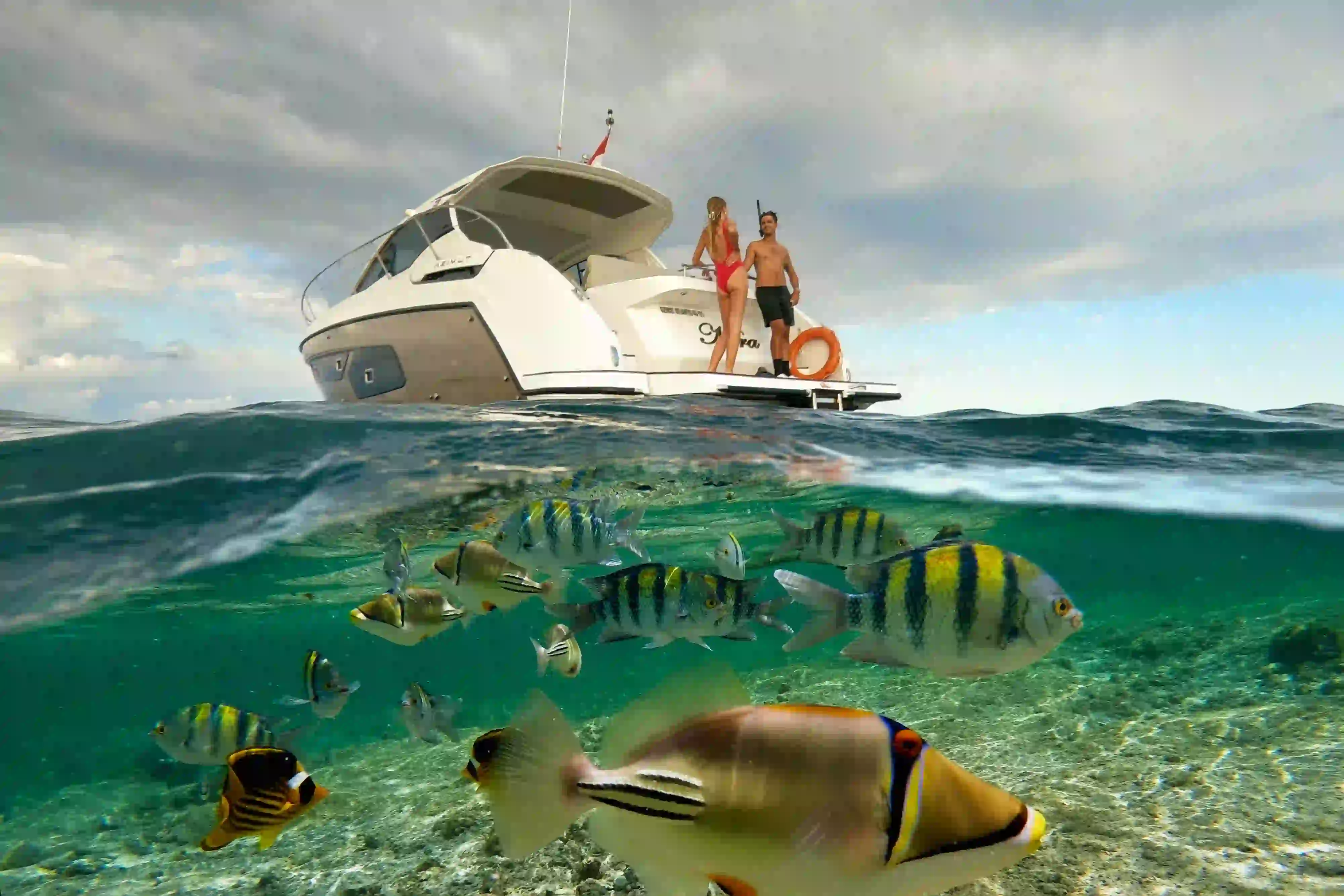
Crystal Rock, known locally as Batu Tengah, is one of the most celebrated dive sites in Komodo National Park and ranks among the finest underwater experiences available anywhere in the Indo-Pacific region. This submerged pinnacle rises from the seabed between Gili Lawa Laut and Gili Lawa Darat in the northern sector of the park, creating a vertical underwater landscape that attracts an extraordinary concentration of marine life drawn by the nutrient-rich currents that sweep across the reef.
Named for the exceptional water clarity that frequently exceeds 25 meters visibility, Crystal Rock delivers dive experiences that range from peaceful coral garden explorations during slack tide to adrenaline-pumping current dives during the tidal flows, when the pinnacle transforms into an underwater circus of sharks, trevally, tuna, and dense fish schools swirling around the rock. For divers joining a Komodo dive safari charter, Crystal Rock consistently ranks as one of the top three dive sites encountered during any multi-day diving itinerary.
Crystal Rock is a submerged pinnacle that rises from approximately 30 meters depth to within 4 meters of the surface at its shallowest point. The main pinnacle is surrounded by several smaller satellite rocks and coral formations that create a complex underwater landscape of walls, channels, overhangs, and swim-throughs. The north face of the pinnacle drops away steeply as a near-vertical wall, while the south side features a more gradual slope covered in dense coral growth.
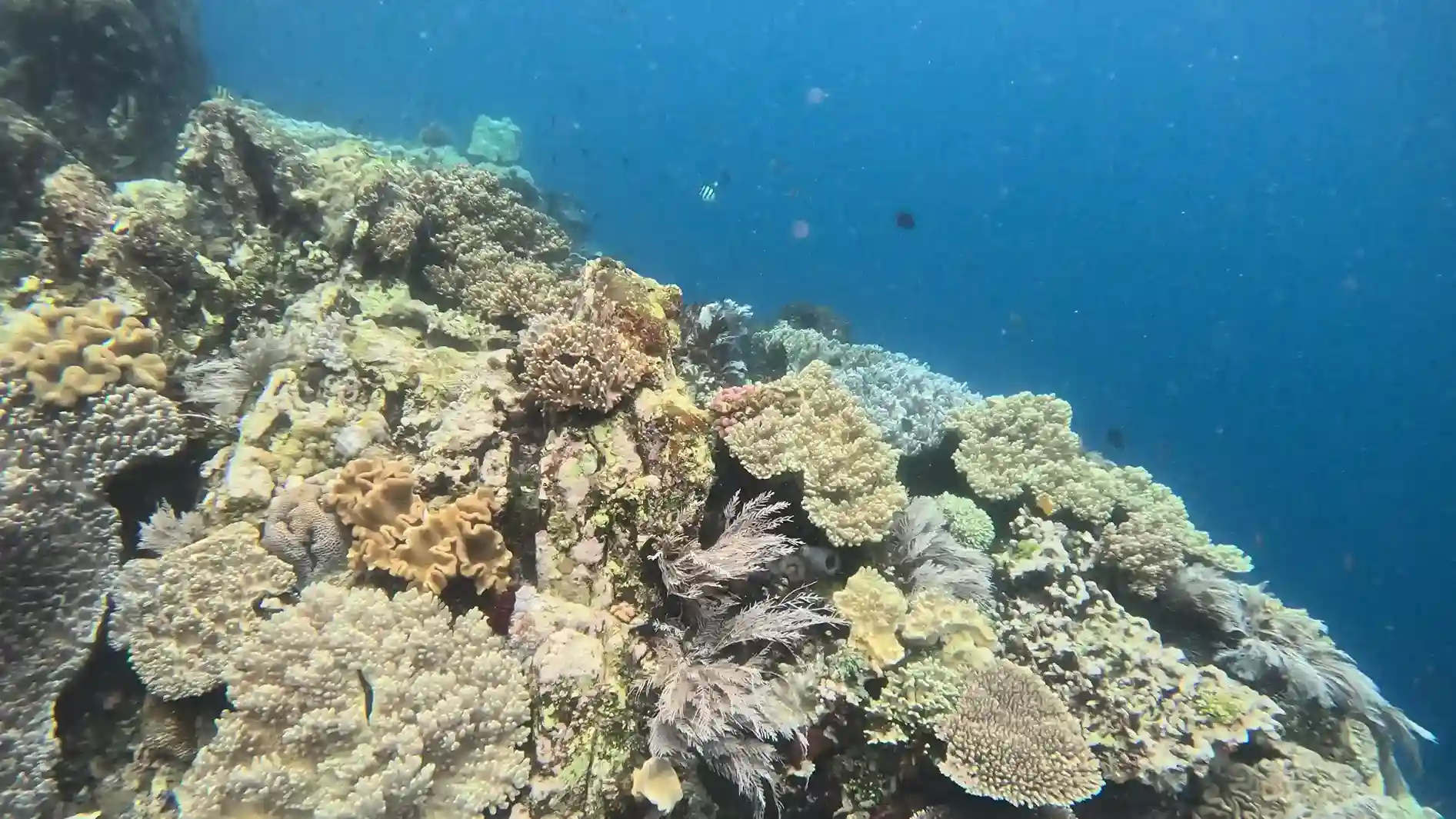
The pinnacle itself is blanketed with an incredibly healthy mix of hard and soft corals. Massive barrel sponges anchor themselves to the rock face, while vibrant soft coral trees in shades of red, orange, purple, and yellow create a colorful backdrop visible even from distance in the clear water. The diversity of coral species at Crystal Rock is impressive even by Komodo standards, with marine biologists having identified well over 100 distinct coral species at this single site.
A series of ledges and overhangs along the pinnacle walls provide shelter for reef residents including whitetip reef sharks, groupers, moray eels, and lobsters. The deeper sections of the reef, below 20 meters, feature large seafan formations and black coral bushes that create dramatic photographic compositions when illuminated by dive lights or strobes.
The marine biodiversity at Crystal Rock is staggering. The nutrient-rich currents that sweep across the pinnacle support a food chain from microscopic plankton through to large apex predators, creating an underwater ecosystem of remarkable richness and complexity. A single dive at Crystal Rock can produce encounters with dozens of distinct fish species and multiple large marine animal sightings.
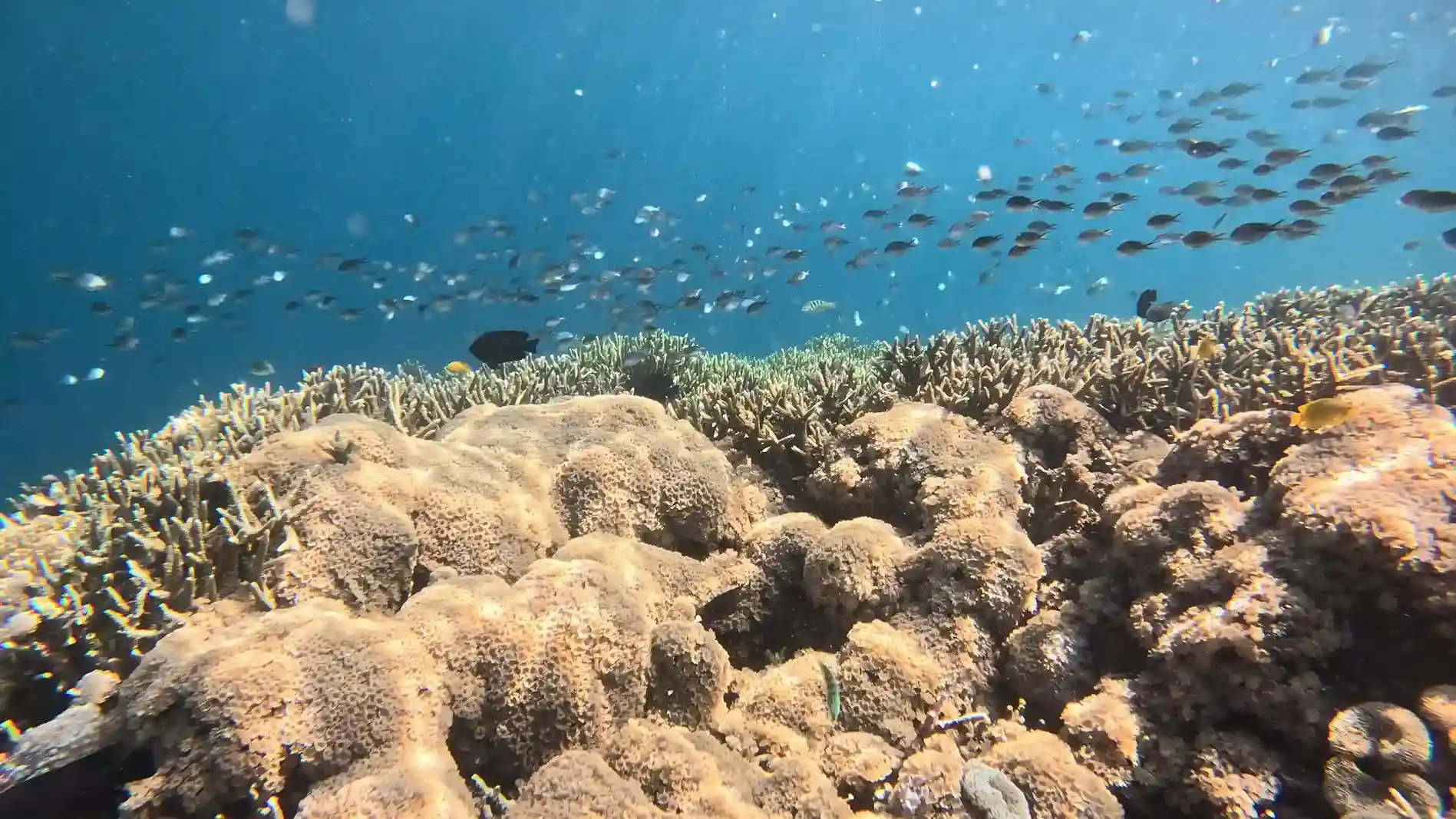
The resident reef population includes dense schools of anthias and damselfish that cloud the water above the coral in shimmering curtains of pink, orange, and blue. Larger reef fish including Napoleon wrasse, giant trevally, bluefin trevally, sweetlips, and various grouper species are regularly encountered, often at impressively close range. Pygmy seahorses can be found on the gorgonian seafans by sharp-eyed divers and guides, adding a macro photography dimension to the site.
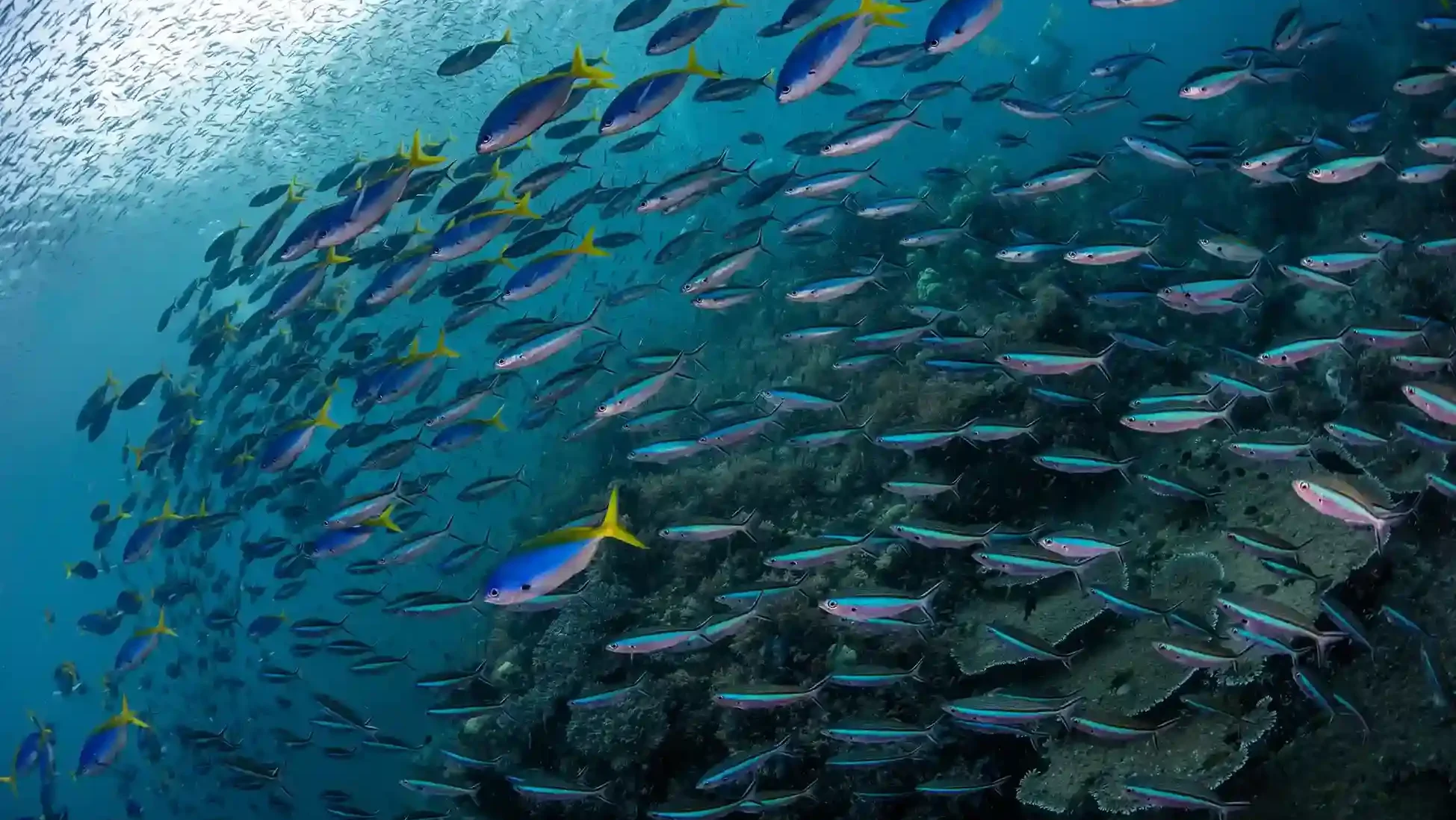
During current, the site transforms dramatically. Schools of fusiliers, surgeonfish, and barracuda form dense aggregations around the pinnacle, while whitetip reef sharks and grey reef sharks patrol the edges. Eagle rays glide through the blue water beyond the reef, and during the right conditions, manta rays pass through the channel on their way between feeding stations. Reef octopus, cuttlefish, and nudibranchs provide endless entertainment for macro photographers between the big animal encounters.
Crystal Rock is affected by strong tidal currents that flow through the channel between the Gili Lawa islands. These currents can range from negligible during slack tide to powerful during peak tidal flow, and understanding the current patterns is essential for safe and enjoyable diving at this site. Experienced dive guides from your charter vessel will time dives to coincide with manageable current conditions, typically during the transition periods around slack tide when the current is moderate enough for comfortable diving while still providing enough flow to attract the larger marine life.
The site is suitable for intermediate to advanced divers with current diving experience. The typical dive profile begins with a descent to the deeper sections of the pinnacle at 20 to 25 meters during the most favorable current conditions, then gradually ascending as the dive progresses and air supply decreases, finishing the dive in the sheltered shallow areas near the top of the pinnacle where the coral gardens provide a beautiful safety stop environment.
Water temperatures at Crystal Rock range from 24 to 28 degrees Celsius depending on season and depth, with cooler thermoclines occasionally present below 20 meters. A 3mm or 5mm wetsuit is recommended for most divers, with those sensitive to cold potentially preferring a 5mm suit during the cooler water months of July through September.
While Crystal Rock is primarily renowned as a dive site, the shallow top of the pinnacle at 4 meters depth makes it accessible to experienced snorkelers during calm, slack tide conditions. From the surface, snorkelers can observe the rich coral cover on the pinnacle summit and the fish life that congregates in the shallow water, including trevally, triggerfish, and the clouds of anthias that characterize the site. However, snorkeling at Crystal Rock requires careful timing and supervision due to the current conditions, and should only be attempted under the guidance of an experienced crew from your luxury liveaboard charter.
Crystal Rock can be dived year-round, with each season offering slightly different conditions and marine life encounters. The dry season from April through November generally provides the calmest surface conditions and most consistent visibility, while the wet season can bring more variable conditions alongside the possibility of encountering larger pelagic species attracted by the warmer water temperatures and increased plankton productivity.
The best visibility at Crystal Rock typically occurs during the transitional months of April through May and October through November, when clear oceanic water floods the channel and visibility can reach 30 meters or more. During peak dry season months of July and August, cooler upwelling water can slightly reduce visibility while simultaneously bringing nutrients that attract larger schools of fish and increased shark activity.
Experience the underwater magic of Crystal Rock on a dedicated Komodo dive safari charter. Our experienced dive guides know the currents, the best entry points, and the secret corners where the most spectacular marine life hides. Contact us to plan your diving adventure.
Crystal Rock is best suited for intermediate to advanced divers comfortable with current diving. Strong tidal currents require drift diving skills and good buoyancy control. Your dive guide will assess conditions and brief thoroughly before each dive.
The diversity is exceptional: reef sharks, eagle rays, giant trevally, Napoleon wrasse, massive schools of barracuda and fusiliers, pygmy seahorses, nudibranchs, moray eels, and during the right conditions, manta rays and hammerheads. The concentration of marine life is among the highest in Komodo.
The pinnacle rises from approximately 30 meters to within 4 meters of the surface. Standard dive profiles start at 20 to 25 meters and finish with a safety stop near the top, where the coral gardens are at their most colorful and fish life is densest.