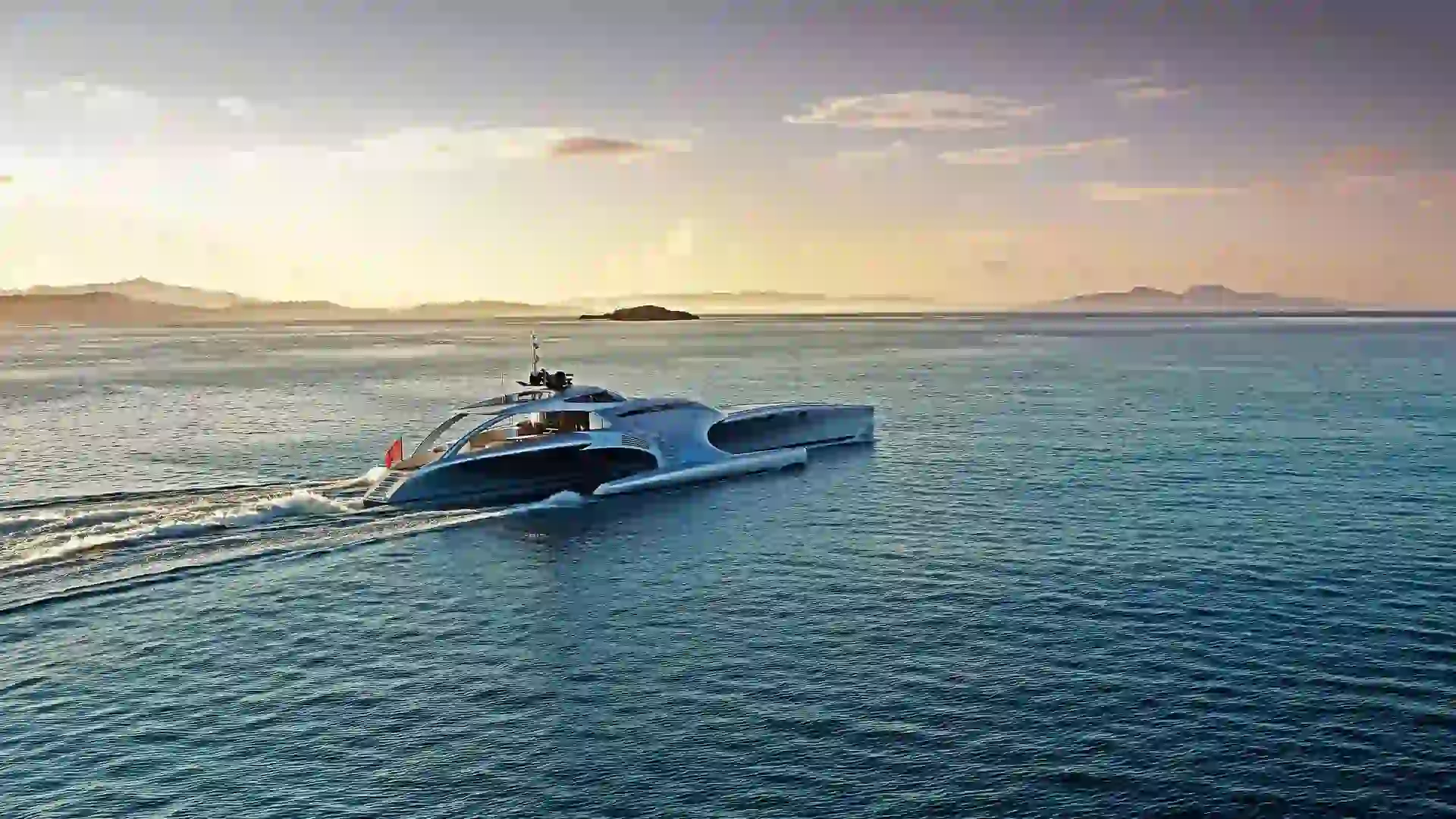
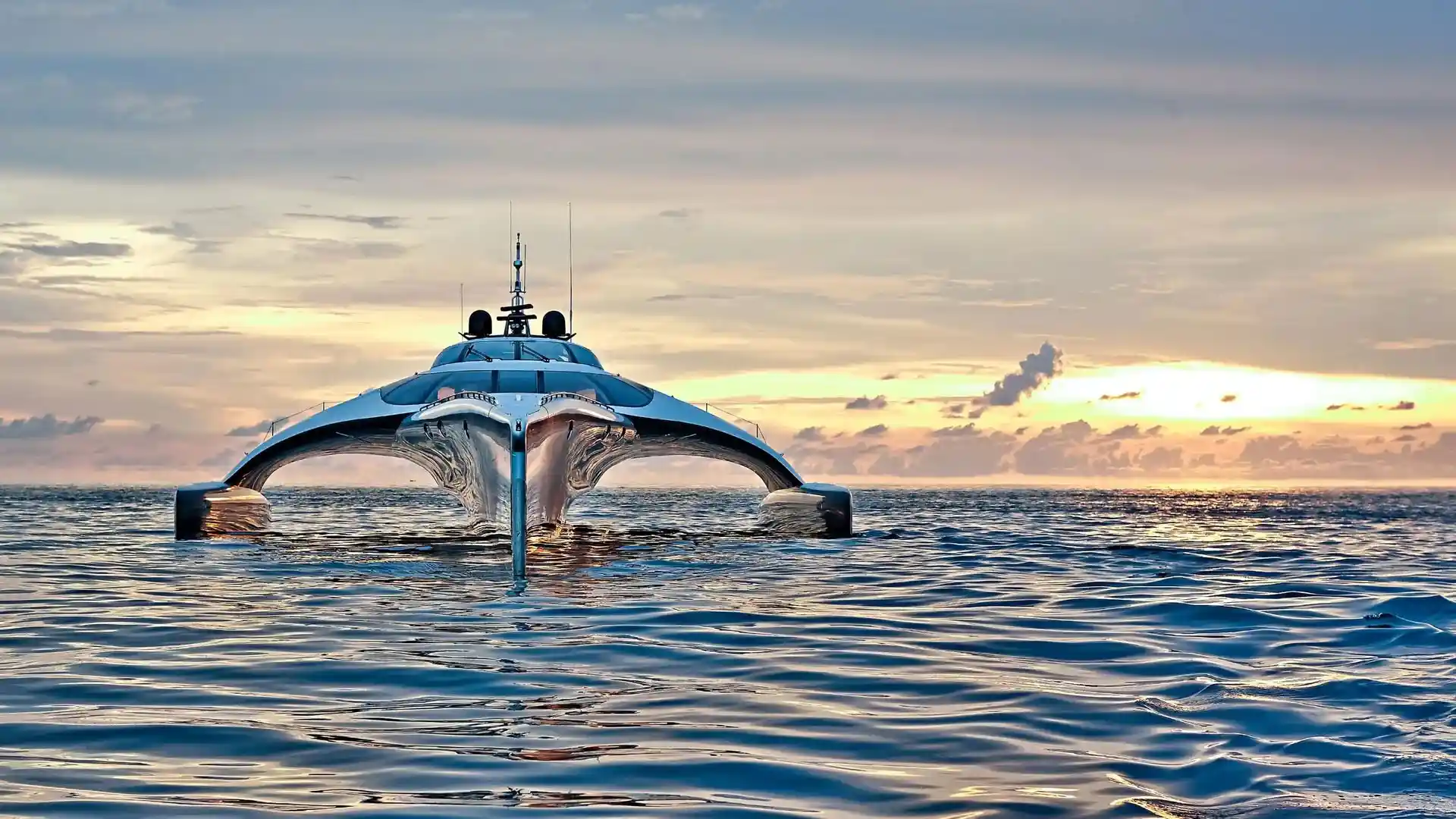
A luxury yacht charter in the Komodo Islands means the whole vessel is yours: a private, fully crewed yacht with its own captain, chef and guide, sailing an itinerary designed around you instead of a timetable. Charters embark from Labuan Bajo on the western tip of Flores and run from a single long day to a week among the islands — Padar before the tour fleet arrives, dragons at Loh Liang in the cool of the morning, manta stations when the current actually favours them. You set the pace and the menu; the crew handles everything else.
For fully crewed luxury yacht charters — superyachts, motor yachts and crewed sailing yachts — see the Komodo Luxury yacht charter fleet, the group’s flagship for yacht itineraries in Komodo. This page focuses on our own phinisi, liveaboard and day-boat charters.
The Komodo Luxury fleet pages list cabin counts, builds, and rate cards for each vessel class.
Last updated: August 16, 2026
We have been putting guests on the water out of Labuan Bajo for years, on everything from open-water speedboats to displacement yachts, and this page is the briefing we wish more travellers had before their first email. It covers what “luxury yacht” genuinely means in these waters, why a crewed charter behaves differently from a scheduled tour, how to build a route that stays ahead of the crowds, and what changed in the national park in 2026.
Vocabulary does real work in this corner of Indonesia, and half the disappointment we hear about starts with a mislabel. A yacht, as we use the word, is a luxury private vessel run by a professional crew — air-conditioned cabins with proper beds, en-suite bathrooms, a galley that can plate a genuine dinner, and a service standard closer to a boutique hotel than a ferry. A boat is the honest generic term and covers the value end of the harbour: perfectly seaworthy, minimally serviced. A phinisi is something more specific — the traditional two-masted wooden ship, still built largely by hand in Bulukumba, South Sulawesi, and refitted at every level from backpacker bunks to museum-grade suites. A catamaran trades the phinisi’s romance for twin-hull stability that flat-calms the anchorage at dinner. And a cruise describes the experience — passenger comfort, unhurried passages — rather than any particular hull.
Charter deserves the same precision. To charter is to take the entire vessel and its crew for yourselves; nobody else boards. British guests say hire, Americans say rental — same contract. A trip or tour, by contrast, is a scheduled product: fixed departure, fixed route, seats sold individually. Both have their place, but they are different purchases, and comparing them side by side tells you nothing. If you are still weighing hulls, our comparison of Komodo boat types puts phinisi, catamaran, speedboat and motor yacht next to each other without the brochure gloss.
Komodo is a park you sail through, not a resort you sit in. The islands stand in a strait where the Pacific pours into the Indian Ocean, which is why the diving is world-class and also why timing is everything: currents that make Batu Bolong glorious at slack water make it unswimmable two hours later. A scheduled tour runs its published loop regardless. A private crewed yacht reads the water each morning and re-orders the day — trekking early while the ridge is cool, snorkelling when the tide goes soft, repositioning over lunch while you are at the table anyway.
The 2026 visitor cap sharpened this advantage. Since 1 April 2026, Komodo National Park has limited entry to 1,000 visitors per day. The cap protects the dragons and the reef, and we support it — but it punishes improvisation. An operator who handles permits properly builds the dragon-trekking day around the quota rather than gambling at the gate, and a private itinerary can shift its park day without unravelling the rest of the week. On a fixed-departure product, there is no such give.
On a serious crewed yacht the ratio approaches one crew member per guest: captain, engineer, deckhands, service staff and a chef who is exactly that — not a deckhand with a rice cooker. Menus are agreed before departure and provisioned in Labuan Bajo’s morning market: mud crab and reef fish bought straight off the ice, herbs and limes from Flores farms, alongside whatever your dietary notes require. A good galley will run Indonesian one night and Mediterranean the next, and the difference between a yacht chef and boat catering is most obvious at breakfast on day three, when the standard has not slipped.
The rest is detail that only shows up in the doing: tenders that land you on the beach dry, compressors serviced on schedule, cabins made up during dinner, a crew that remembers who takes coffee at half past five for the Padar climb. None of it is decoration. On a multi-day route, those details are the holiday.
Every charter we run is custom, but the raw material is consistent. Padar Island earns its reputation — the trek to the saddle ridge above three differently coloured bays is best climbed at dawn, before heat and day boats arrive. Komodo Island’s Loh Liang valley and Rinca’s Loh Buaya are the dragon encounters, always walked with a park ranger. Manta Point at Karang Makassar is a drift over a cleaning station where reef mantas queue like aircraft on approach. Pink Beach delivers the crushed-coral sand the photographs promise, and Gili Lawa Darat holds the sunset anchorage we still have not found a rival for.
Two nights and three days covers the icons at a civilised pace. Four to five days adds the quieter north and west — Gili Banta’s channels, Sangeang’s black-sand slopes beneath the volcano — where you will often share an anchorage with nobody at all. Day charters have their uses, but Komodo rewards sleeping inside the park: the light before seven and after five is the entire show, and day boats spend both of those windows in transit.
From April through November the southeast trades keep the sky dry and the seas settled — the classic window for sailing, trekking and photography, with water visibility at its best late in the season. From November through March the weather turns wetter and the plankton blooms, and that plankton is precisely why manta numbers peak in those months: more food riding the current lines, more mantas stacked above the cleaning stations. Divers and manta devotees deliberately choose the “off” season. Neither window is wrong; they are different products, and we will tell you plainly which one fits your priorities.
On 15 August 2026 a magnitude 7.7 earthquake struck roughly 200 kilometres offshore. The tsunami it generated measured 0.36 metres — a tide-gauge ripple, not a destructive wave — and no damaging water reached Labuan Bajo or the park. Sailings resumed the same day; our own crews were back on the water that afternoon. Flores sits in seismically active seas, our captains drill for exactly this, and we report the park’s operating status as it is, not as marketing would prefer it.
If diving is the whole reason you are coming, consider a dedicated liveaboard — a multi-day diving vessel built around tanks, nitrox and four-dive days, where the schedule serves the dive deck first. The specialists at Komodo Island Liveaboard cover that world properly. A luxury crewed yacht is the better instrument for mixed parties — two divers, three snorkellers, one committed sunbather — because the itinerary bends to all of them and the comfort never drops to dive-boat functional. Plenty of our yacht guests log serious dives; they simply refuse to sleep like divers.
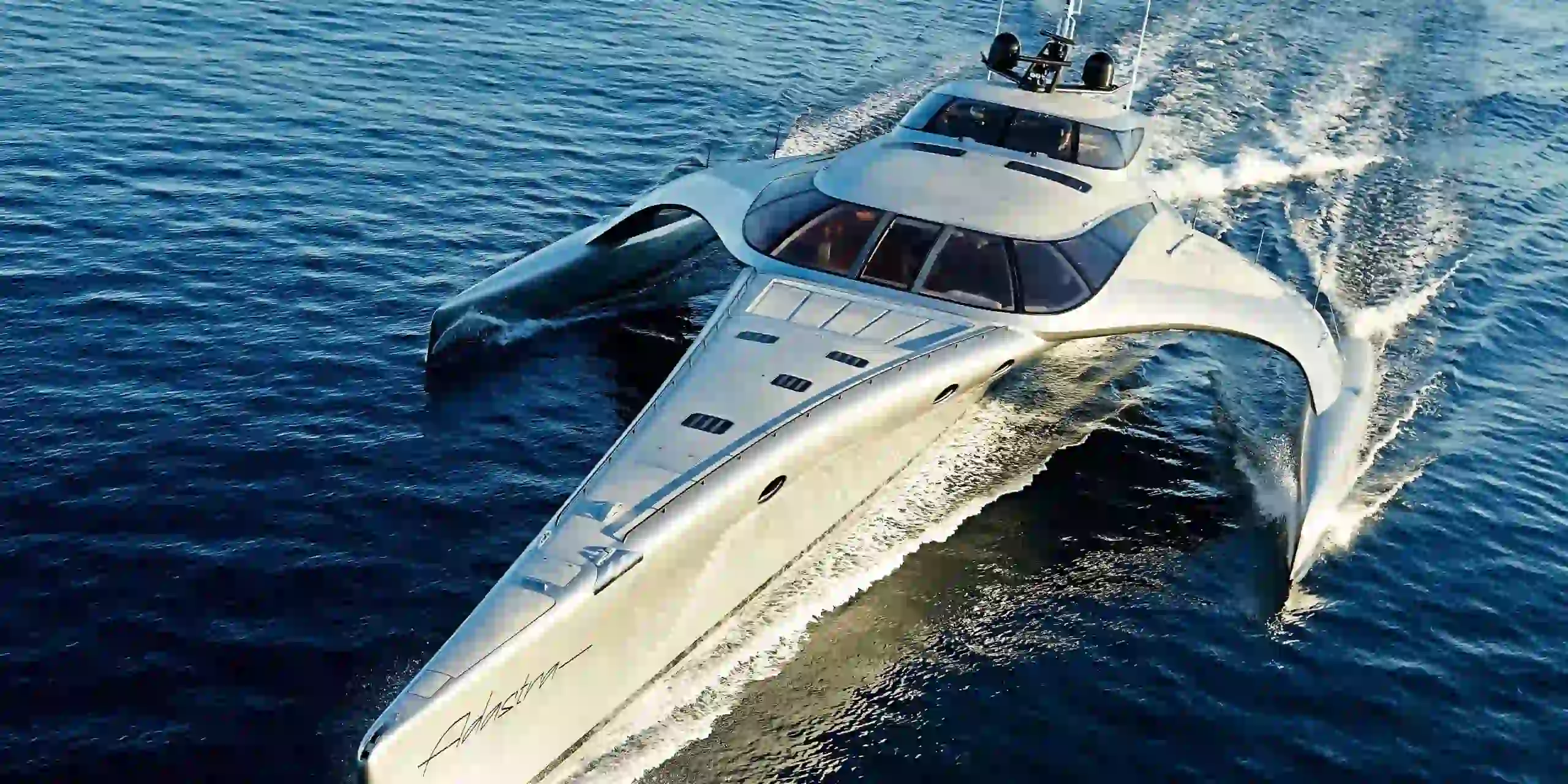
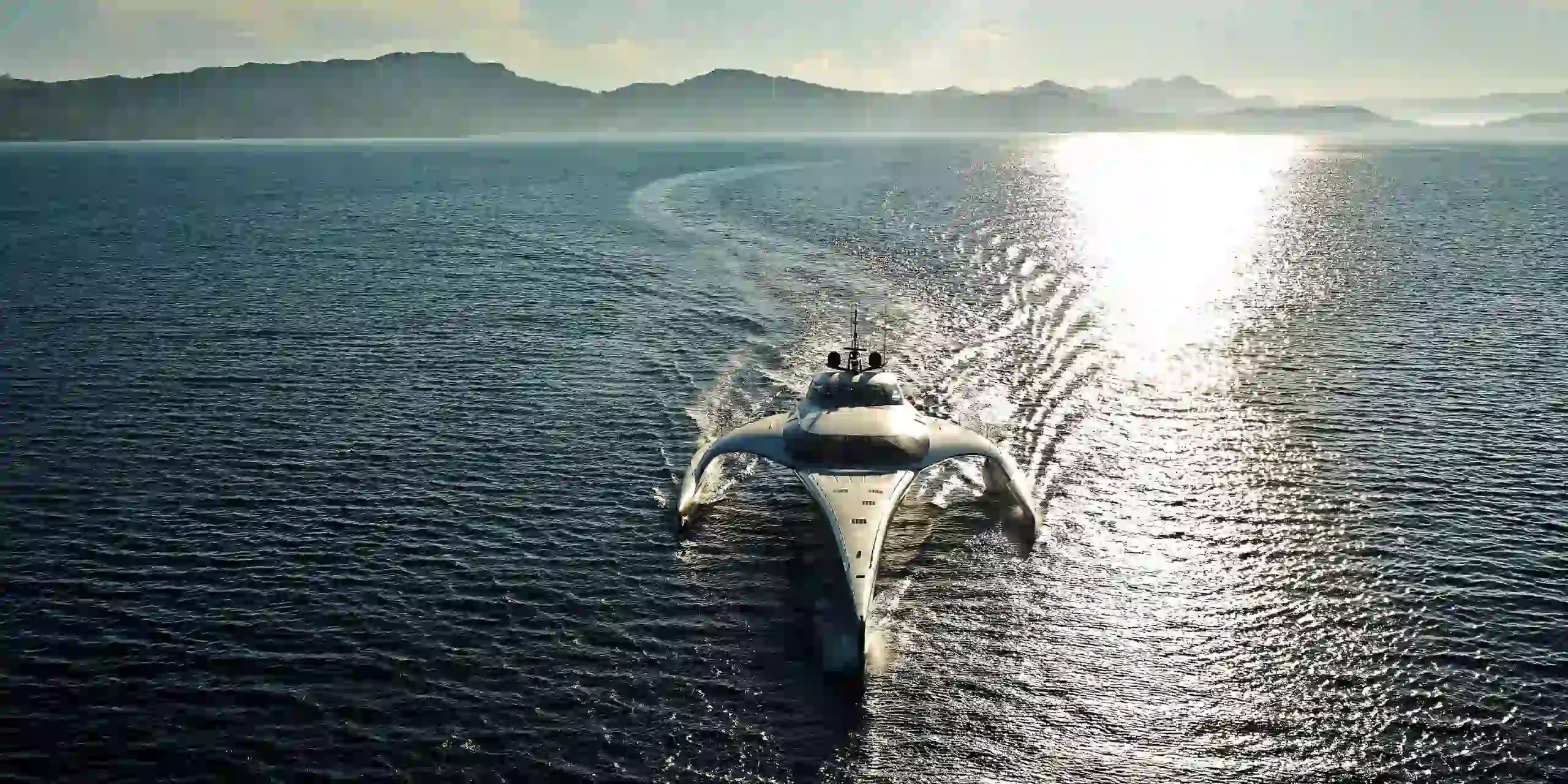
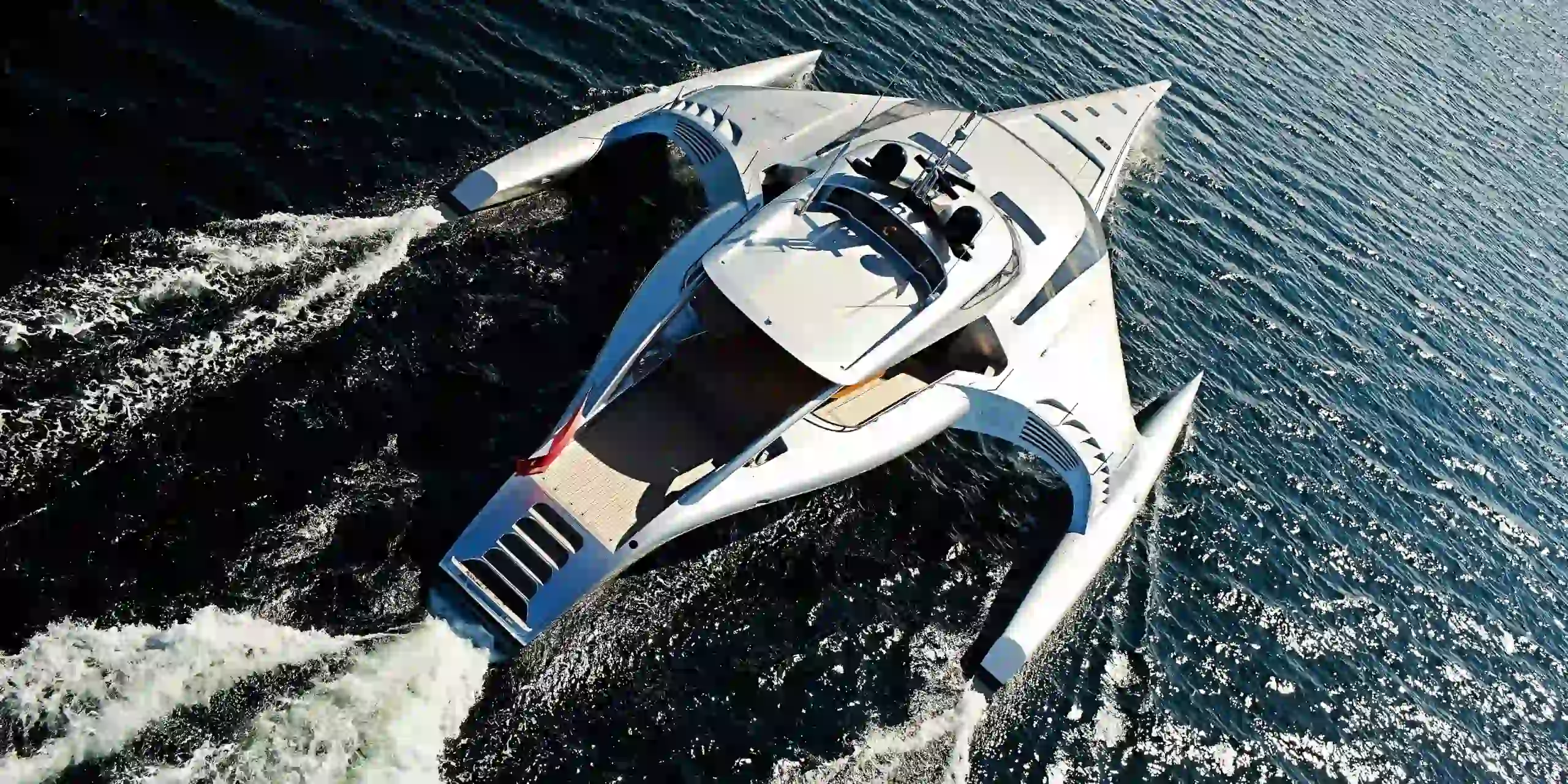
Our own vessels ladder across the range: Raja Hari, our speedboat, for fast day runs; Mawar Biru, a Bulukumba-built phinisi for guests who want the wooden ship under sail; and Aurora, the yacht this page keeps describing — crewed, chef-run and configured for custom multi-day routes. Charters are operated in partnership with Komodo Luxury — a registered Indonesian PT under Juara Holding Group Limited with 1,500+ verified guest reviews (4.9/5). Their charter fleet — Lamborajo, Ayvara and Malca among them — widens the options when a party outgrows a single hull.
Charters embark at Labuan Bajo, twenty minutes from Komodo Airport (LBJ), which connects through Bali several times daily. Park entry, ranger fees and the daily quota sit as a separate layer on top of any charter, and they change often enough that we keep a dated breakdown of Komodo National Park fees. Charter economics — what moves the cost of a private vessel up or down, and where the value genuinely sits — get the same treatment on our charter prices page, kept current so this one never has to chase numbers.
The short version: the Komodo Islands are one of the few places where a luxury yacht is not an indulgence bolted onto a destination but the correct tool for it. The park is an archipelago, its best hours are dawn and dusk, and the only way to own both is to already be anchored there. Sail it this way once and the day-trip version will never quite do.
The entire vessel and its crew are exclusively yours: captain, engineer, service staff and a dedicated chef, plus a custom itinerary, all meals prepared on board, tender landings and snorkelling equipment. National park entry, ranger fees and the daily visitor quota are a separate layer, usually itemised on top of the charter.
Three days and two nights covers the icons — Padar, the dragons, Manta Point, Pink Beach — at a civilised pace. Four to five days adds the quieter north and west of the park. Sleeping inside the park matters: the best light falls before 7 a.m. and after 5 p.m., exactly when day boats are in transit.
Yes. The magnitude 7.7 earthquake on 15 August 2026 struck roughly 200 km offshore; the resulting tsunami measured just 0.36 metres and caused no destructive wave in Labuan Bajo or the park. Sailings resumed the same day.
April through November brings dry weather, calm seas and the best visibility — ideal for sailing and trekking. November through March is manta season: plankton-rich water draws reef mantas to the cleaning stations in far greater numbers. The right window depends on whether landscapes or mantas top your list.
A yacht charter is a private, crewed luxury vessel with an itinerary built around your whole party. A liveaboard is a multi-day diving vessel organised around the dive deck and a fixed dive schedule. Dedicated divers often prefer a liveaboard; mixed groups are usually happier on a crewed yacht with diving added.
The cap, in force since 1 April 2026, applies to every visitor regardless of vessel. The practical difference is planning: an operator who manages permits properly schedules your dragon-trekking day around the quota, and a private itinerary can re-sequence its park day without disrupting the rest of the route.