🏆 10+ Years Komodo Expertise⭐ 500+ 5-Star Reviews🤿 PADI Certified Guides📍 Labuan Bajo Based📅 2026-2027 Season Open

Kalong Island — Spectacular Flying Fox Colony at Sunset

Kalong Island: Spectacular Flying Fox Colony at Sunset

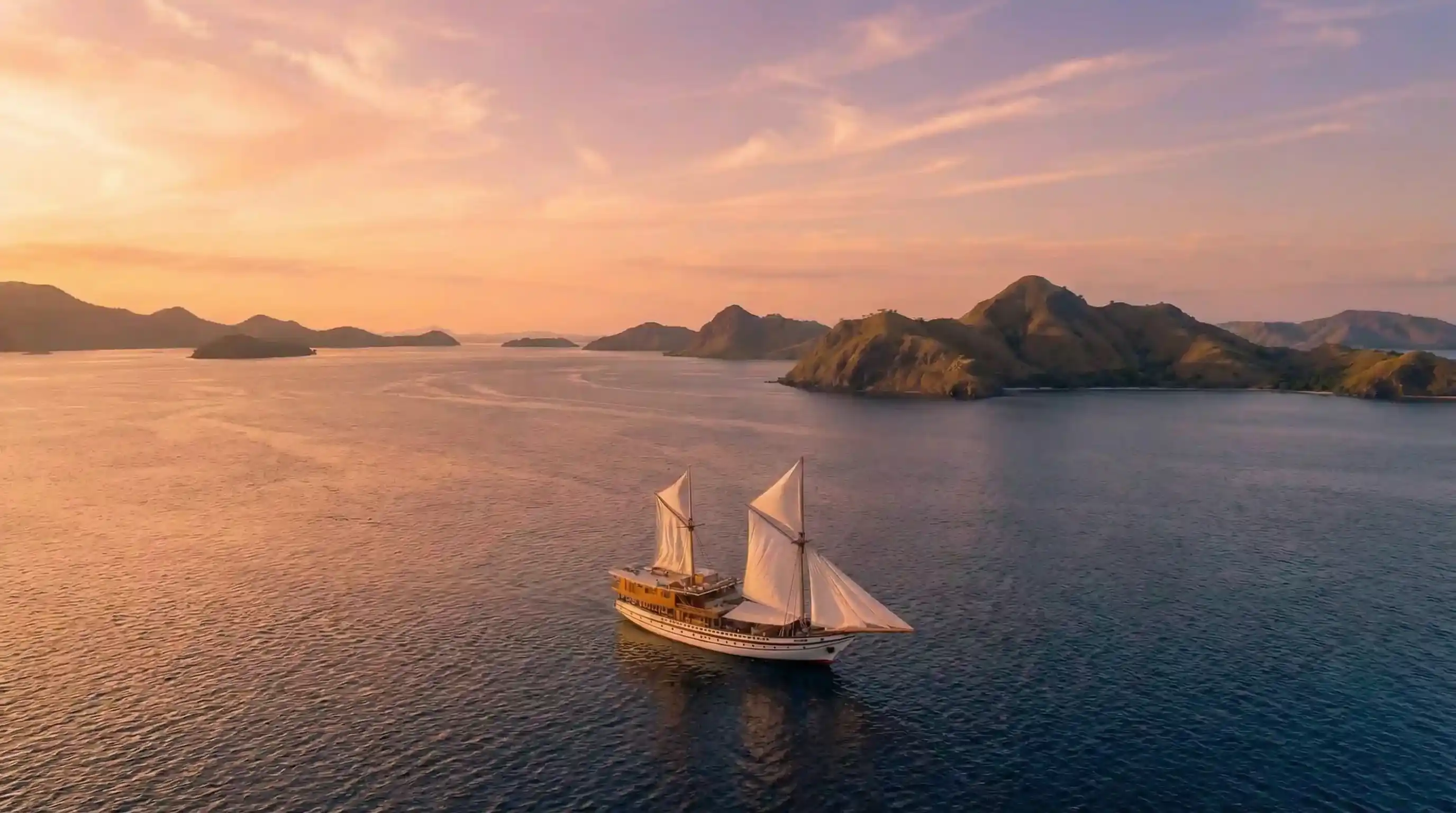
Kalong Island hosts one of Southeast Asia’s most spectacular natural phenomena—thousands of enormous flying foxes emerging from cave roosts at dusk, creating a living river of creatures flowing across the sunset sky. This iconic experience captures the raw beauty of wildlife behavior, the harmony of thousands of individuals moving with collective purpose, and the profound connection possible between humans and nature. Witnessing the Kalong Island exodus represents a quintessential Komodo charter moment, typically reserved as either a dramatic Day One introduction or final-evening celebration of your adventure.

The Flying Fox Phenomenon: Biology and Behavior

Kalong Island’s flying foxes are actually large fruit bats (Pteropus vampyrus), weighing up to 1.5 kilograms with wingspans exceeding one meter. These remarkable creatures inhabit cave systems within the island throughout daylight hours, roosting in massive congregations numbering in the thousands. As darkness approaches, they awaken, stretch their massive wings, and prepare for the night’s feeding expeditions across the surrounding islands.

Around sunset, the exodus begins. Individual bats call to each other, building excitement within the roost. The first pioneers launch into the twilight sky, their silhouettes stark against fading light. Within minutes, hundreds emerge. Within an hour, thousands have launched. The sheer volume—the density of flying creatures—overwhelms sensory systems and defies photographic capture. Being immersed in this phenomenon creates emotional responses ranging from wonder to slight unease to profound awe.

Best Viewing Times and Seasonal Considerations

Sunset viewing requires precise timing. The exodus begins approximately 30-45 minutes before sunset, building gradually until the main departure surge around sunset itself. Arriving too early means waiting in stillness. Arriving too late risks missing the climactic exodus. Our experienced crew times approaches to position your boat optimally, ensuring unobstructed viewing of the entire spectacle.

Kalong Island flying fox activity continues year-round. Seasonal variations are minimal, though dry season (May-September) generally offers better visibility and fewer weather complications. The phenomenon is equally dramatic in wet season; bad weather simply complicates boat positioning. We monitor conditions and adjust approaches accordingly, prioritizing safe viewing experiences.

Photography Tips for the Flying Fox Exodus

Photographing the Kalong Island exodus presents technical challenges. Flying foxes move rapidly and unpredictably. Twilight conditions provide limited light, requiring high ISO settings and fast shutter speeds. Yet the photographic rewards justify the difficulty.

Wide-angle lenses (16-35mm) capture the expansive sky filled with departing creatures. Silhouettes often prove more dramatic than attempting to expose individual bat details. Shooting into the sunset creates backlighting that defines bat wing structure against sky gradients. Shutter speeds of 1/500 or faster freeze wing positions. ISO 1600-3200 is typical. Bracketed exposures allow HDR post-processing, balancing sky and creature exposure.

Video captures the exodus’s temporal dimension—the escalating frequency of departures, the building crescendo of wing beats and calls, the sense of thousands of individuals engaged in collective activity. Many guests find video more emotionally satisfying than still photography, capturing the movement and energy impossible to convey in static images.

Most importantly, balance photography with presence. The exodus happens quickly. Experienced photographers often shoot for 10-15 minutes, then lower cameras to simply observe. The unmediated experience of thousands of bats flowing across the sky carries emotional power no photograph can fully capture.

Itinerary Integration: Day One Arrival or Final Evening

Most Komodo charters include Kalong Island viewing, typically positioned strategically within itineraries. Day One arrivals position Kalong as an energizing introduction to Komodo’s wildlife spectacle. The adrenaline and wonder establish expectations for adventures ahead. This positioning works well for guests anxious about dragon trekking—witnessing the bat exodus demonstrates that remarkable wildlife encounters await, building confidence and enthusiasm.

Alternatively, final-evening Kalong viewings serve as celebratory bookends to adventures. After days of trekking, diving, and exploration, the flying fox spectacle provides profound closure. Having acquired deep wildlife appreciation through Komodo experiences, the exodus becomes particularly meaningful—you understand ecological relationships, animal behavior principles, and conservation challenges more completely than Day One.

Some extended itineraries (7+ days) incorporate Kalong Island viewings multiple times, positioning you for different lighting conditions, weather scenarios, and seasonal variations. Repeat viewings often reveal nuances missed initially—specific flight patterns, return behaviors, or ecological relationships enriching understanding.

Island Approach and Boat Positioning

Kalong Island itself is small and uninhabited (except by bats). Visitation is restricted to boat approach from designated distances—we cannot land or disturb the island. Our boat positions at recommended viewing distance, allowing unobstructed sky views while respecting wildlife protection regulations. The positioning provides safety (distance from potential weather hazards near shallow areas) and protection for the bat colony.

Multiple boats often congregate at Kalong for sunset viewing, particularly during peak season. This creates community among travelers but occasionally complicates pristine experiences. We strategically approach during less busy periods when possible, though even crowded viewings rarely diminish the spectacle’s impact.

Ecology and Conservation Significance

Kalong Island’s flying fox colony represents a healthy, thriving population—thousands of individuals sustained by the surrounding ecosystems. These bats provide essential ecological services, including seed dispersal across islands (they feed on fruit and dispersing undigested seeds in droppings across vast distances) and insect predation during nocturnal feeding flights.

The colony’s presence indicates ecosystem health. Their survival depends on adequate fruit sources, undisturbed cave roosts, and predator populations remaining balanced. Tourism impacts must be managed carefully—excessive boat traffic, noise, or disturbance could stress the population. Our respect for viewing protocols reflects broader commitment to sustainable tourism and conservation responsibility.

Cultural Significance and Local Perspectives

For local Komodo communities, flying foxes represent part of the natural world requiring respect and protection. While occasionally contested as fruit crop pests, the broader cultural perspective recognizes their ecological and aesthetic value. The Kalong experience for tourists generates economic incentives for protection—tourism revenue dependent on healthy wildlife populations creates strong conservation motivation.

Many local guides possess deep knowledge of flying fox behavior, seasonal patterns, and ecological relationships. Their observations often exceed academic literature, reflecting generations of observation and cultural knowledge transmission. Hearing these perspectives enriches experiences and deepens appreciation for local expertise.

Multi-Sensory Experience Beyond Photography

The Kalong Island exodus engages all senses. Visually, thousands of creatures creating a living sky. Audibly, the distant roar of thousands of wing beats and vocalizations—a sound like distant thunder or wind, but alive with intention. The air itself carries scent—the musk of thousands of mammals concentrated in cave systems. The boat rocks gently on water while you stand witness to this phenomenon.

This multi-sensory immersion creates experiences that transcend rational observation into emotional territories. Many guests describe Kalong Island moments as spiritually profound—a connection to nature’s complexity, power, and beauty that reorganizes priorities and perspectives. These experiences often influence long-term life directions and conservation commitments.

Weather Considerations and Backup Planning

Kalong Island sunset viewings depend on weather conditions. Clear, visible sunsets allow full appreciation of the spectacle against dramatic sky colors. Cloudy conditions obscure the sunset but rarely prevent bat viewing—the bats depart regardless of cloud cover. Rain and rough seas occasionally prevent safe boat approach.

When weather prevents Kalong viewings, we identify alternatives. Some charters substitute different evening activities—sunset snorkeling, beachside dining, or cultural visits. Others reschedule Kalong for alternative evenings within the itinerary. Flexibility and backup options ensure that no charter lacks experiences equivalent in quality to planned Kalong island moments.

Frequently Asked Questions

How many bats depart Kalong Island during the exodus?

Estimates suggest 1,500-3,000 bats roost on Kalong. The exact number varies seasonally and depends on observer estimates during the exodus. The visual impression of thousands matters more than precise counts—the density of departing creatures overwhelms.

Are the flying foxes dangerous?

Flying foxes are frugivorous (fruit-eating) and entirely harmless to boat-based observers. They pose zero danger; they’re simply wildlife going about natural activities. Maintaining respectful viewing distance (not landing on the island) protects both humans and the bat colony.

What time does the exodus happen?

The exodus begins 30-45 minutes before sunset, building to peak departures around sunset itself. Timing varies slightly based on season and specific date. Our crew monitors conditions and positions boats accordingly, ensuring optimal viewing timing.

Can I see Kalong Island bats during daytime?

Bats remain in cave roosts throughout the day. Daytime island visits might reveal cave entrances, but observing the bats requires patience and luck—most remain deep within caves. The evening exodus represents the definitive Kalong experience.

Is Kalong Island suitable for families with children?

Absolutely. The experience requires no special physical capability—you remain on the boat. Children find the spectacle utterly fascinating. The wonder and excitement naturally engage young minds. Many parents report Kalong as their children’s favorite charter moment.

How long is the Kalong Island viewing experience?

Plan approximately 1.5-2 hours from boat approach through primary exodus conclusion. Some guests remain longer for lingering departures and post-sunset atmosphere. The experience is unhurried—we allow adequate time for photography, observation, and simply being present.