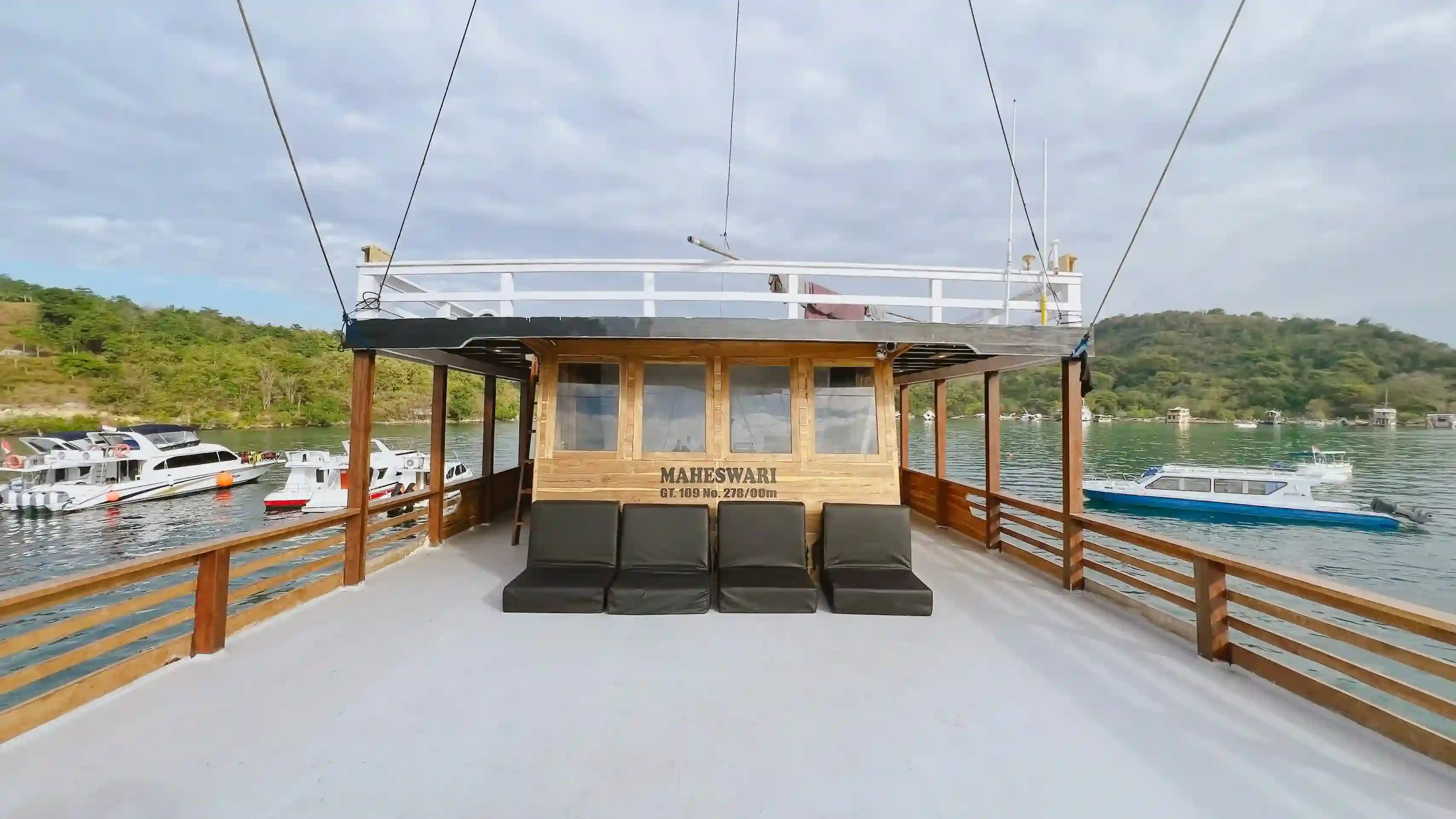
What is sailing in Komodo like?
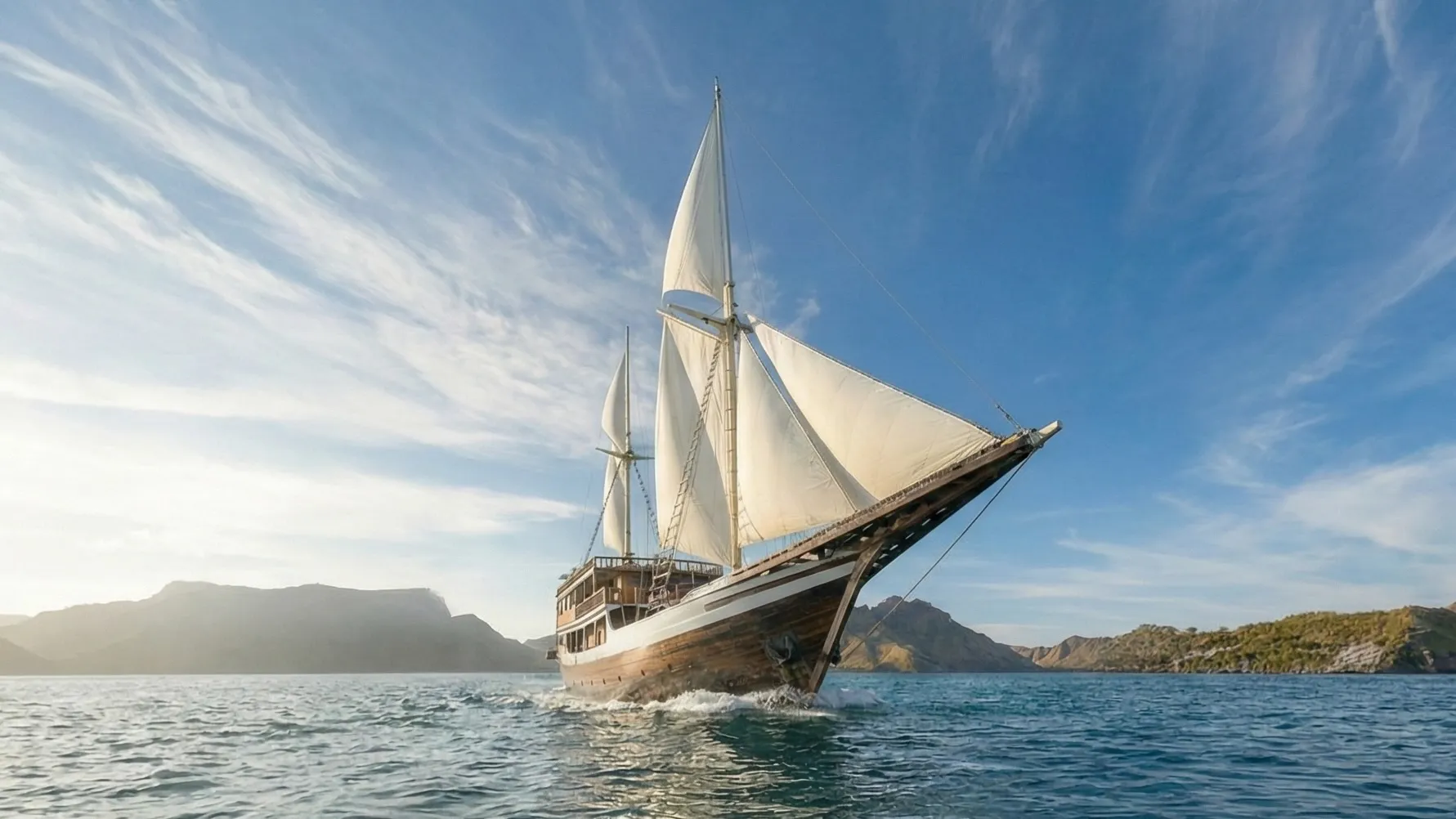
Motorized yachts offer speed and predictability, but true adventurers understand the irreplaceable magic of sailing—the dance between skilled crew and natural wind, the subtle symphony of canvas catching breezes, the profound connection with oceanic forces that have guided mariners for millennia. A Komodo sailing trip aboard traditional phinisi vessels transports you beyond modern conveniences into an authentic maritime experience where journey becomes destination, where the passage between islands holds as much meaning as arrival points.
We specialize in curated sailing experiences combining nautical tradition with contemporary comfort. Our expertly maintained phinisi vessels—beautiful wooden sailing ships featuring modern safety systems and amenities—transport you through Komodo’s waters as sailors have for centuries. Whether you’re a seasoned sailor seeking authentic nautical experience or someone discovering the profound peace of wind-powered travel, our sailing trips deliver transformative ocean journeys.
Motor Yachts (Motorized Cruising):
Sailing Phinisi (Wind-Powered Adventure):
Choosing sailing represents intentional decision to slow down, embrace uncertainty, and experience ocean travel authentically. The slightly longer journey times and weather-dependent variability are features, not bugs—they deepen engagement and create truly memorable experiences.
Sailing taps into something primal—the same impulses that drove explorers across unknown oceans, that enabled trade and cultural exchange, that created humanity’s most romantic narratives about the sea. Aboard a phinisi, you connect with this legacy. The creak of wooden beams, the snap of canvas catching wind, the crew’s practiced movements adjusting sails—these sensory experiences transcend typical tourism into genuine maritime immersion.
The slower pace—imposed not by artificial schedule constraints but by natural wind patterns—encourages observation and reflection impossible aboard motorized vessels. You notice water color gradations, bird species, fishing practices of passing local boats, weather pattern development. Evenings on deck under star-filled skies take on meditative quality. Conversations deepen when disconnected from rushed itineraries. Many passengers report sailing trips as among their most profound travel experiences.
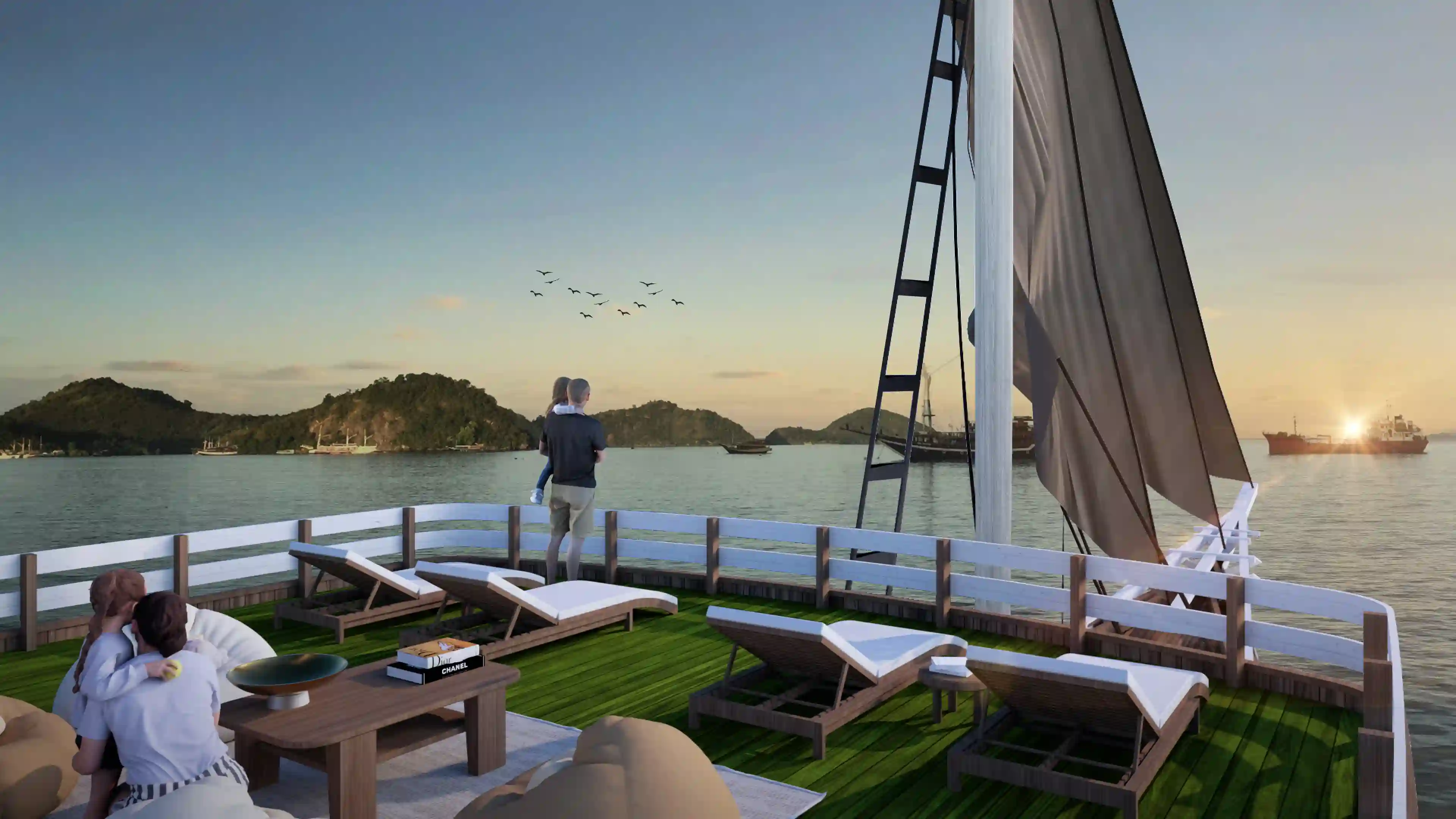
Wind-powered sailing transforms sunrise and sunset from pleasant backdrops into central experiences. Morning sails catching fresh breezes from overnight wind shifts create invigorating starts. Evening sails provide front-row seats to sunset performances—canvas glowing against darkening skies while the ocean absorbs day’s final light. These moments, impossible to adequately photograph, settle into memory as transformative.
April-October (Dry Season): Consistent southeasterly trade winds create ideal sailing conditions. Predictable patterns allow extended offshore passages and flexible itinerary adjustments. Clear skies and calm seas enhance experience. This premium season offers optimal sailing experiences.
November-March (Monsoon/Wet Season): More variable wind patterns, occasional strong southwesterly winds, and increased weather unpredictability. Sailing remains possible but requires greater flexibility. Inner island passages remain calm even when outer waters roughen. Lower tourism and reduced costs compensate for reduced wind predictability. Adventurers embrace the challenge and surprise.
Typical Daily Sailing Rhythm: Early morning departures catch nighttime winds, mid-morning transitions to thermal breezes as sun warms landscape, afternoon doldrums sometimes requiring brief motorized assistance, evening winds returning as temperature gradients shift. Crew members adjust sails continuously, reading subtle wind shifts. This constant adjustment, while sometimes slowing passage, keeps passengers engaged in maritime realities.
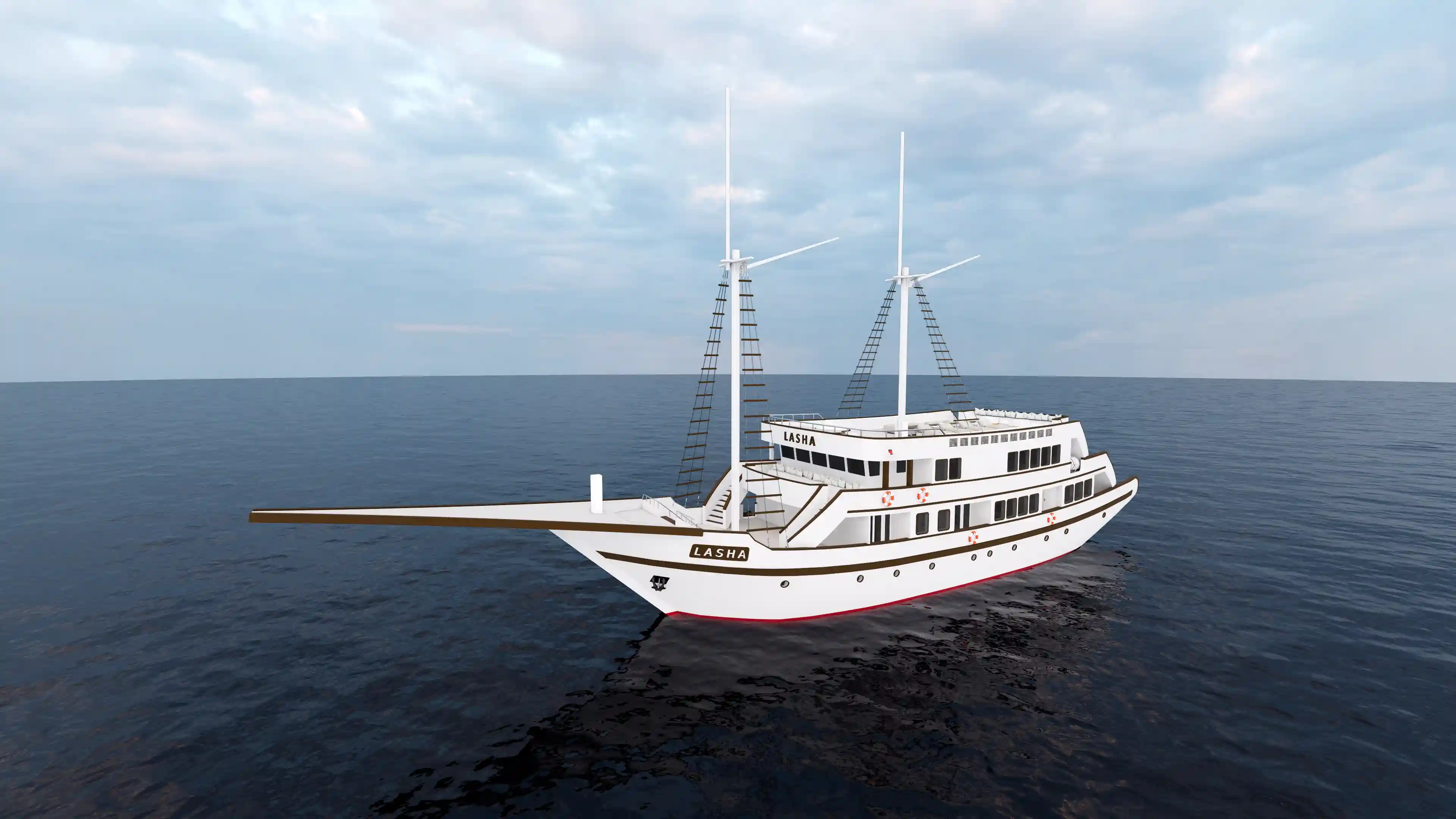
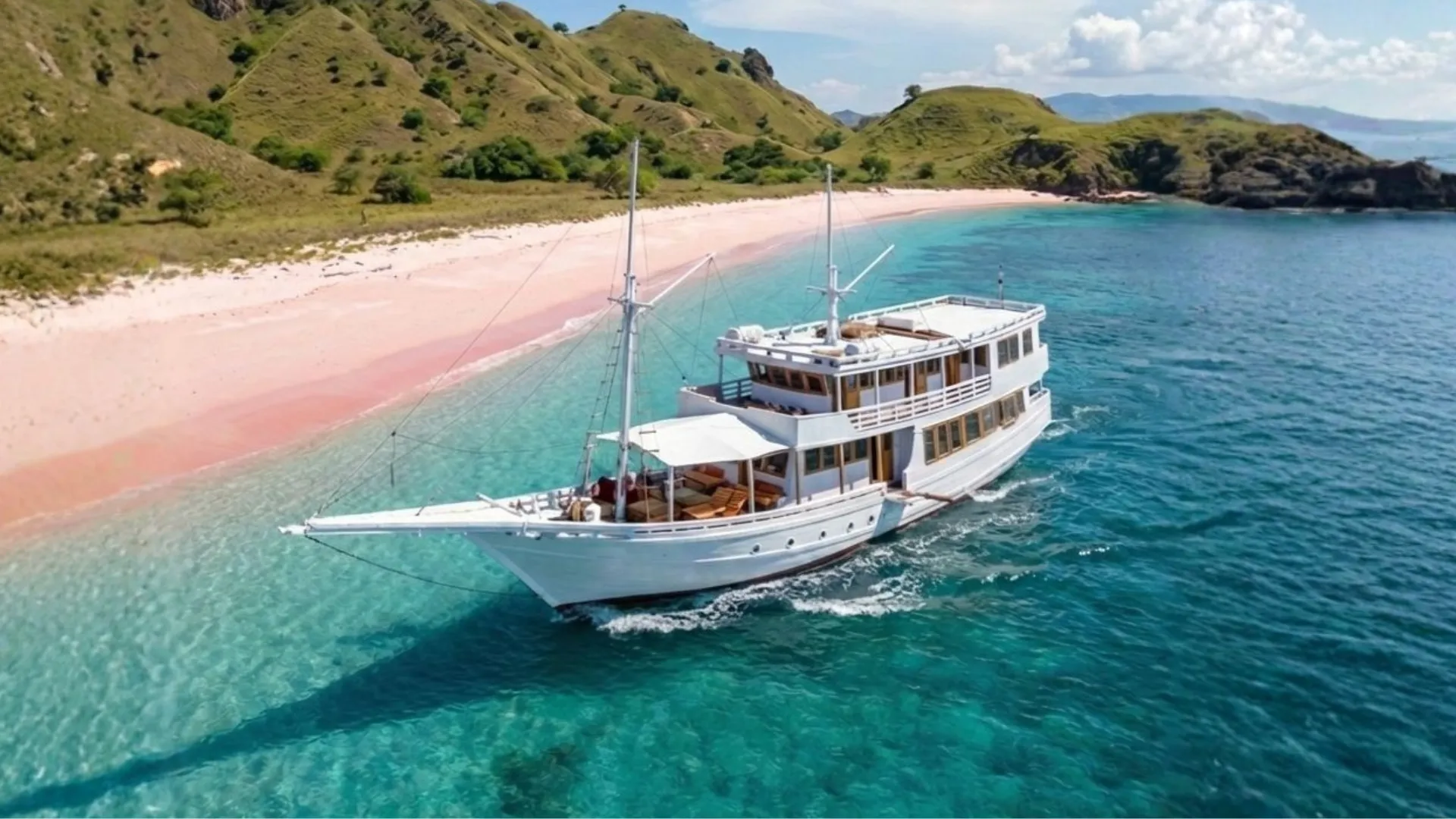
Vessel Design: Traditional wooden phinisi vessels feature classic aesthetics balanced with modern safety systems. Typically 30-50 meters long, these ships accommodate 12-40 passengers in basic to comfortable cabins. Spacious deck areas, multiple sail configurations, and functional design reflect centuries of maritime evolution.
Accommodations: Simple but comfortable cabins feature basic amenities—bunk or double beds, ceiling fans, and ensuite bathrooms. Luxury models offer upgraded bedding and premium features. Shared deck spaces provide social gathering areas. The purposefully simple interior reflects sailing vessel priorities—moving people safely and comfortably rather than hotel-style excess.
Crew & Operations: Professional crew combines traditional sailing knowledge with modern safety certification. Captain, mate, and deckhands manage sailing operations while hospitality staff handle meals and guest comfort. Crews often invite interested passengers to participate in sailing activities—trimming sails, learning navigation, understanding maritime traditions.
Meals: Galley-prepared meals emphasizing fresh ingredients and authentic Indonesian cuisine. Dining occurs at communal tables—one of sailing trip’s special features. Shared meals and conversations naturally build community among passengers, creating social dimension absent in hotel environments.
Technology & Navigation: Modern GPS and navigation systems ensure safety and wayfinding. Radio communication maintains contact with shore facilities. Limited internet connectivity (satellite systems available for emergencies) encourages digital detox—returning focus to ocean and companions.
3-Day Coastal Sailing: Classic phinisi route combining sailing with island hopping. Morning departure catching favorable winds, day sailing toward distant islands, afternoon arrival allowing snorkeling and exploration. Evening anchorage enables overnight stabilization, relaxation, and evening meal. Next days repeat cycle—sailing, island exploring, anchoring. Relaxed pacing suitable for most travelers.
5-Day Extended Voyage: Multi-day offshore passages maximizing sailing time. Multiple full-day sailing days interspersed with island stops and snorkeling opportunities. Greater emphasis on ocean experience, less frequent island interactions. Suits sailors and those comfortable with extended water time.
7-Day Expedition: Extended voyages covering greater distances, visiting remote islands rarely accessed by motorized tours. Multiple nights spent sailing across open water. Deep immersion into maritime tradition, nature observation, and crew camaraderie. Ideal for adventurers and sailing enthusiasts.
No Experience Necessary: Passenger sailors require no prior sailing knowledge. You benefit from experienced crew managing all technical operations. You observe, learn, and participate as desired—from completely relaxed observation to hands-on sail trimming and navigation learning.
Learning Opportunities: Our crew enthusiastically teaches interested passengers. Learn basic navigation, sail configurations, knot-tying, and maritime traditions. Many passengers discover surprising passion for sailing through trip exposure.
Seasickness Considerations: Some passengers experience motion sensitivity. Phinisi vessels, broader and lower than many motorized craft, move more gently but still involve ocean motion. Dramamine, pressure-point wristbands, and cabin locations below the waterline (less motion) help. Discuss concerns with crew—experienced skippers minimize motion through strategic routing and sailing techniques.
| Duration | Vessel Type | Capacity | Per Person Cost | Highlights |
|---|---|---|---|---|
| 3 Days | Traditional Phinisi | 12-20 | $450-600 | Island hopping + sailing, coastal routes |
| 4 Days | Traditional Phinisi | 12-20 | $600-800 | Extended sailing, island exploration, diving optional |
| 5 Days | Premium Phinisi | 15-25 | $750-1,000 | Offshore passages, remote islands, full maritime immersion |
| 7 Days | Luxury Phinisi | 12-20 | $1,050-1,400 | Extended expedition, maximum sailing time, rare island access |
Pricing includes vessel, professional crew, all meals, snorkeling equipment, and island permits. Diving services, professional photography, and specialized activities incur additional fees. Solo travelers may share cabin accommodations at modest premiums.
Physical Preparation: Sailing voyages require basic fitness for navigating decks and vessel movement. No extreme athleticism necessary, but comfort with stairs, handholds, and uneven surfaces helpful. Younger children and elderly passengers comfortably sail with precautions and crew support.
Packing Considerations: Layered clothing essential—tropical days contrast with breezy evenings. Secure items to prevent movement during vessel motion. Waterproof bags protect valuables. Sunscreen, hat, and UV protection critical for deck exposure. Comfortable non-slip footwear prevents slipping on wet decks.
Mental Mindset: Embrace the unpredictable. Sailing depends on natural forces—wind patterns occasionally delay passages or require routing adjustments. The flexibility and spontaneity are part of sailing’s magic. Approaching the journey with adventurous spirit rather than rigid expectations maximizes satisfaction.
Occasionally yes. Modern phinisi combine sailing with auxiliary motors. If wind is inadequate, motors assist arrival at scheduled destinations. Trips balance sailing ideals with reasonable schedule commitments. We minimize motorized hours but acknowledge practical realities.
Sailing offers both. Completely relaxed passengers enjoy observation and reading. Others participate actively—assisting crew, learning navigation, understanding sail operations. Crew members facilitate whatever engagement level interests each passenger.
Medical supplies aboard handle most minor concerns. Radio communication enables consulting mainland medical professionals. Serious illnesses warrant evacuation coordination with Labuan Bajo facilities. Travel insurance covering medical evacuation is recommended.
Substantially yes. Sailing’s reliance on wind eliminates fuel consumption and associated emissions. Beyond environmental benefit, sailing reduces operating costs, passed to passengers as superior value.
Yes. Life jackets and deck areas offer safety. Snorkeling optional. Many non-swimmers enjoy sailing primarily as transportation between islands and cultural experiences, minimizing water activities.
Different rather than superior/inferior. Motorized yachts offer predictability, speed, and maximum comfort. Sailing prioritizes authentic experience, romance, and meaningful ocean connection. Choose based on your travel values rather than speed or luxury metrics.
Early breakfast preceding departure, morning sailing, lunch aboard or on islands, afternoon exploration or additional sailing, evening meal and entertainment, early bedtime reflecting ocean rhythms. Schedules remain flexible—no rigid timetables.
Yes. Phinisi vessels often partner with diving operators or accommodate PADI-certified divers. Diving can be integrated into multi-day sailing itineraries. Discuss diving interests during booking—we coordinate arrangements.
| Package | Duration | Vessel | From |
|---|---|---|---|
| Komodo Sail Discovery | 3 days/2 nights | Traditional Phinisi | USD 1,800/charter |
| Island Hopping Sail | 4 days/3 nights | Phinisi/Schooner | USD 2,800/charter |
| Premium Sail | 5 days/4 nights | Luxury Phinisi | USD 4,500/charter |
| Flores–Komodo Traverse | 7 days/6 nights | Luxury Phinisi | USD 8,500/charter |
Understanding Komodo’s sailing conditions helps you choose the right season and vessel. The dry season southeast trades (April–October) provide 10–20 knot consistent winds from the south-southeast — ideal for traditional phinisi sailing. These conditions allow phinisi vessels to actually sail rather than motor, creating a genuinely wind-powered experience with the distinctive sound of water on the hull and sails drawing full. The northwest monsoon (November–March) brings variable, lighter winds and the occasional squall, typically requiring more motoring — still comfortable but less authentically “sailing” than the dry season experience.
The phinisi is not simply a boat — it’s a living cultural artifact. Built by the Bugis and Makassar seafarers of South Sulawesi using techniques passed through apprenticeship for centuries, a phinisi represents Indonesia’s greatest maritime tradition. The Bugis were among Southeast Asia’s most accomplished navigators, reaching Australia’s northern coast before European contact and sailing as far as Madagascar. Sailing Komodo aboard a phinisi is participating in this tradition — a qualitatively different experience from chartering an anonymous motor yacht. The craftsmanship of hand-carved teak, the traditional rigging, and the living crew culture aboard a working phinisi add layers of meaning unavailable on modern charter vessels.
Traditional phinisi charters use both sail and engine depending on wind conditions. During the dry season (April–October) with consistent southeast trade winds, vessels sail for significant portions of passages between islands. Engine use is required in calmer conditions, at anchor, and during precise maneuvers near docks and reefs. Modern phinisi are fitted with reliable diesel engines as backup regardless of sail conditions — safety is never compromised for the sailing experience.