Located in the northern reaches of the Komodo National Park, the Tatawa Islands—comprising Tatawa Besar (Big Tatawa) and Tatawa Kecil (Little Tatawa)—represent one of the region’s most underrated marine destinations. These twin islands, separated by a narrow channel approximately 500 meters wide, offer reef structures and marine biodiversity that rival more famous Komodo diving and snorkeling locations while maintaining significantly lower visitor traffic.
The Tatawa Islands sit approximately 1.5 hours north of Labuan Bajo by standard charter vessel, positioning them conveniently for day trips while remaining far enough removed to feel genuinely remote. The islands’ position in deeper ocean channels means that water conditions vary more noticeably with tide and current patterns than at sheltered locations, creating dynamic diving environments that appeal to experienced water sports enthusiasts seeking challenging but manageable conditions.
The Tatawa Islands occupy coordinates approximately 8°28’S, 119°26’E, situated in the open waters north of Komodo Island. Tatawa Besar measures approximately 2.5 kilometers in length, while Tatawa Kecil comprises a much smaller formation roughly 1 kilometer across. The separation between the two islands creates a channel that channels current flow and concentrates marine life in predictable patterns that experienced guides exploit for superior snorkeling and diving experiences.
Both islands display the rocky, undeveloped character typical of lesser-visited Komodo park locations. Vegetation remains minimal, with scrub growth dominating whatever topsoil exists. The islands’ primary appeal resides in their surrounding marine environments rather than terrestrial features, though the rocky shorelines and dramatic water interfaces create visually compelling landscape imagery for photographers.
The reefs surrounding the Tatawa Islands consist of complex rock and coral formations that create significant three-dimensional relief compared to the flatter reef structures at many alternative locations. The underwater topography features numerous crevices, overhangs, and pinnacle structures that provide habitat for species that favor shelter and structure.
The primary diving site at the Tatawa Islands focuses on the channel between the two islands, where nutrient-rich water moving through the narrow passage supports exceptional coral and fish diversity. Visibility in this zone typically ranges from 12 to 20 meters depending on tide stage and recent weather patterns. The current can be substantial, ranging from moderate flows manageable for recreational divers to strong current periods that demand advanced skills or careful site selection.
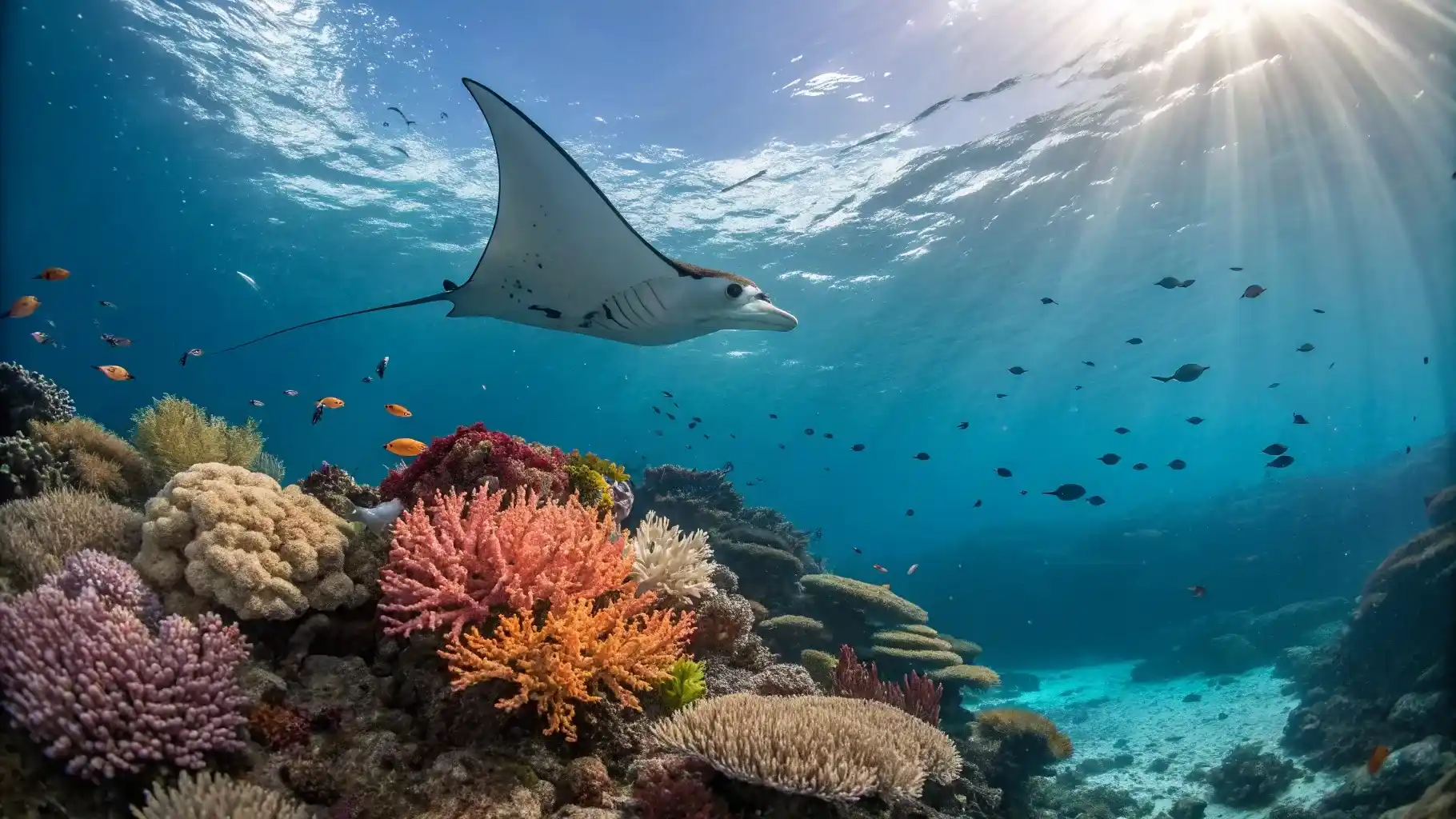
Coral coverage varies with depth. In the shallower sections (5-15 meters), hard coral formations provide the dominant substrate, with branching acropora species creating dense colonies that shelter diverse fish communities. In deeper sections (15-25 meters), the coral becomes sparser, giving way to rock formations and sand patches. Soft corals and gorgonians occupy deeper sections, waving gently with surge from above.
The Tatawa Islands have gained recognition among diving enthusiasts for exceptional fish diversity driven by the current-rich environment and complex reef structures. Schools of carangids—large, fast-moving fish that hunt in coordinated formations—frequently patrol the deeper water surrounding the islands. The sight of dozens of these predatory fish moving in synchronization creates one of those indelible underwater moments that divers and snorkelers describe for years afterward.
Reef fish populations at the Tatawa Islands exceed those at most comparable locations. Fusiliers in their countless thousands create shifting curtains of color, while butterflyfish maintain dedicated feeding territories and damselfish aggressively defend small patches of reef. Parrotfish graze audibly on coral, producing the distinctive crunching sounds that characterize healthy reef systems.
Larger pelagic species including barracuda, jack, and trevally appear regularly, particularly during morning diving sessions when light conditions drive fish toward visible feeding opportunities. Larger sharks including blacktips and occasionally whitetips appear as natural reef components, their presence typically indicating healthy ecosystem function rather than danger—sharks actively fed at the Tatawa Islands represent marine health indicators rather than threat factors for properly behaving divers and snorkelers.
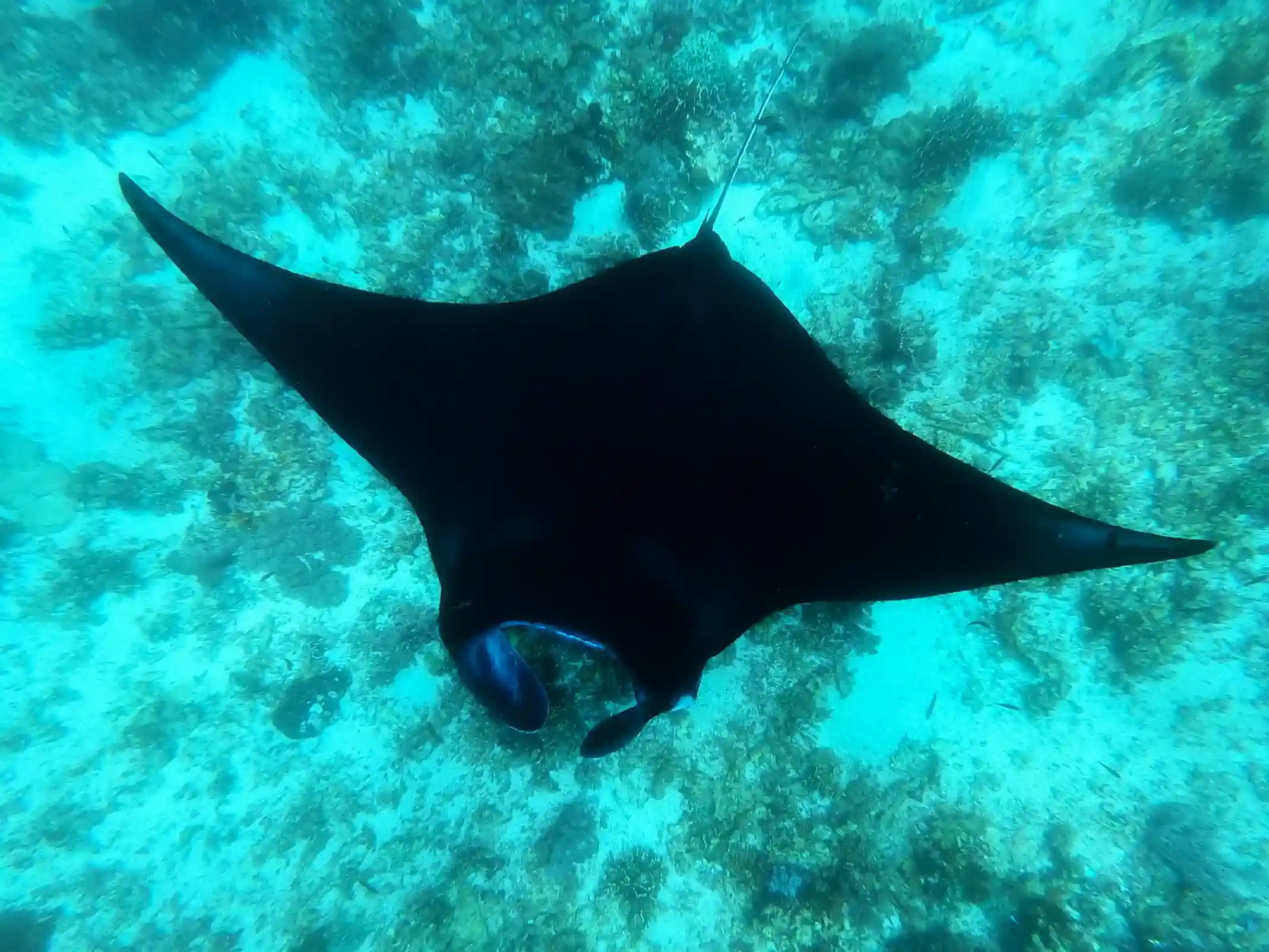
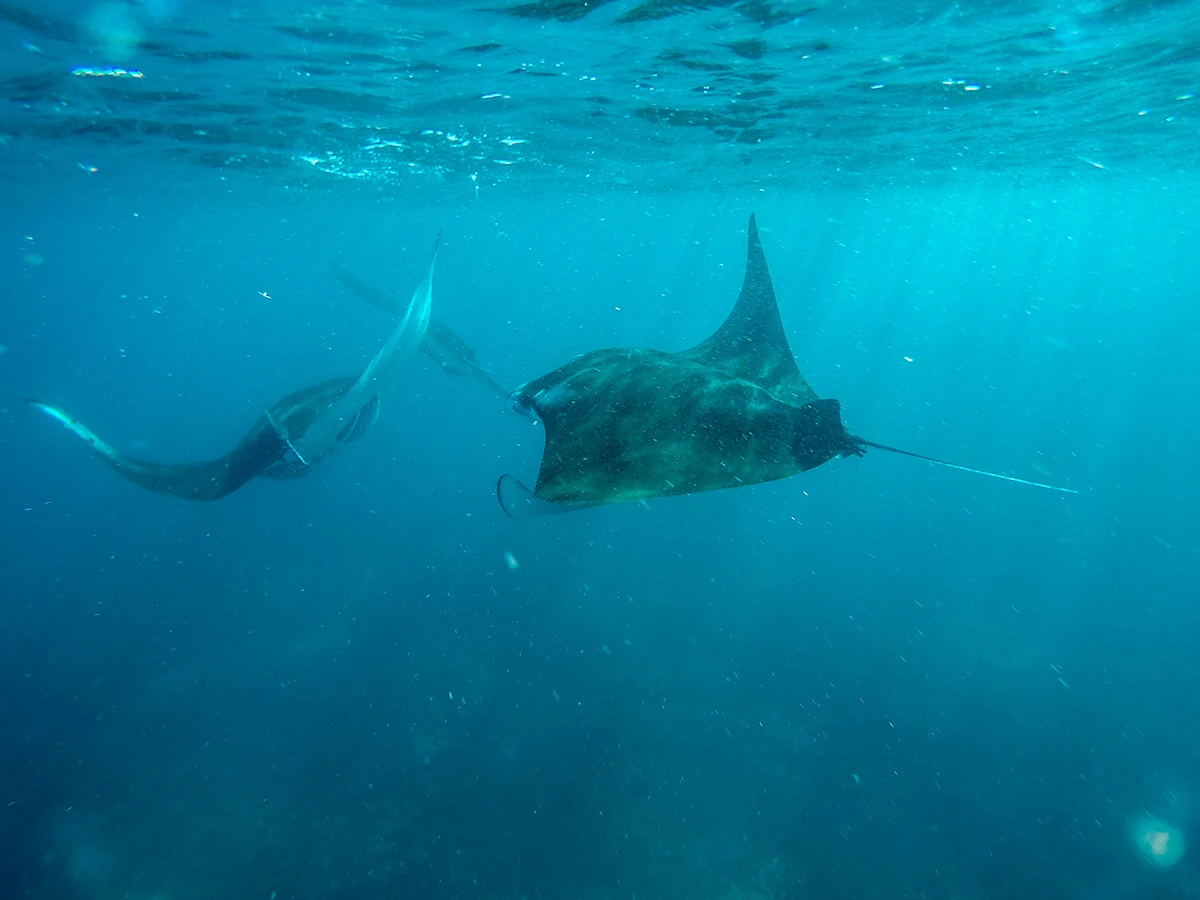
The possibility of large pelagic species creates an element of anticipation that characterizes diving at the Tatawa Islands. While whale sharks and mantas cannot be reliably encountered, their occasional appearance within the Komodo region means that any dive could potentially include encounters with Indonesia’s most remarkable marine megafauna.
While the Tatawa Islands have developed primarily as a diving destination, snorkeling opportunities exist for those not certified for diving or those preferring surface-based marine observation. The shallower reef sections (3-8 meters) support abundant fish life and coral formations observable without descent below snorkeling depths.
Snorkeling at the Tatawa Islands demands attention to current patterns and water movement. The channels between and around the islands experience noticeably stronger currents than sheltered bay locations like Manjarite. However, experienced snorkelers find these currents manageable and potentially beneficial—the water movement that might seem challenging increases fish activity and nutrient availability that concentrates marine life in observable densities.
Protected entry and exit points exist on both islands’ leeward sides, providing safe snorkeling conditions for those acclimated to slight current presence. Professional guides monitor conditions and select snorkeling sites based on individual capabilities and current patterns during specific visit times.
The Tatawa Islands experience seasonal shifts in current patterns and visibility that influence optimal diving timing. The dry season (April through November) generally offers superior visibility (15-25 meters) and more predictable current directions, making it preferred for most divers. Water temperature during the dry season ranges from 26-28°C (79-82°F).
The wet season (December through March) brings increased swell and occasionally reduced visibility (10-15 meters), but also creates dramatic water movement that concentrates marine life and energizes reef communities. Experienced divers sometimes prefer wet season conditions for the dynamic reef behavior they generate, despite visibility reductions. Water temperature during wet season peaks at 28-29°C.
Tidal patterns significantly influence Tatawa diving conditions. Slack water periods (the brief moments between tidal current changes) offer optimal visibility and minimal water movement, while peak tidal flows create strong currents but also maximize fish activity. Professional dive operators time expeditions to coincide with slack water or early tidal flow periods when conditions optimize the balance between visibility and manageable water movement.
Most Komodo charters offering diving at the Tatawa Islands operate through partnerships with professional diving organizations holding appropriate park permits. Dives must be conducted with certified instructors—independent diving remains prohibited within the marine park for safety and conservation reasons.
Standard dive operations at Tatawa typically commence in early morning, taking advantage of calmer conditions that characterize pre-dawn periods before surface winds generate swell. Dives are conducted in small groups (4-6 divers per guide) to permit adequate supervision and enhance safety margins in current-prone environments.
Certification requirements typically demand a minimum of PADI Open Water certification or equivalent qualification from other recognized training organizations. Advanced Diver certification or greater experience is recommended given current strengths sometimes experienced at the site. Refresher dives may be required for divers with extended absences from diving activities.
The Tatawa Islands form part of the UNESCO World Heritage Komodo National Park, and all diving activities operate under conservation protocols designed to minimize environmental impact. Divers are expected to maintain neutral buoyancy throughout dives, avoiding contact with reef structures that can damage coral colonies. Collection of marine life or shells—even deceased specimens—is strictly prohibited.
The dive permits that authorize operations at the Tatawa Islands contribute directly to park management and conservation funding, supporting broader initiatives that protect the archipelago’s unique ecosystems. Supporting professional, regulated dive operations ensures that future visitors will experience the same healthy marine environments that characterize current conditions.
Current strength varies considerably depending on tidal stage and recent weather patterns. Slack water periods permit dives with minimal current, while peak tidal flows can create strong currents (0.5-1.5 knots) that demand adequate skill and fitness. Professional guides assess conditions and select appropriate dive sites based on current strength during specific visit times.
Minimum PADI Open Water certification (or equivalent) is typically required. Advanced certification or greater experience is recommended for divers expecting strong current conditions. Check with your dive operator regarding specific requirements and recent experience expectations.
The Tatawa Islands offer current-driven reef environments featuring exceptional fish diversity and pelagic activity. Compared to sheltered bay diving locations, the Tatawa Islands present more challenging conditions but often deliver superior marine life encounters due to concentrated abundance. The experience appeals most to divers comfortable with moderate current and seeking dynamic reef environments.
Yes, snorkeling is possible at the Tatawa Islands, particularly on the islands’ protected sides. Snorkelers should expect modest current presence and remain attentive to water movement. Shallow reef sections (3-8 meters) provide adequate observation depth for interested snorkelers.
Encounters with barracuda, jacks, and large trevally are regular. Encounters with sharks (primarily blacktips and whitetips) occur occasionally. Whale sharks and mantas cannot be reliably encountered but remain possible, particularly during seasonal migrations.
Professional dive operators coordinate dive timing with tidal information, typically scheduling dives during slack water periods or early tidal flows when conditions remain manageable. Early morning dive schedules take advantage of generally calmer conditions before surface winds generate swell.
Visibility typically ranges from 12 to 25 meters depending on season and tidal conditions. Dry season (April-November) generally offers superior visibility at 15-25 meters, while wet season visibility ranges from 10-15 meters.
Overnight expeditions with dive operations at the Tatawa Islands are possible on extended charter packages. The anchoring environment provides adequate holding ground in protected positions on the islands’ leeward sides.
Ready to experience the Tatawa Islands’ exceptional diving? Our premium Komodo yacht charters include access to professional diving services at the Tatawa Islands. Explore our vessel options and diving itineraries, or contact us via WhatsApp at +628113823875 to customize your diving adventure at these remarkable twin islands.