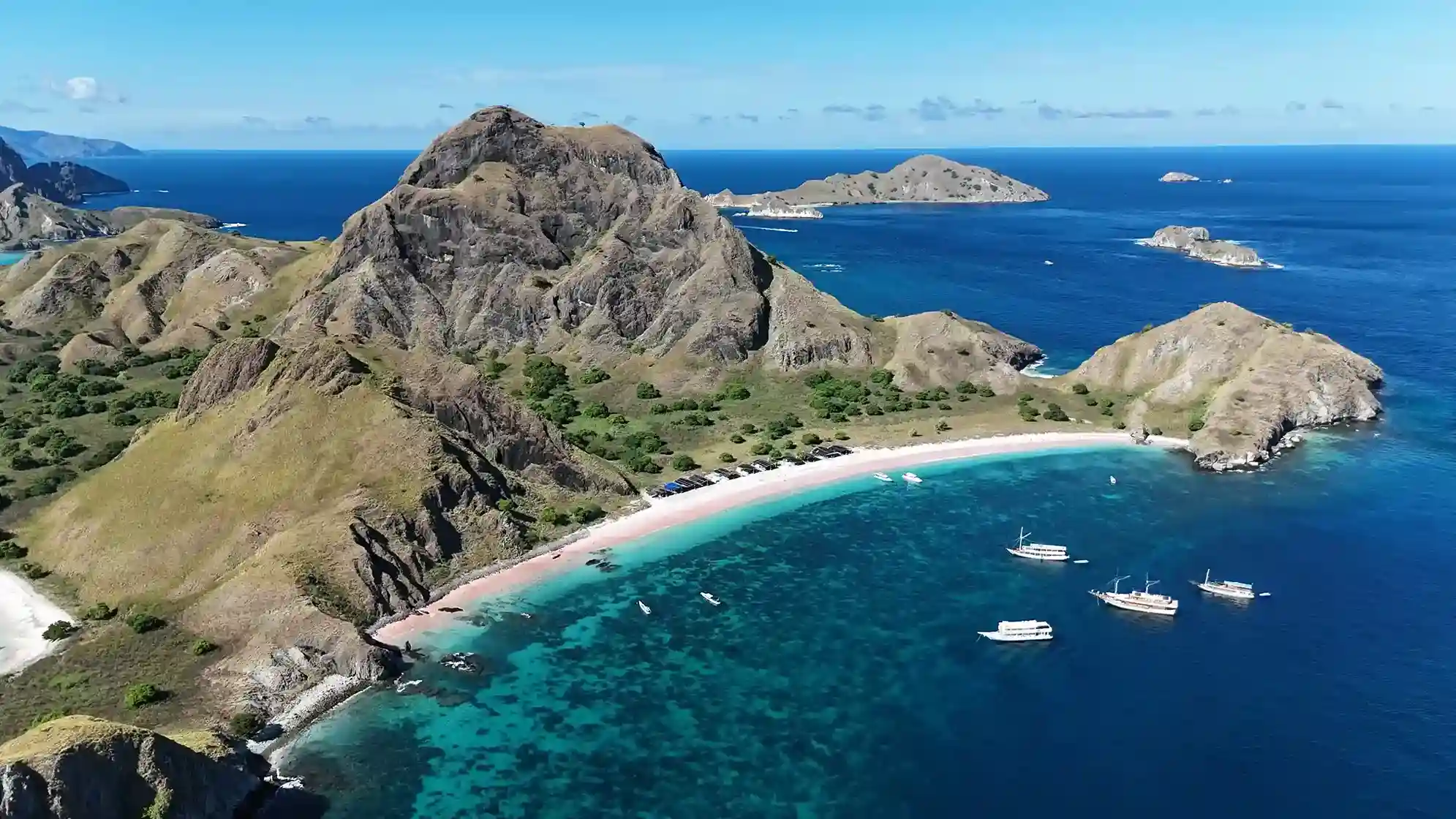
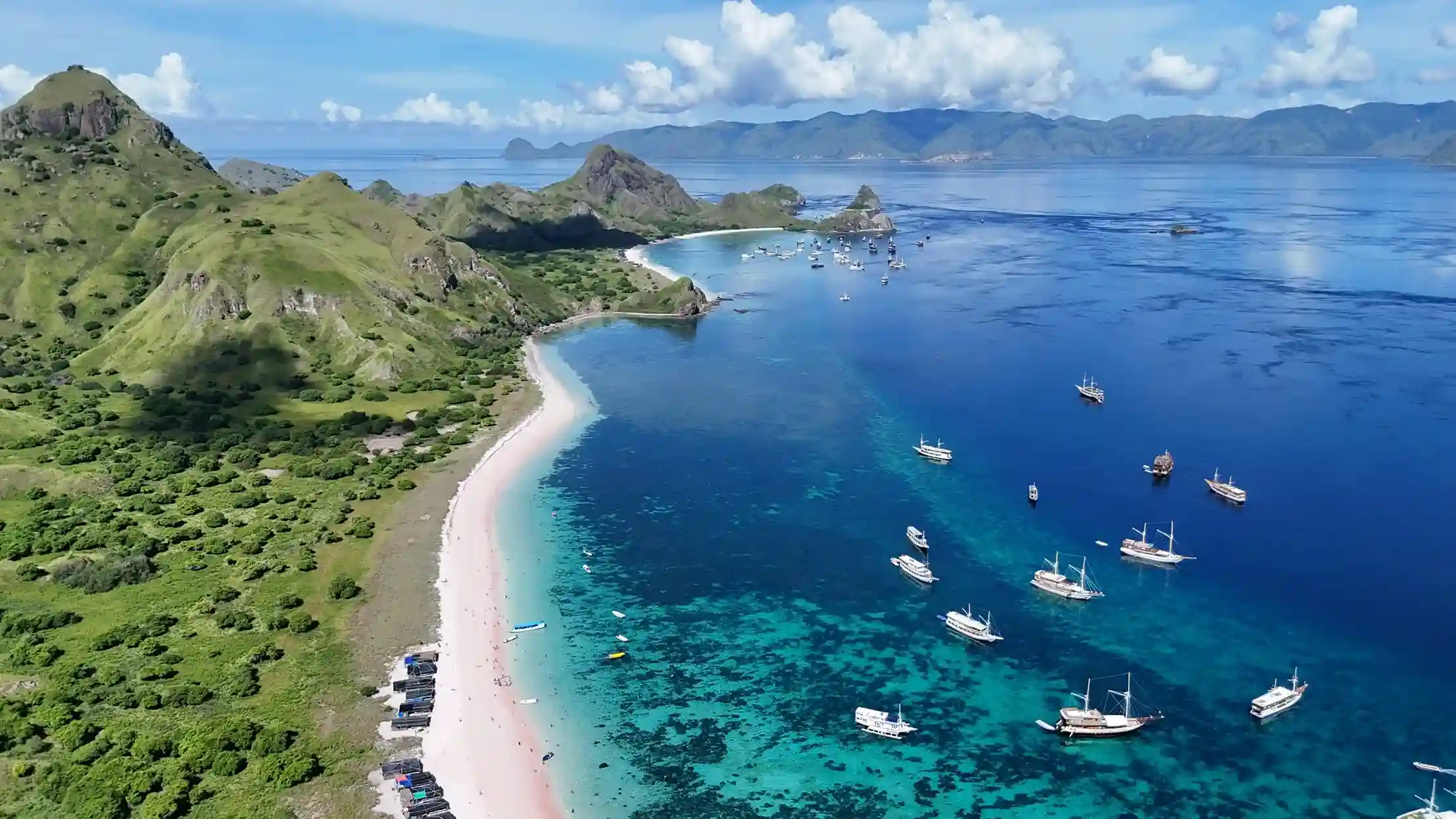
Often overlooked in favor of more prominent Komodo National Park destinations, Manjarite Island represents the unsung star of the archipelago’s beach-based experiences. Located in the southern reaches of the park near Rinca Island, this small island offers precisely what many weary travelers seek after days of active snorkeling and diving: a tranquil beach setting, calm waters for relaxation, and a natural environment that feels genuinely removed from the region’s more heavily trafficked locations.
Manjarite Island typically appears on the itinerary of three-day, four-day, and five-day Komodo charters as a lunch stopover or an afternoon relaxation destination. Its positioning makes it an efficient navigation component, typically appearing on day one or day two of extended charters where groups have transited to the southern park sections. The island’s appeal lies not in dramatic geological formations or challenging terrain, but rather in its capacity to provide restoration and simple pleasantness during active travel days.
Manjarite Island sits at approximately 8°43’S, 119°33’E, positioned near Rinca Island in the southern sector of the Komodo National Park. The island measures approximately 1.5 kilometers in length and remains relatively low-lying, with modest elevation creating a gentle topography quite distinct from the dramatic peaked islands like Komodo or the hills visible from Gili Lawa Darat.
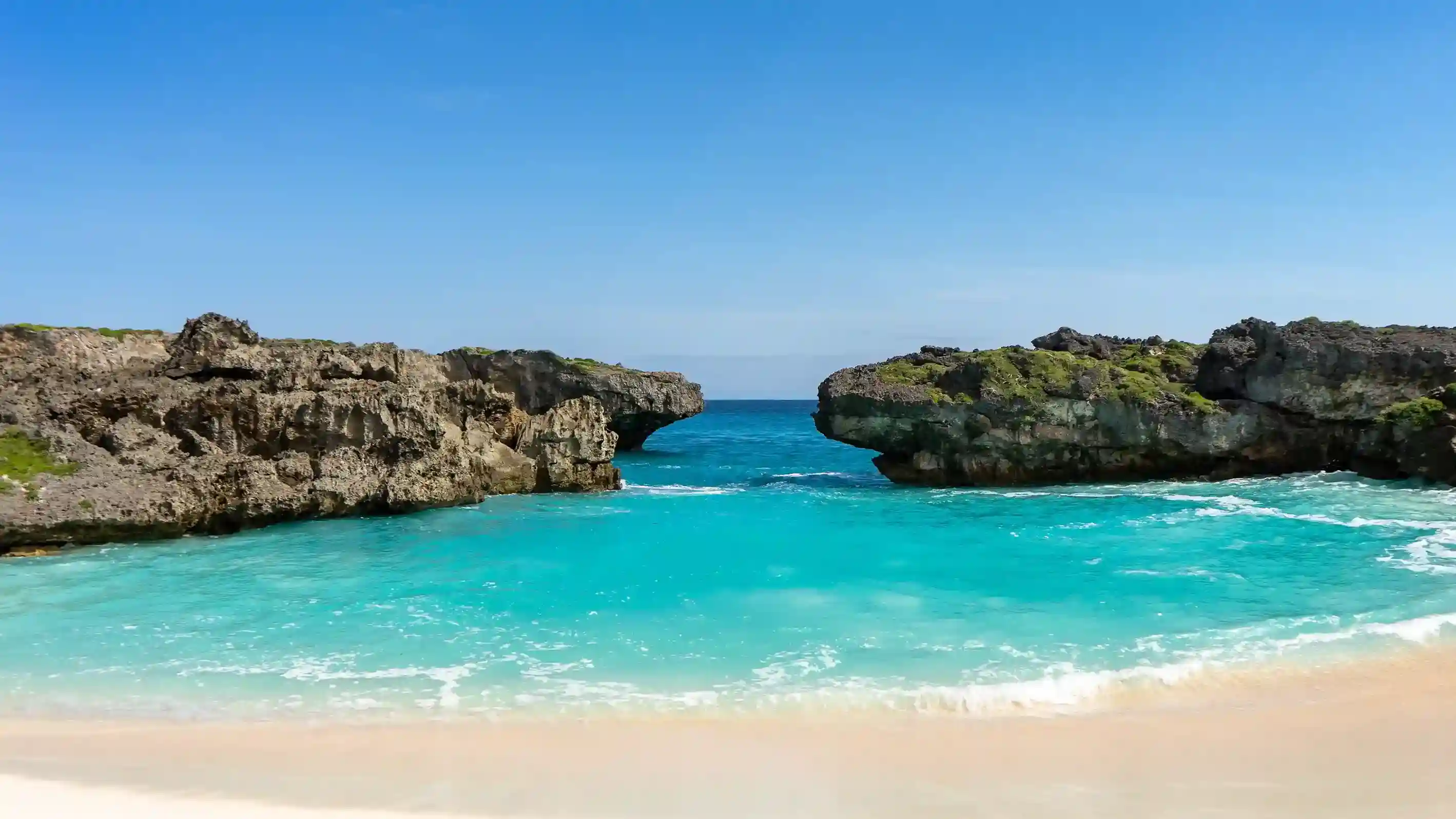
The island’s composition reflects the region’s volcanic geology, though weathering and erosion have sculpted softer landforms compared to younger volcanic features visible elsewhere in the archipelago. The western and southern shores feature the white sand beaches that represent Manjarite’s primary attraction, while the eastern face remains rocky and less suitable for beach activities.
Manjarite Island’s name itself derives from local Komodo terminology, reflecting its integration into the cultural geography of the archipelago despite its minimal human habitation. The island remains largely undeveloped, with no permanent settlements or infrastructure beyond occasional research station components associated with marine park management.
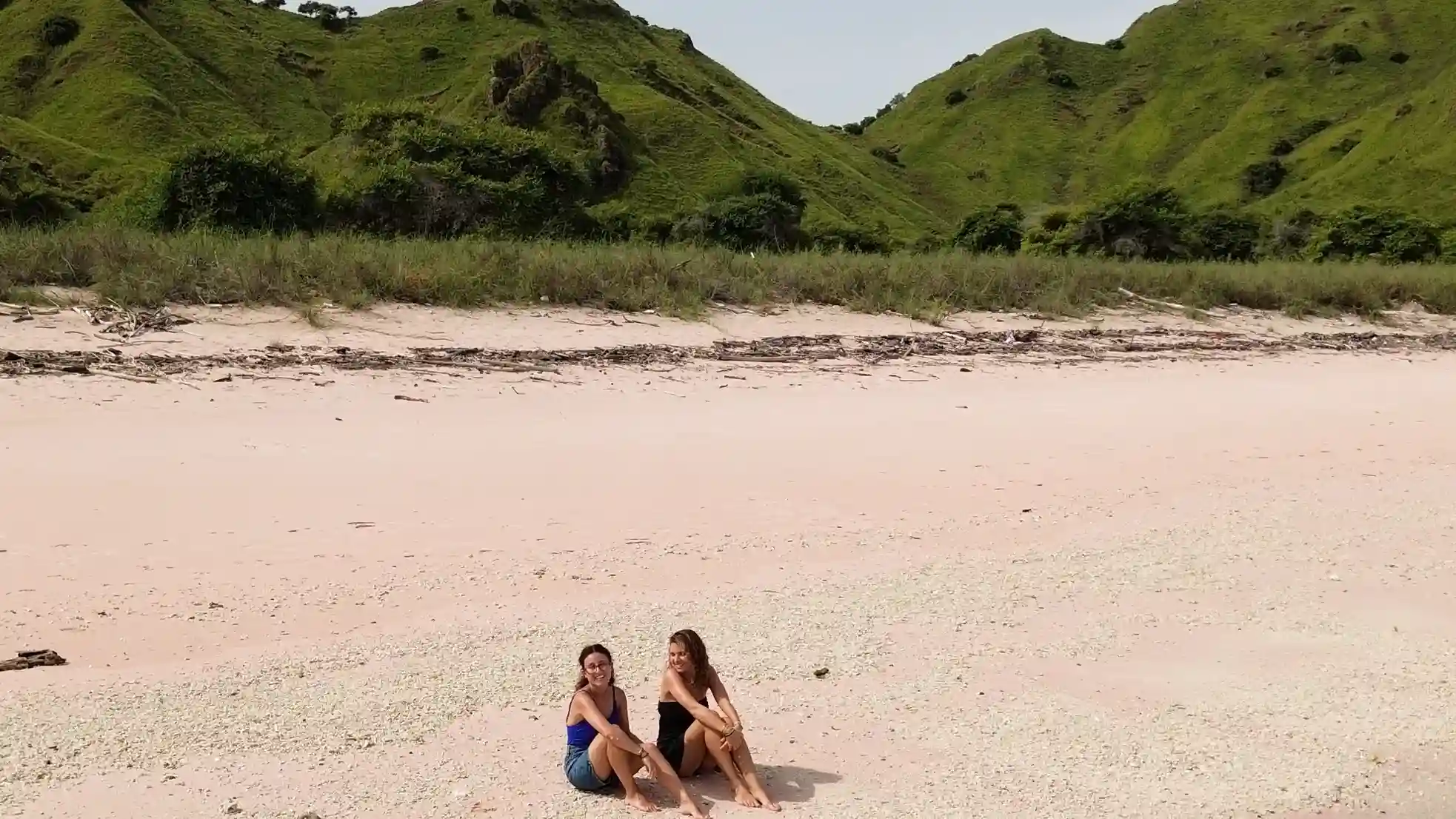
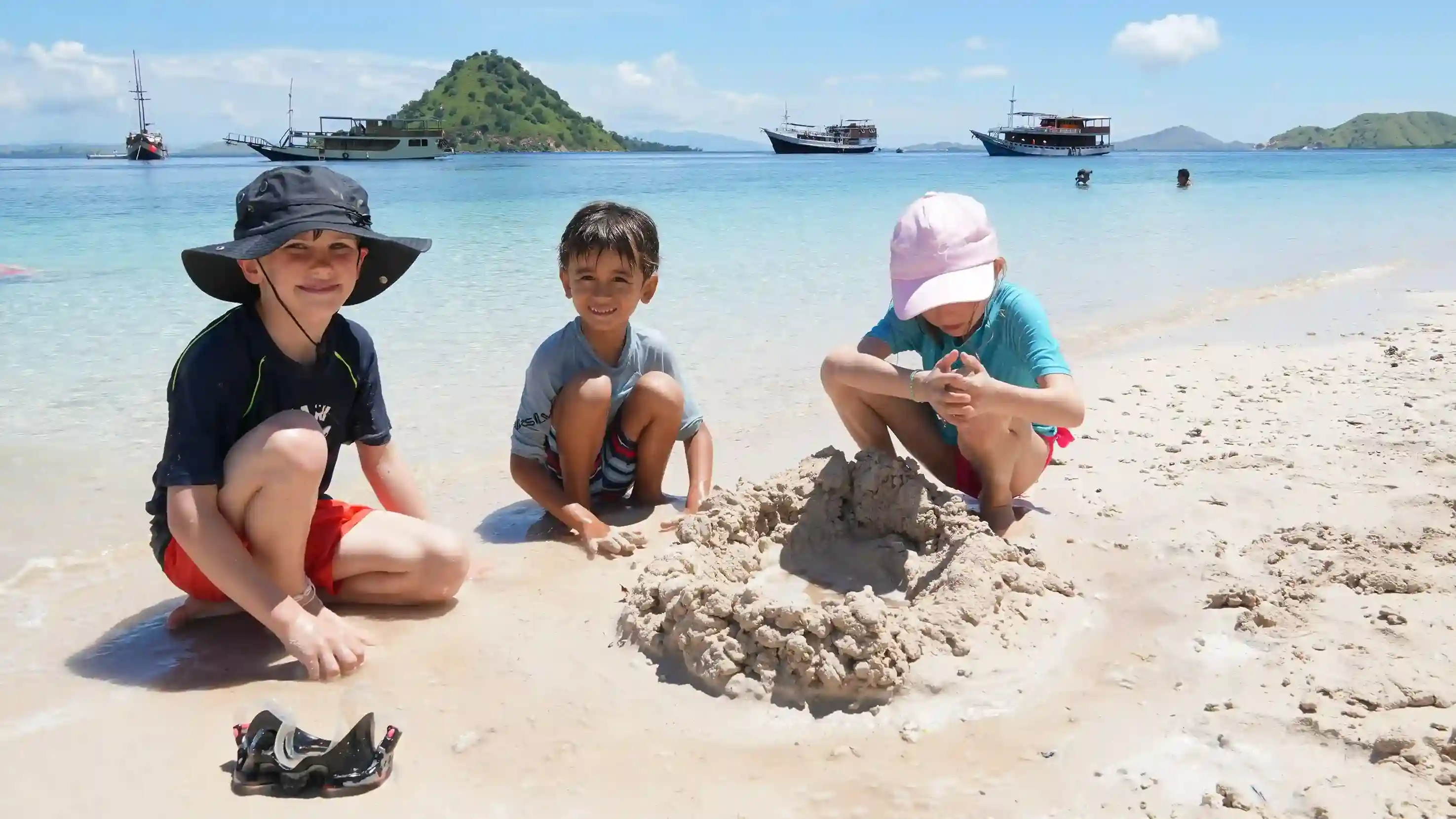
The primary beach at Manjarite Island extends approximately 400 meters along the island’s western shore. The sand composition displays the characteristic white color produced by crushed coral and shell fragments, reflecting tropical sunlight with brilliance that requires adequate eye protection for extended periods. The beach surface slopes gently into shallow water, creating ideal conditions for wading and casual swimming without the technical demands of snorkeling.
The shallow water environment permits comfortable entry for those who prefer not to snorkel but wish to cool off in the equatorial heat. Water temperature consistently remains at 26-28°C (79-82°F), providing a refreshing contrast to air temperature often exceeding 32°C (90°F) in direct sunlight. The gentle bottom slope means that even minimal swimmers can wade to comfortable depths without significant current concerns.
The beach environment at Manjarite encourages the kind of peaceful beach recreation that many travelers associate with tropical destinations. Unlike locations focused on active snorkeling or diving, Manjarite permits activities like reading, sketching, photography, and simple rest—the kinds of pursuits that prove surprisingly difficult to find adequate time for during activity-packed multi-day charters.
While not recognized as a primary snorkeling destination, Manjarite Island offers modest reef structures suitable for those wishing to snorkel from the beach. The reefs surrounding the island lack the dramatic coral formations and fish concentrations visible at major snorkeling sites, but they provide acceptable diversity for brief snorkeling sessions.
The reefs immediately offshore from the main beach consist of sparse coral formations interspersed with sandy areas. Fish diversity matches the reef complexity—parrotfish, butterflyfish, and damselfish appear regularly, while larger pelagic species remain less common. The shallow depths (typically 3-8 meters at maximum) permit comfortable snorkeling for participants of all experience levels.
Snorkeling at Manjarite functions better as a complementary activity rather than a primary experience. Visitors arriving with moderate snorkeling expectations find adequate interest in the shallow reef environments, while those focused on maximum marine life observations typically prefer dedicated snorkeling destinations like Siaba Besar or Crystal Rock.
Manjarite Island typically appears on day one or day two of three-day charters, often paired with Kelor Island as part of the initial day’s itinerary after departure from Labuan Bajo. For groups departing Labuan Bajo in late morning, the boat route toward Rinca and Komodo National Park’s southern sections passes in proximity to Manjarite, making it a natural inclusion without significant course deviations.
The island frequently serves as a lunch stop, with boats arriving around midday and remaining for two to three hours. This timing permits the captain to prepare lunch while passengers enjoy the beach, swim, and snorkel in shallow reefs if desired. The protected bay anchoring area accommodates the typical 8-16 passenger boats common on Komodo charters with minimal swinging room concerns.
For extended five-day, six-day, and seven-day charters, Manjarite may receive more extended visit periods, with groups potentially camping ashore on the beach (subject to park regulations and captain preferences) or remaining anchored overnight. The island’s tranquility makes it an attractive location for overnight stays, as the relatively protected anchorage produces minimal boat motion and the beach offers escape from vessel confines.
Manjarite Island performs equally well across seasons, as its protected position and gentle beach configuration make it accessible even during the wet season (December through March). The dry season (April through November) offers clearer visibility for snorkeling and more predictable weather patterns, but Manjarite’s appeal transcends seasonal variations.
Water conditions at Manjarite remain stable year-round. The shallow bay offers protection from wind-driven swells, maintaining calm conditions even during the wet season when larger swells might challenge open-water operations elsewhere. Visibility for snorkeling ranges from 8-15 meters year-round, adequate for the modest reef structures present but considerably less dramatic than peak visibility periods at other locations.
The beach environment at Manjarite improves during drier months when atmospheric humidity is lower and sky conditions provide clearer visibility. However, even during the wet season, the beach remains usable for swimming and relaxation, with primary constraints relating to occasional passing rain showers rather than safety concerns.
Manjarite Island’s terrestrial environment reflects the semi-arid climate of the Komodo region. The island supports scattered trees including the characteristic Terminalia species common throughout the archipelago, interspersed with low shrubs and grasses adapted to minimal rainfall. This vegetation permits limited shade for beach activities, though the lack of dense forest means that direct sun exposure remains a primary environmental factor during midday hours.
Bird species observed at Manjarite include various raptors, notably the white-bellied sea eagle which frequents coastal regions throughout Indonesia. These magnificent birds occasionally hunt over the shallow waters, providing dramatic visual encounters for keen birders. Smaller songbirds inhabit the scattered vegetation, their calls audible during early morning and late evening hours.
Small reptiles including monitor lizards and various lizard species inhabit the island, though encounters with these animals remain brief and casual rather than intense. The island remains free of Komodo dragons and other megafauna, making terrestrial exploration safe for all visitors.
Marine flora at Manjarite includes seagrass beds in the shallow bay, similar to those at Siaba Besar but less extensively developed. These beds support small herbivorous fish and invertebrates, creating simple but functional food webs that sustain the reef communities visible during snorkeling.
Manjarite Island offers substantial photography opportunities despite its modest development. The white sand beach, turquoise shallow water, and fringing vegetation create visually compelling compositions that photograph well under tropical sunlight conditions. Sunrise and sunset photography benefit from the island’s eastward/westward orientation, permitting golden-hour light at both ends of the day.
Underwater photography at Manjarite remains limited by modest reef development and fish diversity, but the shallow water and clear visibility permit adequate image capture for those interested in casual underwater documentation. Macro photography of small reef inhabitants like nudibranchs and crustaceans occasionally yields compelling results.
Access to Manjarite Island occurs exclusively via boat, with all arrangements handled through charter operators departing from Labuan Bajo. No independent access or day-trip options exist from external sources—participation requires enrollment in multi-day charter packages. The island receives visitor impact from charter groups, maintaining a managed visitation pattern that preserves its relatively pristine character.
Accommodation at Manjarite Island occurs aboard the chartered boat, with overnight stays possible depending on itinerary and charter duration. No land-based infrastructure exists for independent travelers. The absence of shore facilities means that all services—food preparation, fresh water, sanitation—rely entirely on vessel-based systems.
The marine park fee (150,000 IDR per person per day) applies to visitation at Manjarite Island, supporting conservation and park management throughout the Komodo National Park system. This fee remains consistent across all park islands regardless of intensity of utilization.
Yes, Manjarite Island specifically offers relaxation-focused experiences that contrast with the active snorkeling and diving available elsewhere. The calm beach environment, shallow swimming conditions, and peaceful setting make it ideal for those desiring rest days during multi-day charters.
Most visits span two to four hours, typically during lunch breaks in the daily schedule. Extended visits of six to eight hours or overnight stays are possible on longer charters with flexible itineraries.
No permanent facilities exist on the island. All services including fresh water, changing facilities, and sanitation rely on the chartered vessel. Visitors should plan accordingly, bringing towels and dry clothes stored on the boat.
Manjarite offers basic snorkeling suitable for casual swimmers but lacks the coral diversity and fish concentrations of major snorkeling sites like Siaba Besar or Crystal Rock. The reef environment accommodates brief snorkeling sessions but should not be considered a primary snorkeling destination.
Basic walking trails permit modest exploration of the island’s interior, though the landscape remains relatively uninteresting compared to more dramatically formed islands. Most visitors remain beach-focused during Manjarite visits.
Bird species including eagles and smaller songbirds remain the most commonly observed wildlife. Small reptiles appear occasionally. The island remains free of dangerous fauna, making beach recreation safe for all visitors.
Manjarite frequently appears on day one with Kelor Island as an initial day experience, or on subsequent days depending on itinerary flexibility. The island’s position near Rinca makes it convenient for charters focused on the southern park sections.
Overnight beach camping is theoretically possible but rarely practiced, as most charters maintain vessel-based accommodations. Check with your charter operator regarding specific overnight policies.
Looking to include Manjarite Island in your Komodo charter? Our multi-day Komodo boat charters routinely feature Manjarite as a relaxation and lunch component. View our complete charter itineraries or vessel options. Contact us via WhatsApp at +628113823875 to customize your itinerary and ensure Manjarite Island inclusion in your adventure.