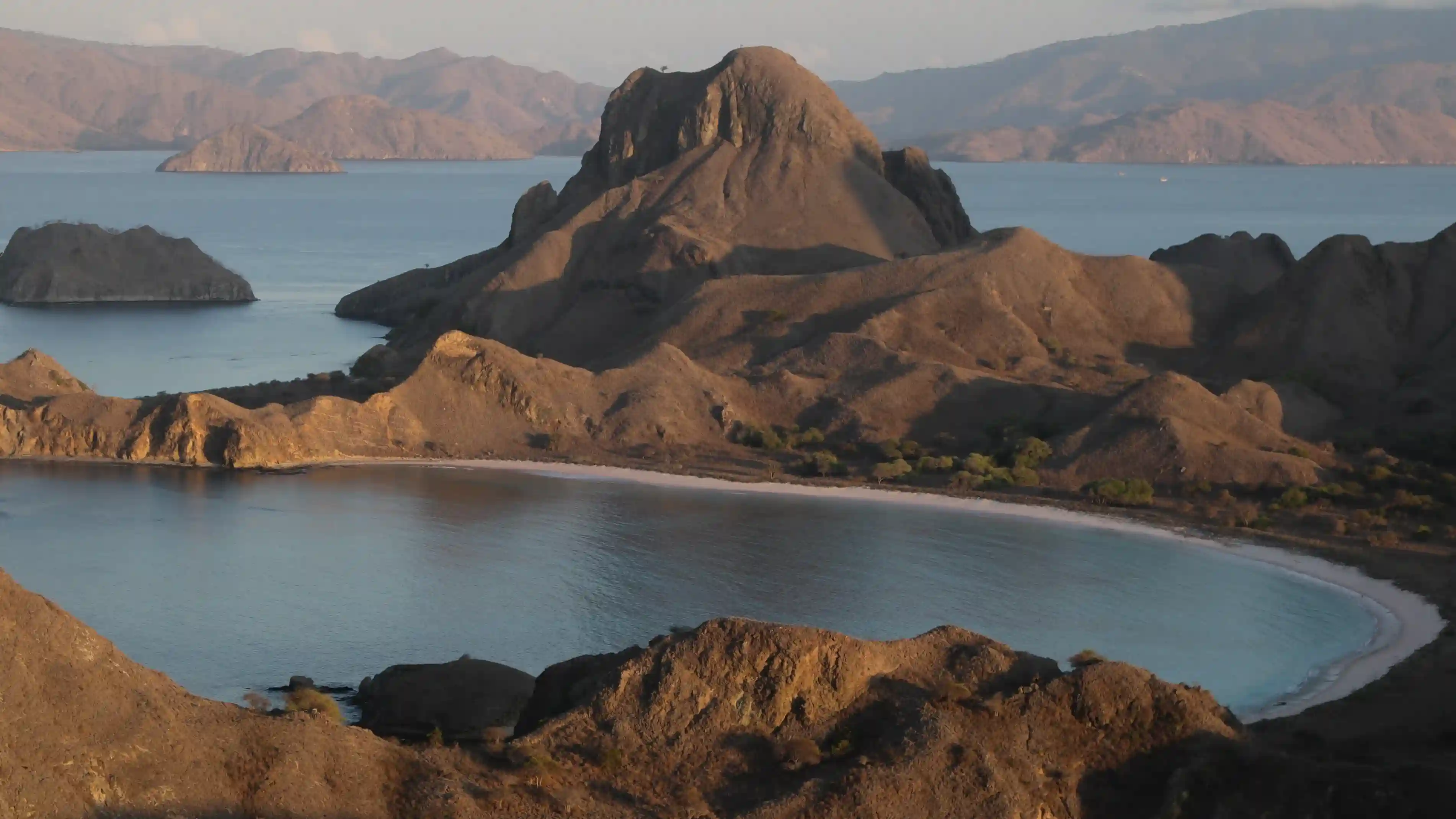
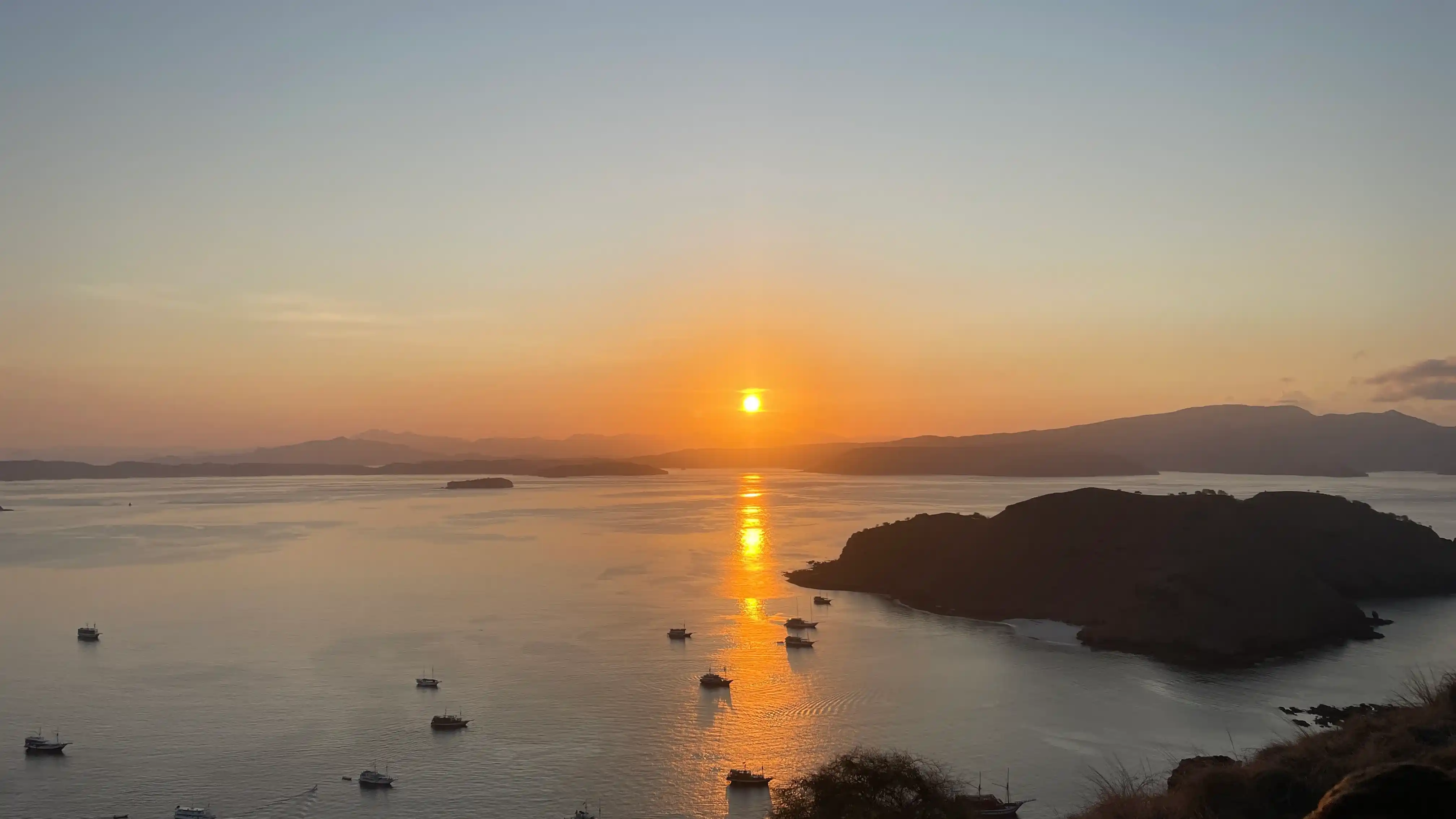
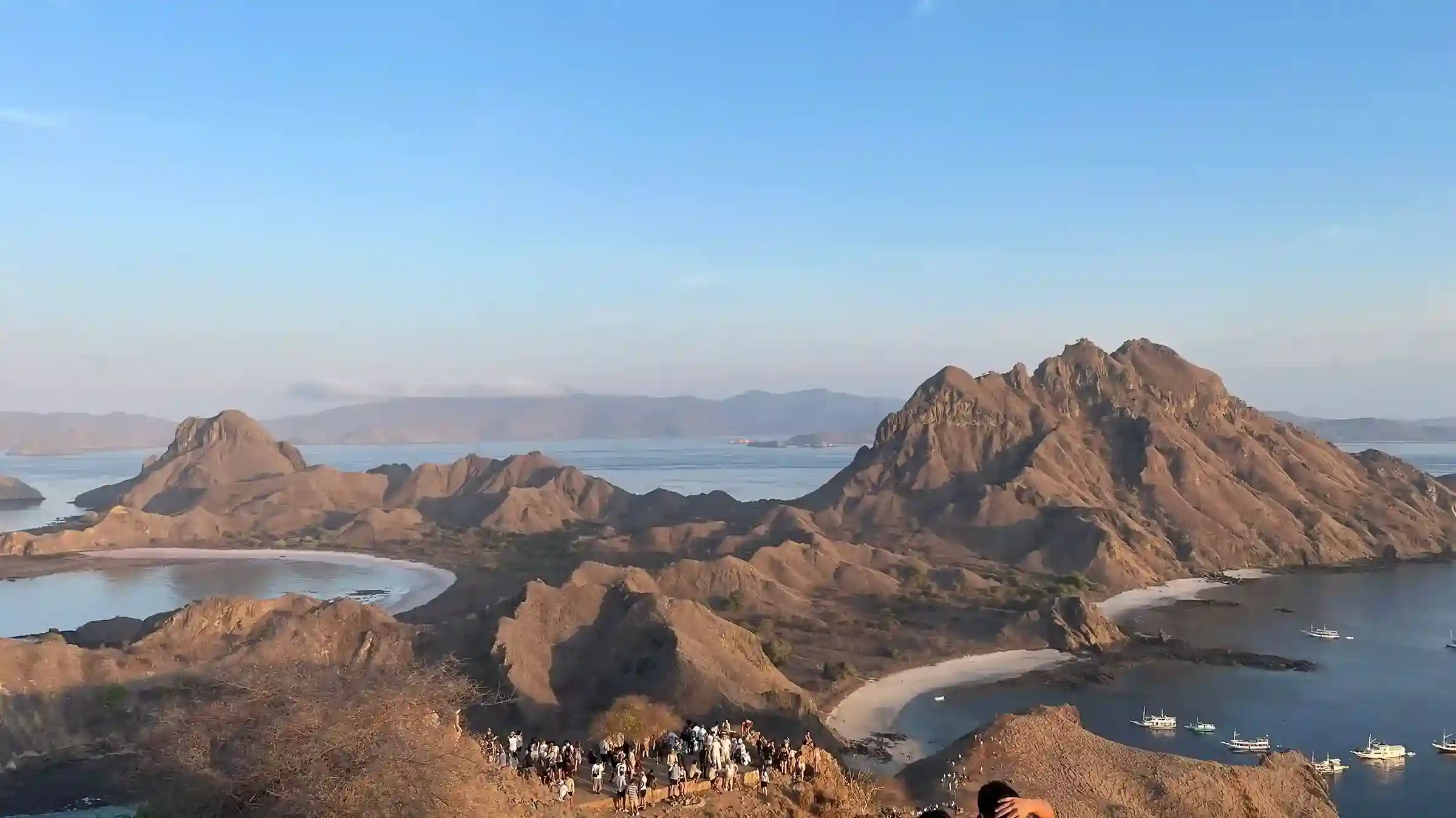
Komodo National Park’s terrestrial landscapes offer exceptional hiking experiences traversing dramatic terrain that captures millions of years of geological history and evolutionary processes. The park’s trek options range from leisurely 2-3 hour walks suitable for families to challenging 6-8 hour expeditions demanding serious fitness and mountaineering experience. Each trail reveals different ecological zones, wildlife encounters, and panoramic vistas showcasing the archipelago’s remarkable natural character.
Understanding trek difficulty ensures appropriate experience matching. Easy treks (2-3 hours, 5-8 kilometers, minimal elevation gain) traverse gentle terrain and accommodate visitors of any fitness level. These introductory expeditions explore lower-elevation savanna, feature multiple wildlife opportunities, and conclude before midday heat peaks. Families with children and older visitors comfortably complete easy treks with standard fitness levels.
Moderate treks (3-5 hours, 8-12 kilometers, 300-500 meters elevation gain) demand reasonable cardiovascular fitness but remain accessible to active travelers without specialized training. These routes explore transitional zones between savanna and forest ecosystems, requiring steady pacing and basic hiking experience. Participants should feel comfortable sustaining consistent moderate exertion for several hours.
Difficult treks (5-8 hours, 12-20 kilometers, 500+ meters elevation gain) suit experienced hikers with serious fitness levels. Rocky terrain, steep ascents, exposed ridgelines, and limited shade characterize difficult routes. High temperatures, elevation exposure, and technical scrambling sections require genuine mountaineering experience and excellent physical conditioning. Only seriously prepared expeditions should attempt difficult treks.
Komodo Island, the park’s largest landmass and primary dragon habitat, offers trekking options showcasing diverse ecosystems and wildlife. The Island Summit Trek represents the island’s most iconic route, ascending 735 meters to Gunung Ara peak providing panoramic vistas encompassing the entire archipelago. This moderate-to-difficult route (4-5 hours) challenges visitors with steep ascents and exposed ridgelines while rewarding efforts with incomparable views.
The Pink Beach Trek (2.5 hours, easy to moderate) ventures from the island’s interior toward the famous pink-sand beach formed from crushed coral and volcanic minerals. This route traverses relatively gentle terrain while offering excellent dragon encounter opportunities. The beach itself—colored by manganese oxide alongside pink coral sand—provides exceptional snorkeling opportunities post-trek.
The Banunggulung Valley Trek (3 hours, easy) explores lowland savanna and forest margins where dragons frequently congregate. This route accommodates visitors preferring gentler physical demands while maintaining high wildlife encounter probabilities. Experienced guides know dragon congregation areas based on seasonal patterns and recent activity.
The Loh Liang Trek (2 hours, easy) explores the area around Komodo’s main visitor facilities, providing introductory dragon encounters and savanna exploration. This short but substantive trek suits visitors with limited time while maintaining meaningful wildlife interaction.
Rinca Island, smaller and more forested than Komodo, offers distinct trekking experiences emphasizing forest ecosystems and diverse fauna. The Island Summit Trek (3 hours, moderate) ascends to elevated ridgelines providing vista views while traversing forest zones hosting different species compositions. Timor deer congregate in forest clearings, displaying their characteristic alert behavior.
The Beach Trek (2-3 hours, easy) explores shorelines and coastal forest margins, combining wildlife observation with beach exploration. This route reveals coastal adaptation strategies and occasionally encounters marine megafauna visible from elevated vantage points. Nesting sea turtles frequent these beaches seasonally, adding conservation significance to beach exploration.
The Waterhole Trek (2 hours, easy) ventures to locations where wildlife congregates during dry season months. These concentrated animal encounters create exceptional photography opportunities and wildlife observation experiences. Early morning timing correlates with highest activity levels before midday heat causes wildlife to seek shade.
Dry season (April-December) offers ideal trekking conditions: cooler temperatures, minimal rainfall, and excellent visibility. June through September represents peak comfort, with temperatures rarely exceeding 32°C during morning hours when most treks occur. These conditions attract maximum trekking activity and highest international visitor concentrations.
Wet season (January-March) brings higher temperatures, humidity, and occasional rainfall. However, wet season offers distinct advantages: dramatically reduced crowds, lush vegetation creating scenic hiking environments, and enhanced wildlife activity as breeding seasons commence. Experienced hikers appreciate wet season trekking’s unique character despite increased physical demands.
Shoulder season months (March-April, November-December) offer compromise conditions between extreme dry and wet season characteristics. These transitional periods present fewer crowds than peak months while maintaining generally favorable conditions. Rainfall becomes less predictable—weather changes rapidly, requiring flexible planning.
Proper equipment ensures safe, comfortable trekking experiences. Quality hiking boots with ankle support prevent injuries on rocky terrain while providing traction on loose substrate. Lightweight hiking shoes suit easier routes, while serious mountaineering boots prove essential for difficult terrain. Ensure boots are properly broken in before departure—blisters can transform enjoyable treks into painful experiences.
Protective clothing includes lightweight long sleeves minimizing sun exposure and dragon/insect contact. Quick-dry materials prove superior to cotton, which retains moisture and promotes chafing. Wide-brimmed hats provide essential sun protection during extended exposure periods. Quality sunglasses protect eyes from UV radiation while improving visibility against bright terrain.
Hydration equipment ranks among trekking’s most critical components. Carry minimum 2-3 liters of water per person for even short treks; longer expeditions demand 4-5 liters. Electrolyte replacement drinks prevent hyponatremia from excessive water consumption without mineral replacement. Camelback-style hydration packs enable continuous drinking without trekking interruptions.
Navigation aids including maps, GPS units, and compass technology prove less critical than guide experience in this destination—park regulations mandate professional guide accompaniment. Nevertheless, personal navigation knowledge provides confidence and situational awareness. Quality cameras document experiences and wildlife encounters throughout trekking expeditions.
Understanding Komodo dragon behavior prevents dangerous misunderstandings. Dragons possess limited interest in human-sized prey, displaying natural avoidance behaviors. However, respecting dragons’ space remains essential—never approach closer than approximately ten meters. Allow guides to determine appropriate distances and interaction timing.
Dragon encounters demand alert attention—maintain consistent group awareness and position awareness. Never stray from guides or venture ahead of group formations. Dragons can accelerate rapidly from apparent dormancy, so constant vigilance proves important despite low danger probability. Children require close supervision near dragons.
Other wildlife encounters—including Timor deer, wild boar, and snakes—rarely present serious dangers. Most animals actively avoid humans and flee when humans approach. Exercise standard wilderness awareness: watch ground terrain while walking, remain alert to surroundings, and respect animal space.
Komodo’s trails vary from well-marked routes with clear signage to barely-marked paths requiring extensive local knowledge. All trekking in the park occurs with professional guides possessing extensive terrain knowledge. Guides navigate by landscape memorization, ecosystem recognition, and subtle trail markers rather than formal signage.
Trail conditions deteriorate during wet season from erosion and vegetation encroachment. Dry season months present optimal trekking surfaces. Proper footwear prevents slipping and foot injuries on loose rocky sections. Stream crossings during wet season occasionally require challenging water navigation.
Altitude gains occasionally cause fatigue or mild elevation effects. Komodo’s maximum elevations (735 meters) remain too modest for serious altitude sickness, but gradual pace adjustments during ascents prevent overexertion. Rest breaks allow physical recovery while enabling landscape appreciation.
Morning trekking captures optimal lighting conditions for landscape and wildlife photography. Early starts (6 AM departures) position trekkers during wildlife’s most active periods while offering golden-hour lighting. Afternoon trekking encounters harsh overhead sunlight reducing photograph quality but maintaining wildlife observation opportunities.
Landscape photography opportunities abound on summit routes offering panoramic vistas. Wide-angle lenses capture dramatic terrain composition while telephoto lenses isolate wildlife subjects. Macro photography captures insects, wildflowers, and small reptiles revealing ecosystems’ intricate details.
Respect wildlife photography ethics: never prioritize image capture over animal welfare. Maintain appropriate distances allowing natural behavior continuation. Guides understand optimal photography positioning without disturbing wildlife. Patience yields better images than aggressive pursuit.
Prepare for difficult treks through 4-6 weeks of progressive training incorporating hiking-specific conditioning. Incorporate stair climbing, hill walks, and sustained cardiovascular exercise building leg strength and aerobic capacity. Progressively increase training duration and intensity, peaking 1-2 weeks before departure.
Moderate trek preparation requires 2-4 weeks of regular cardiovascular exercise including hiking, cycling, or running. Maintain reasonable fitness levels through regular activity. Easy treks accommodate visitors without specialized training, though basic fitness enhances experience enjoyment.
Altitude acclimatization remains unnecessary for Komodo elevations, but general fitness significantly impacts trek enjoyment. Higher fitness levels enable faster hiking, earlier arrival at destinations before midday heat, and greater energy reserves for wildlife observation and photography.
Blister prevention—the most common trekking injury—begins with proper footwear selection and break-in. Moisture-wicking socks reduce friction; taping potential blister locations proactively prevents formation. Address emerging hot spots immediately, stopping activity before blisters fully develop.
Heat injury prevention demands aggressive hydration and electrolyte replacement. Never wait until thirsty to drink water. Sunscreen application requires reapplication every 2 hours. Recognize heat exhaustion symptoms: excessive fatigue, dizziness, nausea, or disorientation. Immediate shade rest, hydration, and cooling interventions prevent serious heat illness.
Snake encounters, while possible, remain uncommon. Hiking boots provide adequate protection against most local snake species. Never handle unidentified snakes. Park guides possess snakebite first aid knowledge; immediate professional medical attention remains available in Labuan Bajo.
Easy and moderate treks require no prior hiking experience—basic fitness suffices. Difficult treks demand serious hiking background and excellent physical conditioning. Assess your fitness honestly and select appropriately challenging routes. Professional guides adjust pace to match group abilities, ensuring everyone completes treks safely.
Guides routinely adjust trek distances and duration based on group progress and individual fitness levels. Shorter route alternatives exist for all trek categories. There’s no shame in modifying plans—guides prioritize safe, enjoyable experiences over arbitrary completion. Communicate honestly about fatigue or physical limitations.
Children of reasonable fitness can complete easy treks (2-3 hours) without difficulty. Moderate treks suit older children (12+) with decent conditioning. Very difficult routes remain unsuitable for children regardless of fitness. Younger children maintain shorter attention spans—expect to cover less distance despite younger visitors’ surprising endurance.
Early morning treks begin cool (22-24°C) and warm to 28-32°C by midday. Peak midday heat creates uncomfortable conditions limiting activity. Most scheduled treks complete before 12 PM heat peaks. Afternoon heat prevents serious trekking—afternoon activities focus on beach relaxation or water-based pursuits.
Dragon encounter probability varies seasonally and by location. Komodo Island routes show higher encounter probabilities than Rinca. Dry season (June-August) offers better sighting opportunities. Expect 70-85% encounter probability on dedicated dragon treks, though individual experiences vary. Some visitors encounter 15+ dragons; others see three or four.
No established restroom facilities exist on trek routes. Plan bathroom visits before departing. Urinate behind rocks or vegetation maintaining respectful distance from water sources and other trekkers. For defecation, move far from trails and water sources, burying waste appropriately. Carry toilet paper and hand sanitizer.
Yes, wet season (January-March) trekking remains safe and offers unique advantages: fewer crowds, lush scenery, and dynamic weather conditions. Rainfall varies—some days remain dry while others bring intermittent showers. Wet season presents challenges: slippery terrain, higher temperatures, and less predictable conditions. Experienced trekkers often prefer wet season’s character.
Professional park guides possess extensive knowledge of local flora, fauna, geology, and ecology. They identify bird and reptile species, explain plant adaptations, discuss dragon behavior, and provide historical context. Their local expertise dramatically enriches trekking experiences beyond simple physical exertion.