Flores Island, the easternmost major island in the Lesser Sunda Islands, represents an destination of profound cultural, natural, and historical significance often overlooked by visitors focused exclusively on Komodo National Park. Spanning approximately 14,300 square kilometers, this mountainous, densely forested island hosts Indonesia’s most culturally distinctive populations, exceptional biodiversity found nowhere else on Earth, and dramatic volcanic landscapes rivaling more famous Indonesian destinations. This comprehensive guide explores Flores’ multifaceted character, from Labuan Bajo’s modern infrastructure to remote traditional villages maintaining ancestral practices.
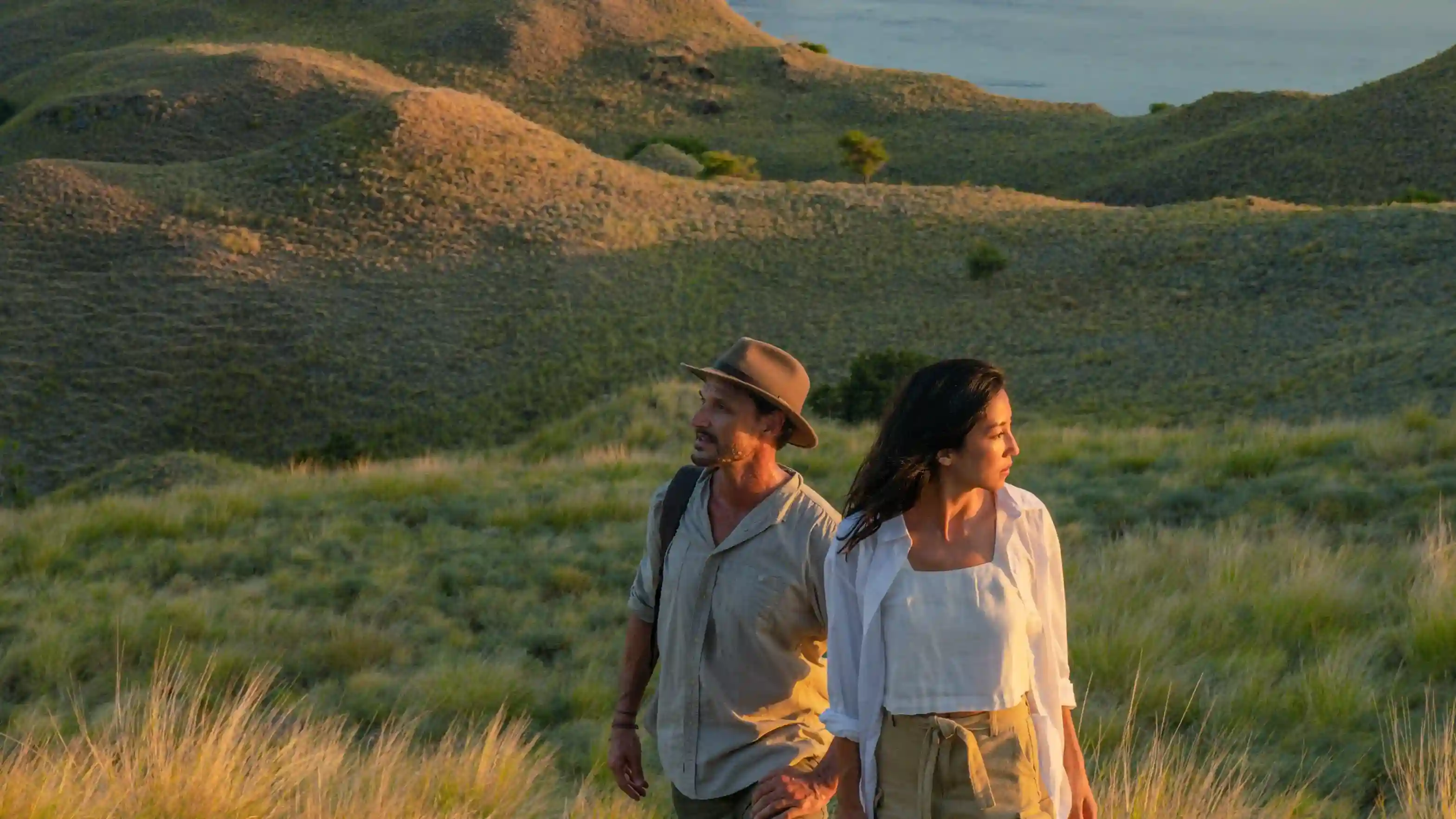
Flores Island emerged from volcanic activity along the Indo-Australian Plate boundary, creating a dramatic mountainous spine topped by active and dormant volcanic peaks. Mount Kelimutu, the island’s most visually distinctive feature, stands 1,731 meters elevation and hosts three volcanic lakes exhibiting different colors—sometimes blue, green, and red—due to minerals in thermal waters. These colors shift based on seasonal variations, chemical composition changes, and atmospheric conditions.
The island’s geography creates distinct ecological zones: humid tropical coasts transitioning to montane forests in elevated regions. Rainfall concentrates along windward western slopes while leeward eastern sections experience relatively dry conditions. This geographic variation creates microhabitats supporting endemic species found nowhere else on the planet.
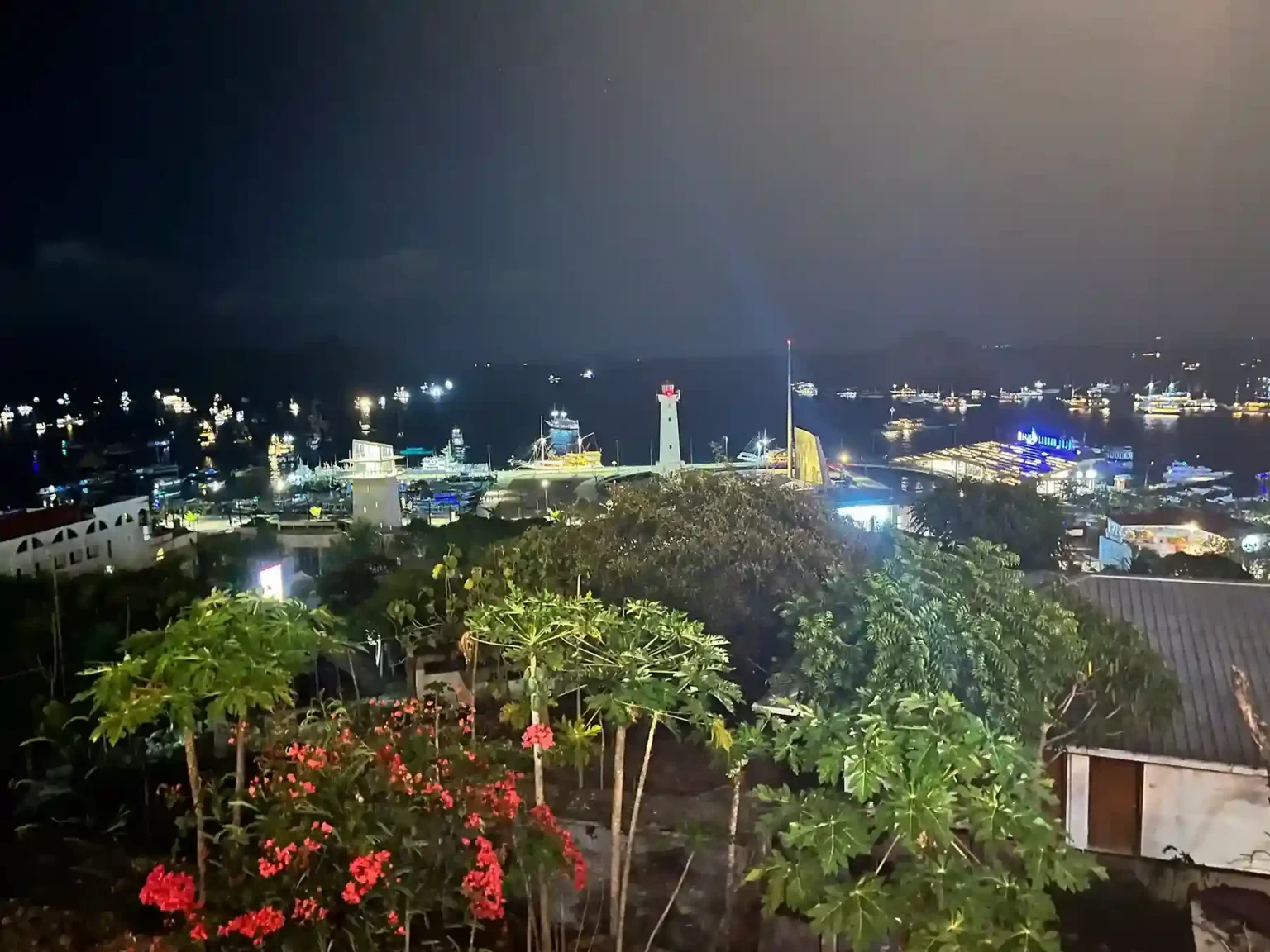
Labuan Bajo, situated on Flores’ western coast, serves as primary gateway for international visitors. This modern port town provides accommodation, dining, transportation hubs, and tourism infrastructure supporting Komodo National Park access. The town’s harbor facilities accommodate international-scale maritime tourism while maintaining fishing-village characteristics.
Flores supports remarkable biodiversity with exceptionally high endemism rates—many species exist nowhere else globally. The Komodo dragon, while found primarily on Komodo, exhibits populations on Flores and Rinca islands. The Flores endemic dwarf buffalo (anoa) represents the world’s smallest buffalo species, adapted to island environmental constraints. These diminutive cattle ancestors display remarkable strength despite compact proportions.
Bird enthusiasts discover over 130 bird species on Flores, with many endemic to the Lesser Sunda Islands. The Flores hawk-eagle, endemic to this region, represents the archipelago’s apex avian predator. The colorful Flores crow, endemic to these islands, displays remarkable intelligence and adaptability. Parrots, sunbirds, and countless songbird species provide constant observation opportunities.
Reptile diversity includes monitors, agamas, and endemic skink species adapted to distinct ecological niches. The Komodo dragon remains the most famous reptile, but endemic snakes and lizards demonstrate evolutionary adaptation to island isolation. Traditional communities possess extensive knowledge of local fauna, understanding behavioral patterns and ecological relationships.
Forest ecosystems support canopy-dwelling mammals including endemic flying lemurs (colugos) gliding between trees. These rarely-observed animals represent ancient mammalian lineages predating primate evolution. Night excursions reveal nocturnal species including flying squirrels, civets, and endemic bat species occupying specialized ecological roles.
Flores hosts Indonesia’s most culturally distinctive populations, with communities maintaining traditional practices despite modern influences. The Ngada people inhabit central Flores, preserving elaborate ceremonial systems and traditional village architecture. Villages feature distinctive dual-roof houses (rumah mbaru) constructed without metal nails, using mortise-and-tenon joinery techniques refined over generations.
Traditional weaving represents Flores’ most renowned cultural expression—intricate ikat textiles feature geometric patterns created through complex dyeing processes. Weavers, predominantly women, maintain ancestral pattern knowledge producing textiles of exceptional artistry. Village visits enable direct artisan interaction, purchasing directly from creators rather than intermediary retailers.
The Bena village, situated on dramatic hillside terrain, showcases traditional architecture and ceremonial structures (megaliths) reflecting animistic spiritual beliefs predating Islam. These impressive standing stones commemorate ancestors and mark significant cultural events. Traditional ceremonies involving communal celebrations, animal sacrifices, and spiritual practices continue during designated periods.
Religion in Flores blends Islam (predominant) with indigenous beliefs, creating syncretic spiritual systems incorporating ancestor veneration and natural world respect. Traditional ceremonies honor agricultural cycles, commemorate ancestors, and maintain spiritual balance. Respectful cultural visitors enhance experiences by learning about these beliefs and participating (when appropriate) in community celebrations.
Mount Kelimutu’s three volcanic lakes represent Flores’ most iconic natural feature and spiritual importance to local populations. These crater lakes display distinct colors: sometimes blue, green, and red (or occasionally red, white, and black), shifting based on mineral content and atmospheric conditions. The lakes’ irregular color changes remain scientifically incompletely understood, adding mystique to this natural wonder.
Ascending Mount Kelimutu requires predawn hiking (3-4 hours) reaching the crater rim before sunrise. Timing enables golden-hour illumination of the lakes while visitors experience the otherworldly landscape gradually revealing through pre-dawn darkness. The peak elevation (1,731 meters) rarely causes altitude sickness, though the steady ascent challenges less-fit visitors.
Local populations regard Kelimutu as spiritually significant—the lakes are believed to house spirits and ancestral souls. The differently-colored lakes supposedly correspond to different spiritual categories: one lake for virtuous ancestral spirits, others for malevolent spirits or undisciplined deceased. This spiritual significance influences visitor behavior and appropriate respect protocols.
Accessibility challenges remain moderate but real—unstable soil, exposed ridges, and swift weather transitions create legitimate hazards. Professional guides possess route knowledge and safety expertise, though climbing without guides remains possible for experienced trekkers. Late afternoon clouds frequently envelope the peak; early morning timing provides superior visibility.
Labuan Bajo, Flores’ largest city (population ~35,000), represents a fascinating transition between traditional Southeast Asian port town and modern international tourism destination. The town’s growth, accelerated by Komodo tourism, transformed this fishing village into a cosmopolitan hub. Contemporary upscale resorts coexist with traditional markets and fishing operations.
The town’s harbor facilitates the archipelago’s maritime economy—fishing boats depart daily supplying fish to regional markets, while luxury yachts service international tourists. The waterfront reveals this duality: traditional outrigger boats anchored beside modern ferries, fish markets adjacent to seafood restaurants, and artisanal fishers alongside tourism infrastructure.
Labuan Bajo’s accommodation options span exceptional range: budget backpacker hostels ($5-15 nightly), mid-range family hotels ($25-50), and luxury resorts ($100+). Dining similarly varies—street food stalls serve local specialties, warung (small restaurants) provide authentic cuisine, and upscale establishments cater to international preferences.
Tourism infrastructure proves sufficient for independent travelers—ATMs, currency exchange, internet access, and travel agent services exist throughout town. However, Komodo National Park access typically involves tour operator intermediation handling permits, guides, and logistics coordination. Labuan Bajo serves as excellent base for exploring Flores’ attractions beyond national park focus.
Village tourism enables direct community engagement, though ethical considerations warrant careful attention. Responsible village visits involve hiring local guides, purchasing directly from artisans, and respecting privacy boundaries. Photography requires permission; some sacred ceremonies prohibit photography entirely. Community tourism benefits provide economic incentives encouraging cultural preservation, though commodification risks remain.
Bena village visits showcase traditional Ngada culture, architecture, and megalithic structures. Guides explain ceremonial significance, architectural construction techniques, and daily life patterns. Markets enable textile purchasing directly from weavers, ensuring maximum economic benefit reaches original creators.
Mangarai district, occupying Flores’ western region, maintains distinct traditions including the gong-based music system (poco-poco) and unique marriage ceremonies. Coffee cultivation represents important economic activity—traditional coffee plantations combine shade-grown agriculture with forest conservation, creating sustainable economic models.
Mount Kelimutu trekking remains Flores’ premier terrestrial activity, though alternatives exist. Lowland forest treks reveal endemic wildlife and botanical diversity without elevation gain stress. Waterfall hikes reach cascades and swimming pools at trekking route termini. Beach exploration reveals coastal ecosystems and occasional marine megafauna encounters.
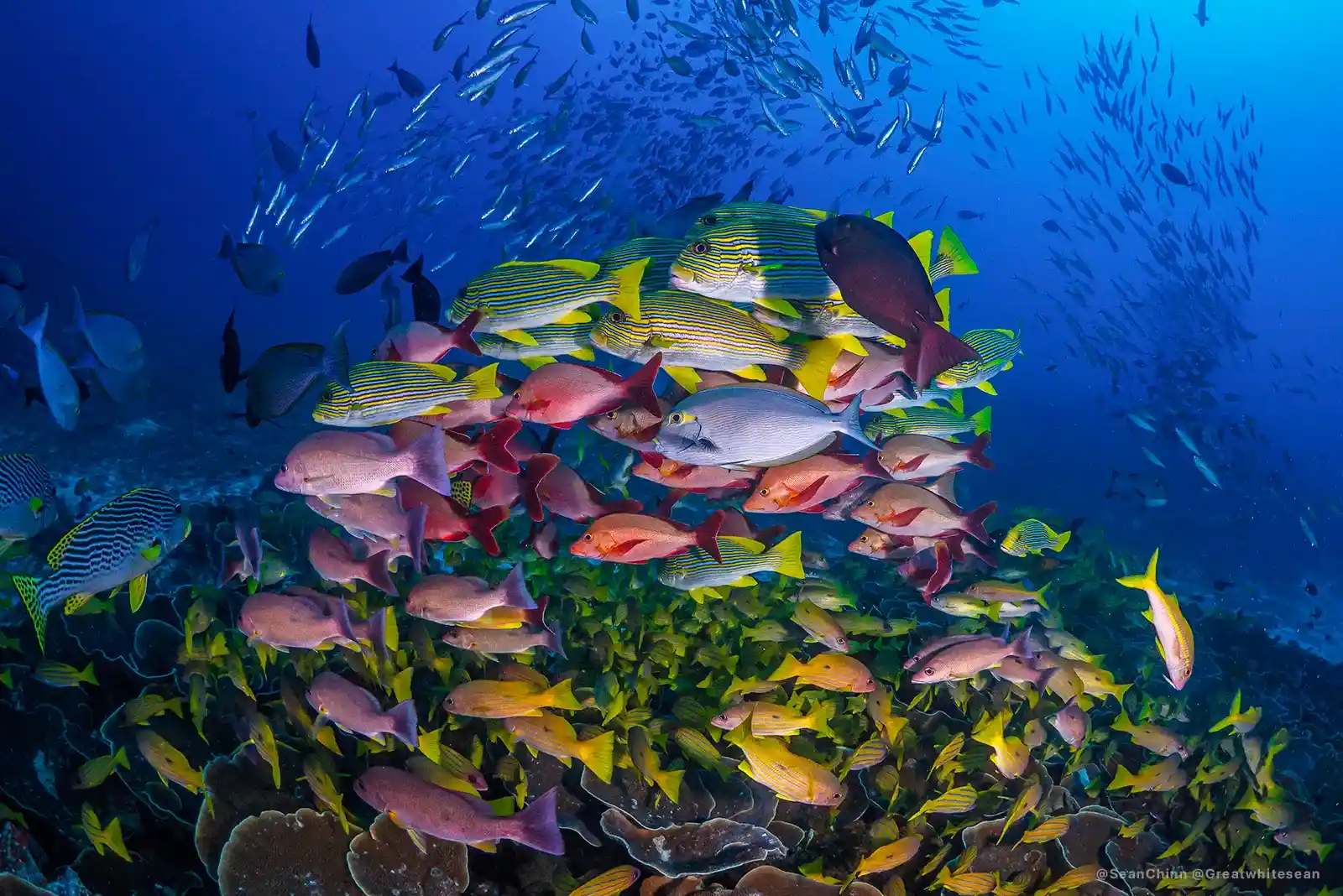
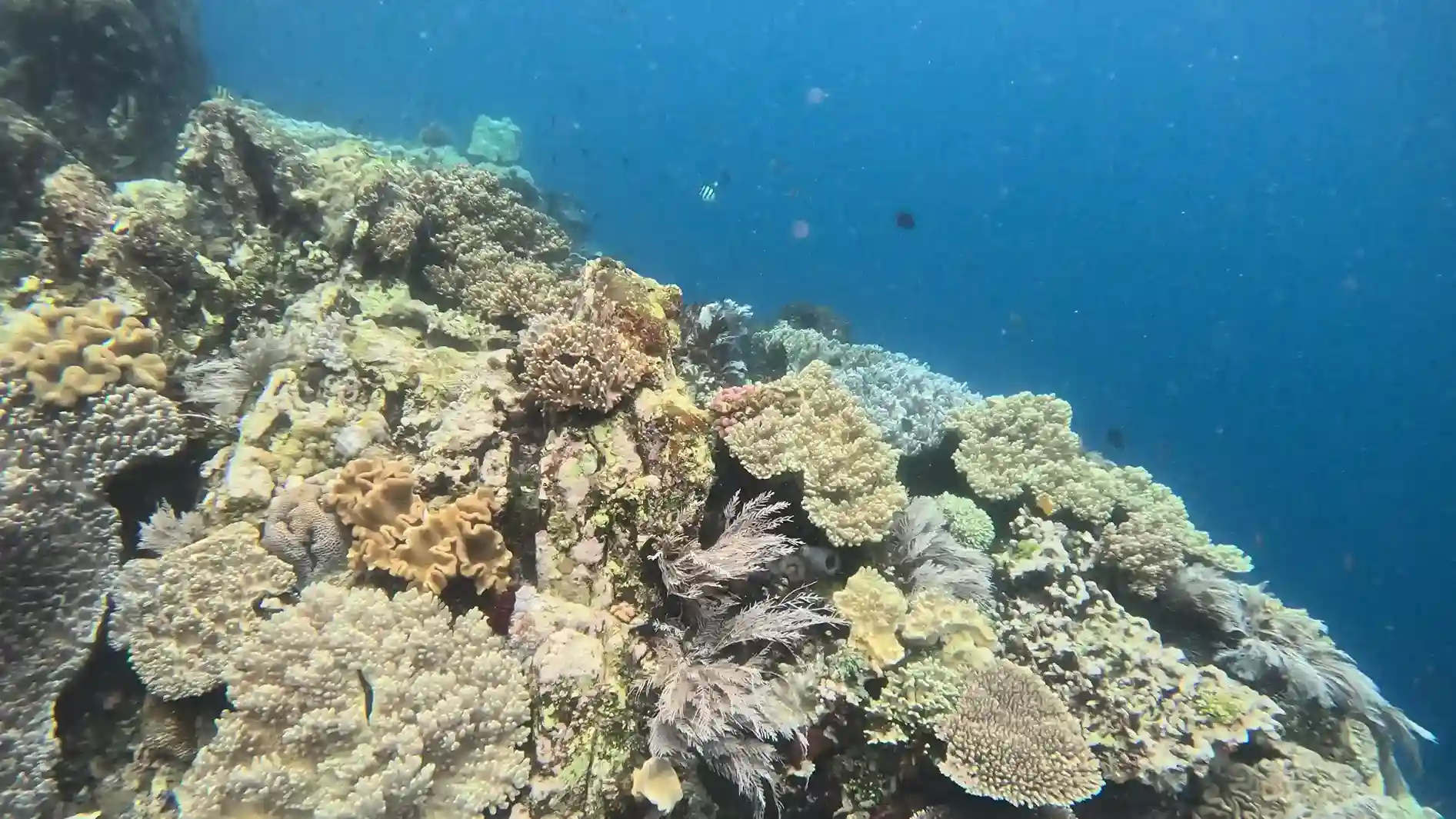
Diving and snorkeling beyond Komodo National Park explore lesser-known reef systems with reduced visitation pressures. These sites often feature excellent coral health, fewer crowds, and exceptional marine life encounters. Several dive operators based in Labuan Bajo service locations throughout the region.
Hiking between traditional villages creates cultural immersion while revealing agricultural landscapes and daily community life. These routes often pass through private land—hiring local guides ensures property respect and authentic cultural perspectives unavailable to independent visitors.
Flores’ volcanic geology creates geothermal phenomena including hot springs (mata air panas) accessible throughout the island. Some springs reach temperature extremes requiring safety precautions, while others remain swimmable. Natural hot springs near Labuan Bajo and throughout Flores provide therapeutic experiences and recreational opportunities.
Hot spring chemistry varies based on mineral content—some springs contain sulfur compounds creating sulfurous odors while others remain odorless. Local populations traditionally use these springs for healing purposes; modern visitors appreciate the relaxation and therapeutic water exposure.
Dry season (April-December) brings moderate rainfall and generally pleasant conditions. Temperatures remain consistent year-round (25-32°C), with significant elevation changes causing greater temperature variations than seasonal cycles. Dry season accommodates optimal conditions for both Komodo activities and broader Flores exploration.
Wet season (January-March) brings higher rainfall and occasional floods in lowland regions. Highland areas remain relatively dry while coasts experience rough seas limiting some water-based activities. However, wet season beauty captivates photographers and nature enthusiasts—lush vegetation, dramatic weather, and fewer tourists create compelling experiences.
Labuan Bajo receives daily flights from Jakarta, Surabaya, and Bali, providing convenient international access. Ferries connect Labuan Bajo to other islands, though these remain primarily local transportation rather than tourist services. Rental motorcycles and private drivers enable independent exploration—motorcycles suit adventurous travelers while hired drivers accommodate limited comfort requirements.
Accommodation ranges across price categories—book in advance during dry season peak periods. Budget accommodations provide basic comfort; upscale resorts offer world-class amenities. Seasonal tourism fluctuations mean January-March pricing drops significantly from peak June-September rates.
Three to five days exploring Flores complements Komodo visits nicely. Mount Kelimutu visits require one full day (predawn start, mid-afternoon return). Traditional village visits span half-day to full-day depending on depth and guide availability. Beach relaxation, snorkeling, and casual exploration fill remaining time.
The steady 3-4 hour ascent challenges less-fit visitors, though altitude remains modest (1,731 meters). No technical climbing or climbing equipment required. Reasonable fitness enables successful completion. Slower pace adjustments accommodate varying abilities—many tours succeed by moving slowly and steadily.
Hire local guides ensuring economic benefits reach communities. Request permission before photography. Purchase crafts directly from artisans. Attend ceremonies when invited; avoid disrupting sacred activities. Learn basic cultural context before visits. Respect privacy boundaries and sacred spaces. These practices support communities while creating authentic experiences.
Independent village visits remain possible though guided visits enhance experiences. Local guides provide cultural context, navigate complex social protocols, and demonstrate appropriate behavior. Guides enable deeper community interaction and ensure tourism benefits reach residents appropriately.
Endemic species include flying lemurs, endemic parrots, and various reptile species. Dragons appear occasionally. Bird watching proves exceptional—over 130 species including many endemics. Wildlife sightings depend on timing, location, and patience. Night treks reveal nocturnal species invisible during daylight hours.
Visit weaving villages directly, purchasing from weavers rather than tourist shops. This ensures maximum economic benefit reaches artisans. Understand weaving techniques and pattern meanings by engaging with weavers. Request specific patterns reflecting cultural significance. Expect higher prices reflecting actual labor investment compared to mass-produced tourist textiles.
Labuan Bajo proves generally safe for tourists exercising standard urban precautions. Petty theft remains possible in crowded markets—secure valuables appropriately. Avoid walking alone late at night in unfamiliar areas. Natural hazards (strong sun, water safety) require awareness. Standard travel safety practices prevent virtually all incidents.
Tour operators typically arrange all logistics—simplest approach for most travelers. Independent travelers can hire private drivers for day trips or arrange motorcycle rentals for exploration. Public transportation exists but proves less reliable. Book transportation in advance during peak season to ensure availability.